Research you can trust.
Find the best water
filter
system for
your home.
Honest reviews and guides to help you choose.
Not sure where to start? Take our quiz.

Research you can trust.
Honest reviews and guides to help you choose.
Not sure where to start? Take our quiz.
Find the perfect filtration system for youSelect the perfect filtration system for your needs and budget

Partners you trustPartners you know and trust
Pick a category to see our best-of guide and the related reads that help you decide.
 Reverse Osmosis
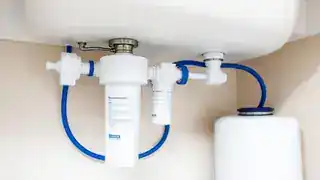
Under-sink and countertop RO systems for the widest range of drinking-water contaminants.
Compare RO Systems Water Pitchers
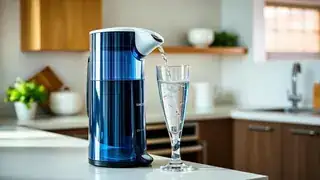
Affordable, no-install options for better-tasting drinking water at home or in a dorm.
Compare Water Pitchers Well Water Systems
Systems built for iron, sulfur, sediment and other common private-well problems.
Compare Well Water Systems 5-Gallon Dispensers
Hot and cold water on demand without plumbing, for kitchens, offices and garages.
Compare Water Dispensers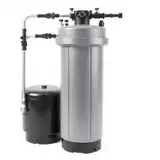 Whole House Systems
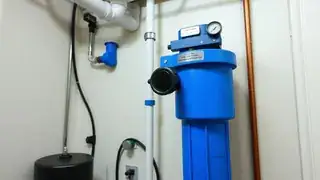
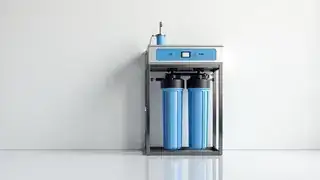
Filter every tap and shower in your home from a single system at the main line.
Compare Whole House Filters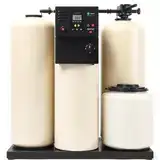 Water Softeners
Stop scale buildup, spotty dishes and dry skin caused by hard water.
Compare Water Softeners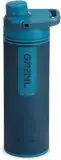 Outdoor Filters
Portable filters and purifiers for hiking, camping, travel and emergencies.
Compare Outdoor Filters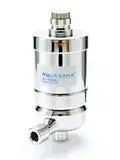 Faucet Filters
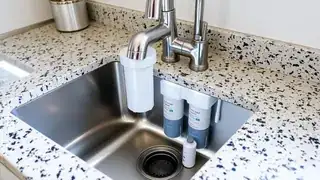
Tap-mounted filters that install in minutes and work well for renters.
Compare Faucet Filters Shower Filters
Reduce chlorine in your shower water to help with dry skin and hair.
Compare Shower Filters
Featured Deal
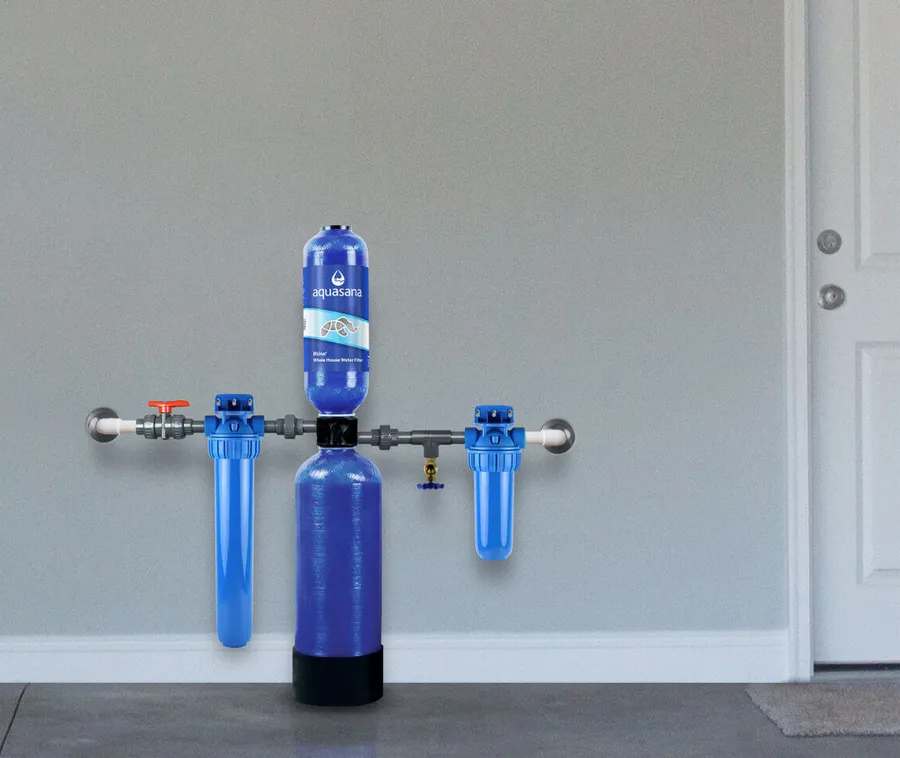
The standard Aquasana Rhino® is $999 on Amazon (price as of Nov 16, 2026). Aquasana says it reduces 97% of chlorine from every tap in your home for 1,000,000 gallons or 10 years, with no electricity, drain lines or backflushing needed. It's a chlorine filter for city water, not a water softener or a well-water system.
Affiliate link: we may earn a commission at no extra cost to you.
Compare all whole house filters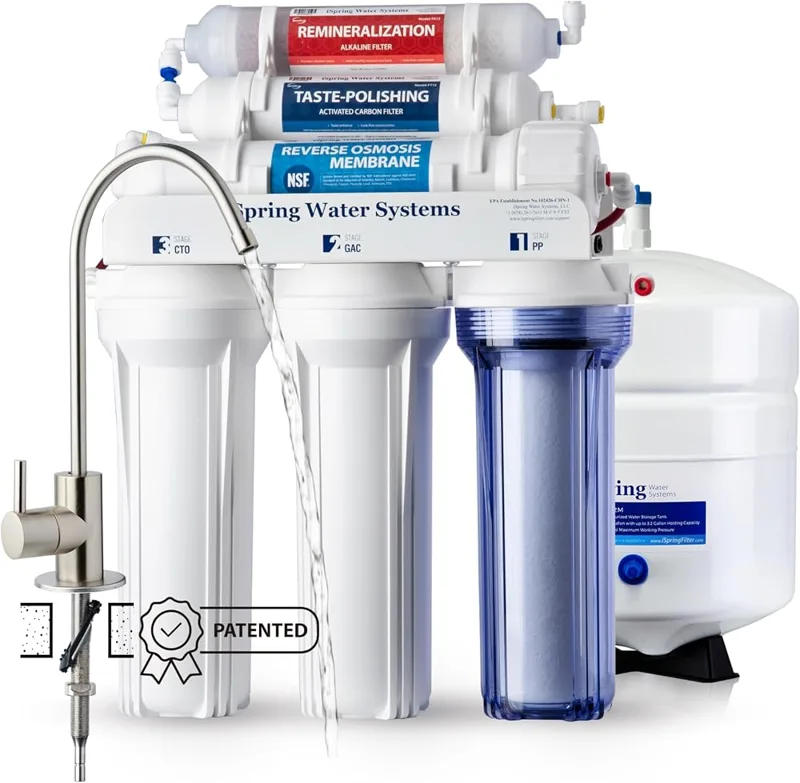
November Sale
The iSpring RCC7AK is $199.99 on Amazon right now, down from a typical price of $234.99. It's an under-sink reverse osmosis system with a 75 GPD membrane, a storage tank, its own faucet and a final alkaline mineral stage. iSpring says the full system is certified to NSF/ANSI 58 and needs no electricity. It filters drinking water at one sink, not your whole house.
Affiliate link: we may earn a commission at no extra cost to you.
Compare all reverse osmosis systemsThe best system is the one that targets what is actually in your water and fits how you use it. For better-tasting drinking water, a pitcher, countertop or under-sink filter is often enough. For dissolved contaminants such as fluoride, nitrate or PFAS at the kitchen tap, reverse osmosis is a strong choice. For chlorine at every tap, a whole house filter makes sense, and well owners usually need a system built for well water.
If you are on city water, your utility must publish an annual water quality report (a Consumer Confidence Report) showing what was found and whether it met federal limits. That report covers the treatment plant and mains, not the pipes inside your home, so older homes may still have lead from service lines or fixtures. Private wells are not covered by these rules, so the owner is responsible for testing. A certified lab test gives the clearest answer.
The most common concerns are lead from old pipes and fixtures, PFAS (forever chemicals), chlorine and chloramine from city treatment, nitrate from farm runoff, arsenic in some groundwater, and bacteria in private wells. Hardness, iron and sulfur are mostly nuisance problems that cause scale, stains and odors. Which ones matter for you depends on your water source and location, so check your water report or test before choosing a filter.
Reverse osmosis pushes water through a very fine membrane to reduce dissolved contaminants such as lead, fluoride, nitrate and many PFAS, and it is usually installed under the kitchen sink for drinking and cooking water. A whole house filter is installed where water enters the home and mainly uses sediment and carbon stages to reduce chlorine, taste, odor and some chemicals at every tap. Many homes use both: whole house for everyday water and reverse osmosis for drinking water.
Yes, many can, but not every filter does. Reverse osmosis systems typically reduce both lead and many PFAS, which makes them a strong choice for drinking water. Some carbon pitchers, faucet filters and under-sink filters are also certified to reduce lead and certain PFAS, while others only improve taste and odor. Check that the exact model is independently certified for lead and PFAS reduction, rather than relying on general marketing claims.
Customer reviews quoted word-for-word from product pages on iSpring and Home Depot.