
Best Countertop Water Filters of November 2026

Reviewed by David Rodriguez

No-installation countertop filters for renters. Clean, great-tasting water from $129 without any plumbing work.

Quick Comparison: Top Countertop Filters

Compare the top five side by side

Our #1 Pick
Type
Gravity Claryum
Capacity
See listing
Installation
None
Warranty
10 years
Type
4-stage reverse osmosis
Capacity
1 gal tank
Installation
Plug in
Warranty
See listing
Type
5-stage RO + remineralization
Capacity
Carafe
Installation
Plug in
Warranty
1 year (registered)
Type
Gravity (ProOne G2.0)
Capacity
3 gallons
Installation
None
Warranty
See listing
Type
Ceramic + mineral stones
Capacity
4 gallons
Installation
None
Warranty
See listing

Prices checked on Nov 19, 2026. Amazon prices change often, so confirm the price on the listing.

Detailed Reviews & Analysis

What each filter does well, and where it falls short

#1

Clean Water Machine Countertop Filter

Aquasana

Best Overall
Editor's Choice

Best For:

Renters wanting filtered water in big batches with zero installation.

Aquasana Clean Water Machine Countertop Filter

Aquasana

Clean Water Machine Countertop Filter

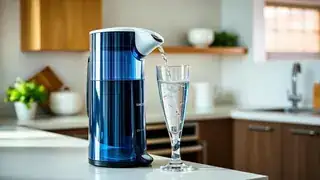
Our top countertop pick. A gravity fed Claryum dispenser you fill from the tap, with no plumbing or power. Aquasana lists reduction of lead, PFAS and microplastics.

Type

Gravity Claryum

Capacity

See listing

Pros

  • No install or power
  • Large batch dispenser
  • Lead and PFAS reduction listed

Cons

  • You refill it by hand
  • Takes counter space
  • Not reverse osmosis

Price

$199.99
#2

AquaTru Classic Countertop RO

AquaTru

Best For:

Renters who want true reverse osmosis without plumbing.

AquaTru

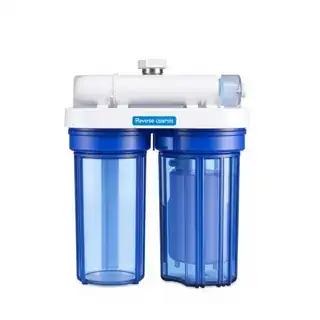
AquaTru Classic Countertop RO

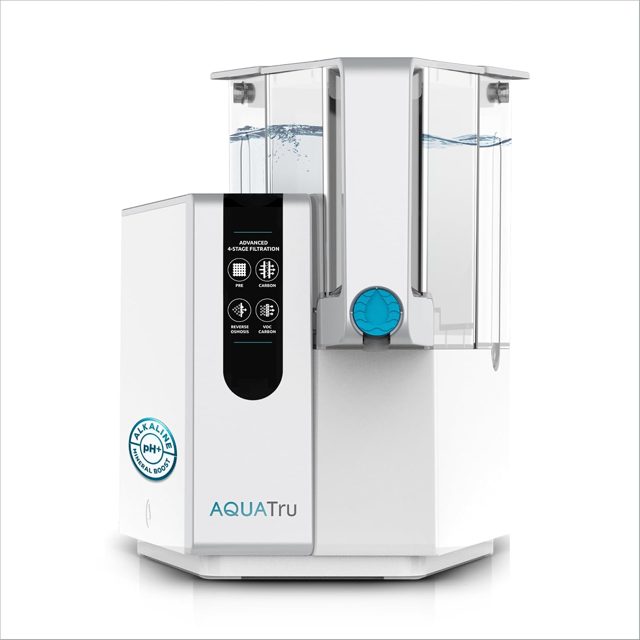
A plug-in four stage reverse osmosis purifier with a 1 gallon tap water tank. AquaTru lists IAPMO certification to NSF standards for fluoride, lead, chlorine, microplastics and PFOA/PFOS.

Type

4-stage reverse osmosis

Capacity

1 gal tank

Pros

  • Reverse osmosis, no plumbing
  • Certified reduction list
  • Tool free filter changes

Cons

  • Needs power
  • You refill the tank
  • Higher price
#3

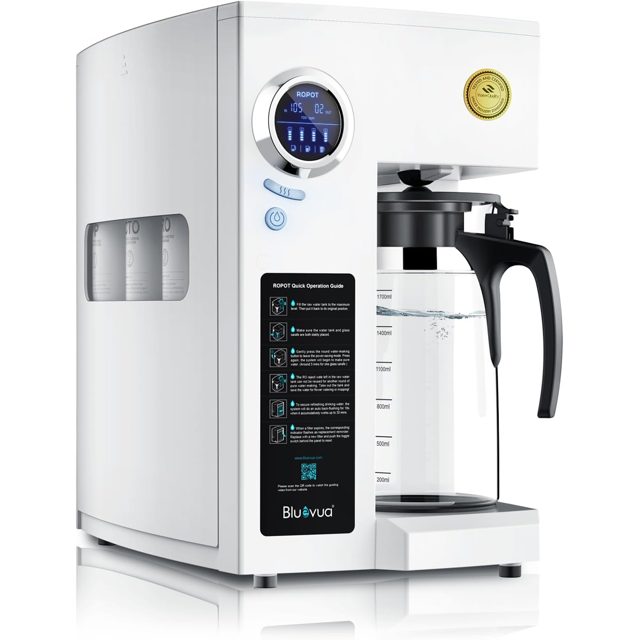
RO100ROPOT Countertop RO with Carafe

Bluevua

Best For:

Renters wanting countertop RO that fills a glass carafe for the table or fridge.

Bluevua

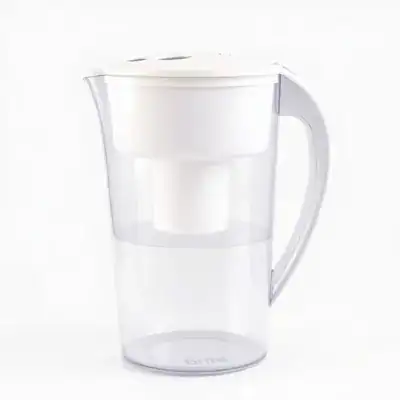
RO100ROPOT Countertop RO with Carafe

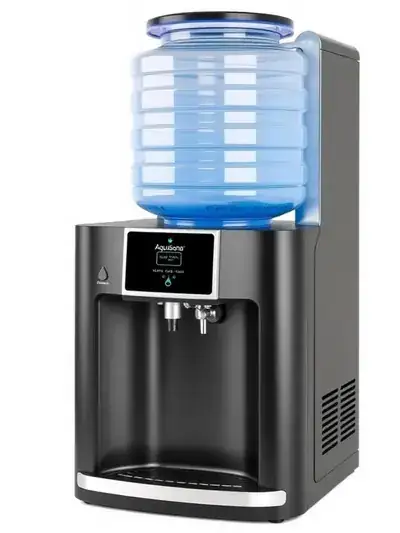
A plug-in, five stage countertop reverse osmosis unit with a remineralization stage and a glass carafe, no plumbing needed. Bluevua rates the filters for 12 to 24 months and shows filter life on a display.

Type

5-stage RO + remineralization

Capacity

Carafe

Pros

  • Reverse osmosis, no plumbing
  • Remineralization stage
  • Filters last 12 to 24 months

Cons

  • Needs power
  • You refill it by hand
  • Carafe holds a limited amount
#4

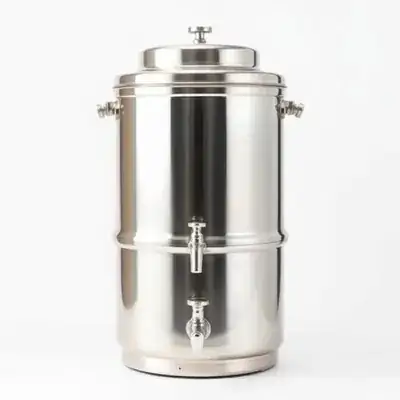
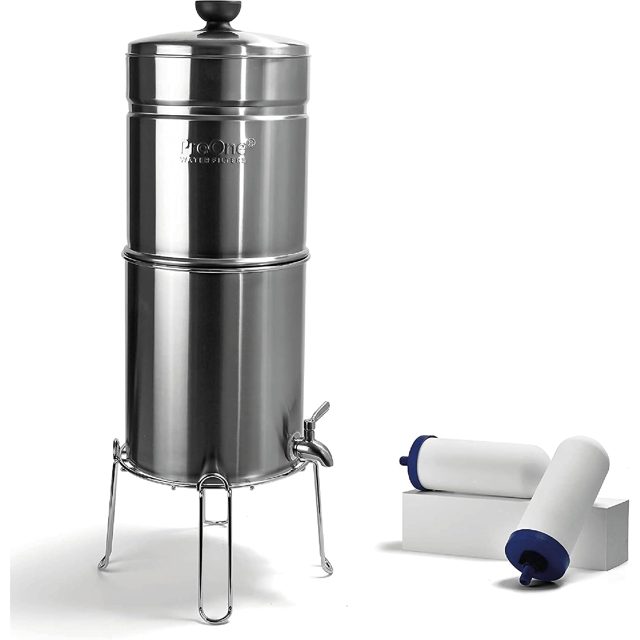
Big+ Stainless Gravity Filter

ProOne

Best For:

Homes and preppers who want a no power stainless gravity filter with large capacity.

ProOne

Big+ Stainless Gravity Filter

A 3 gallon polished stainless steel gravity filter that works without power or plumbing. ProOne lists IAPMO certification and says each G2.0 filter lasts up to 9 months of daily use while leaving calcium in the water.

Type

Gravity (ProOne G2.0)

Capacity

3 gallons

Pros

  • No power or plumbing
  • 3 gallon stainless steel
  • Filters last up to 9 months

Cons

  • Slow gravity filtering
  • Tall on the counter
  • You refill it by hand

Price

$289.95
#5

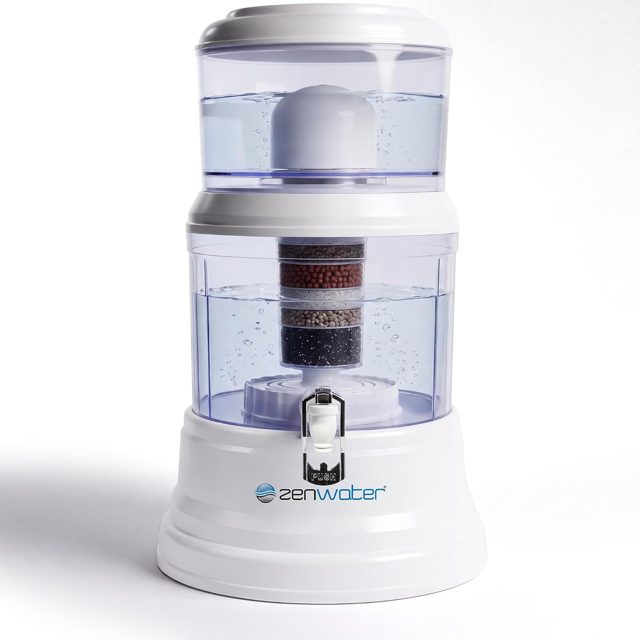
4-Gallon Countertop Gravity Filter

ZenWater

Best For:

Budget buyers who want a big countertop crock that filters by gravity.

ZenWater

4-Gallon Countertop Gravity Filter

A 4 gallon gravity crock with a ceramic filter and mineral stones that ZenWater lists as purifying up to 500 gallons, with a spigot and no power or plumbing.

Type

Ceramic + mineral stones

Capacity

4 gallons

Pros

  • Large 4 gallon size
  • No power
  • Up to 500 gallons listed

Cons

  • Slow gravity filtering
  • Takes counter space
  • Adds minerals, does not remove TDS

Price

Check price
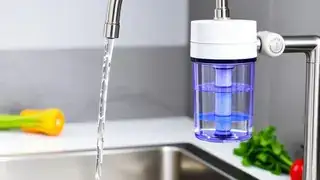
Countertop Filter System SetupKitchen CounterKitchen FaucetDiverterSwitch valveFilter UnitStage 1Stage 2Filtered SpoutClean WaterKey Advantages✓ No installation Sits on counter, ready✓ Portable Move between locations✓ Renter-friendly No modifications needed✓ Diverter valve Switch: filtered/unfiltered✓ High flow rate 0.5-1 GPM typical✓ Visible filters Easy replacement⚡ Setup: 2 minutes • Screw diverter onto faucet • Connect hosePerfect for renters • No drilling or plumbing • 500-800 gallon capacity • Filter life: 6 months

Complete Cost Analysis

A transparent look at upfront price, annual upkeep, and 5-year total cost for the top countertop filters

Swipe to compare

Initial Investment

Clean Water Machine Countertop Filter
#1
Clean Water Machine Countertop Filter
$$199.99
AquaTru Classic Countertop RO
#2
AquaTru Classic Countertop RO
$$495
RO100ROPOT Countertop RO with Carafe
#3
RO100ROPOT Countertop RO with Carafe
$$389
Big+ Stainless Gravity Filter
#4
Big+ Stainless Gravity Filter
$$289.95
4-Gallon Countertop Gravity Filter
#5
4-Gallon Countertop Gravity Filter
$Check price

Note: Professional installation may add $100-$500 depending on system complexity.

Annual Operating Costs

Filter Replacements

Annual cartridge costs

$50-200/yr

Maintenance

Cleaning and upkeep

$20-50/yr

Water Usage

Minimal to none

$0-30/yr
Total Annual Cost$70-280

Compare to $600+ per year for bottled water

5-Year Total Cost of Ownership

Swipe to compare
Clean Water Machine Countertop Filter
#1
Clean Water Machine Countertop Filter

$949.99

$199.99 + $750 (5yr)

AquaTru Classic Countertop RO
#2
AquaTru Classic Countertop RO

$1,245

$495 + $750 (5yr)

RO100ROPOT Countertop RO with Carafe
#3
RO100ROPOT Countertop RO with Carafe

$1,139

$389 + $750 (5yr)

  • Start drinking clean water today.
  • Better Health
  • Enhanced Focus
  • Healthier Skin
  • Better Taste
  • Better Coffee & Tea
  • Less Plastic Waste
  • Longer Appliance Life

Recommended Multi-Stage Filtration

1

Sediment Filter

Removes particles and sediment

2

Carbon Block

Removes chlorine and chemicals

3

Final Filter

Polishes water for best taste

Understanding Countertop Water Filter Technology

How Countertop Filters Work

Countertop water filters use various technologies depending on their design. The most common include activated carbon filtration, reverse osmosis (RO), and gravity-fed ceramic filtration. Each technology has distinct advantages for specific water quality issues found in cities like Chicago or Phoenix.

Carbon-based countertop filters excel at removing chlorine, improving taste and odor, and reducing certain chemicals. They're ideal for municipal water that's already treated but tastes poor. RO countertop systems like the Waterdrop G3 remove 99%+ of dissolved solids including lead, fluoride, arsenic, and PFAS.

Activated Carbon Filtration

Activated carbon is created by heating carbon-rich materials (coconut shells, coal, wood) to extremely high temperatures, creating millions of tiny pores. These pores trap contaminants through adsorption, contaminants stick to the carbon surface like a magnet.

✅ What Carbon Removes:

  • • Chlorine (95-99%)
  • • Taste and odor compounds
  • • VOCs (Volatile Organic Compounds)
  • • Some pesticides and herbicides
  • • Trihalomethanes (disinfection byproducts)

❌ What Carbon Doesn't Remove:

  • • Fluoride
  • • Nitrates
  • • Most heavy metals (except lead in carbon block)
  • • Bacteria and viruses
  • • Dissolved minerals (hardness)

Reverse Osmosis Countertop Systems

RO countertop systems force water through a semi-permeable membrane with pores 0.0001 microns small, 500,000 times smaller than a human hair. This removes 95-99% of all dissolved solids, making it the most comprehensive home filtration technology available.

Unlike traditional under-sink RO systems, countertop RO units don't require installation. They sit on your counter with an internal tank, making them perfect for renters or those wanting to test RO before committing to permanent installation.

Tankless vs. Tank RO Countertop:

Tankless (Waterdrop G3): Faster flow (400 GPD), no stored water taste issues, takes less space. Higher initial cost ($400-500).

Tank-based (AquaTru): Stores filtered water for instant access, lower flow rate (50 GPD), cheaper ($300-400). May develop stale taste if water sits.

Gravity-Fed Filtration (Berkey-Style)

Gravity filters like the Berkey use ceramic or carbon block elements that water passes through via gravity. No electricity, no plumbing, completely portable. Popular for emergency preparedness and off-grid living.

The Black Berkey elements combine activated carbon with ion exchange media to remove bacteria, parasites, heavy metals, and chemicals. Their long service life suits families and emergency storage.

Installation & Setup Guide

Faucet-Mount Countertop

Connect to existing faucet with diverter valve

  • ⏱️ Time: 2-5 minutes
  • 🔧 Tools: None (hand-tighten)
  • 💰 Cost: $0 (included)
  • 👤 Difficulty: Easy

Perfect for renters, completely reversible

Gravity Filters

Place on counter, insert filters, fill upper chamber

  • ⏱️ Time: 10-15 minutes
  • 🔧 Tools: None
  • 💰 Cost: $0
  • 👤 Difficulty: Very Easy

No connections required, works anywhere, even during power outages

Countertop RO

Plug in, fill reservoir, press start

  • ⏱️ Time: 5 minutes
  • 🔧 Tools: None
  • 💰 Cost: $0
  • 👤 Difficulty: Easy

Some models offer direct faucet connection for auto-refill convenience

Troubleshooting Common Installation Issues

❌ Diverter valve doesn't fit faucet:

Most systems include multiple adapters (3-7). Try all sizes. If none fit, check if faucet has pull-out spray head (not compatible) or threaded aerator (required). Contact manufacturer for specialized adapters, usually free.

💧 Slow water flow:

Normal for first use, run 2-5 gallons to flush carbon fines. If persistent, check water pressure (needs 40+ PSI), ensure all valves fully open, verify filter isn't clogged with sediment. For well water, add sediment pre-filter. For stronger pressure, consider whole house systems.

😷 Strange taste initially:

Carbon fines taste metallic/dusty. Flush 2 gallons before drinking. For RO systems, discard first 3 tanks. Gravity filters: flush each element separately for 5 minutes before assembly.

5-Year Cost Analysis & Maintenance

Filter TypeInitial CostAnnual Filters5-Year TotalCost/Gallon
Carbon Faucet-Mount$150-200$80-100$550-700$0.11-0.14
Countertop RO$400-500$120-180$1,000-1,400$0.20-0.28
Berkey Gravity Filter$250-350$0*$250-350$0.02-0.03
Bottled Water$0$600-800$3,000-4,000$0.80-1.20

*Berkey filters last 3,000 gallons (3-5 years), replacement in year 4-5

Maintenance Schedule & Filter Replacement

Carbon Filters (Every 6-12 Months)

Signs to Replace: Reduced flow rate, return of chlorine taste, cloudy water, or manufacturer's recommended lifespan (typically 500-1,000 gallons).

Replacement Cost: $40-60 per filter. Subscribe-and-save programs offer 10-15% discount. For areas with heavy chlorine or hard water, replace every 6 months instead of 12. Test with our water test kits.

RO Membranes (Every 18-24 Months)

Signs to Replace: TDS (Total Dissolved Solids) reading above 20 ppm, slow filtration, or flat taste. Test monthly with TDS meter ($15 on Amazon).

Replacement Cost: $60-100 for membrane, $40-60 for pre/post filters (every 6-12 months). Annual total: $120-180.

Gravity Filters (3,000-6,000 Gallons)

Signs to Replace: Dramatically reduced flow (from 1 gallon/hour to 10 minutes/gallon), visible element damage, or reaching capacity.

Replacement Cost: $120-140 per pair. For 4-person household using 3 gallons/day, elements last 3-4 years. Cheapest long-term option at $0.02/gallon.

Countertop Filters vs. Other Filter Types: Complete Comparison

Choosing between a countertop filter and other filtration methods depends on your living situation, water quality concerns, budget, and installation preferences. Here's how countertop systems stack up against every major alternative, so you can make the most informed decision for your household.

Countertop vs. Water Pitcher Filters

Pitchers cost less upfront and use less space, but they filter slowly and need more frequent cartridge changes.

Countertop systems provide greater capacity and broader contaminant reduction. Use the five year cost table above to compare ownership costs, then choose based on your tested water needs.

Countertop vs. Under-Sink Filters

Under-sink systems offer higher flow, greater capacity, and a hidden installation. Countertop filters trade some output for portability and no plumbing, making them better for renters and frequent movers. See our under-sink guide for permanent options.

Countertop vs. Faucet-Mount Filters

Faucet-mount filters like the PUR PFM400H and Brita Faucet Filter attach directly to your faucet aerator, simple but limited. They filter 100 gallons before replacement ($15-20 each), remove chlorine, lead, and some contaminants, but can't match the comprehensive removal of countertop RO or gravity systems. They also reduce faucet flow rate and don't fit pull-out or commercial-style faucets.

Countertop filters with faucet diverters offer better filtration without permanently reducing your faucet flow, flip the diverter when you want filtered water. Gravity and RO countertop models bypass the faucet entirely. For basic city water with only chlorine concerns, a faucet mount is fine. For serious contaminant removal (PFAS, arsenic, nitrates), countertop RO is the clear winner.

Countertop vs. Whole House Filters

Whole house systems like the SpringWell CF1 or Aquasana Rhino filter all water entering your home, every faucet, shower, and appliance gets filtered water. They excel at removing chlorine, sediment, and some chemicals but typically don't remove dissolved solids, fluoride, or heavy metals as effectively as point-of-use systems.

For drinking water quality, a countertop RO system actually provides purer water than most whole house filters. The ideal setup for homeowners: whole house filter for general water quality (protecting pipes, appliances, showers) plus a countertop or under-sink system for drinking water. Renters who can't install whole house systems get excellent results from countertop alone. For well water specifically, check our well water filter guide. If you want chilled or hot filtered water without a sink connection, compare our water dispenser picks.

Choosing a Countertop Filter Based on Your Water Quality

Not all water requires the same filtration. Your local water quality report (available from your utility or via our recommended test kits) determines which countertop filter type is best for your home. Here's how to match your water concerns to the right technology.

Municipal (City) Water

City water is treated and generally safe, but often contains chlorine or chloramine disinfectants that cause taste and odor issues. Older infrastructure may leach lead from pipes. Increasingly, PFAS "forever chemicals" are detected in municipal supplies across the country.

Best countertop choice for city water: A carbon-based countertop filter handles chlorine taste perfectly and costs the least ($150-200). If your water report shows lead, PFAS, or other concerning contaminants, upgrade to a countertop RO system. Check your local water quality data to see what's in your tap water.

Well Water

Well water isn't treated by a municipality, so it may contain bacteria, iron, manganese, nitrates, and other naturally occurring contaminants. A simple carbon countertop filter is usually insufficient for untreated well water.

Best countertop choice for well water: Gravity filters (Berkey) with their bacteria/virus removal capability, or countertop RO systems for comprehensive treatment. Always test your well water before choosing a filter, results determine whether you need basic carbon filtration or full RO treatment. For whole-home well water solutions, see our well water whole house guide.

Hard Water Areas

Hard water (high calcium and magnesium) causes scale buildup on fixtures and appliances. Countertop carbon and gravity filters do NOT soften water. Countertop RO systems reduce hardness minerals along with other dissolved solids, but they don't prevent scale on your showerhead or dishwasher. If hard water is your primary concern, a water softener is the proper solution, potentially paired with a countertop filter for drinking water purity. Compare approaches in our RO vs. softener comparison.

Emergency & Off-Grid Use

Gravity-fed countertop filters shine in emergencies, no electricity, no water pressure needed. The Big Berkey can filter lake, river, or rain water in emergencies (with proper pre-treatment for very turbid water). For dedicated emergency preparedness, also explore our portable water filter guide and emergency water treatment guide.

Understanding Countertop Filter Certifications

Water filter certifications verify manufacturer claims through independent testing. Here's what each certification means for countertop filters and why it matters for your purchasing decision.

NSF/ANSI 42, Aesthetic Effects

Verifies removal of chlorine taste, odor, and particulates. The baseline certification most countertop filters achieve. Important for city water users bothered by chlorine taste.

Most Common

NSF/ANSI 53, Health Effects

Verifies removal of health-related contaminants: lead, cysts (Giardia, Cryptosporidium), VOCs, MTBE, and specific chemicals. Critical if your water contains lead or parasites.

High Priority

NSF/ANSI 58, Reverse Osmosis

Specific to RO systems. Verifies TDS reduction, contaminant removal efficiency, and structural integrity. Required certification for countertop RO systems like AquaTru and Waterdrop models.

RO Systems

NSF/ANSI 401, Emerging Contaminants

Tests for pharmaceuticals, herbicides, pesticides, and PFOA/PFOS. Newer standard that fewer filters meet. Important for comprehensive contaminant protection in areas near agricultural or industrial activity.

Premium Filters

Pro Tip: Some high-performing filters (notably Berkey) rely on independent EPA-accredited lab testing rather than NSF certification. This doesn't mean they're less effective, NSF certification is expensive and some manufacturers choose to invest in third-party lab verification instead. What matters most is documented, verifiable test results from accredited laboratories, regardless of certification body. Learn more about evaluating filter claims in our filter certification guide.

Find the Right Filter for Your Water

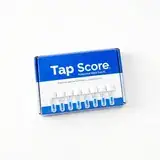
Tap Score Water Test Kit

Test Your Water

Not sure what's in your tap water? Get a comprehensive water testing kit to identify contaminants.

Take the Filter Finder Quiz

Answer a few questions and get personalized filter recommendations for your needs.

How We Evaluate Countertop Filters

How We Research Our Picks

Independent research from public certification records and manufacturer data

Certification check

We look up each system's claims in the public NSF, IAPMO and WQA certification listings and note exactly which contaminants are covered.

Performance data sheets

We read the manufacturer's performance data sheet for reduction percentages, rated capacity and flow, rather than relying on marketing copy.

Install and upkeep

We compare space, plumbing and drain needs, filter change intervals and how easy replacement cartridges are to find.

Cost of ownership

We add the purchase price to several years of replacement filters so cheap-upfront systems with expensive cartridges stand out.

Contaminants we compare claims for

Lead
Chlorine
Chloramine
PFAS (PFOA/PFOS)
Arsenic
Fluoride
Nitrates
VOCs
Microplastics
Cysts
Sediment

What matters most in our ranking

  • • Certified reduction claims for the contaminants most homes face
  • • Flow and capacity that fit the household
  • • Installation and maintenance effort
  • • Long-term cost and the manufacturer's warranty terms

Always confirm a product's current certification listing before buying, and test your own water first so you pay only for the treatment you need.

Countertop Filter Buying Guide

Countertop Water Filter Guide

Get great-tasting filtered water without installation with countertop filtration systems.

1

Advantages of Countertop Filters

Countertop systems offer unique benefits: • **No Installation**: Simply attach to your faucet or use gravity-fed systems. Perfect for renters. • **Portability**: Take it with you when you move or travel. • **High Capacity**: Filter hundreds of gallons before replacement - far more than pitchers. • **Better Filtration**: Multi-stage systems rival under-sink filters in performance. • **No Electricity**: Gravity-fed systems work anywhere, even during power outages. • **Family Size**: Large reservoirs (1.5-3 gallons) serve the whole family. Ideal for apartments, dorms, RVs, or anyone who wants quality filtration without permanent installation.
2

Types of Countertop Filters

Choose the style that fits your space: **Faucet-Attached ($40-150)**: Connect directly to your faucet with diverter valve. Switch between filtered and unfiltered water. Fast flow rate, good filtration, but takes up sink space. **Gravity-Fed ($150-400)**: Two chambers - fill top, gravity pulls water through filters to bottom chamber. Excellent filtration (some remove viruses), no faucet connection needed, but slower and takes counter space. **Countertop RO ($300-600)**: Complete reverse osmosis system with pump. Ultimate filtration but requires power and produces wastewater. **Distillers ($150-400)**: Boil water and collect steam (leaves all contaminants behind). Removes everything but very slow (4-6 hours per gallon) and energy-intensive.
3

Setup and Maintenance

Countertop filters are the easiest to use: **Setup**: Faucet-attached models take 2-5 minutes - just screw on the diverter. Gravity systems need no setup, just rinse and fill. Place on a sturdy, level surface away from direct sunlight. **Daily Use**: Fill as needed (gravity) or turn diverter valve (faucet-attached). Keep gravity systems covered when not in use to prevent dust contamination. **Filter Replacement**: Typically every 6-12 months or 500-1,000 gallons. Some systems have multiple filter elements - replace per manufacturer schedule. Gravity filters may last 3,000+ gallons. **Cleaning**: Wipe exterior weekly. Deep clean reservoirs monthly with vinegar solution to prevent algae growth. Never use soap inside water chambers.

You've got countertop filter questions, we have answers.

Do countertop filters need installation?

No. Countertop filters simply sit on your counter and either connect to your faucet with a diverter valve (takes 2 minutes) or work as gravity filters requiring no connections at all. Perfect for renters, no drilling, no plumbing, completely reversible. Compare with under-sink filters that require installation.

What's better: countertop or under-sink filter?

Choose a countertop filter for portability and zero installation. Choose an under-sink filter for higher capacity and a hidden, permanent setup.

Do countertop RO systems work well?

Yes. Countertop RO systems (like AquaTru) remove 99%+ of contaminants without plumbing installation. They're less efficient than under-sink RO (slower, smaller tanks) but offer same filtration quality. Great for apartments or testing RO before permanent install.

How often replace countertop filters?

Cartridge filters: 3-6 months. Berkey-style elements: 3,000 gallons (1-3 years for families). RO systems: pre-filters 6 months, membrane 2 years. Depends on water quality and usage. Most have indicators or recommend tracking gallons filtered.

Can I use countertop filter with well water?

Yes, but test the water first. Untreated well water may require a countertop RO or gravity system rather than a simple carbon filter.