Best Well Water Filters of November 2026
Expert reviews of specialized whole house filters for well water. Remove iron, sulfur, sediment & bacteria from $999.
Expert reviews of specialized whole house filters for well water. Remove iron, sulfur, sediment & bacteria from $999.
Quick Comparison: Top Well Water Systems
Compare specs and costs at a glance
| Ranking | Type | Price | Removes | UV Included | Warranty | |
|---|---|---|---|---|---|---|
| Carbon + KDF + UV + scale control | $2,573 | Sediment, chlorine, bacteria (UV), scale | ✓ Yes | See listing | ||
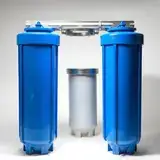
| Sediment + carbon + iron media | $404.49 | Sediment, iron, manganese | No | 1 year | ||
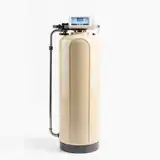
| Fine mesh resin softener | $899 | Hardness, iron up to 6 ppm | No | 5 years on control head | ||
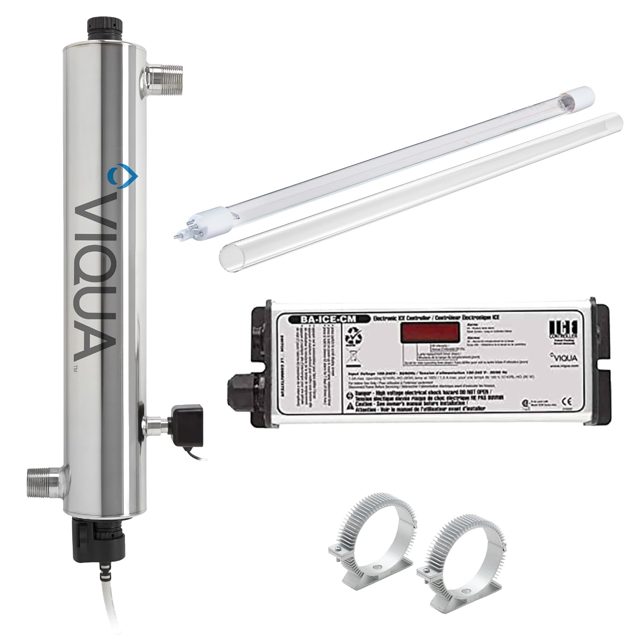
| UV disinfection | $1,310 | Bacteria and viruses (UV) | ✓ Yes | 10 yr chamber, 3 yr electronics | ||
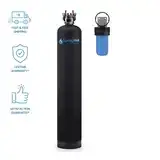
| Air injection oxidation | Check price | Iron, manganese, sulfur | No | Lifetime |
Prices checked on Nov 19, 2026. Amazon prices change often, so confirm the price on the listing.
Detailed Reviews & Analysis
What each well water system does well, and where it falls short
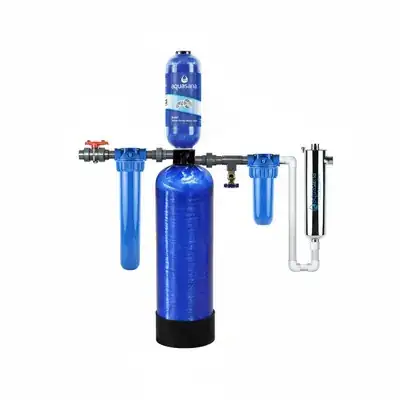
Whole House Well Water Filter with UV (500K)
Aquasana
Best For:
Most private well owners. One system covers sediment, taste and odor, scale and bacteria with UV. Add an iron filter only if your test shows high iron or sulfur.
WGB32BM Iron & Manganese Whole House Filter
iSpring
Best For:
Wells with light iron (up to 3 ppm) or manganese (up to 1 ppm) and a tight budget.
Iron Pro 2 Softener and Iron Filter (64K)
AFWFilters
Best For:
Hard well water with low level iron, where you want softening and iron reduction from one tank.
VH410M UV Water Treatment System
VIQUA
Best For:
Wells that test positive for bacteria and already have sediment or iron treatment in place.
WS1 Whole House Well Water Filter
SpringWell
Best For:
Wells with iron, manganese or rotten egg sulfur smell that need air injection oxidation, bought direct from SpringWell.
- Start drinking clean water today.

- Better Health
- Enhanced Focus
- Healthier Skin
- Better Taste
- Better Coffee & Tea
- Less Plastic Waste
- Longer Appliance Life
Complete Guide to Well Water Filtration
Private wells have zero federal oversight, you're the water utility. Here's how the right stack handles iron, sulfur, bacteria, hardness, and the rest, plus what it really costs to run.
Well Water Basics
Private wells supply water to your home without the safety net of municipal treatment. Start here to understand why filtration matters.
What Makes Well Water Different
Unlike city water, private wells pull groundwater directly into your plumbing. There is no central treatment plant or chlorine residual to keep bacteria in check.
- Quality varies by season, rainfall, and nearby land use.
- Sediment, iron, sulfur, and hardness are the most common nuisance problems.
- Bacteria, nitrates, arsenic, and lead can be invisible but dangerous.
Well Water by the Numbers
Source: CDC and EPA estimates for private well ownership and common contamination prevalence in the United States.
EPA Regulations and Private Wells
The EPA sets standards for public drinking water, but it does not regulate private well water. That means testing, maintenance, and treatment are the homeowner's responsibility.
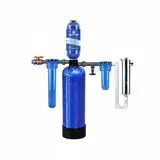
Aquasana Rhino Well Water with UV, ProBypass and LM Pre-Filter
Aquasana Rhino Well Water with UV, ProBypass and LM Pre-Filter
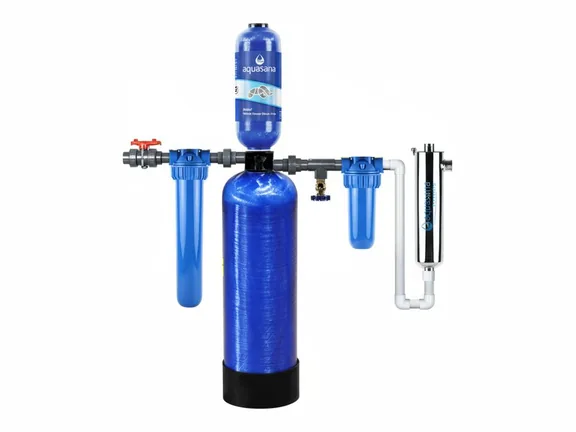
Pairs well water filtration, a sediment pre-filter and UV treatment. Match it to your lab results; add dedicated treatment first if iron, manganese or sulfur exceed its limits.
Regional Well Water Patterns
Well water chemistry varies by geology, see what to expect and treat in your region.
Acidic, low pH water
Granite bedrock leaches into wells, dropping pH below 6.5 and corroding copper plumbing (blue green stains).
Arsenic & uranium
Naturally occurring arsenic in AZ, NV, NM groundwater frequently exceeds the 10 ppb EPA limit.
Iron, Sulfur & Smell Solver
Pick what your water is doing and we'll match it to the exact SpringWell system to fix it.
Rotten Egg Smell
Hydrogen sulfide gas (H₂S) — often paired with sulfate-reducing bacteria in the aquifer or water heater.
- Smell only at hot taps → bacteria in water heater
- Smell at all taps → H₂S in the well itself
- Test: 0.1 – 10+ mg/L H₂S triggers the smell
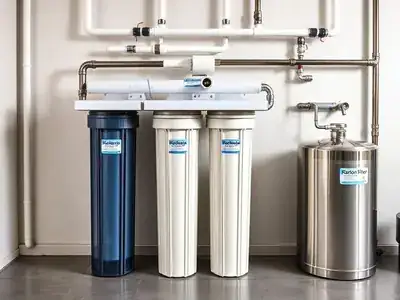
SpringWell Whole House Well Water Filter (WS1)
Air-injection oxidation removes up to 8 mg/L H₂S, 7 mg/L iron, and 1 mg/L manganese in a single tank — no chemicals, no salt.

Symptom → Fix → Filter to Buy Next
See a symptom in your water? Jump to the fix and the specific filter to add next.
Odor, rotten egg, musty, or chlorine like smell
Hydrogen sulfide gas (H₂S), sulfur bacteria, or decaying organics in the well casing. Strong at hot taps means it's forming in the water heater anode rod.
Shock chlorinate the well, flush the heater, then install continuous treatment. Activated carbon alone only handles low level smell (<1 ppm H₂S).
Air injection oxidation + catalytic carbon (for 1–8 ppm H₂S) or chlorine injection + carbon backwash for higher levels.
Match dedicated treatment to your water test and available flow; general filtration, softening and RO are not interchangeable. Compare well-water treatment options.
Sediment, cloudy water, grit in aerators, brown flecks
Sand, silt, clay, or rust scale from the well casing or aging pipes. Often spikes after heavy rain or pump cycling.
Add a spin down pre filter (100 mesh) at the pressure tank, then a 5–20 micron cartridge filter before any downstream treatment. Replace cartridges every 3–6 months.
Spin down separator + graded sediment cartridge (5μ nominal, 20μ if heavy load), protects every stage downstream.
Aquasana Rhino Well Water with UV, ProBypass and LM Pre-Filter
Aquasana Rhino Well Water with UV, ProBypass and LM Pre-Filter
Hardness & iron, orange staining, scale, dull laundry
Iron above 0.3 ppm stains; hardness above 7 gpg builds scale on heaters, fixtures, and glassware. The two require different chemistry, softeners alone fail above 3 ppm iron.
Treat iron first with an oxidizing iron filter, then soften the remaining hardness. Test for clear vs. ferric iron, that changes the media choice.
Air injection iron filter (Katalox/Greensand) upstream of a salt based softener sized for combined GPG load.
Match dedicated treatment to your water test and available flow; general filtration, softening and RO are not interchangeable. Compare well-water treatment options.
Pressure drop, weak flow, slow showers, low GPM
Clogged sediment cartridge, fouled iron media needing backwash, undersized whole house filter, or a pressure tank with the wrong precharge (should be 2 psi below pump cut in).
Bypass each stage one at a time to isolate the bottleneck. Replace the pre filter, trigger a manual backwash, and verify tank precharge with a tire gauge.
Choose filtration sized to measured peak demand and UV capacity only after fixing the pressure problem. A new filter cannot increase well yield or repair a failing pump.
Aquasana Rhino Well Water with UV, ProBypass and LM Pre-Filter
Aquasana Rhino Well Water with UV, ProBypass and LM Pre-Filter
Whole House Filter Types: What Each One Does Best
The right well water stack is built from layers. Here's how each filter type works and what problem it solves.
1. Sediment Pre-Filter
A coarse filter placed at the point where water enters your home. It catches sand, silt, rust flakes, and other physical debris before they reach finer downstream stages.
Aquasana Rhino Well Water with UV, ProBypass and LM Pre-Filter
Aquasana Rhino Well Water with UV, ProBypass and LM Pre-Filter
Includes a low maintenance sediment pre-filter to protect the carbon and UV stages. Heavy sand or silt may need an additional separator upstream.
2. Air Injection Oxidizing Filter
Uses oxygen bubbles to convert dissolved iron, manganese, and hydrogen sulfide into solid particles that can be filtered out. No salt or chemicals needed for most water.
Match dedicated treatment to your water test and available flow; general filtration, softening and RO are not interchangeable. Compare well-water treatment options.
3. Activated Carbon Filter
Granular or catalytic carbon absorbs chlorine, organic chemicals, and improves taste and odor. It also polishes water after an iron filter to remove any residual smell or color.
Aquasana Rhino Well Water with UV, ProBypass and LM Pre-Filter
Aquasana Rhino Well Water with UV, ProBypass and LM Pre-Filter
Combines well water filtration and UV with sediment pretreatment. Use dedicated iron treatment upstream when your lab results require it.
4. Water Softener (Ion Exchange)
A water softener uses a resin tank to exchange calcium and magnesium ions for sodium or potassium ions, physically removing hardness before it reaches pipes and appliances.
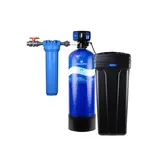
Aquasana SimplySoft 60,000 Grain Softener with LM Pre-Filter
Aquasana SimplySoft 60,000 Grain Softener with LM Pre-Filter
Its salt-based ion exchange removes hardness minerals with 60,000 grain capacity and an included pre-filter. Treat elevated iron separately before the softener.
5. UV Sterilizer
A high-intensity ultraviolet lamp in a stainless steel chamber destroys bacteria, viruses, and cysts by damaging their DNA. Requires pre-filtration to work properly.
Aquasana Rhino Well Water with UV, ProBypass and LM Pre-Filter
Aquasana Rhino Well Water with UV, ProBypass and LM Pre-Filter
Includes UV and sediment pretreatment for ongoing microorganism treatment. Keep water clear and size the UV stage to peak demand; UV does not repair a contaminated well.
6. Reverse Osmosis (RO)
Reverse osmosis forces water through a semi-permeable membrane that rejects dissolved solids, metals, and other contaminants. Typically used for drinking water, but whole-house RO units exist for severe contamination.
Match dedicated treatment to your water test and available flow; general filtration, softening and RO are not interchangeable. Compare well-water treatment options.
7. KDF Media
A copper-zinc alloy that reduces heavy metals, chlorine, and scale through a redox reaction. Often used alongside carbon as a specialty stage.
Aquasana Rhino Well Water with UV, ProBypass and LM Pre-Filter
Aquasana Rhino Well Water with UV, ProBypass and LM Pre-Filter
Combines filtration media with UV and sediment pretreatment. Verify the exact contaminant reductions against your lab results rather than treating it as a substitute for specialty metal removal.
Sizing Guide
Three steps: match people and baths, pick flow rate, then size each stage to your water test.
Pick Your Flow Rate
Size Each Stage
Size for hardness after iron removal.
Double Check with a Test
Every well is different. Test for iron, hardness, and bacteria, then match the numbers above. See our full GPM & pressure guide for details.
Pro tip: Undersizing costs more long term. If in doubt, go one size up on flow rate.
Aquasana Rhino Well Water with UV, ProBypass and LM Pre-Filter
Aquasana Rhino Well Water with UV, ProBypass and LM Pre-Filter
A well water filtration and UV bundle for homes whose demand fits the system limits. Confirm peak flow, UV capacity and pretreatment requirements before ordering.

Specs That Mean Something
The numbers that actually affect performance, longevity, and whether your system keeps up with your home.
Flow Rate (GPM)
How much treated water the system can deliver at once. Undersize it and your showers lose pressure.
Sediment Micron Rating
The smallest particle size the pre-filter catches. Critical before UV so the lamp can sterilize clear water.
Iron & Sulfur Capacity
The maximum ppm the iron/sulfur media can remove before breaking through.
UV Dose (mJ/cm²)
The energy the UV lamp delivers to kill bacteria, viruses, and cysts. Insufficient dose = live pathogens.
Warranty & Tank Rating
Well tanks and valves fail from pressure cycling. A real warranty matters more than marketing claims.
Pressure Drop
How much water pressure the system consumes. Every stage adds some drop.
Aquasana Rhino Well Water with UV, ProBypass and LM Pre-Filter
Aquasana Rhino Well Water with UV, ProBypass and LM Pre-Filter
Includes a low maintenance pre-filter, ProBypass and UV with a 10-Year Warranty. Check your water chemistry and the UV stage capacity before matching it to household demand.

Installation: DIY vs Pro
What you can safely DIY vs when to call a pro, plus the install order that keeps every stage working.
DIY friendly
Call a pro
Install order (don't skip)
Iron before softener (or resin fouls). UV last with clear water. Bypass valves around every stage.
Aquasana Rhino Well Water with UV, ProBypass and LM Pre-Filter
Aquasana Rhino Well Water with UV, ProBypass and LM Pre-Filter
The bundle includes a ProBypass kit, pre-filter and UV. Follow Aquasana installation instructions and use a qualified installer for plumbing or electrical work beyond your experience.
Complete Cost Analysis: Well Water Treatment
First year and ongoing costs for every stack, plus the payback vs bottled water and appliance damage.
10 Year Total Cost Comparison
Basic Well System
$5,660
Iron filter + UV
Initial + 10 years maintenance
Complete System
$11,580
Sediment + Iron + Softener + UV
Initial + 10 years maintenance
Bottled Water (family of 4)
$26,000
$50/week × 52 weeks × 10 years
Plus environmental waste
Cost Saving Tips for Well Water Systems
Save 20 to 40% vs water treatment company markups. Many offer free phone support for DIY install.
Learn to change sediment filters yourself ($20 vs $80 service call). UV bulbs are simple to replace.
Mail in bacteria test $25 to 40 vs $150+ from water company. Know what you need before quotes.
Chlorine shock ($50 DIY) may reduce bacteria, extending time before UV needed.
Health risk not worth $300 savings. Non negotiable safety equipment.
$80 to 150/month = $9,600 to 18,000 over 10 years. Buying outright saves 50 to 70%.
Undersizing costs more, you'll replace it. Get professional sizing based on test results.
Backwash on schedule, replace filters timely. Neglect = $2,000+ media replacement.
Aquasana SimplySoft 60,000 Grain Softener with LM Pre-Filter
Aquasana SimplySoft 60,000 Grain Softener with LM Pre-Filter
Provides true salt-based softening with a 60,000 grain tank and pre-filter. Budget for salt and maintenance, and add separate iron treatment if your well needs it.
Maintenance Schedule
What to check monthly, quarterly, and yearly to keep every stage of your well system pulling its weight.
Aquasana Rhino Well Water with UV, ProBypass and LM Pre-Filter
Aquasana Rhino Well Water with UV, ProBypass and LM Pre-Filter
Its low maintenance pre-filter and bypass simplify servicing. Replace cartridges and the UV lamp on the manufacturer schedule, clean the quartz sleeve and keep testing your well water.
You've got well water questions, we have answers.
What contaminants are common in well water?
Well water commonly contains iron (causes staining), sulfur/hydrogen sulfide (rotten egg smell), manganese, sediment, bacteria (E. coli, coliform), nitrates (from fertilizer runoff), arsenic, and hard water minerals. Test your well annually to identify specific issues. Learn about iron removal solutions in our dedicated well water rust removal guide.
Do I need UV light for well water?
Ordinary sediment and carbon filters do not reliably disinfect well water. If testing finds bacteria, address the contamination source and choose appropriate disinfection. For UV treatment of potentially unsafe water, look for NSF/ANSI 55 Class A certification and meet the unit's pretreatment and flow requirements. Confirm effectiveness with follow-up testing.
How do I remove iron from well water?
Iron removal requires oxidation followed by filtration. Air injection or chemical oxidation converts dissolved iron (clear water that stains) into particles, then a catalytic carbon or greensand filter captures it. Iron levels above 0.3 ppm cause orange staining and need removal. See our complete well water rust removal guide for detailed solutions and system recommendations.
Can a water softener remove iron?
Softeners remove only clear water iron (ferrous) up to 3 to 5 ppm, but NOT rust colored iron (ferric) or bacterial iron. For iron above 3 ppm or sulfur issues, you need a dedicated iron filter before the softener. Most well water needs both: iron filter first, then softener for hardness.
How often should I test my well water?
Test annually at minimum. Test more frequently (every 6 months) if: pregnant/infants in home, nearby agricultural activity, recent flooding, changes in taste/smell/color, or nearby septic/industrial sites. Test for bacteria, nitrates, pH, hardness, iron, and manganese at minimum. Comprehensive tests ($150 to 300) every 3 to 5 years. See our well water testing schedule guide for detailed protocols.
Understanding Well Systems
Learn everything about well construction, mechanics, regulations, and contractors before building or maintaining your well system.
What Is a Well?
Complete guide to well types, components, aquifers, and how wells access groundwater for your home.
How Does a Well Work?
Understanding well mechanics, pump systems, pressure tanks, and water flow from aquifer to your faucets.
How to Build a Well
Step by step well construction process, timeline, costs, equipment needed, and installation best practices.
Who Can Build Wells?
Licensing requirements, certifications, finding qualified contractors, and verifying driller credentials.
Is It Legal to Build a Well?
Permits, regulations, water rights, setback requirements, and state by state legal guidelines for well drilling.
Related Well Water Articles
Side-by-side: SpringWell WS4 vs Aquasana Rhino Well Pro
Aquasana Rhino Pro Grade: full review and verdict
Our picks for Well Water Whole House Systems

Read: Well Water Bacteria Treatment
Well Water Rust Removal
Read: Well Water Flow Rate Guide
See the best Iron Removal Filters
Deep dive — Sulfur Smell Removal
Well Water Egg Smell Fix
See the best RO Systems for Well Water
See the best Water Softeners
Our picks for Whole House Water Filters
Walkthrough — Water Testing Kits Guide
SpringWell Well Water: full review and verdict
Is the Pelican Well Water worth it?
Is the AFW Iron Pro 2 worth it?
Read: Brown Well Water Fix
Deep dive — How Does a Well Work?
Step-by-step: Well Water System Installation
How SpringWell WS1 compares to Pelican Iron Pro
Our hands-on Pelican Iron Pro review