Is Tap Water Safe to Drink? What the Data Says in 2026
Over 77 million Americans are served by water systems that violated federal safety standards. We analyze EPA data, independent lab results, and emerging contaminant research to answer the question every household should be asking.
The Current State of US Tap Water Safety
The United States has one of the most regulated public water systems in the world, governed by the Environmental Protection Agency (EPA) under the Safe Drinking Water Act (SDWA). Municipal water utilities must test regularly and report results annually through Consumer Confidence Reports (CCRs). But does regulation equal safety?
The reality is more nuanced than a simple yes or no. While the vast majority of municipal water systems meet minimum EPA standards, those standards haven't been comprehensively updated in over two decades. The EPA currently regulates approximately 90 contaminants, but scientists have identified over 700 contaminants in US drinking water—meaning hundreds of potentially harmful substances go completely unmonitored.
According to recent EPA compliance data, approximately 9% of community water systems serving over 77 million people had health-based violations. These aren't just paperwork issues—they represent real failures to keep contaminants below levels associated with health risks. Cities like Flint, Michigan and Newark, New Jersey have demonstrated how catastrophically infrastructure failures can contaminate drinking water.
EPA Drinking Water Standards: Key Facts
90 regulated contaminants
Maximum Contaminant Levels (MCLs) set by EPA
700+ unregulated contaminants
Detected but not monitored or limited
20+ years since major updates
Most MCLs set in the 1990s-2000s
155,000+ water systems
Regulated under the Safe Drinking Water Act
Perhaps most concerning is what happens between the treatment plant and your tap. Even perfectly treated water can pick up contaminants as it travels through aging distribution systems. The American Society of Civil Engineers estimates that a water main breaks every two minutes in the US, and an estimated 6-10 million homes still receive water through lead service lines. This "last mile" problem means your water quality may be significantly different from what the utility reports.
Understanding these limitations is crucial. EPA compliance means your water meets minimum legal requirements—not that it's free from all contaminants or risk. For families concerned about long-term health, especially those with young children, immunocompromised members, or pregnant women, additional home filtration provides an important safety margin. Our guide to choosing a water filter can help you match the right system to your specific water quality concerns.
Common Contaminants Found in US Tap Water
Even water that meets all EPA standards contains detectable levels of various contaminants. Here's what independent testing consistently finds in American tap water and why each matters for your health.
Lead
There is no safe level of lead exposure, according to the CDC. Lead enters water primarily through corroding lead service lines and lead-soldered plumbing, not from the source water itself. An estimated 9.2 million lead service lines remain in use across the US. Children are especially vulnerable—even low-level exposure causes irreversible cognitive damage, behavioral problems, and developmental delays.
EPA Action Level: 15 ppb | Health Guideline: 0 ppb | Best Removal: Reverse osmosis (99%+ removal)
PFAS "Forever Chemicals"
Per- and polyfluoroalkyl substances (PFAS) are synthetic chemicals found in an estimated 200+ million Americans' drinking water. These "forever chemicals" don't break down in the environment or human body and accumulate over time. In 2024, the EPA established the first-ever enforceable limits for six PFAS compounds at 4-10 parts per trillion—extremely low levels reflecting their extreme toxicity.
EPA MCL: 4-10 ppt (2024) | Linked to: Cancer, thyroid disease, immune suppression | Best Removal: NSF P473-certified filters
Chlorine & Disinfection Byproducts
Chlorine is intentionally added to kill bacteria—a necessary public health measure. However, when chlorine reacts with organic matter in water, it creates disinfection byproducts (DBPs) like trihalomethanes (THMs) and haloacetic acids (HAAs). Long-term exposure to DBPs is associated with increased cancer risk, reproductive issues, and liver/kidney damage.
EPA MCL (THMs): 80 ppb | Health Guideline: Much lower | Best Removal: Activated carbon filters (95%+ removal)
Microplastics
Microscopic plastic particles have been detected in 94% of US tap water samples. While the long-term health effects are still being studied, microplastics can carry toxic chemicals and pathogens. They enter water supplies through plastic pipe degradation, industrial runoff, and atmospheric deposition. Current EPA standards don't address microplastics at all.
EPA MCL: None (unregulated) | Concern Level: Growing | Best Removal: RO systems or 0.5-micron carbon filters
Nitrates
Nitrate contamination primarily affects agricultural regions where fertilizer runoff enters groundwater. High nitrate levels are particularly dangerous for infants, causing "blue baby syndrome" (methemoglobinemia). Rural communities and well water users are at highest risk. Some studies link chronic low-level nitrate exposure to thyroid issues and certain cancers.
EPA MCL: 10 mg/L | Risk Groups: Infants, pregnant women | Best Removal: Reverse osmosis or ion exchange
Pharmaceuticals & Hormones
Trace amounts of prescription drugs, over-the-counter medications, birth control hormones, and antibiotics have been detected in drinking water supplies across the country. These enter waterways through human waste, hospital discharge, and improper medication disposal. Conventional water treatment doesn't fully remove them, and the cumulative effects of chronic low-dose exposure remain poorly understood.
EPA MCL: None (unregulated) | Concern: Endocrine disruption | Best Removal: RO + activated carbon combination
Additional contaminants of concern include arsenic (naturally occurring in many groundwater sources), fluoride (intentionally added but controversial at current levels), pesticides, and iron (causing taste and staining issues). The key takeaway: even "safe" tap water contains a cocktail of chemicals, and individual sensitivity varies widely.
How Tap Water Quality Varies by City
Your location dramatically affects what's in your tap water. Source water (lake, river, reservoir, or groundwater), local industrial activity, agricultural practices, and infrastructure age all play roles. Here's how some major cities compare.
| City | Primary Concerns | Water Hardness | Recommended Filter |
|---|---|---|---|
| Chicago | Lead service lines, chlorine | Moderate (8-10 gpg) | Under-sink RO |
| Phoenix | Hard water, arsenic, TDS | Very Hard (15-25 gpg) | RO + softener |
| Houston | Chloramine, lead, atrazine | Moderate (8-12 gpg) | Whole-house carbon |
| Las Vegas | Hard water, chlorine, high TDS | Very Hard (16-22 gpg) | Softener + RO |
| Seattle | Lead, chlorine, low pH | Very Soft (1-2 gpg) | Under-sink carbon |
Cities in the Southwest like Phoenix and Las Vegas face naturally hard water with high total dissolved solids (TDS), requiring water softeners alongside filtration. Older industrial cities like Philadelphia and Detroit face lead contamination from aging infrastructure.
Agricultural states present their own challenges. Communities in Iowa, Nebraska, and Indiana frequently deal with nitrate contamination from fertilizer runoff, while states like California face a combination of agricultural chemicals, industrial contamination, and drought-concentrated minerals. Check our water quality by state guide for detailed information about your area.
Emerging Threats to Tap Water Safety
Beyond the well-known contaminants, several emerging threats are reshaping our understanding of tap water safety. These are substances that either weren't previously detectable, weren't considered harmful, or are newly introduced into the environment.
PFAS: The "Forever Chemical" Crisis
The PFAS crisis represents perhaps the most significant emerging threat to drinking water safety. These synthetic chemicals, used in non-stick coatings, food packaging, firefighting foam, and countless industrial applications, have contaminated water supplies near military bases, airports, and manufacturing sites nationwide. With over 12,000 PFAS variants and new EPA regulations taking effect, this is a rapidly evolving situation. Our PFAS filter guide covers the most effective removal options.
Microplastics in Drinking Water
Research has detected microplastic particles in 94% of US tap water samples. These tiny plastic fragments (smaller than 5mm) come from degrading plastic pipes, industrial runoff, textile washing, and atmospheric deposition. While the health effects of ingesting microplastics are still being studied, early research suggests they can carry toxic chemicals and potentially affect gut health, hormonal balance, and immune function.
Climate Change and Water Quality
Climate change is introducing new challenges to water treatment. Increased flooding can overwhelm treatment plants and introduce agricultural runoff and sewage into water supplies. Warmer water temperatures promote bacterial growth and algal blooms that produce toxins. Drought conditions concentrate existing contaminants to higher levels. Wildfires contaminate watersheds with heavy metals and chemical compounds that persist for years.
Aging Infrastructure
The American Society of Civil Engineers gives US drinking water infrastructure a C- grade. Many water mains are over 100 years old, and the EPA estimates $625 billion is needed over the next 20 years for infrastructure upgrades. Until these investments are made, contamination from corroding pipes, lead service lines, and water main breaks will continue to affect water quality at the tap—even when treatment plants perform well.
How to Test Your Tap Water
Knowledge is your first line of defense. Before investing in filtration, it's essential to understand exactly what's in your water. Here are your testing options, ranked from quick and affordable to comprehensive and precise.
1. Check Your CCR (Free)
Every municipal water utility publishes an annual Consumer Confidence Report. Search for yours at the EPA website or call your utility. This shows what contaminants were detected and at what levels. Limitation: Results reflect water at the treatment plant, not necessarily at your tap.
2. At-Home Test Kits ($15-50)
DIY test strips and kits provide quick results for common contaminants including lead, chlorine, hardness, pH, bacteria, and nitrates. Good for a general overview but less precise than lab testing. Check our water testing kits guide for recommended options.
3. Certified Lab Testing ($30-400)
For the most accurate results, send samples to a state-certified laboratory. Basic panels ($30-80) cover common contaminants. Comprehensive panels ($200-400) include PFAS, VOCs, pesticides, and heavy metals. This is the gold standard and highly recommended before purchasing a whole-house system.
4. TDS Meters ($10-30)
Total Dissolved Solids (TDS) meters measure mineral content but cannot identify specific contaminants. Useful for monitoring filter performance (especially RO systems) but should not be used as a sole indicator of water safety. Low TDS ≠ safe water.
Health Risks of Contaminated Tap Water
The health effects of contaminated water range from immediate gastrointestinal illness to long-term chronic conditions. Risk levels depend on the specific contaminants, concentration levels, duration of exposure, and individual vulnerability factors.
Short-Term (Acute) Risks
Bacterial contamination (E. coli, Legionella, Cryptosporidium) can cause immediate gastrointestinal illness— nausea, vomiting, diarrhea, and cramps. Boil water advisories are issued when bacterial contamination is detected. These events are relatively rare in municipal systems but common in untreated well water. High nitrate levels can cause infant methemoglobinemia ("blue baby syndrome") within hours.
Long-Term (Chronic) Risks
More concerning are the chronic health effects from years of low-level contaminant exposure. Lead exposure causes irreversible cognitive damage in children and cardiovascular/kidney damage in adults. PFAS accumulation is linked to thyroid disease, kidney cancer, testicular cancer, and immune system suppression. Disinfection byproducts increase bladder cancer risk by 15-30% at levels commonly found in treated water. Arsenic exposure is associated with skin, lung, and bladder cancers.
Vulnerable Populations
Certain groups face disproportionate risk: infants and young children (developing brains, higher water-to-body-weight ratio), pregnant women (contaminants can cross the placenta), elderly individuals (weakened immune systems), and immunocompromised people (cancer patients, organ transplant recipients). For these groups, home water filtration isn't a luxury—it's a medical recommendation.
Well Water vs. City Water: Which Is Safer?
Approximately 43 million Americans rely on private wells for their drinking water. Unlike municipal systems, private wells are not regulated by the EPA—homeowners are entirely responsible for testing and treatment. This creates a different risk profile than city water.
City Water Pros & Cons
Well Water Pros & Cons
Neither is inherently "safer." City water has the advantage of continuous professional treatment and monitoring but comes with infrastructure and chemical risks. Well water avoids treatment chemicals but faces natural contamination risks without any safety net. Regardless of source, home filtration tailored to your specific water quality is the most reliable way to ensure safety. See our well water filter guide for treatment recommendations.
Best Filtration Solutions for Safe Drinking Water
Based on the contaminants commonly found in US tap water, here are the most effective filtration approaches ranked by comprehensiveness. The right choice depends on your specific water quality, budget, and household needs.
Whole-House + Under-Sink RO
A whole-house carbon filter removes chlorine, sediment, and VOCs from every tap, while an under-sink reverse osmosis system provides 95-99% pure drinking water. This combination addresses both infrastructure contaminants and emerging threats like PFAS and microplastics.
Cost: $1,200-3,500 | Removes: Virtually everything
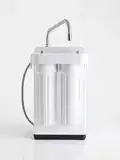
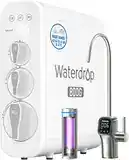
Under-Sink Reverse Osmosis
The best single-point solution for drinking water. Removes lead, PFAS, fluoride, nitrates, arsenic, microplastics, and virtually all dissolved contaminants. Ideal for most households prioritizing drinking water safety over whole-home treatment.
Cost: $150-500 | Removes: 95-99% of contaminants
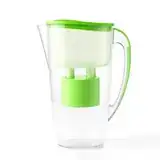
Pitcher Filters
The most affordable and accessible option. Advanced pitchers from brands like Clearly Filtered and ZeroWater remove lead and many contaminants. Best for renters, apartments, and budget-conscious households. Limited by slow filtering speed and smaller capacity.
Cost: $25-80 | Removes: Varies widely by model
Not sure which type is right for you? Our water filter buying guide walks you through the decision process step by step, or explore cost comparisons to find the best value for your budget.
Frequently Asked Questions
Recommended Products
Explore Our Top Picks
Water Quality Science and Consumer Protection
The science of water treatment has evolved dramatically over the past two decades, driven by advances in analytical chemistry that can now detect contaminants at parts-per-trillion concentrations. This detection capability has revealed the presence of thousands of previously unidentified compounds in municipal water supplies, including pharmaceutical residues, endocrine-disrupting chemicals, microplastics, and per- and polyfluoroalkyl substances (PFAS). The EPA currently regulates 90 contaminants under the Safe Drinking Water Act, but the Environmental Working Group has documented over 300 additional pollutants in US tap water that have no legal limits.
Understanding the distinction between regulated and unregulated contaminants is essential for making informed filtration decisions. Regulated contaminants have Maximum Contaminant Levels (MCLs) that public water systems must meet, enforced through mandatory testing and public reporting via annual Consumer Confidence Reports. Unregulated contaminants, despite being detected in water supplies, have no enforceable limits, meaning your water utility is not required to treat for or even report their presence. This regulatory gap means that water meeting all federal standards may still contain compounds of health concern at levels that research suggests could pose long-term risks.
The health economics of water filtration present a compelling case for proactive treatment. A 2023 analysis by the Water Quality Research Foundation estimated that the lifetime healthcare cost savings from removing lead exposure alone average $5,600 per child. When factoring in reduced cancer risk from PFAS and disinfection byproduct removal, improved developmental outcomes from reducing prenatal contaminant exposure, and decreased gastrointestinal illness from pathogen removal, the total health-economic benefit of comprehensive home water filtration ranges from $8,000 to $25,000 per household over a 20-year period. These savings dwarf the $2,000-5,000 total cost of purchasing and maintaining a quality filtration system over the same timeframe.
Related Articles
Top-rated Lead Removal Filters
NSF-certified filters proven to remove lead
Best PFAS Removal Filters
Filters certified to remove forever chemicals
Best Budget Water Filters
Affordable filters under $50 that actually work
Best Emergency Water Filters
Reliable filters for disaster preparedness
Our picks for Hard Water Filters
Top filters for calcium and magnesium removal
Sulfur Smell Removal Guide
Eliminate rotten egg smell from your water