Overview
Reverse osmosis (RO) pushes pressurized water through a semipermeable membrane that blocks dissolved solids, heavy metals, fluoride, nitrates, PFAS, and most pharmaceuticals — producing drinking water that typically reads under 10 ppm TDS.
The Five-Stage RO Process Explained
A residential RO system runs water through five sequential stages: (1) sediment pre-filter (5 micron) traps sand and rust, (2) carbon block strips chlorine that would destroy the membrane, (3) the TFC membrane rejects 95–99% of dissolved solids, (4) a pressurized storage tank holds permeate for instant flow, and (5) a post-carbon polish removes any tank-related taste before water reaches the faucet.
Why Pressure Drives the Whole System
Osmotic pressure normally pulls water from low-TDS to high-TDS sides of a membrane. RO reverses this by applying mechanical pressure greater than the natural osmotic gradient. Residential systems need at least 40 PSI feed pressure to function; below that, you get poor production and higher TDS in the permeate. Booster pumps solve low-pressure homes (well water, top floors of apartments).
The Membrane: How It Actually Rejects Contaminants
Thin-film composite (TFC) membranes are layered polyamide films wound into a spiral cartridge. Pore size is roughly 0.0001 micron — small enough to block ions like sodium, calcium, and lead. Charged contaminants are also rejected by surface chemistry. Rejection rates: lead 99%, arsenic 95%, fluoride 90%, nitrates 85–95%, PFAS 95–99%, sodium 95%.
Wastewater: Why RO Sends Water to Drain
Concentrated rejected contaminants must be flushed out, otherwise the membrane fouls within weeks. Older systems waste 3–4 gallons per gallon produced; modern tankless systems waste only 1:1. The brine line connects to the kitchen drain via an air gap to prevent backflow contamination.
Tank vs Tankless: Two Architectures
Tank systems are slower-producing but cheaper and need no electricity. Tankless systems use internal pumps to deliver 400–800 GPD on demand, eliminate the storage tank footprint, and reduce wastewater — but they cost more and need a power outlet under the sink.
Maintenance Schedule That Keeps RO Performing
Pre-filters every 6–12 months, post-carbon yearly, membrane every 2–4 years. Sanitize the system annually with a food-grade RO sanitizer. Test permeate TDS quarterly with a handheld meter — when output TDS exceeds 10% of feed TDS, the membrane needs replacement.
Common Performance Problems and Fixes
Slow flow usually means a clogged pre-filter or low feed pressure. Cloudy water is normal for the first 24 hours after filter changes (air in lines). Bad taste often points to an exhausted post-carbon filter. Continuous drain flow indicates a stuck shutoff valve or empty tank bladder.
RO Systems to Compare
If you have decided RO suits your water, these under-sink systems show the two common layouts. Both add minerals back after the membrane. Open each deal for the current price.
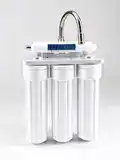
Aquasana OptimH2O Reverse Osmosis + Claryum
Aquasana OptimH2O Reverse Osmosis + Claryum
Pairs the RO membrane with Aquasana's Claryum carbon stage and a remineralizer. Check Aquasana's current performance data sheet for the exact contaminants it is certified to reduce.
Compare sizing, treatment options and ongoing costs in our best reverse osmosis systems guide.
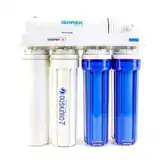
iSpring RCC7AK 6-Stage RO System
iSpring RCC7AK 6-Stage RO System
A classic tank-based six-stage layout: sediment and carbon prefilters, the membrane, a storage tank, a carbon polish and an alkaline mineral stage. Needs room for the tank and a drain connection, but no power.
Compare sizing, treatment options and ongoing costs in our best reverse osmosis systems guide.
Bottom Line
Reverse osmosis works because household pressure pushes water through a membrane that holds back most dissolved contaminants, while prefilters protect that membrane and a drain line carries the rejected water away. Before you buy, check your water pressure, cabinet space, drain access and the yearly cost of replacement filters, then compare models in our best reverse osmosis systems guide.
Related Resources
- Best RO systems
- 14 parts of an RO system
- How to flush an RO system
- Ideal TDS of RO water
- RO membrane replacement
- Tankless vs tank RO
- Best home water filters
- Best whole house filters
- Best water softeners
- Best well water filters
- Best water test kits
- Lead in water
- PFAS contamination
- Fluoride in water
- Chlorine in water
- How to choose a filter
- Local water quality