How to Test Your Water Quality at Home: The Complete DIY Guide
Test your city or well water the right way, without overspending on the wrong tests.
Choose the test before the filter
Home strips are a screening step; buy treatment only after you know what is in your water.
- City water: start with your utility's Consumer Confidence Report, then test for lead at the tap.
- Well water: use a certified lab for bacteria, nitrate and arsenic at least once a year.
- Retest after installing a filter to confirm it is reducing the contaminant you targeted.
Top Home Water Test Kits
Our top picks for every budget and testing need.
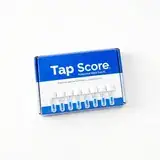
Tap Score Advanced City Water Test
Tap Score Advanced City Water Test
Certified Lab Kit
Our top pick because it uses EPA-certified lab analysis for 110+ contaminants and delivers the clearest, most actionable report.
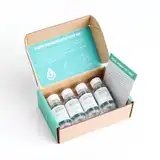
Safe Home Ultimate Drinking Water Test
Safe Home Ultimate Drinking Water Test
Lab Mail-In Kit
Best for well water because it covers 200+ contaminants including bacteria, heavy metals, and VOCs in one mail-in panel.
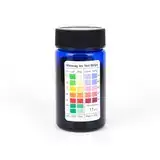
Health Metric 17-in-1 Test Strips
Health Metric 17-in-1 Test Strips
DIY Strips
Best DIY option for quick 17-parameter screening between annual lab tests.
Which Water Test Do You Need?
Start with cheap strips, then escalate to lab testing if anything looks off.
Start cheap, escalate to lab-grade when a red flag appears.
Why You Need to Test Your Water
City pipes and private wells can hide contaminants that utilities don't catch.
City utilities test at the treatment plant, but water can pick up contaminants from aging pipes on the way to your tap. The EPA estimates 6-10 million homes still have lead service lines. Private wells are unregulated, so you're fully responsible for catching agricultural runoff, bacteria, or natural contaminants like arsenic.
Start Here
A certified lab kit gives you the full picture before buying any filter.
Tap Score Advanced City Water Test
Tap Score Advanced City Water Test
Certified Lab Kit
Our top pick because it uses EPA-certified lab analysis for 110+ contaminants and delivers the clearest, most actionable report.
When to Test Immediately
- Water changes color, taste, or smell suddenly
- After flooding, earthquakes, or nearby construction
- Moving into a new home (especially pre-1986 construction)
- Pregnant, nursing, or preparing baby formula
- New well installation or well pump replacement
Free & Low-Cost Testing Options
- • Consumer Confidence Report (CCR): Free annual report from your utility.
- • Local health departments: Many offer free or low-cost well water testing.
- • Utility lead programs: Many water providers offer free lead test kits.
What to Test For: City Water vs Well Water
City users need lead and PFAS panels; well users need bacteria and metals.
City/Municipal Water
Priority Tests:
- • Lead (first-draw sample)
- • PFAS/forever chemicals
- • Disinfection byproducts (THMs, HAAs)
- • Chlorine/chloramine levels
- • Copper (if greenish stains present)
Secondary Tests:
- • Hardness (for appliance protection)
- • pH (corrosion indicator)
- • Microplastics
- • Pharmaceuticals/pesticides
Private Well Water
Annual Tests (Mandatory):
- • Total coliform bacteria & E. coli
- • Nitrates (especially near farms)
- • pH and total dissolved solids
- • Hardness and iron
| Water Source | Test | Frequency | Method |
|---|---|---|---|
| City Water | Lead (first-draw) | Every 2-3 years | Lab test |
| City Water | PFAS | Once (then monitor CCR) | Lab test |
| City Water | Chlorine/pH | Quarterly | Test strips or meter |
| Well Water | Bacteria & nitrates | Annually | Lab test |
| Well Water | Heavy metals & VOCs | Every 3-5 years | Lab test |
| Any (with filter) | Post-filter verification | Annually | TDS meter + strips |
Best for City Water
Covers lead, PFAS, chlorine byproducts, and 110+ contaminants.
Tap Score Advanced City Water Test
Tap Score Advanced City Water Test
Certified Lab Kit
Our top pick because it uses EPA-certified lab analysis for 110+ contaminants and delivers the clearest, most actionable report.
Best for Well Water
Tests 200+ contaminants including bacteria, metals, and VOCs.
Safe Home Ultimate Drinking Water Test
Safe Home Ultimate Drinking Water Test
Lab Mail-In Kit
Best for well water because it covers 200+ contaminants including bacteria, heavy metals, and VOCs in one mail-in panel.
Water Testing Methods Compared
Test strips, digital meters, and certified labs each serve a different purpose.
Test Strips
- ✓ Results in 60 seconds
- ✓ No equipment needed
- ✓ Tests pH, chlorine, hardness, nitrates
- ✗ ±20-30% accuracy
- ✗ Can't detect PFAS, VOCs, bacteria
Best for: Quick screening, monitoring known issues
Digital Meters
- ✓ Precise TDS, pH, ORP readings
- ✓ Reusable (thousands of tests)
- ✓ Great for filter monitoring
- ✗ TDS doesn't identify specific contaminants
- ✗ Requires calibration
Best for: RO system monitoring, pH tracking
Lab Testing
- ✓ EPA-certified accuracy
- ✓ Tests 100+ contaminants
- ✓ Detects PFAS, VOCs, bacteria, metals
- ✗ Results take 5-10 business days
- ✗ Higher cost per test
Best for: Comprehensive safety assessment, well water
Our Pick for Quick Screening
Best for fast pH, chlorine, hardness, and lead checks.
Health Metric 17-in-1 Test Strips
Health Metric 17-in-1 Test Strips
DIY Strips
Best DIY option for quick 17-parameter screening between annual lab tests.
Our Pick for Lab Accuracy
Best for certified results on 110+ contaminants.
Tap Score Advanced City Water Test
Tap Score Advanced City Water Test
Certified Lab Kit
Our top pick because it uses EPA-certified lab analysis for 110+ contaminants and delivers the clearest, most actionable report.
Step-by-Step: How to Test Your Water at Home
Collect samples correctly, read results, and know when to call a pro.
Screen with Test Strips
Dip a 17-in-1 strip for 2-5 seconds, wait 60 seconds, then compare to the chart. Check pH (6.5-8.5), hardness, chlorine, nitrates, and lead. Test both first-draw and flushed water.
Recommended Test Strips
Quick 17-parameter screening for pH, chlorine, hardness, and lead.
Health Metric 17-in-1 Test Strips
Health Metric 17-in-1 Test Strips
DIY Strips
Best DIY option for quick 17-parameter screening between annual lab tests.
Use a Digital TDS/pH Meter for Precision
A TDS meter tracks RO membrane performance (output should be <50 ppm). A pH meter is more accurate than strips and helps spot lead leaching risk when pH drops below 6.5.
Order Lab Testing for Complete Analysis
For definitive results, use a certified mail-in lab. Tap Score ships collection vials to your door; you return samples and get detailed results in 7-10 days. Well water users should choose a comprehensive panel.
Recommended Lab Test
EPA-certified analysis for 110+ contaminants with results in 7-10 days.
Tap Score Advanced City Water Test
Tap Score Advanced City Water Test
Certified Lab Kit
Our top pick because it uses EPA-certified lab analysis for 110+ contaminants and delivers the clearest, most actionable report.
Common Water Testing Mistakes to Avoid
Expired strips, wrong sampling, and TDS-only testing give misleading results.
Running the tap before a first-draw sample
For lead testing, collect water that has sat in your pipes for 6+ hours. Running the tap first flushes out lead and gives falsely low results.
Using expired test strips
Reagents degrade over time. Check expiration dates and store strips in cool, dry conditions.
Testing only one tap
Lead levels vary between taps. Test the kitchen cold tap and at least one other for comparison.
Relying solely on TDS meters for safety
A low TDS reading doesn't mean safe water. Bacteria and arsenic can be present with no TDS change.
Not testing after installing a filter
Verify your filter works by testing before and after. Post-filter testing confirms performance.
Understanding Your Test Results
Compare your numbers to EPA limits and health goals, not just legal standards.
Raw numbers mean nothing without context. Here's how to interpret the most common water quality parameters and what action to take based on your results.
| Parameter | EPA Limit | Ideal Range | Action if Exceeded |
|---|---|---|---|
| Lead | 15 ppb (action level) | 0 ppb | Install certified filter immediately |
| Nitrates | 10 ppm | <5 ppm | RO system; identify contamination source |
| Total Coliform | 0 (absent) | 0 | Shock chlorinate well; retest in 2 weeks |
| pH | 6.5-8.5 | 7.0-7.5 | Acid neutralizer or soda ash injection |
| Hardness | None (secondary: 250 ppm) | 60-120 ppm | Water softener |
| Iron | 0.3 ppm (secondary) | <0.1 ppm | Iron filter or oxidation system |
| Chlorine | 4 ppm (MRDL) | <1 ppm | Carbon filter at point of use |
| TDS | 500 ppm (secondary) | 50-300 ppm | RO system if elevated with contaminants |
| PFAS (total) | 4 ppt (2024 rule) | 0 ppt | NSF-certified RO or activated carbon |
| Arsenic | 10 ppb | 0 ppb | Specialized arsenic media or RO |
EPA Maximum Contaminant Levels (MCLs) are legal limits, not health goals. For carcinogens like lead and PFAS, the Maximum Contaminant Level Goal is zero. Choosing a filter based on health goals provides a greater margin of safety.
Contaminant Found? Match It to the Right Filter
Lead needs RO, hardness needs a softener, bacteria needs UV, and more.
Click any contaminant to see the full science and health impact, then jump to a filter proven to remove it.
| Contaminant Detected | Recommended Filter Type | Where to Compare |
|---|---|---|
| Lead | Reverse Osmosis (NSF 58) | iSpring RCC7AK RO |
| PFAS | RO or whole-house carbon | Aquasana Rhino |
| Chlorine / Chloramine | Pitcher or faucet filter | Aquasana Rhino |
| Nitrates | Reverse Osmosis | iSpring RCC7AK RO |
| Arsenic | RO + arsenic media | iSpring RCC7AK RO |
| Iron / Manganese | Whole-house oxidation | Iron filter comparison |
| Hardness (Ca / Mg) | Water Softener | Softener comparison |
| Coliform Bacteria | Whole-house + UV | Well UV comparison |
| Fluoride | Reverse Osmosis | iSpring RCC7AK RO |
| Microplastics | Under-sink carbon block | iSpring RCC7AK RO |
Renter or apartment?
Apartment-friendly filters — pitchers, faucet-mount, or countertop.
Multiple issues detected?
Pair a whole-house system with a point-of-use RO unit for full-spectrum protection.