Best Water Dispensers of November 2026
Hot and cold filtered water on demand. No plumbing required. From countertop to bottom loading systems, starting at $79.
Hot and cold filtered water on demand. No plumbing required. From countertop to bottom loading systems, starting at $79.
Quick Comparison: Top Water Dispensers
Compare the top five side by side
| Ranking | Price | Bottle Type | Temperatures | Key Feature | |
|---|---|---|---|---|---|
#1 Aquasana Clean Water Machine Countertop Filter Gravity Claryum | $199.99 | Countertop | Room temp | No-install filtration | |
#2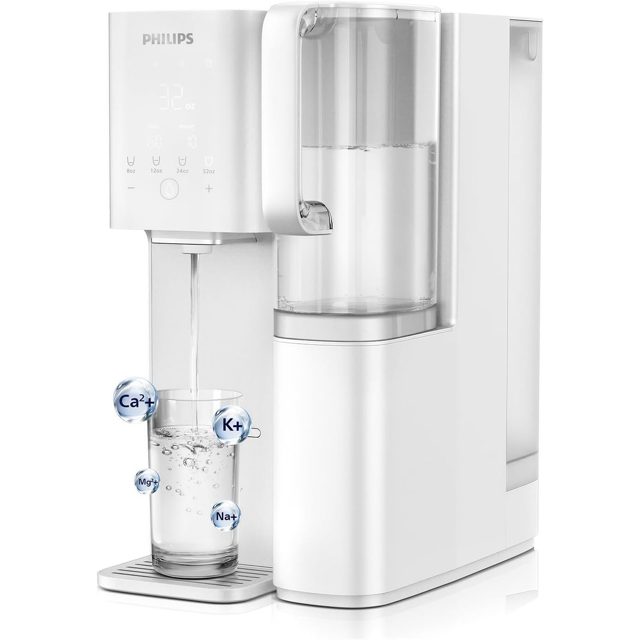 Philips Countertop Reverse Osmosis Water Filter 6-stage RO | Check price | Countertop | See listing | 6-stage RO + TDS display | |
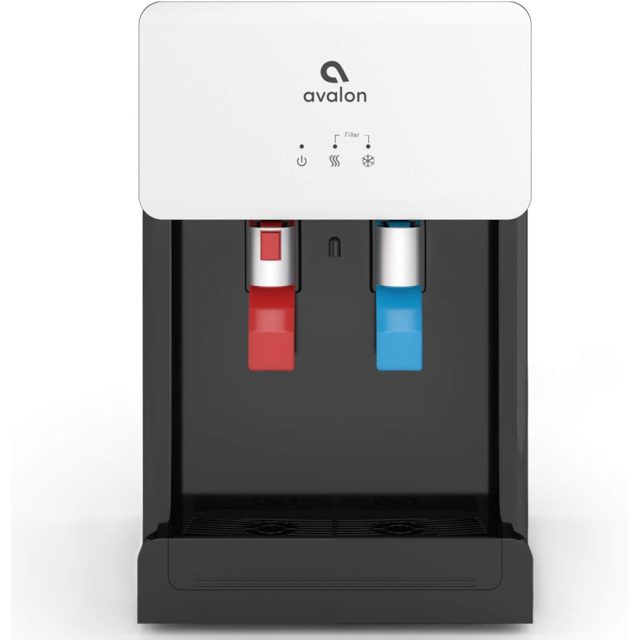
| #3 Avalon B8WHT Countertop Bottleless Water Cooler Sediment + carbon block | Check price | Bottleless (plumbed) | Hot & cold | Sediment + carbon filters | |
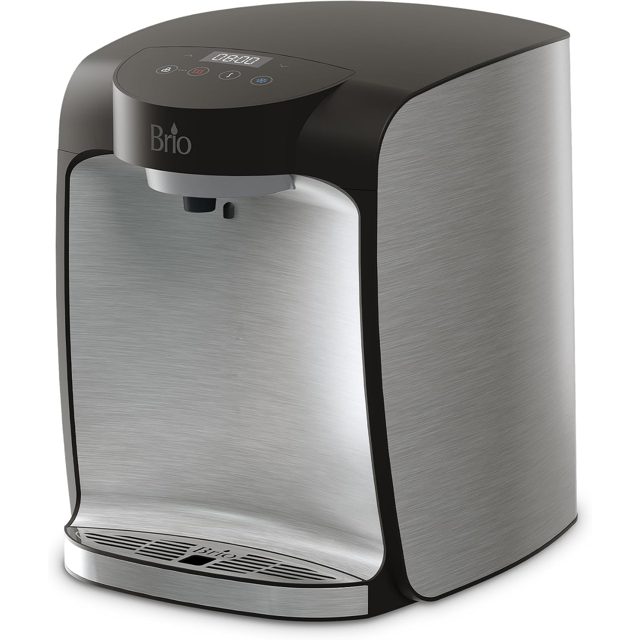
| #4 Brio 800 Series Countertop Bottleless Water Cooler 2-stage filtration | Check price | Bottleless (plumbed) | Hot, cold & room | Hot water self-clean | |
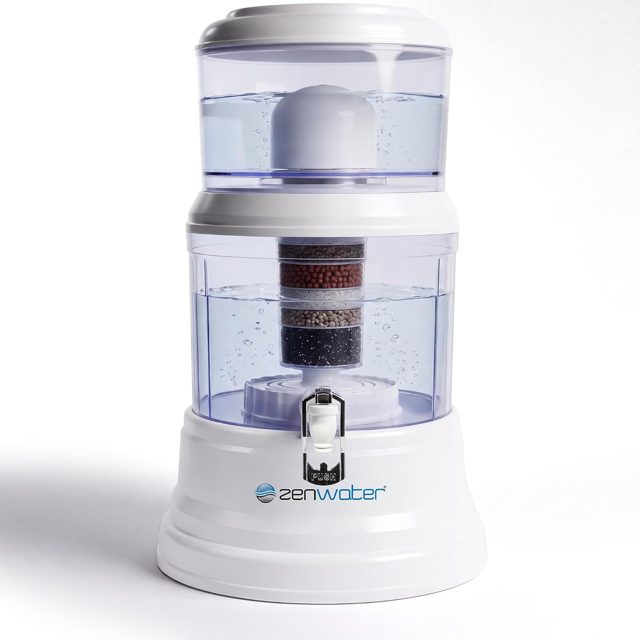
| #5 ZenWater 4-Gallon Countertop Gravity Filter Ceramic + mineral stones | Check price | Countertop | Room temp | No power gravity filter |
Prices checked on Nov 19, 2026. Amazon prices change often, so confirm the price on the listing.
Detailed Reviews & Analysis
What each dispenser does well, and where it falls short
Clean Water Machine Countertop Filter
Aquasana
Best For:
Renters who want filtered water in big batches with no plumbing, power or bottles.
Aquasana
Clean Water Machine Countertop Filter
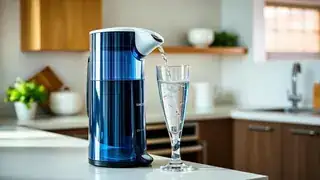
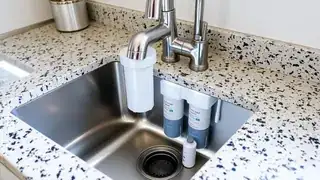
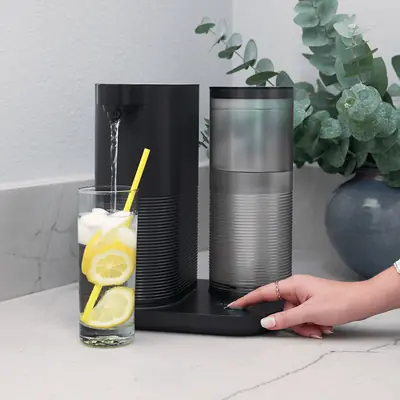
Our top countertop pick. A gravity fed Claryum dispenser you fill from the tap, with no plumbing or power. Aquasana lists reduction of lead, PFAS and microplastics.
Gravity Claryum
See listing
Pros
- No install or power
- Large batch dispenser
- Lead and PFAS reduction listed
Cons
- You refill it by hand
- Takes counter space
- Not reverse osmosis
Price
Countertop Reverse Osmosis Water Filter
Philips
Best For:
Renters who want reverse osmosis water from a countertop dispenser with no installation.
Philips
Countertop Reverse Osmosis Water Filter
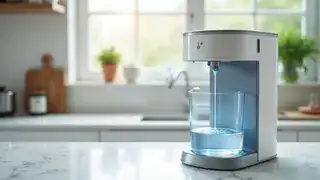
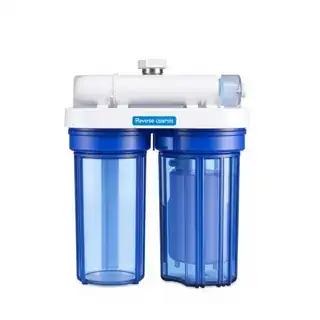
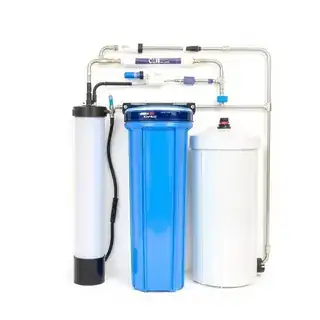
A plug-in countertop RO dispenser with a 1.59 gallon tap water tank and a 0.48 gallon filtered jug. Philips lists six stage reverse osmosis with Aquaporin membrane technology, a remineralization stage and a real time TDS display.
6-stage RO
1.59 gal tank
Pros
- Reverse osmosis, no install
- TDS display
- Portable filtered jug
Cons
- Needs power
- You refill the tank
- Takes counter space
Price
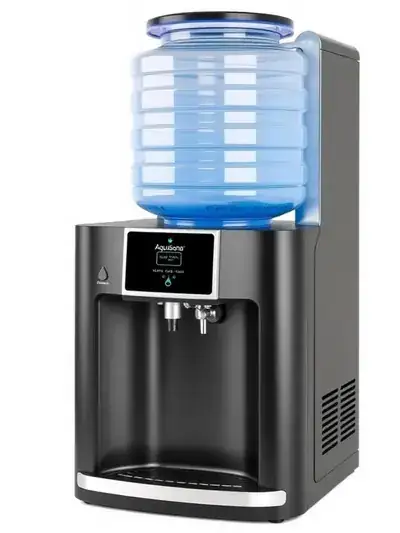
B8WHT Countertop Bottleless Water Cooler
Avalon
Best For:
Kitchens and offices that want hot and cold filtered water on tap with no bottles to carry.
Avalon
B8WHT Countertop Bottleless Water Cooler
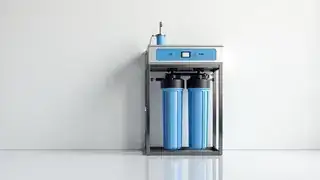
A countertop cooler that connects to your water line with the included kit (20 feet of 1/4 inch tubing and an under sink adapter with shut off). Sediment and carbon block filters treat the water, and the hot spout has a child safety lock.
Sediment + carbon block
Unlimited (plumbed)
Pros
- No bottles to buy
- Hot and cold spouts
- Install kit included
Cons
- Needs a water line and power
- Filters are not RO
- Install takes some time
Price
800 Series Countertop Bottleless Water Cooler
Brio
Best For:
Busy households filling big bottles and pitchers who want three temperatures on tap.
Brio
800 Series Countertop Bottleless Water Cooler
A bottleless countertop cooler with two stage filtration for sediment and chlorine, an 11 inch dispense height and a larger valve that Brio says fills twice as fast. A hot water cycle cleans the reservoirs at the push of a button.
2-stage filtration
Unlimited (plumbed)
Pros
- Hot, cold and room temp
- Tall 11" dispense area
- Self-cleaning hot cycle
Cons
- Needs a water line and power
- Filters are not RO
- Larger footprint
Price
4-Gallon Countertop Gravity Filter
ZenWater
Best For:
Budget buyers who want a big countertop crock that filters by gravity, no power or plumbing.
ZenWater
4-Gallon Countertop Gravity Filter
A 4 gallon gravity crock with a ceramic filter and mineral stones that ZenWater lists as purifying up to 500 gallons, with a spigot and no power or plumbing.
Ceramic + mineral stones
4 gallons
Pros
- Large 4 gallon size
- No power
- Up to 500 gallons listed
Cons
- Slow gravity filtering
- Takes counter space
- Adds minerals, does not remove TDS
Price
- Start drinking clean water today.

- Better Health
- Enhanced Focus
- Healthier Skin
- Better Taste
- Better Coffee & Tea
- Less Plastic Waste
- Longer Appliance Life
Complete Guide to Water Dispensers
Four quick calls decide the right dispenser: bottle vs. bottleless, hot/cold tank quality, real yearly cost, and how much cleaning you'll actually do. If you only need filtered water at one tap, a countertop filter or under-sink filter usually beats a dispenser on cost per gallon.
Pick a Dispenser by Your Setup
Got a cold-water line within 20 ft? Go bottleless. Otherwise, bottom-loading wins on ergonomics.
Top-Loading ($80–$150)
Cheapest, simplest, and the most common, but you're lifting 42-lb jugs overhead.
Best for: Single users, budget buyers, anyone who can comfortably hoist a 5-gal bottle.
Skip if: Elderly user, back issues, or you hate visible jugs on top.
Match dedicated treatment to your water test and available flow; general filtration, softening and RO are not interchangeable. Compare well-water treatment options.
Bottom-Loading ($120–$250)
No overhead lifting, hidden bottle, more stable, the ergonomic default.
Best for: Offices, multi-person households, elderly users, anyone tired of lifting.
Skip if: You want to see exact water level at a glance or your budget is under $120.
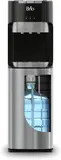
Brio Bottom-Loading Dispenser
Brio Bottom-Loading Dispenser
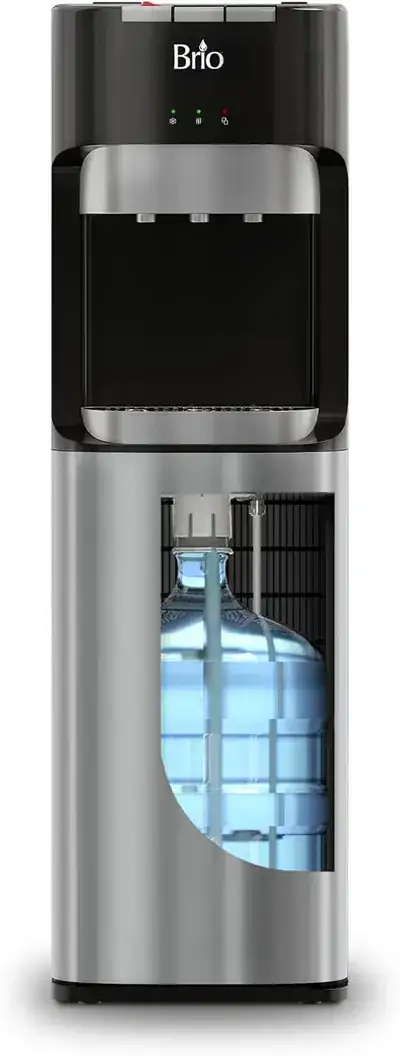
No-lift loading, tri-temp, child-safety lock, best ergonomic pick for offices and families.
Bottom-loading is the only ergonomic answer for offices and multi-person households, no 42-lb overhead lift, no spill risk. The Brio pairs that with a compressor-cooled cold tank, a locking hot spout for kids, and a hidden bottle bay that keeps the unit looking like furniture instead of an appliance.
Countertop ($30–$130)
Compact, portable, perfect for dorms, RVs, and tight kitchens.
Best for: 1–2 people, apartments, dorms, RVs, secondary rooms.
Skip if: You need hot water on demand or you'd drain a 1-gal tank daily.
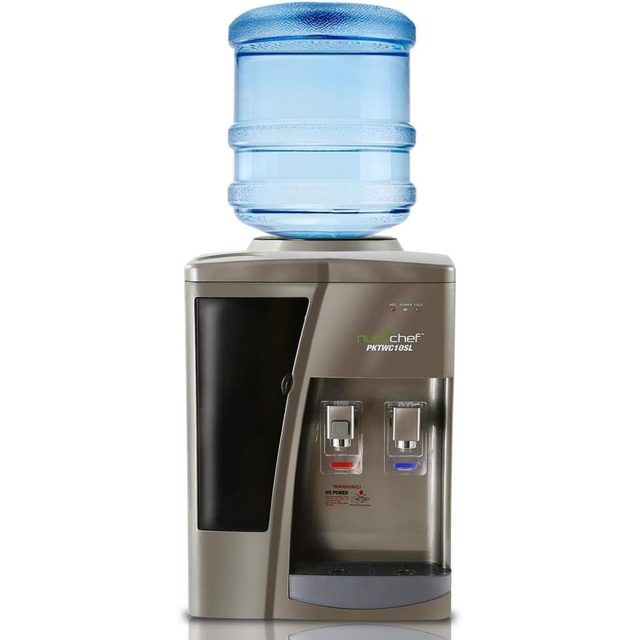
NutriChef Countertop Water Cooler Dispenser (PKTWC10SL)
NutriChef Countertop Water Cooler Dispenser (PKTWC10SL)
Tabletop hot-and-cold dispenser that takes a 3- or 5-gallon jug, with a child safety lock on the hot spout.
Countertop is the right form factor when floor space is the constraint: dorms, RVs, small apartments and secondary rooms. NutriChef lists cold water at 40–45°F and hot at 170–175°F from a tabletop unit that holds a 3- or 5-gallon jug. Measure the clearance under your cabinets with a jug on top before you order.
Bottleless / Self-Cleaning ($200–$500)
Plumbs into your cold-water line. No bottles, no delivery, UV-C handles sanitation.
Best for: Heavy daily use, no-bottle homes, immune-compromised users.
Skip if: No cold-water line within 20 ft or you rent without plumbing access.
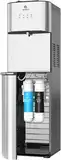
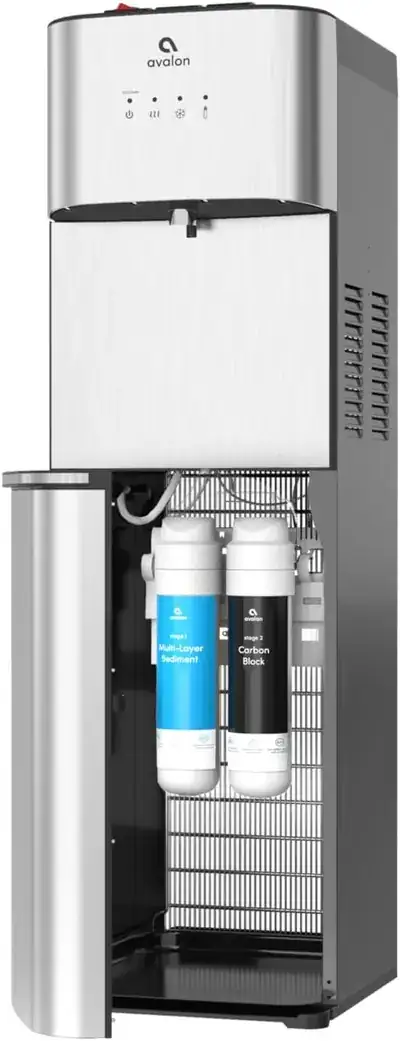
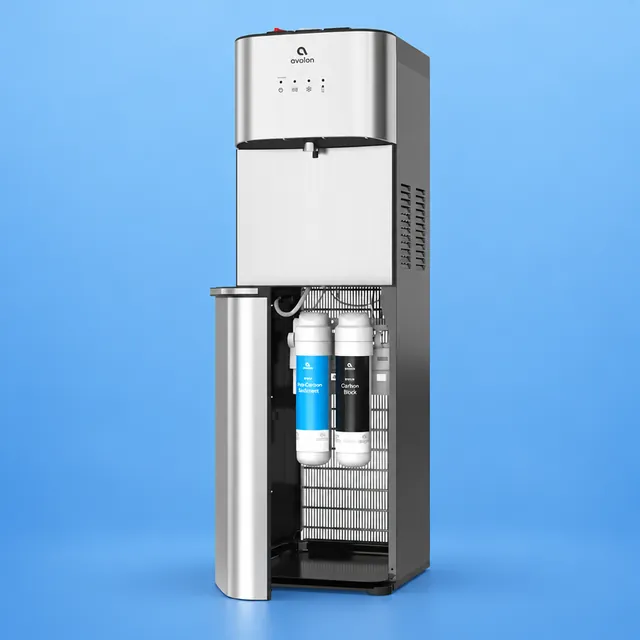
Avalon A5 Self-Cleaning Bottleless Water Cooler
Avalon A5 Self-Cleaning Bottleless Water Cooler
Self-cleaning bottleless cooler with hot, cool and cold water, plus a sediment filter and a carbon block filter.
Bottleless pays off most when the cooler also cleans itself. The Avalon A5 plumbs into your cold-water line, has a built-in self-cleaning feature, and filters through a sediment filter and a carbon block that Avalon rates for 6 months or 1,500 gallons. The install kit includes 20 feet of tubing and an under-sink adapter with a shut-off valve.
Specs That Actually Matter
Skip any unit that misses a child-safety lock, Energy Star rating, or a compressor cold tank.
Cold Water
35–50°F
Compressor cooling beats thermoelectric, recovers 2× faster.
Best for: Hot climates, families, offices
Hot Water
185–200°F
Tea needs 185°F+. Insist on a child-safety lock.
Best for: Tea, coffee, instant meals
Room Temp
Ambient
Default spout, zero electricity used.
Best for: Medication, cooking, formula
Maintenance
Wipe weekly, bleach every 6 weeks. Hate the chore? Get a UV-C self-cleaning model.
6-Week Deep Clean, One Card
- Unplug, drain all spigots, remove drip tray.
- Mix 1 tbsp unscented bleach per gallon of water.
- Pour into reservoir, soak 5–10 min, dispense fully out.
- Rinse 3× with fresh water through every spigot.
- Reinstall bottle, plug in, test hot/cold temps.
Avalon A5 Self-Cleaning Bottleless Water Cooler
Plumbs into your cold-water line and has a built-in self-cleaning feature, so there are no bottles to lift or swap.
Side-by-side 5-year total cost of ownership for the top water dispensers, power, bottles, filters, and delivery included.
Initial Investment
Note: Professional installation may add $100-$500 depending on system complexity.
Annual Operating Costs
Filter Replacements
Annual cartridge costs
Maintenance
Cleaning and upkeep
Water Usage
Minimal to none
Compare to $600+ per year for bottled water
5-Year Total Cost of Ownership
$949.99
$199.99 + $750 (5yr)
$NaN
$NaN + $750 (5yr)
$NaN
$NaN + $750 (5yr)
What a dispenser actually filters, what it doesn't, and when you should skip the dispenser and get an RO instead.
Most bottleless dispensers ship with a 2–3 stage carbon block filter. That handles chlorine, chloramine, taste, odor, sediment, and some VOCs. NSF/ANSI 42 covers aesthetics; NSF/ANSI 53 covers health contaminants like lead and cysts. Check the spec sheet, not the marketing. A dispenser treats only the water you pour into a glass; a whole house filter treats every tap, shower, and appliance at once.
A dispenser can handle:
- Chlorine, chloramine, taste and odor
- Sediment and rust particles
- Some VOCs and pesticides (carbon block)
- Lead — only if the model is NSF 53 certified for lead
Skip the dispenser and get an RO if you have:
- Fluoride, arsenic, nitrates, or PFAS
- High TDS (over ~500 ppm) or hard well water
- Any health-based violation on your local CCR
The three-way decision most buyers get wrong. Here's the break-even math in one screen.
Bottle delivery
$30–$50/mo, no upfront
Best if you use < 5 gal/week and hate maintenance. Worst per-gallon cost over time.
Self-refill at store
~$0.35/gal + your time
Cheapest cash cost. You're the delivery driver. Fine for 1–2 person homes near a refill station.
Bottleless (POU)
$400–$1,200 upfront
Break-even in 14–18 months vs. delivery. Best long-term cost, no lifting, no storage.
Quick rule of thumb
Use more than 10 gallons a week or have 3+ people? Bottleless wins every time. Under that, refill-yourself is the cheapest option if a station is on your commute.
Skip the deliberation — jump straight to the model that fits your household or workplace.
Leaks, weird taste, no cold water, error codes — the five issues that account for 90% of complaints, and how to fix them.
Water tastes musty or plasticky
Biofilm in the reservoir. Follow the 6-week deep-clean routine in the Maintenance section above, or bump cleaning to every 3 months if your model has UV-C.
Spigot leaks or drips
9 times out of 10 it's a worn silicone gasket inside the tap. Replacement kits are $5–$10 on Amazon and take 2 minutes with no tools.
No cold water / warm output
Compressor unit needs 4+ inches of clearance behind it for airflow. Check that first. If it hums but doesn't cool, the sealed system is failing — usually not worth repairing.
Hot tank stops heating
Reset button on the back panel (most models). If that fails, the thermostat is the cheapest fix (~$15). Heating element failures make repair uneconomical.
Error code E1/E2/E3
E1 = water level sensor, E2 = heating fault, E3 = cooling fault. Unplug for 5 min, refill, retry. If persistent, warranty claim before touching it yourself.
You've got water dispenser questions, we have answers.
Are water dispensers worth it?
Yes, if you use 2+ gallons daily. Dispensers cost $1,600-2,600 over 5 years vs $3,000-6,000 for bottled water. You get hot/cold water on-demand without installation. Not worth it if you have under-sink filter (cheaper long-term at $630-1,200/5 years).
How often should I clean my water dispenser?
Deep clean every 6 weeks with bleach solution (1 tablespoon per gallon). Wipe exterior weekly. Clean drip tray every 3-5 days. Self-cleaning models with UV need cleaning every 3 months instead of 6 weeks.
Top-loading vs bottom-loading: which is better?
Bottom-loading ($120-250) is better for ergonomics, no heavy lifting overhead. Top-loading ($80-150) is cheaper and simpler but requires lifting 42 lb bottles. For offices or elderly users, bottom-loading prevents injury. For budget-conscious buyers, top-loading works fine.
How much electricity does a water dispenser use?
Hot+cold models: 400-800W (costs $30-45/month). Cold-only: 70-100W ($5-8/month). Energy Star models use 30% less. To save money, turn off hot water at night or use cold-only dispenser.
Can I use tap water in a dispenser?
Only if your dispenser has built-in filtration. Standard dispensers are designed for pre-purified 5-gallon bottles. Using unfiltered tap water can cause bacteria growth, bad taste, and mineral buildup. If you want to use tap water, buy a bottleless dispenser with RO filtration instead.