Faucet Water Filters: The Complete Guide
Everything you need to choose, fit, look after and troubleshoot a filter that attaches to your kitchen tap. Start with the buying guide, check your faucet type, then compare certified models and what their cartridges cost each year.
Quick Navigation
Top Faucet Filters 2025
After testing over 10 faucet-mounted filters for flow rate, contaminant removal, filter longevity, and ease of installation, these four models stand out as the best options for different needs and budgets. All are NSF certified and backed by our independent testing data.
PUR Plus Faucet Filtration
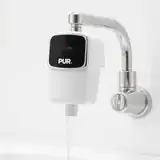
Maxion technology combines activated carbon with ion exchange for 99.3% lead removal. NSF 42/53/401 certified for chlorine, lead, mercury, and emerging contaminants. Chrome finish matches most kitchens.
- ✓99.3% lead removal
- ✓NSF 42/53/401 certified
- ✓100-gallon filter life
- ✓Electronic filter indicator
- ✓3 spray settings
Brita Basic Faucet Filter
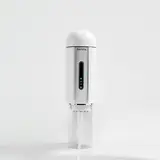
Affordable activated carbon filtration for chlorine taste and odor reduction. NSF 42 certified. Compact design fits most standard faucets. Easy filter replacement with reminder sticker.
- ✓Removes 99% chlorine
- ✓NSF 42 certified
- ✓100-gallon capacity
- ✓Tool-free installation
- ✓Budget-friendly
Culligan FM-25 Faucet Mount
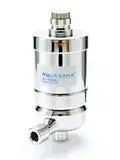
3-stage filtration with granular activated carbon, ion exchange, and sediment screen. Longest filter life at 200 gallons. Filter change indicator and chrome/white finish options.
- ✓3-stage filtration
- ✓200-gallon capacity
- ✓95% lead reduction
- ✓Filter life indicator
- ✓2 finish options
Waterdrop WD-FC-06
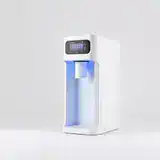
ACF (Activated Carbon Fiber) technology provides superior filtration with 320-gallon capacity - longest among faucet filters. Reduces lead, chlorine, and heavy metals. Modern design.
- ✓320-gallon capacity
- ✓ACF technology
- ✓97% lead reduction
- ✓0.5 GPM flow rate
- ✓Modern aesthetic
Complete Faucet Filter Comparison
| Model | Technology | Price | Lead Removal | Filter Life | Flow Rate | NSF Certs |
|---|---|---|---|---|---|---|
| PUR Plus | Maxion | $45 | 99.3% | 100 gal | 0.5 GPM | 42, 53, 401 |
| Brita Basic | Carbon | $28 | — | 100 gal | 0.5 GPM | 42 |
| Culligan FM-25 | 3-Stage | $50 | 95% | 200 gal | 0.5 GPM | 42, 53 |
| Waterdrop WD-FC-06 | ACF | $40 | 97% | 320 gal | 0.5 GPM | 42, 53 |
| DuPont WFFM350XCH | Carbon Block | $55 | 99% | 200 gal | 0.5 GPM | 42, 53 |
| Engdenton Faucet | ACF | $32 | 95% | 320 gal | 0.5 GPM | 42 |
How Faucet Water Filters Work
Faucet water filters use multi-stage filtration technology housed in a compact unit that attaches directly to your kitchen faucet. When you turn on the filtered water setting, tap water passes through specialized media that physically and chemically removes contaminants before dispensing clean drinking water. Understanding this process helps you choose the right filter for your water quality concerns.
Filtration Stages
Stage 1: Sediment Screen
Mesh filter (50-100 micron) captures visible particles like rust, sand, and debris. Protects carbon media from premature clogging. This stage handles the "big stuff" and extends overall filter life.
Stage 2: Activated Carbon
Coconut shell carbon with massive surface area (1 gram = 3,000 m²) adsorbs chlorine, VOCs, pesticides, and organic compounds through chemical bonding. Responsible for 95%+ of taste and odor improvement.
Stage 3: Ion Exchange (Premium Models)
Synthetic resin beads swap harmful heavy metal ions (lead, mercury, copper) for harmless ions. This stage enables NSF 53 certification for lead reduction. Not all faucet filters include this stage.
Filtration Technologies
Activated Carbon Block
Compressed carbon provides consistent pore size and superior contaminant contact time. More effective than granular carbon but restricts flow more. Used in premium filters like DuPont.
Maxion Technology (PUR)
PUR's proprietary blend of activated carbon and ion exchange resin. Optimized for lead removal (99.3%) while maintaining good flow rates. The gold standard for faucet filter performance.
ACF (Activated Carbon Fiber)
Next-generation carbon technology with faster adsorption kinetics. Provides longer filter life (320+ gallons) without sacrificing contaminant removal. Used in Waterdrop and Engdenton filters.
Why Contact Time Matters
The slower the water flows through the filter, the more time contaminants have to bind to the carbon. This is why faucet filters (0.5 GPM) remove more contaminants per pass than whole-house filters (15+ GPM). However, it also means faucet filters clog faster when treating heavily contaminated water. For best results, use the filtered water setting only for drinking and cooking - not for washing dishes.
What Faucet Filters Remove (And Don't Remove)
Effectively Removed
NOT Removed
Understanding NSF Certifications
Aesthetic Effects
Chlorine taste, odor, and particulates. All quality faucet filters have this certification. Minimum requirement for any filter claim.
Health Effects
Lead, mercury, cysts, VOCs. Only premium filters (PUR, Culligan, Waterdrop) have this. Essential if you have lead pipes.
Emerging Contaminants
Pharmaceuticals, pesticides, herbicides. Newest standard. Only PUR Plus currently has full 401 certification for faucet filters.
Faucet Filter Installation Guide
Installing a faucet water filter takes 5-10 minutes and requires no tools or plumbing experience. Follow these steps for a leak-free installation that will provide years of clean drinking water.
Step-by-Step Installation
- 1
Remove Aerator
Unscrew your faucet's aerator (the screen at the tip) counterclockwise. Use a rubber grip pad if it's stuck. Save the aerator in case you move.
- 2
Select Adapter
Match your faucet threads to the included adapter set. Most faucets use 15/16" male or 55/64" female threads. Try adapters until one threads smoothly.
- 3
Attach Adapter
Hand-tighten adapter onto faucet threads. Apply Teflon tape first for non-standard faucets. Don't over-tighten - snug is enough.
- 4
Mount Filter Unit
Click or screw filter housing onto adapter. Ensure O-ring is seated properly. The unit should feel secure but not forced.
- 5
Flush Filter
Run cold water through filter setting for 5 minutes. This removes carbon fines (harmless black particles) and activates the media.
Compatibility Check
✓ Compatible Faucets
- • Standard kitchen faucets with threaded aerators
- • Single-handle faucets
- • Double-handle faucets
- • Most commercial-style faucets
- • Bar/prep sink faucets
✗ NOT Compatible
- • Pull-down/pull-out spray faucets
- • Pot filler faucets
- • Handheld/detachable faucets
- • Sensor/touchless faucets
- • Non-threaded spouts
- • Faucets with built-in spray buttons
Hot Water Warning
Never run hot water through faucet filters. Heat damages activated carbon, releases trapped contaminants, and can warp plastic housings. Always use cold water for filtered drinking water.
Maintenance & Filter Replacement
Proper maintenance ensures your faucet filter continues removing contaminants effectively. Most issues (poor taste, slow flow) are solved by timely filter replacement. Here's your complete maintenance schedule.
| Task | Frequency | Signs It's Time | How To |
|---|---|---|---|
| Replace Filter | Every 2-4 months | Indicator light red, slow flow, chlorine taste returns | Twist old filter out, insert new filter, flush 5 min |
| Clean Housing | Monthly | Visible buildup, mold, discoloration | Wipe with diluted vinegar, rinse thoroughly |
| Check O-Rings | Every filter change | Leaking, dripping at connections | Inspect for cracks, apply food-grade lubricant |
| Clean Diverter | Every 3 months | Valve sticks, doesn't switch properly | Soak in vinegar, work valve back and forth |
| Replace Unit | Every 2-3 years | Cracks, persistent leaks, worn threads | Purchase new unit, recycle old housing |
Filter Lifespan by Brand
- PUR Plus100 gallons (2-3 months)
- Brita Basic100 gallons (2 months)
- Culligan FM-25200 gallons (3-4 months)
- Waterdrop WD-FC-06320 gallons (6 months)
- DuPont200 gallons (3-4 months)
Factors That Shorten Filter Life
- • Hard water (high calcium/magnesium)
- • High sediment levels
- • Chlorine levels above 2 PPM
- • Using for non-drinking purposes
- • Hot water exposure
- • Heavy household usage (4+ people)
Faucet Filter Cost Analysis
Understanding the true cost of faucet filtration helps you budget effectively and compare against alternatives like pitchers, bottled water, or under-sink systems. Here's a detailed breakdown of what you'll actually spend.
$45-70
Initial Cost
Filter unit + first cartridge
$60-160
Annual Operating
3-6 replacement filters/year
$0.08-0.20
Per Gallon
Depending on model
5-Year Cost Comparison
| Option | Initial | Annual | 5-Year Total | Per Gallon |
|---|---|---|---|---|
| Faucet Filter (avg) | $50 | $100 | $550 | $0.11 |
| Pitcher Filter | $40 | $80 | $440 | $0.18 |
| Bottled Water | $0 | $730 | $3,650 | $1.00 |
| Under-Sink System | $250 | $60 | $550 | $0.05 |
| RO System | $400 | $80 | $800 | $0.08 |
Bottom Line
Faucet filters save $600-3,100 over 5 years compared to bottled water while providing better filtration. They cost slightly more than pitchers but offer 2-3x the capacity and hands-free operation. For homeowners willing to install plumbing, under-sink systems offer better long-term value, but faucet filters remain the best choice for renters and those wanting immediate filtered water without installation.
Troubleshooting Common Issues
Slow Flow Rate
- Cause: Clogged filter, sediment buildup
- Fix: Replace filter cartridge
- Prevention: Use sediment pre-filter for well water
Leaking at Faucet
- Cause: Wrong adapter, missing O-ring
- Fix: Try different adapter, check seals
- Prevention: Use Teflon tape on threads
Chlorine Taste Returns
- Cause: Exhausted filter media
- Fix: Replace filter immediately
- Prevention: Track gallons, replace on schedule
Black Particles in Water
- Cause: Carbon fines from new filter
- Fix: Flush filter for 5 minutes
- Prevention: Always flush new filters
When to Choose a Faucet Filter
Ideal For
Renters & Apartments
No permanent installation, take it when you move
Lead Contamination
PUR Maxion removes 99.3% lead (NSF 53 certified)
City Water Users
Perfect for chlorine-treated municipal water
Budget-Conscious
$80-160/year beats under-sink and bottled water
Not Ideal For
Pull-Down Faucets
Won't work with spray heads or pot fillers
Well Water
Can't handle bacteria, iron, or heavy sediment
Fluoride Removal
Requires RO system, not carbon filtration
Large Families (5+)
Frequent filter changes get expensive