Quick Comparison: Top Home Water Filters
Compare the top five side by side — or jump to all product comparisons.
| Product | Type | Price | Flow Rate | Certifications | Filter Life | Warranty | |
|---|---|---|---|---|---|---|---|
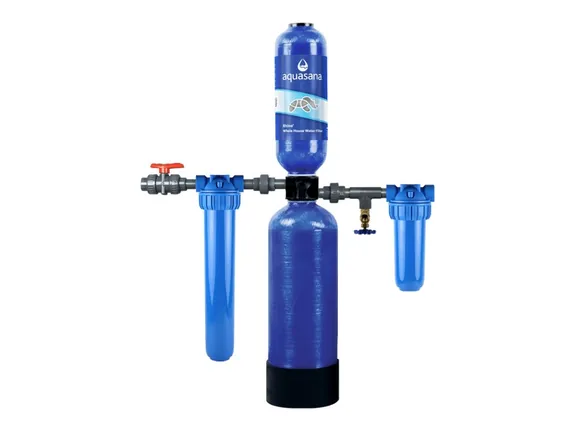
Best Overall | Whole House | $999 | See listing | NSF/ANSI 42 (listed) | 1M gal / 10 years | 10 years | |
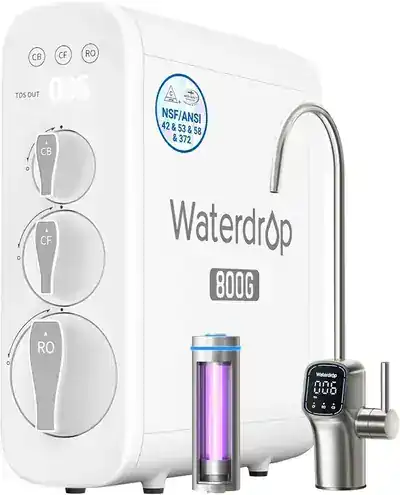
Best RO 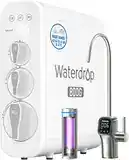 G3P800 Tankless RO System Waterdrop | Reverse Osmosis | $849 | 800 GPD | NSF/ANSI 42, 53, 58, 372 | See listing | See listing | |
Best Softener 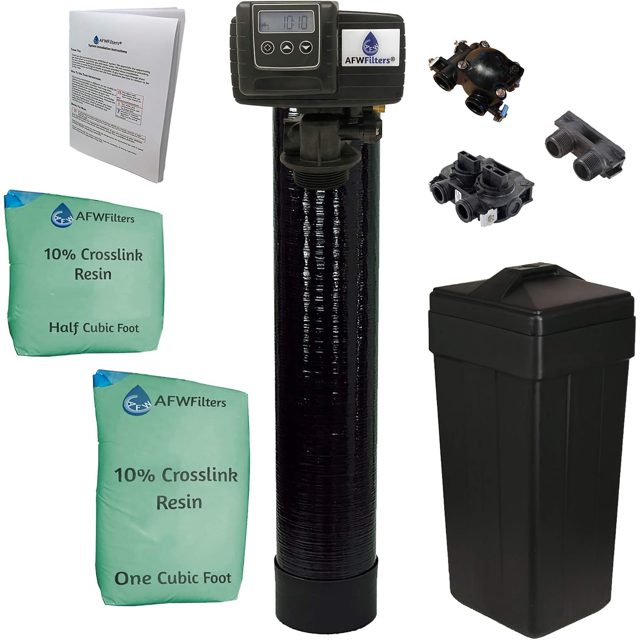 Fleck 5600SXT 48,000 Grain Softener AFWFilters | Water Softener | $805 | See listing | See listing | Resin lasts years | See listing | |
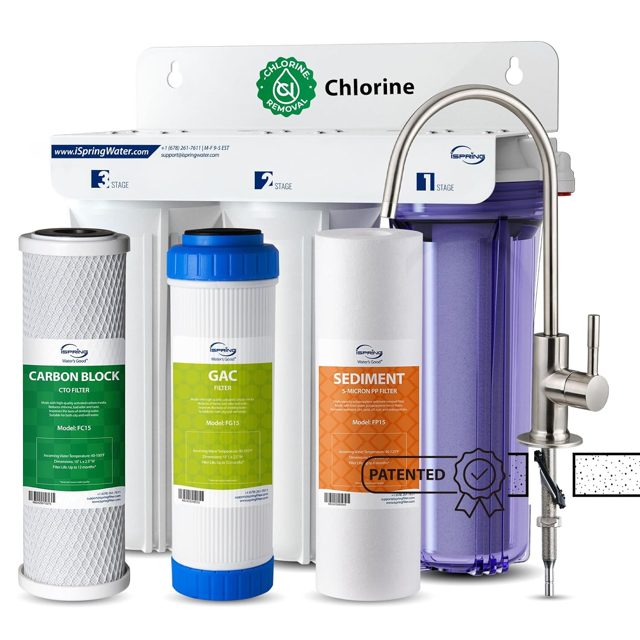
Best Under-Sink | Under-Sink | $97 | See listing | NSF/ANSI certified filters | About 12 months | 1 year | |
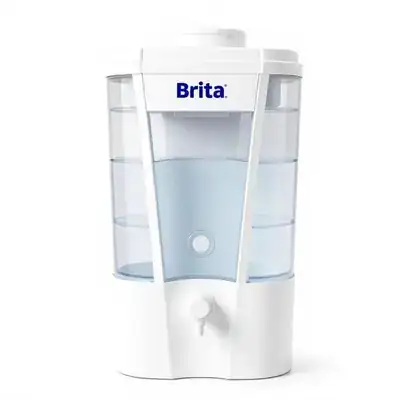
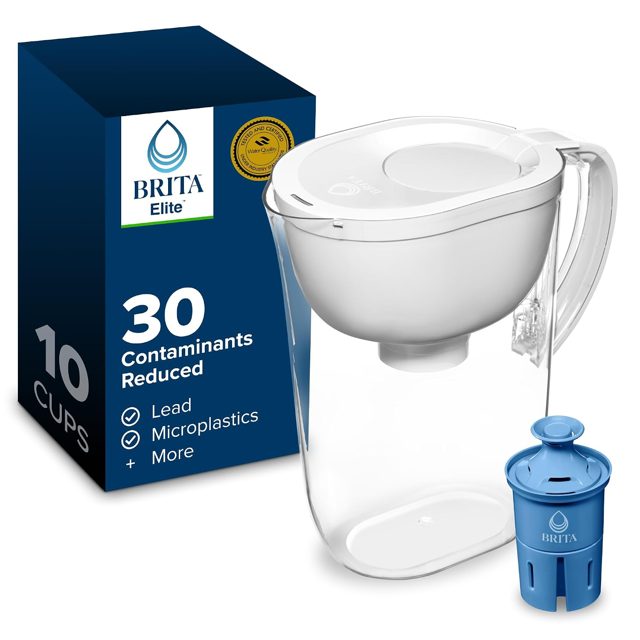
Best Pitcher | Pitcher | $31.44 | Gravity fed | WQA to NSF/ANSI (listed) | About 6 months | See listing |
Prices checked on Nov 19, 2026. Amazon prices change often, so confirm the price on the listing.
Detailed Reviews & Analysis
What each top pick does well — see our full review library.
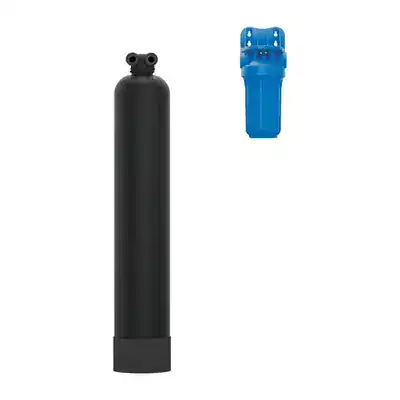
Rhino Whole House Water Filter (WH-1000)
Aquasana
Best For:
City water homes wanting simple, long life chlorine and sediment reduction at every tap for under $1,000.
Our top pick for city water. A carbon and KDF tank with pre and post filters, rated for 1 million gallons or 10 years. It needs no electricity, drain line or backflushing, and the kit includes the valves and fittings for a 3/4 or 1 inch main line.
Carbon + KDF tank
See listing
1M gal / 10 years
1M gal / 10 years
Pros
- Rated 1M gallons or 10 years
- No power, drain or backflushing
- Install kit for 3/4" or 1" lines
Cons
- Not designed to reduce hardness or TDS
- Not built for well bacteria
- Bulky tank needs floor space
Price
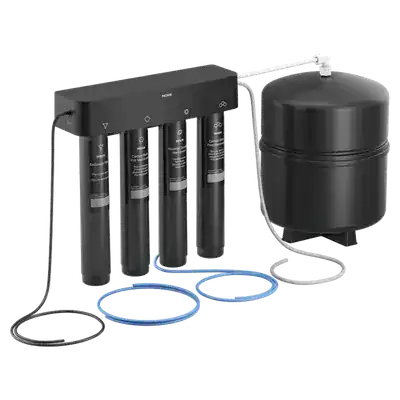
G3P800 Tankless RO System
Waterdrop
Best For:
Large families who want 800 GPD tankless output and a smart faucet that shows TDS.
A tankless 800 gallon per day RO system with a 3:1 pure to drain ratio and a smart faucet that shows TDS and filter life. Waterdrop lists IAPMO certification to NSF/ANSI 42, 53, 58 and 372.
Tankless RO
800 GPD
800 GPD
See listing
10-Stage
Pros
- 800 GPD tankless
- 3:1 pure to drain
- TDS display faucet
Cons
- Highest price here
- Needs power
- Proprietary filters
Price
Fleck 5600SXT 48,000 Grain Softener
AFWFilters
Best For:
DIY minded homeowners who want the widely used Fleck 5600SXT metered valve on a mid-size softener.
A 1.5 cubic foot softener with 10% crosslink resin, which AFWFilters lists as holding up better to chlorine. It comes with the Fleck 5600SXT valve, a 14 x 36 inch brine tank, bypass and 1 inch fittings.
Salt-based ion exchange
See listing
1.5 cu ft resin
Resin lasts years
48,000
Pros
- Fleck 5600SXT metered valve
- 10% crosslink resin
- Bypass and fittings included
Cons
- You program and install it yourself
- Uses salt and needs a drain
- No filtration stage
Price
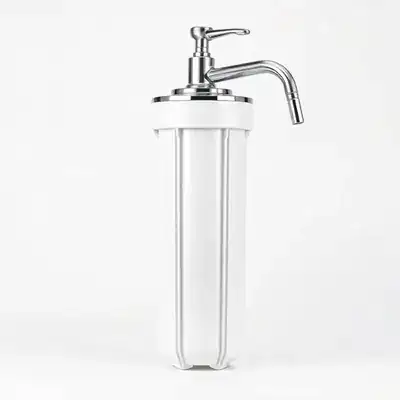
US31 3-Stage Under Sink Filter
iSpring
Best For:
Budget shoppers who want a dedicated filtered faucet and cheap standard size cartridges.
iSpring
US31 3-Stage Under Sink Filter
Sediment, GAC and carbon block cartridges in standard 2.5 x 10 inch housings, with a brushed nickel faucet and a clear first housing so you can see when it needs changing. iSpring rates it for 10,000 gallons or about 12 months.
Sediment + GAC + carbon block
See listing
10,000 gal / 12 months
About 12 months
Pros
- Low price
- Standard 10" cartridges
- Clear first stage housing
Cons
- Needs a faucet hole
- Not reverse osmosis
- Three cartridges to change
Price
Large 10-Cup Elite Water Filter Pitcher
Brita
Best For:
Renters, dorms and anyone who wants better tasting water with zero installation.
Brita
Large 10-Cup Elite Water Filter Pitcher
A 10 cup pitcher with the Brita Elite filter, which Brita lists as reducing 99% of lead plus chlorine taste and odor, cadmium, mercury, benzene and asbestos. Filters are replaced about every 6 months, and an electronic indicator reminds you.
Gravity carbon (Elite filter)
Gravity fed
10 cups
About 6 months
Pros
- No installation
- Elite filter lasts about 6 months
- Filter change indicator
Cons
- Small batches
- Slow gravity filtering
- Does not remove fluoride or TDS
Price
- Start drinking clean water today.

- Better Health
- Enhanced Focus
- Healthier Skin
- Better Taste
- Better Coffee & Tea
- Less Plastic Waste
- Longer Appliance Life
Complete Filter Type Comparison Guide
Compare whole house, under-sink, RO, countertop, faucet, and pitcher filters to find the right fit for your home.
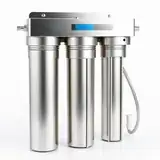
Filter Types Side-by-Side
Tap to expand each filter category — see our top pick, pros, cons, and best-fit household.
Whole House Water Filters
Comprehensive protection for your entire home
Whole house filters treat all water entering your home at the main water line. They protect appliances from sediment and scale, remove chlorine and chemicals, and provide filtered water at every tap. See our installation guide and cost breakdown.
Best For
- • Well water with sediment, iron, or sulfur
- • City water with chlorine taste/odor
- • Protecting appliances from scale and sediment
- • Improving water quality for bathing and laundry
Limitations
- • Won't remove dissolved solids or fluoride
- • Requires professional installation for most homeowners
- • Higher upfront cost ($500-$5,000)
- • Filter replacements can be expensive ($150-$300/year)
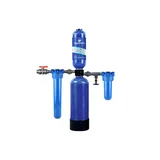
Aquasana Rhino Whole House Water Filter
Aquasana Rhino Whole House Water Filter
Whole-house chlorine filtration for city water; confirm whether your utility uses chlorine or chloramine before choosing.
Reverse Osmosis Systems
The gold standard for drinking water purity
RO systems use a semipermeable membrane to remove 95-99% of all dissolved solids, chemicals, heavy metals, and contaminants. They produce the purest drinking water possible from a home filtration system. Learn more in our comprehensive RO guide.
Best For
Limitations
- • Wastes 1-4 gallons per gallon produced (traditional)
- • Removes beneficial minerals (consider remineralization)
- • Requires adequate water pressure (40-60 PSI minimum)
- • More expensive filter replacements

iSpring RCC7AK 6-Stage RO System
iSpring RCC7AK 6-Stage RO System
Under-sink RO with remineralization for drinking water. Check installation space, inlet pressure and filter replacement costs.
Under-Sink Water Filters
Convenient filtered drinking water without RO
Under-sink filters use carbon filtration and sometimes ion exchange to remove chlorine, chemicals, and some heavy metals. They're a middle ground between pitcher filters and RO systems for drinking water.
Best For
- • City water that tastes like chlorine
- • Removing chlorine, chloramines, and VOCs
- • When you don't need RO-level filtration
- • Retaining beneficial minerals in water
Limitations
- • Won't remove fluoride or high levels of TDS
- • Less effective for heavy metals than RO
- • Requires under-sink space installation
- • Filter capacity lower than whole house systems
Countertop Water Filters
No installation required, portable filtration
Countertop filters sit on your counter and connect to your faucet. They offer better filtration than pitchers with no permanent installation required. Perfect for renters or those who want flexibility.
Best For
- • Renters who can't install permanent systems
- • Those who want better filtration than pitchers
- • RV, boat, or temporary living situations
- • Easy setup with no plumbing modifications
Limitations
- • Takes up valuable counter space
- • May not fit all faucet types
- • Slower flow rate than under-sink filters
- • Limited capacity compared to installed systems
Pitcher Water Filters
Most affordable and convenient option
Pitcher filters are the simplest and most affordable water filtration option. They use gravity-fed carbon filtration to improve taste and remove basic contaminants. Perfect for improving refrigerated drinking water and baby formula prep.
Best For
- • Budget-conscious consumers ($20-70)
- • Improving chlorine taste and odor
- • Small households or light water consumption
- • Zero installation, just pour and filter
Limitations
- • Limited contaminant removal vs other systems
- • Slow filtration (10+ minutes per refill)
- • Small capacity requires frequent refills
- • Highest cost per gallon of filtered water
Brita Elite (Longlast+)
120-gallon filter life • NSF-certified for lead • Fits most pitchers
Complete Buying Guide: How to Choose a Home Water Filter
A step-by-step framework for picking the right filter for your home and budget.
Step 1: Test Your Water
Before buying any filter, you need to know what's in your water. Different contaminants require different filtration technologies. Without testing, you might buy an expensive system that doesn't address your actual water quality issues.
City Water Users
Request your annual Consumer Confidence Report (CCR) from your water utility. This tells you what's in your municipal water supply. For concerns about your home's plumbing, order a home water test.
View Water Test KitsWell Water Users
Well water requires comprehensive testing. At minimum, test for bacteria, nitrates, pH, hardness, iron, and manganese. Annual testing is recommended, more frequently if you notice changes.
View Well Water TestsStep 2: Identify Your Primary Concerns
Based on your water test results and observations, determine your priority issues:
Step 3: Match Filter Type to Your Needs
For Comprehensive Whole-Home Protection
Choose a whole house filter if you have well water, want to protect appliances, or need filtered water at every tap for cooking, cleaning, and bathing. On a private well, start with our well water filter guide, and if hard water is the main problem, see our water softener picks. Prefer chilled water with no plumbing? Compare water dispensers. See our installation guide and compare top brands.
View Whole House Options →For Maximum Drinking Water Purity
Choose reverse osmosis if you have serious contaminants (lead, arsenic, fluoride, high TDS), want the purest possible drinking water, or need guaranteed removal of specific chemicals.
View RO Systems →For Convenient Drinking Water Improvement
Choose under-sink filters if your water tastes like chlorine but is otherwise safe, you want filtered drinking water without RO waste, or you don't need to remove fluoride or high TDS.
View Under-Sink Filters →For Budget-Friendly Basic Filtration
Choose pitcher filters if your water quality is generally good but tastes chlorinated, you have a small household, budget is a priority, or you're a renter who can't install permanent systems. Perfect for preparing baby formula too.
View Pitcher Filters →Step 4: Consider Your Budget & Total Cost of Ownership
Don't just look at the upfront price. Calculate the total 5-year cost including installation and filter replacements. Check our whole house cost breakdown and product comparisons for detailed pricing:
| Filter Type | Initial Cost | Annual Filters | 5-Year Total | Cost/Gallon |
|---|---|---|---|---|
| Pitcher Filter | $50 | $60 | $350 | $0.18 |
| Faucet Filter | $50 | $80 | $450 | $0.10 |
| Countertop Filter | $250 | $90 | $700 | $0.08 |
| Under-Sink Filter | $350 | $120 | $950 | $0.05 |
| RO System | $500 | $150 | $1,250 | $0.04 |
| Whole House Filter | $2,000 | $200 | $3,000 | $0.02 |
*Costs are averages. Your actual costs will vary based on brand, water usage, and water quality.
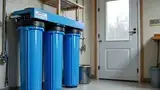
Installation Difficulty & Cost Comparison
DIY vs pro install, tools required, and true costs by filter type.
Understanding installation requirements helps you budget accurately and decide whether to DIY or hire a professional. Here's a detailed breakdown of what each filter type requires — for deeper walkthroughs see our whole house, RO, and under-sink installation guides.
Easy DIY Installation
No tools required • Zero plumbing modifications
Water Filter Pitchers
Pour water, wait, drink
Countertop Filters
Attach diverter valve to faucet
Moderate DIY Installation
Basic tools required • Some plumbing knowledge helpful
Faucet-Mounted Filters
Screw onto existing faucet
Under-Sink Filters
Connect to cold water line • See our installation guide
Reverse Osmosis Systems
Multi-stage under-sink installation • See our RO installation guide
Professional Installation Recommended
Advanced plumbing • Permits may be required
Whole House Water Filters
Install at main water line entry
Water Softeners
Requires drainage and electrical
Should You DIY or Hire a Professional?
Choose DIY If...
- Installing pitcher, faucet, or countertop filters
- You have basic tool skills and can follow instructions
- Installing under-sink filter with shutoff valves accessible
- You have 2-3 hours for RO system and feel confident
- Budget is tight and manufacturer offers good support
Hire Professional If...
- Installing whole house filter or water softener
- You're uncomfortable working with plumbing
- System requires cutting into main water line
- Local codes require licensed plumber
- Want warranty protection and professional guarantee
Money-Saving Tip
For under-sink and RO systems, consider this hybrid approach: Purchase the system yourself online (often 20-40% cheaper than through plumbers), then hire a plumber for 1-2 hours just for the installation. This can save $100-300 compared to buying through the installer. Learn more in our cost guide.

Common Water Contaminants & What Removes Them
Match each contaminant to the filtration technology that actually removes it.
Chlorine & Chloramines
Found in: Municipal water (used for disinfection). Common in cities like New York and Los Angeles.
Health concerns: Generally safe but causes taste/odor issues, may create disinfection byproducts
Best removal: Carbon filters (99%+), RO systems
Learn More →Lead
Found in: Old pipes, brass fixtures, solder. Major concern in cities like Flint, Michigan and Newark, NJ.
Health concerns: Neurotoxin, especially dangerous for children and babies
Best removal: RO systems (99%+), NSF 53 certified filters
Learn More →PFAS (Forever Chemicals)
Found in: Industrial sites, firefighting foam, contaminated groundwater. Widespread in Michigan and New Hampshire.
Health concerns: Linked to cancer, immune system issues, developmental problems
Best removal: RO systems (99%+), high-quality carbon filters with NSF 53
Learn More →Fluoride
Found in: Municipal water (added for dental health)
Health concerns: Debated; some prefer to avoid excessive fluoride exposure
Best removal: RO systems (95%+), activated alumina filters
Learn More →Arsenic
Found in: Well water, natural mineral deposits, agricultural runoff. Common in Arizona and New Mexico.
Health concerns: Carcinogen, linked to skin, lung, and bladder cancer
Best removal: RO systems (99%+), certified arsenic filters
Learn More →Hard Water Minerals
Found in: Well water and some municipal supplies. Major issue in Texas and Florida.
Health concerns: None, but causes scale buildup and soap scum
Best removal: Water softeners (ion exchange), salt-free conditioners
Learn More →
How Water Filtration Technologies Work
Carbon, RO, ion exchange, and UV — the science behind each technology.
Understanding the science behind different filtration technologies helps you choose the right system for your needs. Each technology targets specific contaminants using different physical and chemical processes — read our carbon filter guide and RO system guide for a deeper dive.
Activated Carbon Filtration
Reverse Osmosis (RO) Technology
Considerations
- • Removes beneficial minerals
- • Produces wastewater (1-4 gallons per gallon)
- • Slower flow rate than carbon filters
- • Requires adequate water pressure
- • More expensive to maintain
UV Sterilization Technology
What It Kills
- • 99.99% of bacteria (E. coli, Salmonella)
- • 99.99% of viruses (Hepatitis, Norovirus)
- • 99.99% of protozoa (Giardia, Cryptosporidium)
- • Mold spores & fungal organisms
- • Chemical-free disinfection
What It Doesn't Remove
- • Chemicals or VOCs
- • Heavy metals
- • Sediment or particles
- • Dissolved solids (TDS)
- • Taste or odor issues
- • Must be used with pre-filtration
Ion Exchange Technology
What It Removes
- • Hardness minerals (Calcium, Magnesium)
- • Lead, barium, radium
- • Iron & manganese
- • Some heavy metals
- • Nitrates (with specialized resin)
Considerations
- • Adds sodium to water
- • Requires salt for regeneration
- • Doesn't remove chemicals or VOCs
- • Not suitable for sodium-restricted diets
- • Regular maintenance needed
Which Technology Should You Choose?
Checked November 2026
What's changed in U.S. water rules, and what it means for your filter
PFAS ("forever chemicals")
- In April 2024 the EPA set the first enforceable national limits for PFAS in tap water, including 4 parts per trillion each for PFOA and PFOS.
- On May 18, 2026 the EPA proposed keeping the PFOA and PFOS limits but letting qualifying water systems take until April 26, 2031 to comply, two years later than the original April 2029 date.
- A second May 2026 proposal would remove the limits for PFHxS, PFNA, GenX and the PFAS mixture "hazard index." Both proposals closed for comment on July 20, 2026 and are not final yet.
Lead
- Under the EPA's Lead and Copper Rule Improvements, the lead action level for water systems drops from 15 to 10 parts per billion starting November 1, 2027.
- Most water systems must replace lead service lines within 10 years, and systems with repeated high lead results must offer customers lead-reducing filters.
Reading filter certifications
PFOA and PFOS reduction claims are certified under NSF/ANSI 53, or NSF/ANSI 58 for reverse osmosis. NSF/ANSI 401 covers other emerging contaminants, such as some medicines. Check the certified claim for the exact contaminant you care about, not just a logo on the box.
Sources: PFOA/PFOS deadline proposal, EPA PFAS rescission proposal, Lead and Copper Rule Improvements, EPA guide to PFAS-certified filters.
You've got home water filter questions, we have answers.
What is the best water filter for a home?
The best water filter depends on your specific needs. Whole house filters provide comprehensive protection for all water uses. Reverse osmosis systems deliver the purest drinking water. Under-sink filters offer a balance of convenience and performance. For most homes, we recommend starting with a whole house sediment and carbon filter combined with an under-sink RO system for drinking water.
How much does a home water filtration system cost?
Costs vary widely by system type: pitcher filters ($20-70), faucet filters ($20-80), countertop filters ($150-400), under-sink systems ($150-600), reverse osmosis systems ($200-800), and whole house filters ($500-5,000+). Installation adds $100-500 for point-of-use systems and $300-1,500 for whole house systems. Annual filter replacement costs range from $40-600 depending on the system.
Do I need a water filter if I have city water?
Yes, even city water benefits from filtration. While municipal water meets EPA standards, it can contain chlorine, chloramines, lead from old pipes, disinfection byproducts, and trace contaminants. A filter improves taste, removes chlorine, and provides an extra layer of protection against potential contaminants that pass through municipal treatment.
What's the difference between whole house and under-sink filters?
Whole house filters treat all water entering your home, protecting appliances, plumbing, and providing filtered water at every tap. They typically remove sediment, chlorine, and some chemicals. Under-sink filters focus on drinking water quality, often using multiple stages including reverse osmosis to remove a wider range of contaminants. Most homes benefit from both: whole house for general filtration and under-sink RO for drinking water.
How often do I need to replace water filters?
Replacement schedules vary by filter type: pitcher filters (2-3 months), faucet filters (3-6 months), refrigerator filters (6 months), under-sink carbon filters (6-12 months), RO membranes (2-3 years), whole house sediment filters (3-6 months), and whole house carbon filters (6-12 months). However, frequency depends on your water quality and usage. Test your water and monitor flow rate to determine optimal replacement timing.