Overview
A boil water advisory means your utility has found bacteria in the system, or a problem such as a main break or pressure loss that could let germs in. Most advisories are precautions, but following them closely is what keeps your household from getting sick. The steps below follow CDC and EPA guidance; your utility's notice always comes first.
What Triggers a Boil Water Advisory
Utilities issue boil water advisories for: positive coliform or E. coli detections in distribution sample testing, water main breaks that drop system pressure (allowing potential contamination ingress), pump or treatment plant failures, natural disasters (floods, earthquakes), and after pipe repairs that broke the seal of the system. Most advisories are precautionary — actual illness is rare when residents comply.
Step 1: Stop Drinking and Cooking with Tap Water Immediately
The moment you receive an advisory notification (text, robocall, news, social media), stop drinking, cooking with, brushing teeth with, and feeding pets with tap water. Discard any beverages or foods made within the last few hours. Switch to bottled water or boiled-and-cooled tap water for all consumption.
Step 2: How to Boil Water Properly
Fill a clean pot with tap water. Place on stove or heat source. Bring to a rolling boil — large bubbles continuously breaking the surface, not just simmer. Hold the rolling boil for 1 minute (3 minutes above 6,500 feet elevation). Remove from heat and let cool naturally to room temperature (do not add ice). Pour into clean covered storage containers.
Step 3: Sanitize What Touched Tap Water
Wash dishes by hand: hot soapy water wash, then 1-minute soak in a sanitizing solution of 1 tablespoon unscented bleach per gallon of cool water, then air-dry. Dishwashers reaching 150°F final rinse are safe. Discard ice from ice makers, drain and clean the bin, disconnect the ice maker line until advisory lifts.
Step 4: Special Rules for Vulnerable Populations
Infants under 12 months: use boiled water (cooled to body temperature) for formula, sponge baths, and any oral care. Immunocompromised people (chemotherapy, HIV, organ transplant): use only sealed bottled water during entire advisory plus 24 hours after lifting. Pregnant women: same as general population unless illness develops, then seek medical care.
Step 5: After the Advisory Ends
Your utility lifts the advisory once follow-up samples test clean. Once lifted, follow its flushing instructions. A typical routine is to flush all faucets cold for 5 minutes, drain a few gallons from the water heater, replace every water filter cartridge in your home (carbon, RO, refrigerator, pitcher), run dishwasher empty on sanitize cycle, run washing machine empty on hot, and discard any food prepared with tap water during the advisory.
Long-Term Preparation for Future Advisories
Keep an emergency water supply of 1 gallon per person per day for 3 days. Store sealed bottled water in cool, dark conditions (rotate every 2 years). If you want a filter for outages, choose one whose exact model is documented as a microbiological purifier, and check that claim on the certifier's listing rather than the box. Sign up for utility alerts via text or app to receive immediate notifications.
Bottom Line
Follow your utility's notice first. Boil water for one minute (three minutes above 6,500 feet) or use bottled water until the notice is lifted, throw away ice and anything made with unboiled tap water, and flush your plumbing and change filter cartridges afterward. An everyday home filter is not a substitute for boiling unless the exact unit is certified as a microbiological purifier.
Related Resources
After the Advisory Is Lifted
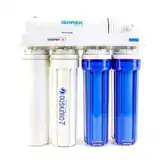
iSpring RCC7AK 6-Stage RO System
iSpring RCC7AK 6-Stage RO System
An under-sink RO system to compare for everyday drinking-water taste and dissolved contaminants once normal tap water is declared safe. It is not a replacement for boiling during an advisory, and its cartridges should be replaced if the maker or utility advises it after contamination.
Compare sizing, treatment options and ongoing costs in our best reverse osmosis systems guide.