10 Warning Signs You Need a Whole House Water Filter in 2026
Your water can look clear and still have problems. These ten signs point to issues a whole-house system can fix, and the simple tests that tell you which kind of system your home actually needs.
Signs 1-3: Taste and Odor Problems
Sign #1: Your Water Tastes or Smells Like Chlorine
If your tap water has a noticeable swimming-pool taste or smell, you're detecting chlorine or chloramine — the disinfectants that municipal water utilities add to kill bacteria during distribution. The EPA allows chlorine levels up to 4 ppm (parts per million), but most people can taste it at just 0.5-1 ppm. Chloramine, a more persistent disinfectant used by about 30% of U.S. water utilities, is even harder to remove and can cause a more subtle but persistent metallic taste.
While chlorine at EPA-regulated levels is considered safe for consumption, there are legitimate concerns about its byproducts. When chlorine reacts with organic matter in water, it creates trihalomethanes (THMs) and haloacetic acids (HAAs) —disinfection byproducts linked to increased cancer risk in long-term studies. The best whole house carbon filters remove 99%+ of chlorine and significantly reduce these byproducts from every tap in your home.
Sign #2: Your Water Smells Like Rotten Eggs
A rotten egg smell indicates hydrogen sulfide (H₂S) gas, most commonly found in well water but occasionally present in municipal supplies near industrial areas. At concentrations as low as 0.05 ppm, hydrogen sulfide produces a noticeable odor. At higher levels (1-5 ppm), it can tarnish silver, corrode copper plumbing, and create black stains on fixtures. While not typically dangerous in small amounts, it makes water extremely unpleasant to use.
The most effective treatment combines an oxidation stage (air injection or chlorine injection) with activated carbon filtration. Air-injection iron and sulfur filters, such as the SpringWell WS1, oxidize dissolved H₂S so the media can trap it and flush it away during backwash. Compare the maker's stated hydrogen sulfide, iron and manganese limits with your test results before you buy.
Sign #3: Your Water Has a Metallic or Bitter Taste
A metallic taste often indicates elevated levels of dissolved metals — iron, manganese, copper, or zinc — in your water. Iron above 0.3 ppm creates a distinctly metallic flavor and can leave rust-colored stains. Copper above 1.3 ppm (the EPA action level) produces a bitter, astringent taste and may indicate pipe corrosion. Manganese above 0.05 ppm adds a bitter, medicinal quality. These metals are common in both well water and older municipal systems with aging infrastructure.
If you notice a metallic taste, get a comprehensive water test to identify the specific metals present. Standard carbon filters can reduce some metals, but high concentrations of iron or manganese require specialized oxidation media. The best well water filters include dedicated iron removal stages for this purpose.
Signs 4-6: Visual Warning Signs
Sign #4: Your Water Is Yellow, Brown, or Orange
Discolored water is one of the most alarming signs — and one you should never ignore. Yellow or brown tints typically indicate dissolved iron or manganese. Concentrations as low as 0.3 ppm of iron can create visible discoloration. Orange or reddish-brown water usually means oxidized (ferric) iron particles. Milky or cloudy water often indicates air bubbles (harmless — let it sit and they'll clear) or fine sediment/clay particles that require mechanical filtration.
If discoloration appears suddenly in municipal water, it may indicate a water main break or flushing operation — contact your utility. If it's persistent, your home's pipes may be corroding internally. For well water, iron bacteria (Gallionella and Leptothrix species) can create slimy orange-brown deposits. In all cases, a whole house system with a sediment pre-filter and appropriate treatment media is the definitive solution. Read about brown well water causes and fixes for more detail.
Sign #5: You See Visible Particles or Sediment
If you can see particles floating in a glass of water, your water contains suspended solids — sand, silt, rust flakes, pipe scale, or other debris. This is more common in well water and older municipal systems. Even small amounts of sediment can damage appliances (especially tankless water heaters and dishwashers), clog aerators, and accelerate wear on washing machine valves. A 5-micron sediment pre-filter catches particles visible to the naked eye, while the main carbon filtration stage handles sub-micron particles that pass through.
Sign #6: Your Fixtures Have Stains or Scale Buildup
White, chalky deposits on faucets and showerheads indicate hard water scale (calcium carbonate). Green or blue-green stains indicate copper pipe corrosion in acidic water (pH below 6.5). Rust-colored stains indicate iron above 0.3 ppm. Black stains indicate manganese above 0.05 ppm. Each stain type points to a specific water quality issue that requires targeted treatment — which is why testing before purchasing is essential. Hard water scale requires awater softener, while staining from metals needs filtration. See our filter vs softener comparison.
Signs 7-8: Skin and Hair Issues
Sign #7: Dry, Itchy Skin After Showering
Chlorine and chloramine are powerful oxidizers — that's why they're effective disinfectants. But these same properties strip natural protective oils (sebum) from your skin during bathing. A typical 10-minute shower exposes your skin to roughly 25 gallons of chlorinated water, and studies show that dermal absorption of chlorine during a shower can equal or exceed the amount absorbed by drinking 2 liters of the same water. The result: dry, tight, itchy skin that worsens over time, particularly in winter when humidity is low.
For people with eczema, psoriasis, or sensitive skin conditions, chlorinated shower water can trigger flare-ups and significantly worsen symptoms. A 2019 study published in the Journal of Dermatological Treatment found that dechlorinated bathing water reduced eczema severity scores by 20-30% over an 8-week period. While ashower filter addresses this at a single fixture, a whole house filter provides chlorine-free water from every tap, including bathtubs, bathroom sinks, and kitchen faucets.
Sign #8: Dull, Brittle Hair and Color Fading
Chlorine damages hair by opening the cuticle layer, increasing porosity and making strands vulnerable to breakage. This effect is compounded by hard water minerals that deposit on hair shafts, creating a film that makes hair feel stiff, dry, and heavy. Color-treated hair fades 40-60% faster in chlorinated water because the open cuticle allows pigment molecules to escape more readily. A whole house filter eliminates chlorine from all water sources, preserving hair health and extending color treatment longevity — potentially saving $200-400 annually on salon visits.
Signs 9-10: Appliance Damage and Hidden Dangers
Sign #9: Frequent Appliance Repairs or Premature Failure
If your water heater needs flushing every 6 months, your dishwasher leaves film on glasses, your washing machine valves are corroding, or your refrigerator water filter clogs within weeks — these are signs that your raw water quality is damaging appliances. Scale buildup from hard water reduces water heater efficiency by 22-30%, shortens its lifespan from 12 years to 6-8 years, and increases energy consumption by $50-150 annually. Sediment and chlorine accelerate wear on all water-using appliances, from ice makers to humidifiers.
The economics are compelling: replacing a water heater costs $1,000-3,000, a dishwasher $400-1,200, and a washing machine $500-1,500. A whole house filter ($800-2,000 installed) that extends the life of all these appliances by 3-5 years pays for itself in prevented replacement costs alone — before considering energy savings and reduced maintenance. Think of it as insurance for your plumbing infrastructure.
Sign #10: Your Water Report Shows Elevated Contaminants
Even if your water looks, tastes, and smells fine, your annual Consumer Confidence Report may reveal concerning levels of regulated or unregulated contaminants. Common findings include: trihalomethanes (THMs) near the 80 ppb limit, haloacetic acids (HAAs) near the 60 ppb limit, PFAS "forever chemicals" (unregulated in many states), and lead from service lines. The EPA's health goals (MCLGs) are often significantly lower than the enforceable maximum levels (MCLs), meaning your water can be "in compliance" while still posing long-term health risks according to the EPA's own scientists.
Recommended Solutions Based on Your Warning Signs
The right system depends on which signs you are seeing and what your water test shows. Here are the three most common matches. Open each deal for the current price and check the sizing for your home.
Chlorine taste or smell on city water (signs 1, 7, 8)
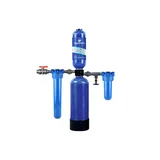
Aquasana Rhino Whole House Water Filter
Aquasana Rhino Whole House Water Filter
A whole-house carbon system for city water that reduces chlorine taste and smell at every tap, including showers. It is not a softener and is not designed for untreated well water.
Compare sizing, treatment options and ongoing costs in our best whole house water filters guide.
Scale, spots and hard water (signs 6 and 9)
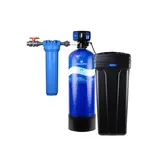
Aquasana SimplySoft 60,000 Grain Softener with LM Pre-Filter
Aquasana SimplySoft 60,000 Grain Softener with LM Pre-Filter
A salt-based softener that removes the calcium and magnesium behind scale, spots and poor lather. Pair it with a carbon filter if you also have chlorine taste.
Compare sizing, treatment options and ongoing costs in our best water softeners and conditioners guide.
Well water with bacteria concerns (sign 10)
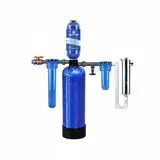
Aquasana Rhino Well Water with UV
Aquasana Rhino Well Water with UV
A whole-house well bundle with a UV stage for microbiological concerns. Treat iron, manganese and heavy sediment first, because UV needs clear water to work.
Compare sizing, treatment options and ongoing costs in our best well water filters guide.
Rotten-egg smell, orange stains or brown water (signs 2 and 4) usually need a dedicated iron and sulfur filter; compare options in our best well water filters guide.
Your Water Quality Action Checklist
If you've identified any of the warning signs above, here's your step-by-step action plan to resolve your water quality issues and protect your home:
Get a comprehensive water test ($30-150 for DIY kit, $100-400 for professional lab analysis)
Review your municipal Consumer Confidence Report (available free from your water utility)
Check the EWG Tap Water Database for known contaminants in your zip code
Identify your primary water issues: contaminants, hardness, iron, bacteria, or combinations
Select the appropriate system based on your test results (use our recommendations above)
Decide on DIY vs professional installation based on your plumbing comfort level
Set up a maintenance schedule: pre-filter changes every 6-9 months, media replacement per manufacturer specs
Re-test your filtered water 2-4 weeks after installation to verify contaminant removal
Explore Our Top Picks
Best Whole House Filters
Top-rated systems for every budget
Best Well Water Filters
Iron, sulfur, and bacteria removal
Best Water Softeners
Scale prevention and softening
Home Water Test Kits
Test before you buy a filter
Filter vs Softener
Which system do you actually need?
Whole House Filter Hub
All whole-house resources
Frequently Asked Questions
Related Articles
Top-rated Whole House Water Filters
Complete whole house filtration buyer's guide
In-depth SpringWell CF4 breakdown
20 GPM whole-house carbon filter for 4-6 bath homes
Our hands-on Aquasana Rhino Max Flow review
NSF-certified pro-grade Aquasana whole-house filter
Our hands-on SpringWell WHF Combo 4 (filter + softener) review
CF4 + FutureSoft bundle for hard city water
Aquasana Rhino Pro Grade (UV + salt-free)
Carbon + UV + SimplySoft Aquasana stack
Side-by-side: SpringWell CF4 vs Aquasana Rhino EQ-1000
Large-home whole house filter showdown