Best Water Test Kits of November 2026
Know what's in your water before choosing a filter. Expert reviews of DIY and lab test kits for lead, PFAS, bacteria, and 120+ contaminants.
Know what's in your water before choosing a filter. Expert reviews of DIY and lab test kits for lead, PFAS, bacteria, and 120+ contaminants.
Quick Comparison: Top Water Test Kits
Compare what each lab kit covers at a glance
| Ranking | Tests | Results | Price | Actions |
|---|---|---|---|---|
#1 Our #1 Pick Tap Score Ultimate Home Water Test Kit #1 Editor's Choice | 250+ parameters (lab) | Mail to lab | $339.96 | |
#2 Varify 17-in-1 Complete Water Test Kit Best DIY Kit | 17 parameters (strips) | Instant (at home) | $21.29 | |
#3 Kactoily 6-in-1 Digital Water Tester Best Digital Tester | 6 metrics (digital) | Instant (digital) | $55.99 |
Top Rated Water Test Kits
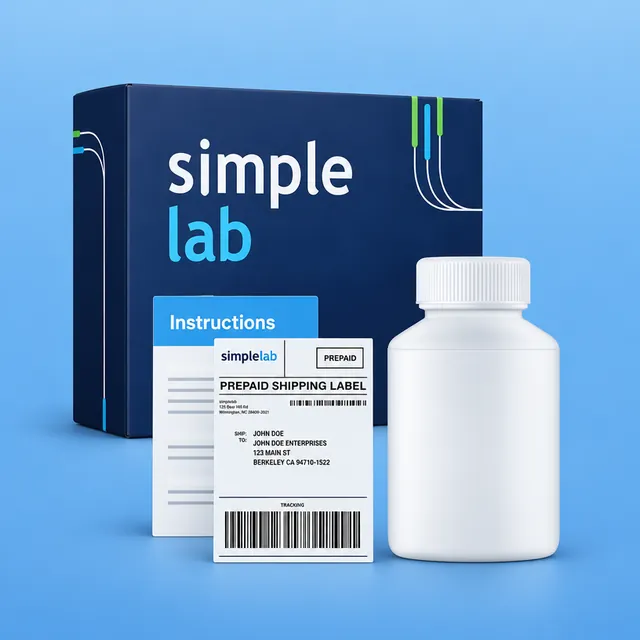
Tap Score Ultimate Home Water Test Kit
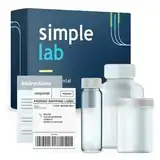
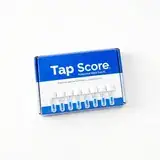
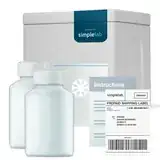
Our top choice when you want real answers. You mail in a sample and an EPA certified lab analyzes it for 250+ parameters, including lead, bacteria, and VOCs, on well or city water. The report gives exact concentration levels, so you know precisely which contaminants you have and which filter actually fixes them.
Key Features
- 250+ parameters analyzed
- EPA certified laboratory
- Works for well or tap water
- Lead, bacteria, and VOCs included
- Exact concentration levels
- Detailed digital report
Best For
The most complete picture of your water, choosing a filter, well or city water, verifying filter performance
Varify 17-in-1 Complete Water Test Kit
The best quick screen for the money. You get 100 test strips plus 2 bacteria tests covering lead, chlorine, hardness, iron, fluoride, copper, zinc, and more, with results in minutes at home. It won't give exact lab levels, but it's the fastest way to flag a problem before you spend on a lab test or a filter.
Key Features
- 100 test strips included
- 2 bacteria test kits
- Lead, chlorine, hardness, iron
- Fluoride, copper, zinc and more
- Results in minutes
- Works for well and tap water
Best For
Quick at-home screening, regular monitoring, checking for lead and bacteria before choosing a lab test
Kactoily 6-in-1 Digital Water Tester
A digital meter instead of strips. It reads TDS, EC, TOC, COD, UV275, and temperature in seconds, and the companion app logs and exports your results over time. Ideal for tracking whether your filter is still performing and for keeping an ongoing record of well, RV, or tap water quality.
Key Features
- TDS, EC, TOC, COD, UV275
- Temperature readings
- App with data export
- Results in seconds
- Reusable, no strips to buy
- Great for filter performance tracking
Best For
Ongoing monitoring, verifying filter performance over time, well water, RV and camping, tracking TDS trends
- Start drinking clean water today.

- Better Health
- Enhanced Focus
- Healthier Skin
- Better Taste
- Better Coffee & Tea
- Less Plastic Waste
- Longer Appliance Life
Complete Guide to Water Testing
Why Test Your Water?
Identify Hidden Contaminants
Lead, arsenic, PFAS, and bacteria are invisible and tasteless. Many harmful substances go undetected without testing - 20% of homes have unsafe lead levels.
Choose the Right Filter
Not all filters remove all contaminants. Carbon filters don't remove nitrates or arsenic. RO systems remove 99%+ of contaminants. Testing prevents wasting money on wrong solutions.
Verify Filter Performance
Test before and after installing under sink filters, whole house systems, or water softeners to ensure effectiveness. Many installed filters fail to remove target contaminants due to improper selection.
Legal & Health Requirements
Private well owners legally responsible for water safety (no government oversight). Annual testing required by most mortgage lenders and recommended by EPA.
DIY vs Lab Water Testing
DIY Test Kits ($15-50)
Pros:
- • Instant results (10 minutes)
- • Affordable ($15-50)
- • No shipping wait
- • Easy to use at home
- • Good for regular monitoring
Cons:
- • Tests fewer contaminants (5-15)
- • Less accurate (presence/absence only)
- • No exact concentration levels
- • Can't detect PFAS
- • Not legally valid
Best Use Cases:
Quick screening, filter verification, regular monitoring, lead checks in old homes
Lab Testing ($100-400)
Pros:
- • Tests 60-200+ contaminants
- • Highly accurate (EPA certified)
- • Exact concentration levels
- • Includes PFAS testing
- • Legally valid results
- • Expert analysis included
Cons:
- • Expensive ($100-400)
- • Wait 7-14 days for results
- • Requires shipping sample
- • More complex process
Best Use Cases:
Well water annual testing, PFAS concerns, comprehensive analysis, property sales, legal purposes. After testing, learn about the ideal TDS levels for drinking water to understand your results.
When Should You Test Your Water?
Test Immediately
- • Moving into new home
- • After plumbing work/repairs
- • Water taste/smell changes
- • Nearby contamination report
- • Before buying water filter
- • Pregnancy/new infant
- • After flooding or storms
Annual Testing
- • All private well water
- • Homes built before 1986
- • Rural areas (agriculture)
- • Near industrial sites
- • After installing filter
- • Families with children
- • Compromised immunity
Every 3-5 Years
- • Comprehensive lab panel
- • PFAS testing
- • Pesticide screening
- • Heavy metals analysis
- • VOC testing
- • City water verification
- • Property value checks
What to Test Based on Water Source
City/Municipal Water (Annual Minimum)
Essential Tests:
Optional (every 3-5 years):
- • PFAS (forever chemicals)
- • THMs (disinfection byproducts)
- • Heavy metals panel
- • Copper (if copper pipes)
Recommended: a mail to lab test like the Tap Score Ultimate Home Water Test Kit ($339.96) annually for municipal water or private wells, with the Varify 17-in-1 kit ($21.29) for quick checks in between
Private Well Water (Annual Required)
Annual Must-Test:
Every 3-5 Years:
- • Heavy metals (lead, copper, uranium)
- • Pesticides (if agricultural area)
- • VOCs (if near gas stations/industry)
- • Fluoride
- • Sulfate, chloride, TDS
Recommended: Health Metric Well Water Test ($40) annually + Safe Home Ultimate ($249) every 3-5 years
Special Situations (Test Immediately)
Near Military Bases / Airports / Fire Stations:
Test for PFAS immediately with a certified mail to lab test that includes a PFAS panel - firefighting foam contamination common
Agricultural / Farming Areas:
Annual nitrates + pesticides panel - especially critical for families with infants
Industrial / Mining Areas:
Comprehensive heavy metals panel (arsenic, lead, mercury, cadmium, chromium)
Pregnant / Infants:
Test every 6 months for bacteria and nitrates (blue baby syndrome risk)
Free & Low-Cost State Testing Resources
Free or Subsidized Testing Available:
- • County health departments (bacteria tests often free)
- • State university extension programs
- • EPA Safe Drinking Water Hotline: 1-800-426-4791
- • USDA Rural Development grants
- • Some states offer free lead testing kits
Low-Cost State Labs ($30-100):
- • Penn State Extension Water Testing Lab
- • Iowa State University Water Quality Lab
- • University of Wisconsin Water & Environmental Analysis Lab
- • Texas A&M AgriLife Extension
- • Minnesota Dept of Health lab network
Tip: Contact your county health department first - many offer free bacteria testing and can direct you to low-cost comprehensive testing options
How to Choose the Right Water Test Kit
1. Match Test to Water Source
City water: Lead, chlorine, bacteria sufficient for annual check
Well water: Bacteria, nitrates, arsenic, hardness minimum (legally required in many areas)
Rural/Agricultural: Add pesticides and herbicides to well panel
Industrial areas: Heavy metals panel essential
2. DIY vs Lab Decision Tree
Use DIY ($15-50) for: Quick screening, monthly monitoring, filter verification, lead presence check
Use Lab ($100-400) for: Annual well testing, PFAS detection, exact contaminant levels, legal documentation, comprehensive analysis, property sales
Best value: DIY for regular checks + lab test every 1-3 years for comprehensive analysis
3. Certification & Accuracy
EPA-approved: Required for lead and bacteria DIY tests - ensures accuracy
ISO/IEC 17025 certified labs: Legally valid, highly accurate, required for well permits
State-certified labs: Meet state water quality standards, often cheaper than national labs
Avoid: Non-certified kits for critical decisions (legal, health, property)
4. Cost-Benefit Analysis
Budget Approach ($50/year): Annual DIY 10-in-1 test ($25) + free county bacteria test
Recommended Approach ($150-200/year): Annual lab well test ($100-150) or DIY city test ($25) + comprehensive lab every 3 years ($300)
Comprehensive Approach ($300-400/year): Annual comprehensive lab test ($250-400) - best for well water, pregnant women, children, compromised immunity
Note: Testing cost is 10-20% of wrong filter cost. A $300 test prevents buying $1,500 filter that doesn\'t solve your problem.
How to Interpret Your Water Test Results
Receiving your water test report can be overwhelming—dozens of numbers, abbreviations, and units. Here's how to make sense of the results and determine what action to take. Understanding your report is the critical step between testing and choosing the right water filter for your home.
Key Metrics to Focus On
Your report will list contaminants with detected levels alongside EPA Maximum Contaminant Levels (MCLs). Focus on these critical parameters first:
Health-Critical Contaminants
Lead: EPA Action Level = 15 ppb
Any detectable lead is concerning. No safe level exists for children. If above 5 ppb, install an RO system or NSF 53 certified filter immediately.
Arsenic: EPA MCL = 10 ppb
Common in Southwest groundwater. RO systems remove 95-99%. Test annually if detected above 5 ppb.
Nitrates: EPA MCL = 10 mg/L
Critical for infants (blue baby syndrome). Common in agricultural areas. RO or ion exchange required for removal.
PFAS: EPA Advisory = 4 ppt (combined)
New 2024 EPA limits are extremely low. Activated carbon or RO filtration needed. Most municipal systems don't yet meet these levels.
Aesthetic & Secondary Parameters
TDS (Total Dissolved Solids): Ideal 50-300 ppm
High TDS (>500 ppm) indicates mineral-heavy water. Learn about ideal TDS levels for context.
Hardness: Moderate <7 gpg, Hard >10 gpg
Above 10 gpg causes scale buildup. Consider a water softener for whole-home treatment.
Iron: Secondary standard = 0.3 mg/L
Causes orange staining above 0.3 mg/L. See iron removal solutions for well water.
pH: Ideal range 6.5-8.5
Low pH (<6.5) corrodes pipes, leaching lead and copper. High pH (>8.5) causes taste issues and scale.
What to Do After Getting Results
Once you understand your contaminant levels, the next step is matching the right filtration technology to your specific issues. Different contaminants require different filter types:
| Contaminant Found | Best Filter Technology | Recommended Product |
|---|---|---|
| Lead, arsenic, PFAS | Reverse Osmosis | Waterdrop G3P800 |
| Chlorine, taste, odor | Activated Carbon | Aquasana AQ-5200 |
| Bacteria, viruses | UV + Carbon | UV purifier systems |
| Hard water (high TDS) | Water Softener | SpringWell SS1 |
| Iron, manganese | Oxidation + Filtration | SpringWell WF1 |
| Multiple contaminants | Whole House + RO | Whole house guide |
Not sure which filter type? Take our Filter Finder Quiz for personalized recommendations based on your test results.
Testing After Installing a Filter
After installing any water filter, re-test your water within 2-4 weeks to verify the system is performing as claimed. Compare before/after results for your target contaminants. If your filter isn't meeting removal claims, check installation, filter age, and water pressure. Our maintenance guide covers troubleshooting underperforming filters. For well water systems, test quarterly for the first year to account for seasonal variation.
You've got water testing questions,
we have answers.
Which water test kit should I choose?
For the most complete picture, the Tap Score Ultimate Home Water Test Kit ($339.96) mails your sample to an EPA certified lab that analyzes 250+ parameters on well or tap water. For a fast, cheap screen, the Varify 17-in-1 kit ($21.29) gives instant strip results for lead, chlorine, hardness, iron, and bacteria. For ongoing monitoring, the Kactoily 6-in-1 digital tester ($55.99) tracks TDS and other metrics over time in an app.
How do mail to lab water tests work?
Order online, receive your kit, collect a water sample following the included instructions, and mail it back. Your sample is analyzed by a certified laboratory, and you receive a detailed digital report with exact contaminant levels and guidance on the right treatment for your water.
What's the difference between a lab test and a DIY strip kit?
A lab test like the Tap Score Ultimate analyzes 250+ parameters with exact concentration levels from an EPA certified laboratory. A DIY strip kit like the Varify 17-in-1 gives instant presence/absence readings for about 17 parameters at home. Strips are great for quick screening; lab tests are what you want before spending on a filter.
Are mail to lab tests analyzed by certified labs?
Yes. The Tap Score Ultimate Home Water Test Kit is analyzed by an EPA certified laboratory. Each kit includes sampling materials and a digital report, so your results are reliable enough to guide filter purchases and well system decisions.
How often should I test my water?
Private well owners should test annually for bacteria and nitrates, and every 3-5 years for comprehensive panels (heavy metals, pesticides, PFAS). Municipal water users should test annually for lead (especially in pre-1986 homes) and every 3 years for comprehensive screening. Test immediately after plumbing repairs, flooding, taste/odor changes, or nearby contamination events.
Related Articles
Read: Water Filter Buying Guide
Deep dive — How Water Filters Work
More on Water Filter Cost Comparison
Keep it running: Filter Replacement Guide
Deep dive — Water Filter Health Benefits
Buying guide: Filters for Renters
Top-rated Water Bottles with Filters
See the best UV Water Purifiers
Walkthrough — RO Installation Guide
Walkthrough — Whole House Installation
Our picks for Reverse Osmosis Systems
Best Whole House Filters
Buying guide: Water Softeners
Top-rated Water Pitchers

Best Well Water Filters
Filtering for PFAS Removal Guide
Seasonal Maintenance Guide (upkeep tips)
How to Test Water at Home
Water Filter Certifications
How Often to Change Filter
Read: TDS Meter Explained
Related Resources
Filter by Contaminant
Well Water Resources
Ready to Choose a Water Filter?
Once you know what's in your water, use our quiz to find the perfect filter for your specific contaminants
Take the Filter Finder Quiz