Do Shower Filters Actually Work? Benefits, Science & Honest Analysis
Shower filter marketing promises everything from reversing hair loss to curing eczema. The reality is more nuanced—but there are genuine, research-backed benefits for specific concerns. This guide separates the proven science from the hype, explains exactly what shower filters can (and can't) do, and helps you decide if one is worth your money.
Bottom Line
Shower filters effectively remove 90-95% of chlorine from shower water, which genuinely helps with dry skin, hair damage, and respiratory irritation. They do NOT soften water, remove heavy metals, or treat serious contaminants. If chlorine is your concern, they work. If hard water is your problem, you need a water softener instead.
The Science: What Chlorinated Shower Water Does to Your Body
Municipal water treatment adds chlorine (1-4 ppm) or chloramine to kill pathogens—essential for public health, but not ideal for direct skin and hair exposure. When you shower in chlorinated water, three things happen:
Skin Impact
Chlorine strips the skin's natural lipid barrier, causing dryness, irritation, and accelerated aging. People with eczema and psoriasis are particularly sensitive.
Hair Damage
Chlorine oxidizes melanin (causing color fading), breaks disulfide bonds in hair protein (causing brittleness), and strips natural oils from the scalp.
Respiratory Exposure
Hot shower steam releases THMs (chlorine byproducts) as gas. A 10-minute shower exposes you to more THMs than drinking 8 glasses of the same water.
What the Research Actually Shows
Studies on shower filters themselves are scarce, so it helps to separate what is well established from what is still uncertain.
1. Chlorine can irritate sensitive skin
Chlorine is a known irritant, and many people with eczema or very dry skin report feeling better after removing it. The evidence for filters is weaker than the marketing suggests: the UK's Softened Water Eczema Trial (SWET), which tested whole-home water softeners rather than shower filters, did not find a clear improvement in eczema severity. If your skin reacts to chlorinated water, a shower filter is a cheap thing to try alongside, not instead of, the treatment your doctor recommends.
2. Chlorine can dry hair and fade color
Chlorine is an oxidizer, which is why swimmers notice dry hair and faded color. Tap water has far less chlorine than a pool, so the effect in the shower is smaller, but people with color-treated or fragile hair often say a filter makes a noticeable difference. Expect a gradual change in feel, not a cure for hair loss.
3. Showers are an exposure route for disinfection byproducts
Hot showers release volatile disinfection byproducts such as trihalomethanes (THMs) into the air, and studies of household water use have measured higher THM levels in people's blood after showering. How much a shower filter lowers that exposure depends on the media, flow rate and water temperature, so look for a published reduction claim rather than general promises. Learn more in our disinfection byproducts guide.
What Shower Filters DON'T Do (Common Myths)
Shower Filter Media Types Compared
| Filter Media | Chlorine | Chloramine | Hot Water OK? | Lifespan | Cost/Year |
|---|---|---|---|---|---|
| KDF-55 | ✅ 95% | ⚠️ 30-40% | ✅ Yes | 6-12 mo | $30-50 |
| Activated Carbon | ✅ 90% | ⚠️ 20-30% | ❌ Reduced | 3-6 mo | $40-70 |
| Vitamin C | ✅ 99% | ✅ 95% | ✅ Yes | 1-3 mo | $60-120 |
| KDF + Carbon | ✅ 95% | ⚠️ 40-50% | ✅ Mostly | 6-8 mo | $35-60 |
| Calcium Sulfite | ✅ 90% | ⚠️ 30% | ✅ Yes | 6-12 mo | $25-45 |
Who Should (and Shouldn't) Get a Shower Filter
Get a Shower Filter If:
- • You have eczema, psoriasis, or chronic dry skin
- • Your water smells like chlorine/pool water
- • Color-treated hair fades quickly
- • Hair feels dry, brittle, or straw-like after showers
- • You have asthma or respiratory sensitivity
- • Your city uses high chlorine levels (3+ ppm)
- • You're pregnant (reduce THM exposure)
Skip It If:
- • Your skin/hair are fine as-is
- • Hard water buildup is your main complaint
- • You're on well water (no chlorine to remove)
- • You want to remove heavy metals or bacteria
- • Your chlorine levels are already low (<1 ppm)
- • You expect a shower filter to replace a softener
Shower Filters to Compare
Exact products we link to, chosen from our research into published specifications and filter costs. For more options, see our full shower filter roundup.
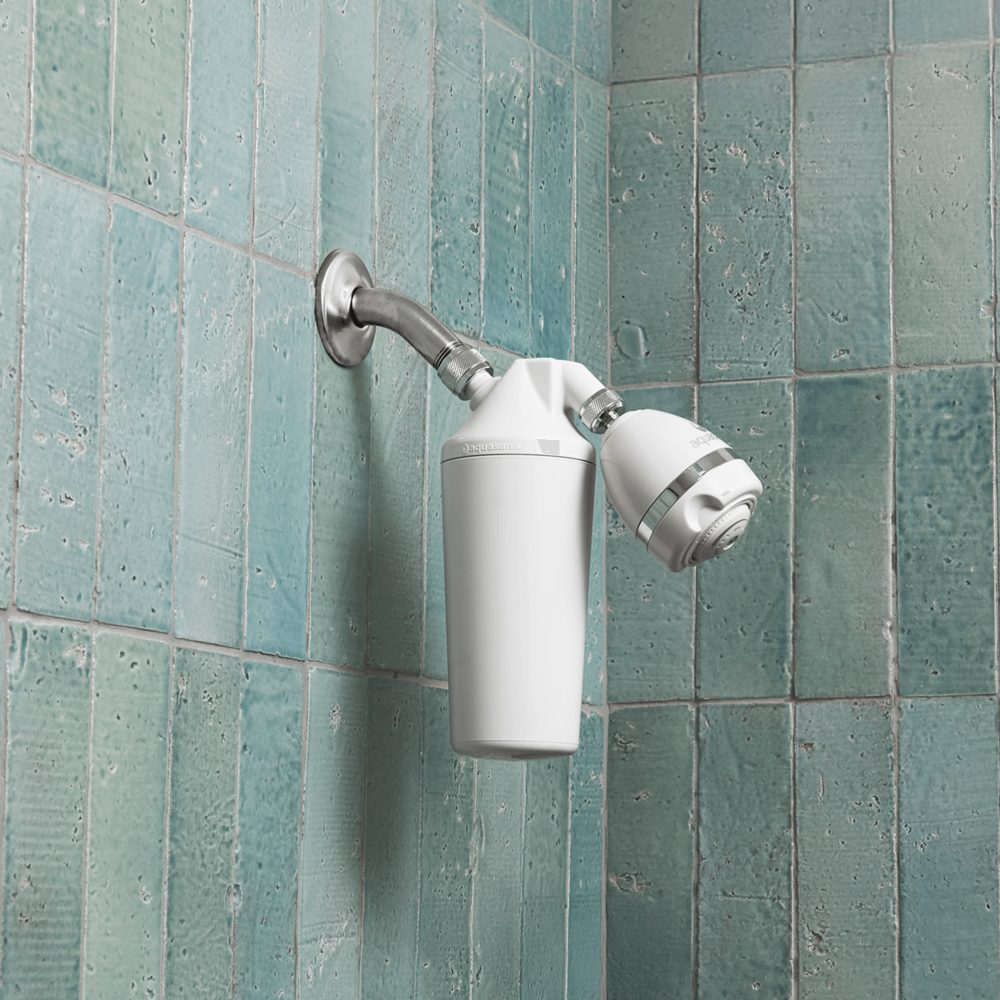
Aquasana Standard Shower Head Filter
Aquasana Standard Shower Head Filter
A simple filtered shower head for chlorine-treated city water. It does not soften water, so it will not stop hard-water scale.
Compare sizing, treatment options and ongoing costs in our best shower filters guide.
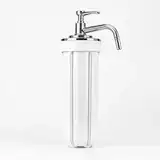
Aquasana AQ-4100 Shower Filter
Aquasana AQ-4100 Shower Filter
Keeps your existing shower head and adds a filter cartridge in line. Check fit and replacement-cartridge cost before ordering.
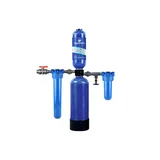
Aquasana Rhino Whole House Water Filter
Aquasana Rhino Whole House Water Filter
If you own your home and want chlorine reduced at every shower and tap, a whole-house filter replaces separate shower filters. It needs installation on the main line.
Compare sizing, treatment options and ongoing costs in our best whole house water filters guide.
How to Test If Your Shower Filter Is Working
- Smell test: Fill a glass with filtered shower water and an unfiltered glass from another tap. The chlorine smell difference should be obvious.
- Chlorine test strips ($5-10): Test water before and after the filter. You should see a drop from 1-4 ppm to 0-0.5 ppm.
- Hair/skin check (2-week test): Use the filter consistently for 2 weeks and note changes in skin dryness, hair texture, and any eczema improvements.
- TDS meter (limited use): A TDS meter won't show chlorine removal (chlorine is a tiny fraction of TDS), so don't use this as your primary test.
Shower Filter vs. Whole-House Filter for Shower Water
If you own your home and want filtered water at every tap (including showers), a whole-house carbon filter is a better investment than individual shower filters. A whole-house system removes chlorine before water enters any fixture, protecting pipes, appliances, and every water outlet. Cost comparison (see our best home water filters for all options):
- Shower filter (per bathroom): $30-50 upfront + $30-50/year per bathroom. 3 bathrooms = $90-150/year in filters.
- Whole-house carbon filter: $400-800 upfront + $60-100/year in filters. Covers ALL water outlets including showers, sinks, laundry, and garden hose.
For renters or homeowners who only want to filter one shower, a dedicated shower filter is more practical and affordable. For more, see our apartment filter guide.
Frequently Asked Questions
Related Resources
Related Articles
Buying guide: Lead Removal Filters
NSF-certified filters proven to remove lead
See the best PFAS Removal Filters
Filters certified to remove forever chemicals
Top-rated Budget Water Filters
Affordable filters under $50 that actually work
Our picks for Emergency Water Filters
Reliable filters for disaster preparedness
Top-rated Hard Water Filters
Top filters for calcium and magnesium removal
More on Sulfur Smell Removal Guide
Eliminate rotten egg smell from your water