TDS Meter Explained: What Total Dissolved Solids Actually Means for Your Water
TDS is one of the most misunderstood water quality measurements. A high number doesn't mean your water is unsafe, and a low number doesn't mean it's pure. Here's what TDS actually tells you—and what it can't.
Last updated: April 4, 2026
What TDS Actually Measures
Total Dissolved Solids (TDS) is a catch-all measurement of everything dissolved in your water—minerals, salts, metals, and organic compounds. A TDS meter works by measuring electrical conductivity: dissolved ions conduct electricity, and the meter converts that conductivity into a parts-per-million (ppm) estimate.
Critical Limitation: TDS Does NOT Equal Water Safety
A TDS meter cannot distinguish between healthy calcium and toxic lead. Both register as dissolved solids. Water with 200 ppm of calcium is perfectly safe; water with 200 ppm of arsenic would be lethal. The number alone tells you nothing about safety. Additionally, TDS meters CANNOT detect bacteria, viruses, PFAS, pesticides, or pharmaceuticals—all of which are non-ionic and invisible to conductivity measurements.
TDS Level Guide
TDS (ppm)
Rating
Typical Source
Notes
0-25
Ultra-pure
RO/distilled
Lacks minerals; flat taste
25-50
Very low
RO with remineralization
Good for RO systems
50-150
Low
Soft municipal water
Excellent drinking water range
150-300
Moderate
Average municipal water
Good; most common range
300-500
High
Hard water areas
Acceptable; mostly minerals
500-1000
Very high
Very hard water/some wells
EPA secondary limit: 500; investigate cause
1000+
Unacceptable
Brackish wells, contamination
Needs treatment; test for specifics
When a TDS Meter IS Useful
Monitoring RO System Performance
This is the #1 use case for TDS meters. Check input vs output monthly. A healthy RO membrane rejects 90-98% of TDS. When rejection drops below 85%, replace the membrane. Formula: (1 - output/input) × 100 = rejection %.
While softeners don't significantly change TDS, comparing pre/post readings can indicate if your softener is working. A significant TDS increase may indicate salt bridging or resin exhaustion.
Detecting Sudden Water Quality Changes
If your tap water normally reads 200 ppm and suddenly jumps to 400 ppm, something changed—a water main break, treatment plant issue, or new contamination source. The TDS meter alerts you to investigate further.
Comparing Filter Performance
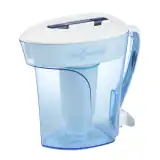
Measure before and after any filter to see TDS reduction. Carbon filters may reduce TDS slightly; RO should reduce it dramatically. A pitcher filter showing zero TDS change is normal—they target specific contaminants, not all dissolved solids.
When a TDS Meter Is Misleading
Claiming water is "unsafe" based on TDS alone
Water at 400 ppm TDS from natural mineral springs is perfectly safe and may even be healthier than 50 ppm RO water. TDS doesn't indicate danger.
Marketing scams using TDS "experiments"
Some filter salespeople use electrolysis devices to make tap water look dirty (brown precipitate) while their filtered water stays clear. This is a trick—the reaction depends on TDS, not contamination. Mineral-rich water always produces precipitate in these demonstrations.
Evaluating PFAS, bacteria, or pharmaceutical contamination
These contaminants don't conduct electricity and are invisible to TDS meters. Water can read 50 ppm TDS and still contain dangerous levels of PFAS, bacteria, or pharmaceuticals. Only lab testing detects these.
Brita and PUR filters are designed to remove specific contaminants (chlorine, lead) while leaving minerals. A Brita filter showing similar TDS before and after is WORKING AS DESIGNED, not failing. Only ZeroWater targets TDS reduction.
How to Use a TDS Meter Correctly
1
Calibrate before first use
Most TDS meters come pre-calibrated, but verify using a calibration solution (typically 342 ppm NaCl). Recalibrate every 3-6 months.
2
Test at consistent temperature
Water temperature affects conductivity. Most meters have automatic temperature compensation (ATC), but test cold tap water consistently for comparable readings.
3
Record baseline readings
Establish your "normal" TDS by testing daily for a week. This baseline makes future deviations meaningful. Track in a notebook or phone note.
4
Clean the probes
Rinse probes with distilled water between measurements. For filter recommendations based on your readings, see our under-sink filters and complete filter roundup. Residue from previous tests can skew readings. Let probes air dry or shake off excess water.
Reverse osmosis forces water through a semi-permeable membrane with pore sizes of 0.0001 microns - small enough to block dissolved salts, heavy metals, and organic compounds while allowing pure water molecules to pass. The process requires adequate water pressure (40-80 PSI) to overcome osmotic pressure. Modern thin-film composite (TFC) membranes achieve 95-99% rejection rates for most contaminants, producing water with TDS levels of 10-30 ppm from typical municipal supplies at 200-400 ppm. Membrane lifespan averages 2-3 years with proper pre-filtration, though performance monitoring via TDS meter can indicate earlier replacement needs.
Water Waste and Efficiency
Traditional RO systems produce 3-4 gallons of wastewater per gallon of purified water, though modern high-efficiency models reduce this to 1:1 or even 2:3 ratios. Factors affecting efficiency include feed water pressure (higher pressure = less waste), water temperature (cold water reduces production by 30-40%), and membrane condition. To minimize environmental impact, many homeowners repurpose RO reject water for watering plants, mopping floors, or pre-rinsing dishes. Tankless RO systems with permeate pumps achieve the best efficiency ratios while also eliminating storage tank bacteria concerns and providing unlimited on-demand purified water.
Remineralization and Health Considerations
RO water's near-zero mineral content has raised health discussions. The WHO notes that water contributes only 5-20% of daily calcium and magnesium intake for most people, making dietary sources far more significant. However, some users prefer the taste of remineralized water. Post-RO remineralization filters add calcium and magnesium back, typically raising TDS to 40-60 ppm and pH to 7.0-7.5. Alkaline remineralization stages are available but the health claims around alkaline water remain scientifically unsubstantiated beyond the mineral content itself. For most healthy adults, pure RO water is completely safe and often preferred for its clean, neutral taste.
Choosing the Right Filtration Investment
Making the right water filtration investment requires balancing four key factors: contaminant coverage, operating costs, convenience, and household size. Start by identifying your priority contaminants through water testing, then match filtration technology to those specific threats. A family of four consuming 3 gallons daily should prioritize systems with low per-gallon costs and long filter lives. Single occupants or couples can optimize for convenience with pitcher or faucet-mount options. Renters should focus on portable, no-installation solutions that move with them. Homeowners have the widest range of options and should consider whole-house systems for comprehensive protection of all water uses including bathing, cooking, and laundry.
The best approach for most families is a layered strategy: a whole-house sediment and carbon filter ($300-800) removes chlorine, sediment, and VOCs from all household water, protecting appliances, improving shower water quality, and extending the life of downstream filters. Add a point-of-use system at the kitchen tap - either an under-sink carbon block ($100-250) for solid general protection or reverse osmosis ($150-400) for maximum contaminant removal including lead, PFAS, fluoride, and nitrates. This two-tier approach provides the best balance of comprehensive coverage, reasonable cost, and targeted protection where you need it most. Annual maintenance costs for this combination run $80-200, a fraction of bottled water expenses while delivering superior water quality throughout your entire home.
Regional Water Quality Variations Across the US
Water quality varies dramatically across the United States due to differences in source water, treatment methods, and distribution infrastructure. The Southwest and Great Plains regions typically have the hardest water (15-30+ GPG), driven by limestone and dolomite geological formations. Coastal and Pacific Northwest areas generally enjoy softer water (0-7 GPG) from mountain snowmelt and rainfall-fed reservoirs. Industrial areas in the Midwest and Northeast face higher risks of PFAS, VOC, and heavy metal contamination from legacy manufacturing operations. Agricultural regions across the Central Valley, Corn Belt, and Mississippi Delta contend with elevated nitrate and pesticide levels from farming runoff.
Municipal treatment approaches also vary: approximately 70% of US utilities use chlorine for disinfection, while 30% use chloramines (combined chlorine and ammonia). Chloramine-treated water requires specialized filtration - standard activated carbon provides limited removal, while catalytic carbon effectively breaks down chloramines. Some progressive utilities employ advanced treatment including ozonation, UV disinfection, and granular activated carbon, producing exceptionally clean water at the treatment plant. However, even the best-treated water can pick up contaminants during distribution through aging pipes, so point-of-use filtration remains relevant regardless of utility treatment quality. Check your utility's Consumer Confidence Report and the EWG Tap Water Database for your specific water quality profile.
Climate change is introducing new water quality challenges nationwide. Increased wildfire frequency in western states creates ash runoff that overwhelms treatment plants with dissolved organic carbon, leading to elevated disinfection byproduct formation. Severe droughts concentrate contaminants in shrinking reservoirs. Intensifying rainfall events increase agricultural and urban runoff into source waters. Rising ocean levels threaten saltwater intrusion into coastal aquifers. These evolving challenges make home filtration increasingly important as a consistent, controllable water quality safeguard that adapts to changing conditions faster than municipal infrastructure upgrades.
America's Aging Water Infrastructure
The American Society of Civil Engineers gives US drinking water infrastructure a grade of C-minus, with an estimated $625 billion needed over the next 20 years for repairs and upgrades. Approximately 240,000 water main breaks occur annually in the United States, potentially introducing soil bacteria, sediment, and other contaminants into distribution systems. The EPA estimates that 9.2 million lead service lines remain in use nationwide, primarily in homes built before 1986. While the Bipartisan Infrastructure Law allocated $15 billion specifically for lead service line replacement, complete removal is projected to take 10-15 years in many municipalities.
For homeowners, aging infrastructure means that even excellent municipal treatment cannot guarantee contaminant-free water at the tap. Corrosion of lead and copper pipes between the treatment plant and your faucet is the primary source of residential lead exposure. Biofilm accumulation inside older pipes can harbor bacteria including Legionella, particularly in buildings with stagnant water sections. Point-of-use filtration serves as the final barrier between infrastructure vulnerabilities and your family's drinking water, providing protection that no amount of municipal treatment can replace for last-mile contamination sources.
US Water Quality in Global Context
The United States has one of the safest public water supplies in the world, with EPA regulations covering 90+ contaminants through enforceable Maximum Contaminant Levels. However, this regulatory framework has not kept pace with emerging threats. The European Union regulates PFAS at stricter levels than the US and monitors additional contaminants including microplastics and endocrine disruptors. Japan and Singapore achieve some of the lowest detectable contaminant levels globally through advanced treatment technologies including ozonation and granular activated carbon at the municipal level. Understanding where US water quality stands globally helps contextualize the role of home filtration as supplementary protection.
The 2024 EPA PFAS regulations represent the most significant expansion of drinking water standards in decades, setting maximum contaminant levels for six PFAS compounds at 4 parts per trillion - levels so low that many existing treatment plants cannot detect them with current equipment, let alone remove them. Utilities have until 2029 to comply, meaning millions of Americans are currently drinking water with PFAS levels above the new standards. Home filtration with activated carbon (60-80% PFAS removal) or reverse osmosis (95-99% removal) provides immediate protection during this multi-year compliance transition. This regulatory evolution underscores a fundamental truth: home water treatment is not a luxury but a practical necessity for families seeking the safest possible water quality.
Advanced RO System Configurations
Modern reverse osmosis systems offer configurations beyond the standard 5-stage under-sink setup. Direct-flow (tankless) systems eliminate the storage tank entirely, using high-capacity membranes (400-800 GPD) to produce purified water on demand. These systems are ideal for households with high consumption needs, limited under-sink space, or concerns about bacterial growth in stagnant tank water. The trade-off is higher cost ($250-600 vs $150-300 for tank systems) and slightly slower flow when demand exceeds membrane production capacity.
Whole-house RO systems exist but are rarely practical for residential use due to massive water waste (producing 500-1,500 gallons of reject water daily), requirement for atmospheric storage tanks, and the need for post-treatment remineralization to prevent corrosion of household plumbing. Instead, combining point-of-use RO at the kitchen tap with whole-house carbon filtration provides comprehensive treatment without the drawbacks. This approach protects drinking water with the thoroughness of RO while addressing chlorine, VOCs, and sediment throughout the entire home with carbon filtration. The combined cost ($400-800) is a fraction of whole-house RO ($3,000-10,000) with comparable overall protection.
RO Water Quality Monitoring
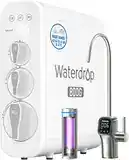
A TDS (Total Dissolved Solids) meter is the essential tool for monitoring RO system performance. New membranes typically produce water at 10-25 TDS from municipal supplies averaging 200-400 TDS. When output TDS consistently exceeds 50, or rejection rate drops below 85%, membrane replacement is needed. Inline TDS monitors ($15-30) installed on the product water line provide real-time readings without manual testing. Premium systems from brands like Waterdrop and Frizzlife include built-in TDS displays that alert users when performance degrades.
Beyond TDS, periodic pH testing ensures proper water chemistry. RO water typically has a pH of 5.5-6.5 (slightly acidic) due to the removal of alkaline minerals. While this is safe for consumption, prolonged contact with copper pipes can cause copper leaching at acidic pH levels. Post-RO remineralization filters raise pH to 7.0-7.5 and add 30-50 mg/L of calcium and magnesium, addressing both taste preferences and potential corrosion concerns. For homes with copper plumbing, we strongly recommend a remineralization stage as the final filter in the RO system.
Water Quality Science and Consumer Protection
The science of water treatment has evolved dramatically over the past two decades, driven by advances in analytical chemistry that can now detect contaminants at parts-per-trillion concentrations. This detection capability has revealed the presence of thousands of previously unidentified compounds in municipal water supplies, including pharmaceutical residues, endocrine-disrupting chemicals, microplastics, and per- and polyfluoroalkyl substances (PFAS). The EPA currently regulates 90 contaminants under the Safe Drinking Water Act, but the Environmental Working Group has documented over 300 additional pollutants in US tap water that have no legal limits.
Understanding the distinction between regulated and unregulated contaminants is essential for making informed filtration decisions. Regulated contaminants have Maximum Contaminant Levels (MCLs) that public water systems must meet, enforced through mandatory testing and public reporting via annual Consumer Confidence Reports. Unregulated contaminants, despite being detected in water supplies, have no enforceable limits, meaning your water utility is not required to treat for or even report their presence. This regulatory gap means that water meeting all federal standards may still contain compounds of health concern at levels that research suggests could pose long-term risks.
The health economics of water filtration present a compelling case for proactive treatment. A 2023 analysis by the Water Quality Research Foundation estimated that the lifetime healthcare cost savings from removing lead exposure alone average $5,600 per child. When factoring in reduced cancer risk from PFAS and disinfection byproduct removal, improved developmental outcomes from reducing prenatal contaminant exposure, and decreased gastrointestinal illness from pathogen removal, the total health-economic benefit of comprehensive home water filtration ranges from $8,000 to $25,000 per household over a 20-year period. These savings dwarf the $2,000-5,000 total cost of purchasing and maintaining a quality filtration system over the same timeframe.
Infrastructure Challenges and Future Outlook
Americas water infrastructure faces unprecedented challenges that directly impact household water quality. The American Society of Civil Engineers grades US drinking water infrastructure at C-minus, with an estimated $625 billion investment needed over 20 years to bring systems to adequate condition. Approximately 6 billion gallons of treated water are lost daily through 240,000 water main breaks annually. These infrastructure failures not only waste resources but create potential contamination pathways where soil, bacteria, and chemicals can enter the distribution system through pressure drops and pipe fractures.
Lead service lines remain the most pressing infrastructure concern, with an estimated 6-10 million lead pipes still delivering water to American homes. The EPA Lead and Copper Rule Revisions mandate replacement of all lead service lines within the coming decade, but the scale of the project ($3,000-8,000 per line) and limited workforce capacity mean many households will continue receiving water through lead pipes for years. During the replacement process itself, disturbance of existing pipes can temporarily increase lead levels by 10-100x above baseline. Point-of-use filtration certified to NSF 53 for lead provides the most reliable protection during this transition period.
Climate change introduces compounding water quality challenges that existing treatment infrastructure was not designed to address. Rising temperatures promote harmful algal blooms producing cyanotoxins that overwhelm conventional treatment processes. Increased wildfire frequency deposits ash-borne benzene and heavy metals into source watersheds. Extreme precipitation events cause combined sewer overflows that introduce untreated sewage into source water. Sea level rise threatens coastal aquifers with saltwater intrusion, increasing TDS and chloride levels beyond treatment capacity. These converging pressures reinforce the critical importance of residential water treatment as the final barrier between environmental challenges and family health.
Filtration Technology Comparison and Selection
Selecting the right water filtration technology requires matching your specific contaminant profile to the capabilities of available treatment methods. Activated carbon filtration, the most widely deployed residential technology, excels at removing chlorine, volatile organic compounds (VOCs), and taste and odor compounds through adsorption. Coconut shell-derived granular activated carbon (GAC) provides the optimal pore structure for drinking water applications, with one gram offering approximately 3,000 square meters of internal surface area for contaminant capture. Carbon block filters offer superior performance to GAC by compressing the carbon into a solid matrix that provides both chemical adsorption and mechanical filtration down to 0.5 microns.
Reverse osmosis (RO) represents the gold standard for comprehensive residential water purification, achieving 95-99% rejection of dissolved solids including heavy metals, PFAS, nitrates, fluoride, and virtually all chemical contaminants. Modern residential RO systems incorporate pre-filtration stages (sediment and carbon) to protect the semipermeable membrane, a pressurized storage tank for on-demand delivery, and post-filtration polishing stages including remineralization to restore beneficial minerals and optimize pH. The primary trade-off is water waste, with conventional systems producing 3-4 gallons of reject water per gallon of purified water, though modern permeate pump designs reduce this ratio to 1:1 or better.
Ion exchange technology addresses specific ionic contaminants through selective chemical swapping. Water softeners use strong acid cation (SAC) resin to exchange calcium and magnesium (hardness) for sodium, preventing scale formation that damages plumbing and appliances. Specialized anion exchange resins target nitrates, arsenic, perchlorate, and PFAS with high selectivity. Mixed-bed deionization produces ultrapure water by removing virtually all dissolved ions. KDF (Kinetic Degradation Fluxion) media uses copper-zinc granules to remove chlorine and heavy metals through electrochemical redox reactions, particularly effective in high-temperature applications like shower filtration where carbon performance diminishes.