Best Portable Water Filter Bottles of November 2026
Clean, filtered water wherever you go - perfect for travel, work, and gym - choose treatment for your actual source
Clean, filtered water wherever you go - perfect for travel, work, and gym - choose treatment for your actual source
Quick Comparison: Top Portable Filter Bottles
Compare designs, capacity and treatment requirements
| Ranking | Filter Type | Price | Capacity | Best For | Actions |
|---|---|---|---|---|---|
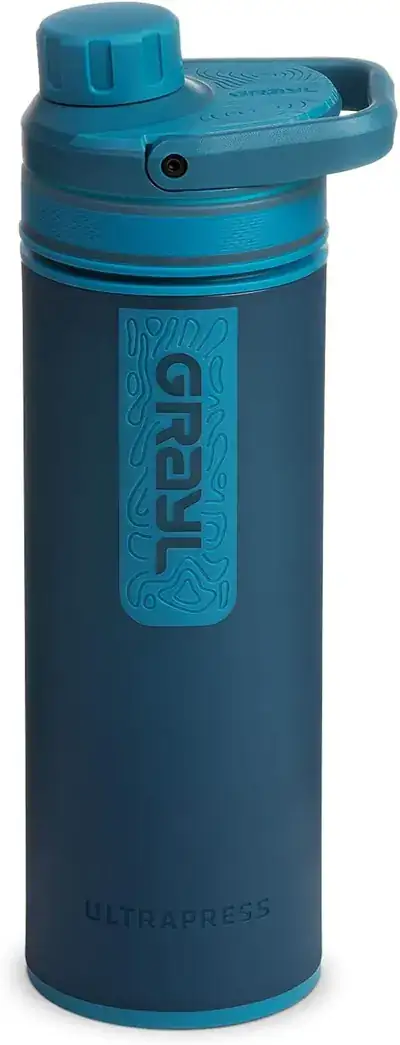
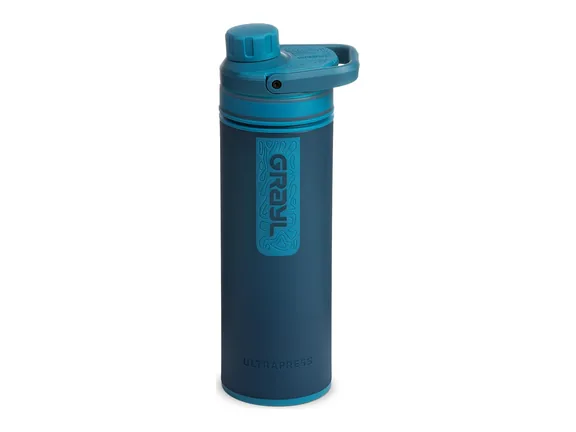
#1  UltraPress Water Purifier GRAYL | Electroadsorption + Ion Exchange | $89.95 | 300 presses (65 gallons) | Travel | |
#2 GeoPress Water Purifier GRAYL | Electroadsorption + Ion Exchange | $99.95 | 350 presses (65 gallons) | Daily Use | |
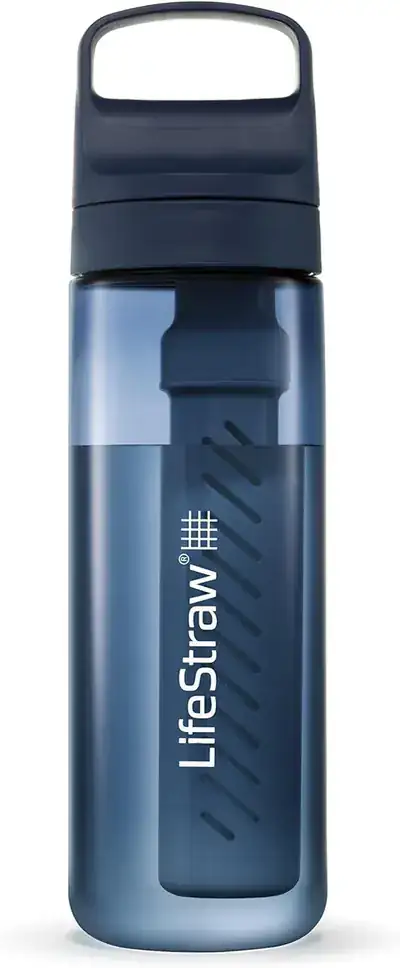
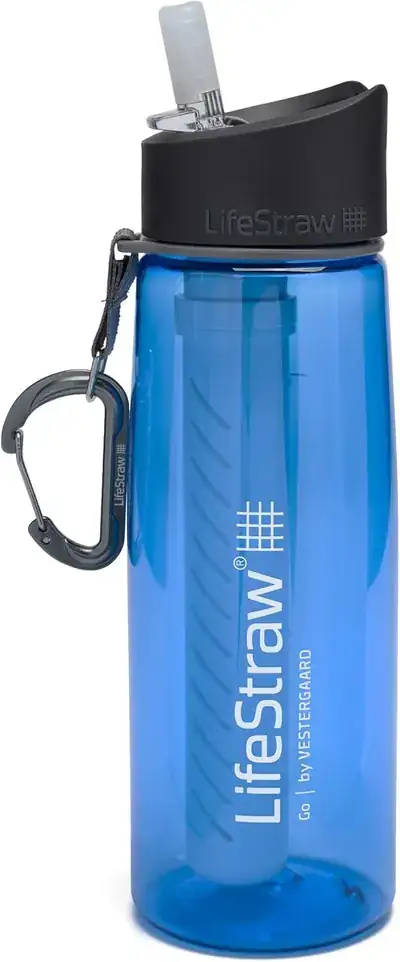
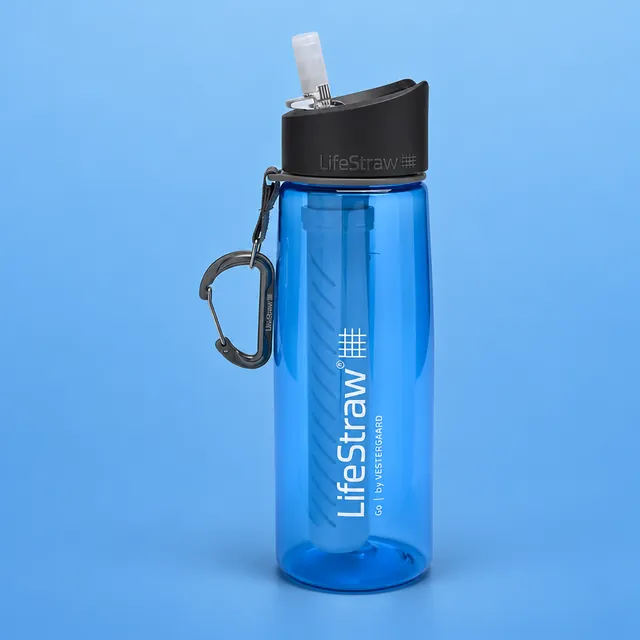
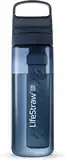
#3 Go Water Bottle with Filter LifeStraw | Hollow Fiber + Carbon | $44.95 | 1,000 gallons (membrane), 26 gallons (carbon) | Daily Use | |
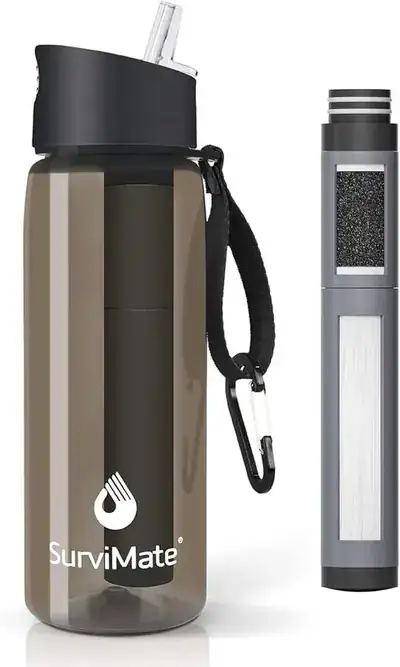
#4 Filter Water Bottle SurviMate | 4-Stage Filtration | $25.99 | 100 gallons | Daily Use | |
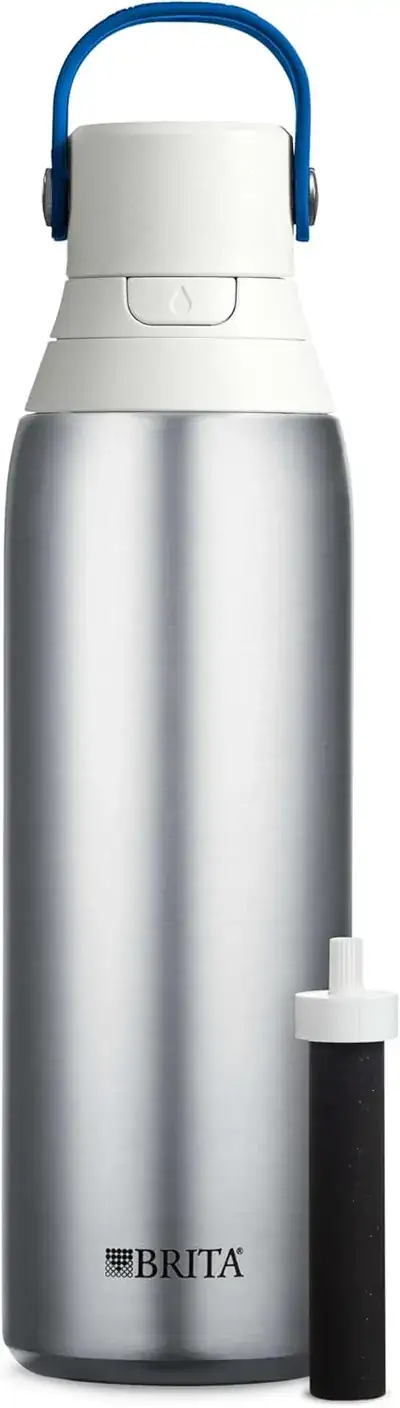
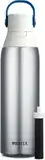
#5 Stainless Steel Filter Bottle BRITA | Activated Carbon | $31.49 | 40 gallons per filter | Daily Use |
Detailed Reviews & Analysis
Model-by-model choices, maintenance needs and trade-offs
UltraPress Water Purifier
GRAYL
The GRAYL UltraPress is a premium water purifier bottle that removes viruses, bacteria, and protozoa in just 10 seconds. Perfect for international travel where water safety is uncertain. OnePress technology makes purification effortless.
Best For
Travel, hiking, and outdoor adventures where bacterial protection is essential. Compare exact-model virus reduction and bacteria from streams/lakes.
Pros
- ✓Compare exact-model virus reduction
- ✓10-second purification
- ✓No batteries or pumping needed
- ✓Compact 16oz size
- ✓Great for international travel
- ✓Removes heavy metals & chemicals
Cons
- −Higher price point
- −Smaller capacity than GeoPress
- −Filter cartridge replacement cost
GeoPress Water Purifier
GRAYL
The GeoPress offers the largest capacity in GRAYL's lineup with 24oz and even faster 8-second purification. Removes viruses, bacteria, heavy metals, and chemicals. Built for adventurers who demand the best protection.
Best For
Daily use at work, gym, or school with municipal tap water. Removes chlorine and improves taste. For comprehensive home filtration, see our reverse osmosis guide.
Pros
- ✓Largest capacity (24oz)
- ✓8-second purification
- ✓Removes heavy metals & chemicals
- ✓Built to last
- ✓Great for adventurers
- ✓Global virus protection
Cons
- −Most expensive option
- −Bulkier than UltraPress
- −Replacement cartridges needed
Go Water Bottle with Filter
LifeStraw
The LifeStraw Go combines a durable BPA-free water bottle with integrated 2-stage filtration. Perfect for travel, daily commutes, or gym use. Removes bacteria, parasites, and improves taste by reducing chlorine and odors.
Best For
Daily use at work, gym, or school with municipal tap water. Removes chlorine and improves taste. For comprehensive home filtration, see our reverse osmosis guide.
Pros
- ✓2-stage filtration system
- ✓Leak-proof with carabiner clip
- ✓Filters 1,000 gallons (membrane)
- ✓No batteries or charging needed
- ✓BPA-free Tritan plastic
- ✓Removes microplastics
Cons
- −Requires suction effort to drink
- −Cannot put in dishwasher
- −Carbon filter needs replacement every 26 gallons
Filter Water Bottle
SurviMate
Affordable 4-stage filtration system that offers portable filtration within its model-specific limits. Great entry-level option for camping and emergency preparedness.
Best For
Daily use at work, gym, or school with municipal tap water. Removes chlorine and improves taste. For comprehensive home filtration, see our reverse osmosis guide.
Pros
- ✓Very affordable
- ✓4-stage filtration
- ✓Lightweight & portable
- ✓22oz capacity
- ✓Good for emergencies
Cons
- −Less proven brand
- −Shorter filter lifespan
- −May not remove viruses
Stainless Steel Filter Bottle
BRITA
Insulated stainless steel bottle with BRITA's trusted filtration technology. Perfect for improving tap water taste and reducing chlorine during daily activities.
Best For
Daily use at work, gym, or school with municipal tap water. Removes chlorine and improves taste. For comprehensive home filtration, see our reverse osmosis guide.
Pros
- ✓Trusted BRITA brand
- ✓Stainless steel insulated
- ✓Great for tap water
- ✓Affordable price
- ✓BPA-free & reusable
Cons
- −Not for backcountry use
- −Only improves taste
- −Doesn't remove bacteria/viruses
Portable water filters are incredibly simple to use, but proper first-time setup and maintenance ensures optimal performance and safety. Each type has slightly different preparation steps. For home use, compare with under sink systems or water pitchers.
Filtered Water Bottles - First Use Setup
Initial Preparation (10-15 minutes)
- Wash all components: Separate the lid, straw, filter cartridge, and bottle. Wash with warm soapy water. Rinse thoroughly. Do not put filter cartridge in dishwasher, hand wash only.
- Soak filter cartridge (carbon filters): Submerge filter in cold water for 15 minutes to fully saturate the carbon media. This prevents air pockets that reduce effectiveness.
- Install filter: Insert filter into designated housing following directional arrows. Most screw in clockwise. Ensure it's fully seated, partial installation causes leaks.
- Flush filter: Fill bottle with tap water and drink/discard 2-3 full bottles. This flushes carbon fines (harmless black particles) and activates the media. Water may taste slightly off initially, this is normal.
- Test for leaks: Fill bottle completely and invert over sink for 30 seconds. Check lid seal, filter connection, and straw seal. Tighten if any drips detected.
Daily Use Instructions
- Fill from any tap, fountain, stream, or lake (check product specs for water source compatibility - some portable filters remove bacteria from natural sources)
- Drink normally through straw or spout, filtration happens automatically as you sip
- No need to wait, water is filtered instantly as it passes through media
- Refill as needed, most bottles filter 20-50 refills per cartridge
- Empty and dry completely when not in use for extended periods (more than 1 week)
Press Purifiers (GRAYL) - Setup
Press purifiers like GRAYL UltraPress use mechanical pressure to force water through purification media. This removes viruses, bacteria, and protozoa that standard filters miss.
First Use Preparation
- Separate outer shell from inner press mechanism
- Wash all components with warm soapy water, rinse thoroughly
- Fill outer shell with clean tap water to the fill line
- Insert inner press and push down firmly for 8-10 seconds
- Discard first 2-3 cycles to flush the purifier cartridge
- Unit is now ready for field use
Operating Instructions
- Fill outer cup: Dip into any freshwater source (lake, stream, tap). Avoid salt water or chemically contaminated sources.
- Insert press: Place inner cartridge into outer cup. Align properly to prevent cross-threading.
- Press firmly: Push down with steady pressure for 8-10 seconds (GRAYL) or 15-20 seconds (other brands). You'll feel resistance, this is normal.
- Drink or pour: Purified water is now in the inner chamber. Drink directly from spout or pour into other containers.
- Repeat: Empty inner chamber, refill outer cup, and press again for additional purified water.
Straw Filters (LifeStraw, Sawyer Mini) - Setup
Personal straw filters are the lightest, most compact option for emergency preparedness and minimalist backpacking. No setup required, just drink directly from water source.
First Use Activation
- Remove from packaging and inspect for damage
- Submerge both ends in clean water for 10 seconds (saturates filter media)
- Suck water through straw 5-6 times and spit out (flushes preservative solution)
- Filter is now ready, no batteries, pumping, or chemicals needed
Using Your Straw Filter
- Direct drinking: Place straw directly into water source (stream, puddle, bottle) and sip normally. Filtration is automatic.
- With squeeze pouches: Fill included pouch from water source, attach straw, and squeeze to drink. Easier than direct drinking.
- Backflushing (Sawyer only): Use included syringe to push clean water backward through filter every 30-40 liters. This clears clogs and restores flow rate.
Limitations of Straw Filters
- • Do NOT remove viruses (only bacteria and protozoa)
- • Not suitable for chemically contaminated water
- • Must be stored dry to prevent bacterial growth
- • Flow rate slows significantly when clogged, backflush regularly
- • Drinking directly from source can be awkward/tiring
Calculate how many replacement filters you'll need based on your travel frequency and adventure style.
Calculate Your Annual Filter Needs
Hiking, camping, travel, or emergency use
Day hikes: 1, Weekend trips: 2-3, Expeditions: 7+
Your Filter Requirements
Recommendation
Moderate usage detected. You'll need approximately 4 filters annually. Buy filters in 2-3 packs to save . For frequent international travel, consider a GRAYL purifier for virus protection.
Filter Lifespan by Product Type
Basic Carbon Bottle Filters
Brita, PUR bottles
40 gallons / 2 months
$12-18 replacement
GRAYL Purifier Cartridges
UltraPress, GeoPress
300-350 presses / 65 gal
$25-30 replacement
LifeStraw Personal
Straw filter
1,000 liters / 264 gal
Replace entire unit ($15)
Sawyer Mini/Squeeze
Hollow fiber filter
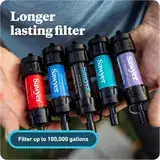
100,000 gallons
Lifetime warranty
* Assumes 4 refills per day of use. Actual lifespan varies with water turbidity and usage patterns.
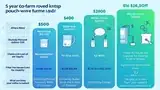
Portable filters range from $15 basic straws to $100 premium purifiers. Understanding total cost of ownership helps you select the best value for your needs.
Basic Filtered Bottle (Brita/PUR)
Initial Costs
Ongoing Costs
Premium Purifier (GRAYL UltraPress)
Initial Costs
Ongoing Costs
5-Year Cost Comparison vs Alternatives
Sawyer Mini
$25
Lifetime use
Filtered Bottle
$165
Moderate use
GRAYL Purifier
$215
Best protection
Bottled Water
$1,300
Ongoing expense
Value Analysis for Travelers
For someone taking 15 trips per year (moderate traveler), portable filters provide massive savings:
- • Portable filter (5 years):$165
- • Buying bottled water on trips:$1,300
- • Savings:$1,135
- • Plastic bottles prevented:900+
Hidden Costs & Considerations
Airline Liquid Restrictions
Empty bottles pass through security, then fill at airport fountains. This saves $3-8 per bottle at airport shops. Over 10 flights per year, that's $30-80 annual savings beyond filter costs.
International Health Protection
Traveler's diarrhea affects of international tourists, costing $200-500 in medical care, lost activities, and comfort. A $75 virus-removing purifier is cheap insurance against ruined vacations.
Convenience Value
Time spent finding bottled water, carrying cases, and disposing of empties has real value. Portable filters let you refill anywhere in seconds, adding flexibility to travel itineraries.
Proper maintenance extends filter life, prevents contamination, and ensures safe drinking water. Different filter types require specific care routines.
Maintenance Schedule
After Every Use
Empty and air dry
Remove cap and let bottle air dry completely. Standing water promotes bacterial growth and mold. Never store with water inside for more than 24 hours.
Daily (When In Use)
Rinse filter and bottle
Rinse interior with clean water after each day of use. Wipe mouthpiece and threads with clean cloth. This prevents buildup and extends filter life.
Weekly
Deep clean bottle (not filter)
Wash bottle, lid, and straw with warm soapy water or in dishwasher (top rack only). Never put filter cartridge in dishwasher, hand rinse only with water.
Every 2-4 Weeks
Sanitize mouthpiece and lid
Clean and sanitize mouthpiece and lid using the exact manufacturer-approved procedure. Do not assume vinegar disinfects them.
As Needed
Backflush filter (Sawyer only)
Use provided syringe to push clean water backward through filter. Do this when flow rate slows (every 30-40 liters). Can help restore flow when performed according to the manual.
Per Manufacturer Schedule
Replace filter cartridge
Brita/PUR: 40 gallons or 2 months. GRAYL: 300 presses or 6 months. LifeStraw: 1,000 liters. Replace earlier if flow rate drops significantly or taste changes.
Storage Guidelines
Proper Storage
- • Store completely dry with cap removed
- • Keep in cool, dry place away from direct sunlight
- • Remove filter and store separately if long-term
- • Protect from freezing (damages filter media)
- • Store upside down to prevent dust accumulation
Avoid These Mistakes
- • Never store with standing water inside
- • Don't leave in hot car (degrades plastic/seals)
- • Don't freeze filter (cracks hollow fibers)
- • Use only manufacturer-approved sanitizing methods
- • Don't share mouthpiece without cleaning
Troubleshooting Common Issues
Slow Flow Rate / Hard to Drink
Causes: Clogged filter media, air lock, partially seated filter
Solutions:
- Backflush filter (Sawyer) to clear sediment and restore flow
- Soak filter in clean water for 15 minutes to eliminate air pockets
- Check filter is fully inserted and properly aligned
- Replace filter if near end of rated capacity (40-300 uses)
- For GRAYL: ensure proper seal between inner/outer chambers
Bad Taste or Odor
Causes: Saturated carbon, bacterial growth, mold in lid/straw
Solutions:
- Replace filter cartridge immediately, don't use expired filters
- Deep clean all components with vinegar solution (1:3 ratio)
- Inspect straw, mouthpiece, and threads for mold, replace if present
- Ensure bottle and lid are completely dry between uses
- Source water quality may be beyond filter's capability, use cleaner source
Leaking from Lid or Filter Connection
Causes: Damaged gasket, cross-threaded lid, worn seals
Solutions:
- Inspect rubber gaskets and O-rings, replace if cracked or compressed
- Ensure filter cartridge is screwed in completely and aligned properly
- Tighten lid fully but don't over-torque (damages threads)
- Check for cracks in bottle or lid, replace if damaged
- Contact manufacturer for warranty replacement if defective
Filter Won't Insert or Falls Out
Causes: Wrong filter type, stripped threads, manufacturing defect
Solutions:
- Verify you're using correct replacement filter for your bottle model
- Check threads on both filter and housing for damage or debris
- Clean threads thoroughly and try again with gentle pressure
- Don't force, cross-threading damages both components permanently
- Contact manufacturer if filter doesn't fit despite being correct model
Complete Cost Analysis
Initial Investment
Note: Professional installation may add $100-$500 depending on system complexity.
Annual Operating Costs
Filter Replacements
Annual cartridge costs
Maintenance
Cleaning and upkeep
Water Usage
Minimal to none
Compare to $600+ per year for bottled water
5-Year Total Cost of Ownership
$839.95
$89.95 + $750 (5yr)
$849.95
$99.95 + $750 (5yr)
$794.95
$44.95 + $750 (5yr)
Recommended Multi-Stage Filtration
Micro Filter
Removes particles and sediment
Activated Carbon
Reduces chlorine and odors
Final Filter
Polishes for optimal taste
Find the Right Filter for Your Water

Test Your Water
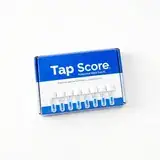
Not sure what's in your tap water? Get a comprehensive water testing kit to identify contaminants.
Take the Filter Finder Quiz
Answer a few questions and get personalized filter recommendations for your needs.
- Start drinking clean water today.

- Better Health
- Enhanced Focus
- Healthier Skin
- Better Taste
- Better Coffee & Tea
- Less Plastic Waste
- Longer Appliance Life
Complete Guide to Portable Water Filter Bottles
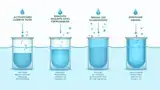
Understanding Portable Filter Technologies
Hollow Fiber Membrane Filters
The gold standard for outdoor and travel filters. Microscopic hollow fibers with 0.1-0.2 micron pores physically block bacteria and protozoa while allowing water molecules to pass through. Found in LifeStraw, Sawyer, and Katadyn models. These filters work mechanically - no chemicals, no batteries. Can filter 1,000-100,000 gallons depending on model. Weakness: Don't remove viruses (0.02 microns), chemicals, or heavy metals. Best for: Hiking, camping, and travel in North America where viral contamination is rare.
Activated Carbon Filters
Carbon filters excel at improving taste and removing chlorine, not biological protection. Found in Brita and PUR portable bottles. Activated carbon has millions of microscopic pores that trap chlorine, VOCs, and some heavy metals like lead. Filter life: 40-100 gallons before carbon becomes saturated. These are taste-improvement filters for municipal tap water, not for streams or questionable sources. Best for: Daily use from city water fountains, office water coolers, or any treated tap water.
UV Purification + Filtration
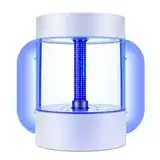
Some advanced bottles (like CrazyCap and LARQ) combine filtration with UV-C light purification. UV light destroys bacteria, viruses, and protozoa DNA, rendering them harmless. Battery-powered UV lamp activates for 60-180 seconds per cycle. This combination removes biological threats AND improves taste. Limitation: Requires charging, more expensive ($50-100), doesn't remove chemicals or heavy metals. Best for: International travel where viruses are a concern.
Choosing Based on Water Source
Municipal Tap Water (USA/Europe/Australia)
Recommended: Carbon filter bottles (Brita, PUR) - $20-35
Why: Municipal water is already treated for bacteria and viruses. You only need to improve taste by removing chlorine and reducing lead/copper from old pipes. Carbon filters are perfect for this and offer fast flow with easy drinking.
Use cases: Office, gym, school, travel within developed countries
Outdoor/Wilderness Water (streams, lakes)
Recommended: Hollow fiber bottles (LifeStraw Go, Sawyer) - $25-45
Why: Natural water sources contain bacteria (E. coli, Salmonella) and protozoa (Giardia, Cryptosporidium) that cause severe illness. Hollow fiber filters remove of these threats. North American wilderness water rarely contains viruses.
Use cases: Hiking, camping, backpacking, emergency preparedness
International Travel (developing countries)
Recommended: Advanced filtration + purification (Grayl GeoPress, UV bottles) - $60-100
Why: Water in some countries may contain viruses (Hepatitis A, rotavirus, norovirus) in addition to bacteria and protozoa. You need both filtration AND purification (UV, chlorine dioxide, or iodine).
Use cases: Travel to Asia, Africa, Latin America, Southeast Asia
Material Safety & Durability
BPA-Free Plastics
Most quality filter bottles use BPA-free plastics like Tritan or polypropylene. These materials don't leach harmful chemicals into water. Tritan is the premium option - extremely durable, crystal clear, and dishwasher safe. Polypropylene is lighter and more affordable but can discolor over time. Always verify "BPA-free" certification before purchasing.
Stainless Steel Options
Some bottles (like Grayl) use food-grade stainless steel construction. Benefits: No plastic taste, excellent durability, won't discolor, retains temperature better. Downsides: Heavier (12-16oz empty vs 6-8oz for plastic), more expensive, can't see water level inside. Great for daily commuters who prioritize durability.
Silicone Components
Drinking spouts, gaskets, and bite valves are typically food-grade silicone. Silicone is flexible, doesn't harbor bacteria like rubber, and withstands temperature extremes. Check that silicone parts are removable for thorough cleaning to prevent mold growth.
Filter Replacement & Costs
| Filter Type | Lifespan | Replacement Cost | Annual Cost* |
|---|---|---|---|
| Brita Carbon | 40 gallons (2 months) | $8 each | $48 |
| LifeStraw Hollow Fiber | 1,000 gallons (1-2 years) | $25 (whole unit) | $13 |
| LifeStraw Carbon | 26 gallons (1-2 months) | $12 for 2-pack | $36 |
| Grayl Cartridge | 65 gallons (3-4 months) | $25 each | $75 |
| UV Battery | ~200 cycles | USB rechargeable | $5 (electricity) |
*Based on 1 gallon/day usage. Heavy users may need more frequent replacements.
Cost vs. Bottled Water
At $1.50/bottle (16.9oz), drinking 64oz per day costs $355/year. Even the most expensive portable filter (Grayl at $100 initial + $75/year) pays for itself in 6 months while eliminating ~730 plastic bottles annually.
Cleaning & Maintenance Best Practices
Daily Maintenance
- Empty completely after each use - don't store water in bottle overnight
- Rinse bottle and cap with clean water
- Air dry with cap off to prevent mold growth
- Store in dry location, not in humid gym bag
Weekly Deep Clean
- Remove filter cartridge
- Wash bottle with warm soapy water and bottle brush
- Clean lid, straw, and bite valve with small brush or pipe cleaner
- Rinse thoroughly - soap residue affects taste
- Use the manufacturer’s approved cleaning and sanitizing procedure; vinegar is not a general disinfectant
- Check manufacturer guidelines - some bottles are dishwasher safe (top rack only, remove filter first)
Filter Maintenance
- Carbon filters: Replace on schedule, cannot be cleaned
- Hollow fiber filters: Backflush periodically if flow slows (some models like Sawyer), or replace entire unit when capacity reached
- UV bulbs: Keep charged, clean bulb surface with alcohol wipe monthly
Warning signs of mold/bacteria: Musty smell, slimy feeling inside bottle, black spots on gaskets, or strange taste. If cleaning doesn't resolve, replace affected parts or entire bottle.
Common Problems & Solutions
Hard to Suck / Slow Flow
Causes: Clogged filter, air lock, filter at end of life
Solutions: Backflush filter if possible, ensure filter is properly seated, replace filter, or switch to gravity-style bottle if suction is too difficult
Leaking from Lid or Straw
Causes: Worn gasket, improper assembly, crack in plastic
Solutions: Replace silicone gaskets ($5-10), ensure all parts properly threaded, inspect for cracks and replace bottle if damaged
Bad Taste or Smell
Causes: New filter needs priming, old filter, mold in lid/straw
Solutions: Flush new filters per instructions, replace old filters immediately, deep clean all components with vinegar, ensure bottle dries completely between uses
Filter Freezing (Winter Hiking)
Issue: Water inside hollow fiber filters can freeze and crack the fibers, ruining filtration
Prevention: Store bottle inside jacket near body heat, blow air back through filter to clear water before freezing temps, or use insulated bottle sleeve
Environmental Impact
The average American uses 156 plastic water bottles per year. Only get recycled - the rest end up in landfills or oceans where they take 450 years to decompose.
With Portable Filter Bottle
- 1 bottle replaces 300-1,000 plastic bottles per year
- Reduces plastic waste by 20-40 lbs annually
- Saves $300-500 per year vs bottled water
- Lower carbon footprint (no transportation of bottled water)
Without (Disposable Bottles)
- 156 bottles per person per year
- 111 end up in landfill/ocean
- $235-470 annual cost
- 2,000x more energy to produce than tap water
Sustainable choice: Even if you replace your filter bottle every 2 years, you're preventing 600-2,000 single-use bottles from being manufactured and discarded. One of the most impactful environmental switches you can make.
Portable Filter Buying Guide
Portable Filter Bottle Buying Guide
Portable water filter bottles combine convenience and sustainability, allowing you to fill up from virtually any tap (or stream, for outdoor models) and drink filtered water immediately. They're the perfect middle ground between buying disposable bottles and carrying heavy unfiltered water.
You've got filter bottle questions, we have answers.
What's the difference between portable filter bottles and outdoor filters?
Portable bottles integrate the filter into the bottle (LifeStraw Go, Brita bottles) - convenient for daily use but limited capacity. Outdoor filters are standalone units (Sawyer Mini, LifeStraw Personal) that attach to multiple containers or allow direct drinking from water sources - more versatile for camping but less convenient for gym/office use.
Do portable water filters remove viruses?
Many hollow-fiber portable filters reduce bacteria and protozoa but not viruses. Brita-style taste filters are not pathogen filters. Verify virus protection for the exact purifier or disinfectant and follow local notices; do not assume geography alone makes water safe.
How long do portable filter bottles last?
Bottle itself: 2-5 years with care. Filters: 40 gallons (Brita carbon) to 1,000 gallons (LifeStraw membrane) to 100,000 gallons (Sawyer). Actual lifespan depends on water quality. Heavily chlorinated or sediment-rich water shortens filter life. Track gallons used or replace when flow rate slows significantly.
Can I use portable filters for tap water and outdoor water?
Depends on filter type. Taste-improvement filters (Brita, PUR): tap water only, no biological protection. Outdoor-rated filters (LifeStraw Go, Sawyer): work for both tap and natural sources. Check specifications - look for bacteria/protozoa removal claims and 0.1-0.2 micron pore size for outdoor use.
How do I maintain my portable filter bottle?
Empty after each use to prevent mold. Hand wash bottle regularly with mild soap (dishwasher safe varies by model). Backflush membrane filters monthly if flow slows. Replace carbon filters per manufacturer schedule. Store completely dry. Never freeze - damages membrane filters. Deep clean with vinegar solution quarterly for hard water buildup.
Related Articles
More on Backpacking Water Treatment
Deep dive — Emergency Water Preparedness
Read: International Travel Water Safety
Our picks for Water Bottles with Filters
Our picks for Water Pitchers
Buying guide: Countertop Filters
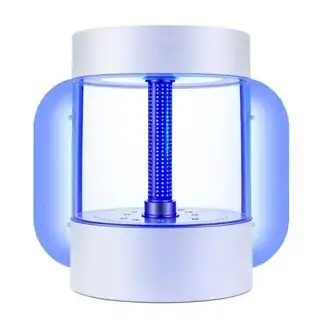
UV Water Purifiers
Bacteria in Water — risks and removal
Filtering for Turbidity Removal
Best RV Water Filters
Step-by-step: Water Testing Kits
Read: How Water Filters Work