Where chromium-6 in water comes from
Chromium is a natural metal. Its two common forms behave very differently: chromium-3 is found in food and is a nutrient in small amounts, while chromium-6 is more toxic.
- Natural deposits release chromium-6 into groundwater in parts of California, the Southwest and other regions.
- Industry such as chrome plating, steel making, leather tanning and wood treatment can add more near old sites.
- Public water must meet the total chromium limit; many utilities also report a chromium-6 result.
For the history behind the headlines, read chromium-6 and the Erin Brockovich case.
Health effects and the limits
- EPA limit: 0.1 mg/L (100 ppb) for total chromium, with no separate chromium-6 limit. EPA explains its ongoing review on its chromium in drinking water page.
- California limit: 10 ppb hexavalent chromium, effective October 1, 2024. See the California State Water Board.
- Cancer: a 2008 National Toxicology Program study found cancer in lab animals given high doses in drinking water.
- Other effects: high exposure can irritate the stomach and harm the liver and kidneys.
More detail is in chromium-6 in drinking water.
How to test for chromium-6
- Read your water quality report and ask the utility whether it has a hexavalent chromium result.
- On a well, use a certified lab and ask for hexavalent chromium specifically.
- Compare against both limits: the federal total chromium limit and California's stricter chromium-6 limit.
- Test the treated tap after installing a system.
Compare lab and home options in our water test kits guide.
RO systems to compare for chromium-6
These under-sink RO systems treat drinking and cooking water. Check the listing for a hexavalent chromium claim before you buy.
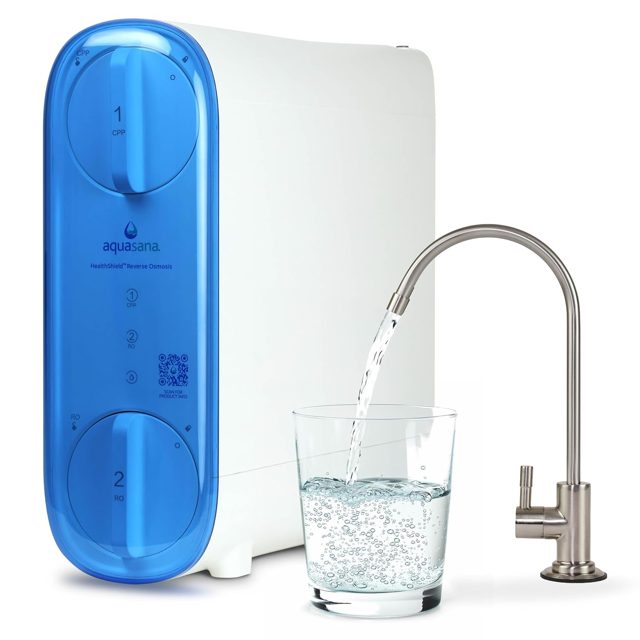
Aquasana Tankless Reverse Osmosis System (800 GPD)
Aquasana Tankless Reverse Osmosis System (800 GPD)
Aquasana's performance data sheet for this tankless model (AQ-HSRO800) lists 95.25% hexavalent chromium and 99.65% trivalent chromium reduction under NSF/ANSI 58, plus lead, arsenic V and fluoride reduction.
Compare sizing, treatment options and ongoing costs in our best reverse osmosis systems guide.
iSpring RCC7AK 6-Stage RO System
iSpring RCC7AK 6-Stage RO System
A lower-cost under-sink RO system with a remineralization stage. NSF's listing for this model names TDS reduction, not chromium-6, so treat any chromium result as unconfirmed and lab-test the RO tap after installing.
Compare sizing, treatment options and ongoing costs in our best reverse osmosis systems guide.
Step-by-step options are in how to remove chromium-6 from water.
Chromium-6 treatment options compared
| Method | Treats | Watch out for |
|---|---|---|
| Under-sink reverse osmosis | Drinking and cooking water | Choose a model whose listing names hexavalent chromium |
| Anion exchange | Point of use or whole house | Needs regeneration or media replacement; sulfate competes |
| Reduction, coagulation and filtration | Used by water utilities | Not a home option |
| Distillation | Small batches of drinking water | Slow and uses electricity |
| Carbon pitchers and fridge filters | Not designed for chromium-6 | Only trust a listing that names it |
| Boiling | Does not remove chromium-6 | Concentrates it slightly |
Chromium can change form. Chlorine in city water can turn chromium-3 into chromium-6 in pipes, so a low result at the plant may not match your tap. Test the water you actually drink.
Bottom line
Find your chromium-6 number first. If it's above California's 10 ppb limit or you simply want less, treat drinking water with an RO system that lists hexavalent chromium reduction and confirm the result. Compare full rankings in our best reverse osmosis systems guide and see the other common water contaminants.