Best Water Filters for Babies & Toddlers: Safe Formula Preparation
Your baby deserves the purest, safest water possible. This comprehensive guide helps parents choose the best water filtration systems for formula preparation, covering fluoride removal, lead protection, nitrate filtration, and expert recommendations backed by pediatric health research.
Quick Navigation
Babies and toddlers are uniquely vulnerable to water contaminants in ways that adults are not. Their small body size, rapidly developing organs, and immature immune systems mean that even trace amounts of contaminants can cause serious, often irreversible health damage.
Critical Risk Factors for Infants
Body Weight Ratio
Babies consume 2-3 times more water per pound of body weight than adults. A contaminant at "safe" adult levels becomes toxic when adjusted for an infant's small size. An 8-pound baby drinking 24 oz of formula daily has proportionally massive exposure.
Developing Blood-Brain Barrier
Infants' blood-brain barriers are not fully developed until age 2-3, allowing neurotoxins like lead and fluoride to enter the brain more easily. This can cause permanent cognitive impairment, lower IQ, and behavioral disorders.
Immature Kidney Function
Babies' kidneys don't fully mature until age 2, making them unable to filter and excrete toxins efficiently. Contaminants like nitrates, lead, and heavy metals accumulate in their systems, causing organ damage.
Rapidly Dividing Cells
During infancy and toddlerhood, cells divide rapidly for growth. Carcinogens (arsenic, chromium-6) and endocrine disruptors interfere with this process, increasing cancer risk and hormonal disruption later in life.
Exclusive Water Source
Formula-fed babies rely 100% on water for hydration and nutrition for the first 6+ months. Unlike adults who get water from diverse sources (beverages, food), babies have concentrated exposure to the same tap water daily.
What Major Health Organizations Say
American Academy of Pediatrics (AAP)
Recommends using low-fluoride or fluoride-free water for formula preparation to prevent dental fluorosis. States there is no safe level of lead exposure for children and urges testing in older homes.
Centers for Disease Control (CDC)
Advises parents to use filtered or bottled water for formula if tap water is from a private well (untested) or if the home has lead pipes. Emphasizes that boiling water does not remove chemical contaminants.
Environmental Protection Agency (EPA)
Sets stricter standards for contaminants harmful to infants (nitrates at 10 ppm, lead action level at 15 ppb). Recommends point-of-use filtration in homes with known contamination.
The bottom line: What's "safe" for adults is often dangerous for babies. Filtering water for formula preparation and toddler drinking water is not optional—it's essential preventive healthcare.
Not all water contaminants pose equal risk to infants. Here are the most dangerous compounds that parents must filter out:
Lead (Pb)
Source: Lead pipes, lead solder in plumbing (pre-1986 homes), service lines, corroded fixtures
Baby Health Impact:
- Permanent brain damage and lowered IQ (even at 1-5 ppb)
- Delayed physical and cognitive development
- Behavioral problems, learning disabilities, ADHD
- Hearing and speech impairment
- Anemia and weakened immune system
NO amount of lead is safe for babies. EPA action level (15 ppb) is NOT a safe threshold for infants.
Read full lead contamination guide →Nitrates/Nitrites
Source: Agricultural runoff, fertilizers, septic systems, animal waste
Baby Health Impact:
- Methemoglobinemia (blue baby syndrome) - life-threatening
- Prevents blood from carrying oxygen to organs and brain
- Symptoms: blue-tinted skin, shortness of breath, lethargy, vomiting
- Can be fatal if untreated in infants under 6 months
EPA limit: 10 ppm nitrate-nitrogen. For babies under 6 months, use water with <1 ppm nitrates.
Critical: Boiling water INCREASES nitrate concentration. Use RO or distilled water if nitrates are present.
Fluoride
Source: Intentionally added to municipal water (0.7-1.2 ppm), natural geological deposits
Baby Health Impact:
- Dental fluorosis (permanent white spots, pitting on teeth)
- Affects 40% of children in fluoridated areas
- Potential neurotoxicity (studies show 3-7 point IQ reduction)
- Thyroid dysfunction (interferes with iodine absorption)
- Skeletal fluorosis in high-exposure cases
AAP recommends using low-fluoride water (<0.3 ppm) for formula to prevent fluorosis.
Learn more about fluoride in baby water →Arsenic
Source: Natural geological deposits, agricultural runoff, industrial pollution
Baby Health Impact:
- Carcinogenic (bladder, lung, skin cancer later in life)
- Developmental delays and cognitive impairment
- Weakened immune system
- Respiratory issues and skin lesions
- Studies link infant exposure to lower IQ scores
EPA limit: 10 ppb. Studies show health effects at 5 ppb. Use water with <3 ppb for babies.
Read arsenic contamination guide →Bacteria & Parasites
Source: Contaminated wells, aging municipal infrastructure, biofilm in pipes
Baby Health Impact:
- Severe diarrhea and dehydration (life-threatening in infants)
- E. coli, Giardia, Cryptosporidium infections
- Vomiting, fever, and electrolyte imbalance
- Chronic infections can cause failure to thrive
Protection: Boiling water for 1 minute kills bacteria/parasites, but combine with filtration to remove chemical contaminants. RO systems remove 99%+ of microorganisms.
Chromium-6 (Hexavalent)
Source: Industrial pollution, corroded plating, manufacturing waste
Baby Health Impact:
- Carcinogenic (stomach, intestinal cancers)
- Damages developing organs and DNA
- Linked to birth defects in high-exposure areas
- No federal drinking water limit (unregulated by EPA)
California public health goal: 0.02 ppb. Use RO systems for removal.
Read Chromium-6 guide →Other Concerning Contaminants for Babies
Chlorine & Chloramines
Irritate sensitive digestive systems, cause skin rashes during bathing. Carbon filters remove effectively.
PFAS (Forever Chemicals)
Linked to immune system suppression, developmental delays, and cancer. RO systems + activated carbon remove.
Pharmaceutical Residues
Trace medications in water may affect infant hormones and development. RO filtration recommended.
Pesticides & Herbicides
Endocrine disruptors that interfere with growth hormones. Common in agricultural areas. Carbon + RO filtration.
Fluoride in baby formula water is one of the most debated topics among pediatricians and parents. Here's what the science says:
The Fluoride Paradox
Fluoride is added to municipal water to prevent tooth decay, but for babies consuming formula made with fluoridated water, it creates a risk-benefit dilemma:
Potential Benefits
- • May strengthen developing tooth enamel when used topically (toothpaste)
- • Reduces cavity risk in older children (age 2+)
- • Effective when applied directly to teeth, not ingested
Known Risks for Infants
- • Dental fluorosis: Permanent white spots, brown staining, pitting on teeth (40% of US children affected)
- • Neurotoxicity: Multiple studies link fluoride exposure to 3-7 point IQ reduction
- • Thyroid issues: Interferes with iodine, affecting thyroid development
- • Over-exposure: Formula-fed babies get 100-200x more fluoride than breastfed babies
American Academy of Pediatrics (AAP) Official Stance
The AAP recommends using low-fluoride or fluoride-free water for mixing infant formula to reduce the risk of dental fluorosis.
AAP Fluoride Guidelines for Formula-Fed Babies:
- If using tap water with fluoride (0.7-1.2 ppm), consider using low-fluoride bottled water or filtered water for formula preparation
- Ideal fluoride level for formula water: <0.3 ppm (effectively fluoride-free)
- Fluoride supplementation should NOT begin until age 6 months and only if local water is low in fluoride
- Tooth decay prevention should focus on oral hygiene (fluoride toothpaste after age 2) rather than ingested fluoride
How to Remove Fluoride from Water for Baby Formula
Not all water filters remove fluoride. Here are the ONLY methods that work:
Reverse Osmosis (RO) Systems
Remove 95-99% of fluoride. The gold standard for baby formula water. See our top-rated RO systems →
Distilled Water (Bottled)
Fluoride-free. Look for bottles labeled "distilled" or "purified" (not just "drinking water"). Check label to confirm <0.3 ppm fluoride.
Activated Alumina Filters
Specialty fluoride removal filters. Expensive and require maintenance. Less common for home use.
Standard Carbon Filters, Pitcher Filters, Faucet Filters
Do NOT remove fluoride. Brita, PUR, and most countertop/under sink carbon filters leave fluoride untouched.
Important: If you choose to use fluoridated tap water for formula (against AAP guidance), your baby should NOT receive fluoride supplements, and you should use only a smear of fluoride toothpaste after age 2 to avoid over-exposure.
Lead is the single most dangerous contaminant for babies. There is no safe level of lead exposure for infants and children. Even trace amounts cause irreversible brain damage.
Why Lead is Uniquely Dangerous for Babies
The CDC and AAP state unequivocally: "There is no safe blood lead level in children." Even levels once considered "safe" (below 5 µg/dL) cause cognitive impairment.
Permanent Brain Damage
Lead exposure during infancy causes irreversible neurological damage. Studies show a 7-point IQ drop for every 10 µg/dL increase in blood lead levels. Learning disabilities and behavioral problems persist into adulthood.
Absorb 4-5x More Lead Than Adults
Babies absorb 40-50% of ingested lead compared to 10% in adults. Their developing digestive systems lack the protective mechanisms adults have, allowing lead to enter the bloodstream easily.
Critical Development Window (0-3 years)
The first three years of life are when brain architecture is being formed. Lead interferes with synapse formation, myelin development, and neural pathways—damage that cannot be reversed.
Is Your Home at Risk for Lead in Water?
Lead gets into drinking water primarily through plumbing, not the water source. Here's how to assess your risk:
High Risk Homes
- • Built before 1986 (lead pipes and solder legal until then)
- • Homes built before 1950 (highest risk - likely lead service lines)
- • Brass fixtures and faucets (can contain lead even if new)
- • Homes with recent plumbing work (disturbs lead sediment)
- • Properties in areas with known lead service lines
- • Water with low pH (acidic water corrodes pipes, leaching lead)
Lower Risk (But Still Test)
- • Built after 2014 (lead-free plumbing required)
- • All PEX or plastic plumbing (no metal pipes/fittings)
- • Recent water testing showing <1 ppb lead
- • Municipal water report confirms no lead in distribution
Note: Even new homes can have lead if brass fixtures are used. Always test if you have a baby.
How to Test for Lead in Your Water
Option 1: Free Testing from Your Water Utility
Most municipal water utilities offer free lead testing. Contact them and request a test kit. Turnaround: 1-2 weeks. Accuracy: Good for initial screening.
Option 2: Professional Lab Testing (Most Accurate)
Use EPA-certified labs for comprehensive testing. Cost: $40-100. Tests for lead + other contaminants (arsenic, copper, nitrates). Recommended for high-risk homes.
Option 3: Home Test Kits
DIY kits cost $15-30. Less accurate than lab testing but good for quick screening. Look for kits that detect lead at <5 ppb sensitivity.
Testing Protocol: Collect water after it's been sitting in pipes overnight (first draw). This shows worst-case lead levels. Test annually if you have babies/toddlers.
Best Filters for Lead Removal (Babies)
Only specific filtration technologies remove lead effectively. Look for NSF/ANSI Standard 53 certification for lead removal.
Reverse Osmosis (RO) Systems
Remove 95-99% of lead. Also eliminate fluoride, arsenic, nitrates simultaneously. Gold standard for baby formula water.
Cost: $200-500 upfront, $80-120/year filters
⚠️ Warning: Faucet-mounted filters and basic carbon filters are NOT reliable for lead removal. Always verify NSF-53 certification.
Bottom Line: If you have a baby and live in a home built before 1986, lead testing and filtration are non-negotiable. Use reverse osmosis systems for maximum protection.
Not all water filters are appropriate for baby formula preparation. Here's a breakdown of the best options and what contaminants each removes:
Reverse Osmosis (RO) Systems
RO systems are the gold standard for baby formula water. They remove virtually all contaminants that harm infants, including lead, fluoride, nitrates, arsenic, and bacteria.
✓ What RO Removes (95-99%):
- ✓ Lead and heavy metals (copper, mercury, cadmium)
- ✓ Fluoride (critical for baby formula)
- ✓ Nitrates and nitrites (blue baby syndrome prevention)
- ✓ Arsenic and chromium-6
- ✓ PFAS (forever chemicals)
- ✓ Bacteria, viruses, parasites
- ✓ Chlorine, chloramines, pesticides
- ✓ Total dissolved solids (TDS)
Key Features for Parents:
- • Provides the purest water possible for formula
- • Meets AAP fluoride recommendations
- • Long filter life (6-12 months carbon, 2-3 years membrane)
- • Under-sink installation keeps counters clear
- • Dedicated faucet for easy formula prep
- • One-time investment protects through toddler years
Cost Breakdown:
- • Upfront: $200-500 (quality systems)
- • Annual filters: $80-120
- • RO membrane: $50-80 every 2-3 years
- • Total 5-year cost: ~$650-900 (less than $0.40/day)
Distilled or Purified Bottled Water
Bottled water specifically labeled "distilled," "purified," or "for infant use" can be safe for formula preparation.
✓ Advantages:
- • No equipment needed
- • Convenient for travel
- • Fluoride-free (distilled/purified)
- • Sterile (sealed bottles)
✗ Disadvantages:
- • Expensive long-term ($30-60/month)
- • Environmental waste (plastic bottles)
- • Less regulated than tap water
- • Must verify label (not all bottled water is purified)
⚠️ Important Label Reading Guide:
- ✓ SAFE for baby formula: "Distilled," "Purified," "Deionized," "Nursery Water," "For Infant Formula"
- ✗ NOT recommended: "Spring Water," "Drinking Water," "Mineral Water" (may contain fluoride, high minerals, bacteria)
- Check fluoride content: Should be <0.3 ppm. Some nursery water ADDS fluoride—avoid these.
Under Sink Carbon Filters (NSF-53 Certified)
Carbon block filters certified to NSF/ANSI Standard 53 remove lead and many contaminants, but NOT fluoride or nitrates.
✓ What NSF-53 Filters Remove:
- ✓ Lead (95-99% if certified)
- ✓ Chlorine and chloramines
- ✓ VOCs and pesticides
- ✓ Sediment and rust
- ✓ Some cysts and bacteria
✗ What They DON'T Remove:
- ✗ Fluoride (AAP concern for babies)
- ✗ Nitrates (blue baby syndrome risk)
- ✗ Arsenic or chromium-6
- ✗ Total dissolved solids (TDS)
- ✗ Most viruses
Best for: Parents primarily concerned about lead in older homes who are okay with fluoridated water or supplement with low-fluoride bottled water.
Countertop Filters
Countertop water filters sit on your kitchen counter and filter on-demand. Good option for renters or those who can't install under-sink systems.
✓ Advantages:
- • No installation or plumbing required
- • Portable (take when you move)
- • Some models remove lead + fluoride
- • Affordable ($80-200)
✗ Limitations:
- • Takes up counter space
- • Slower filtration rate
- • Verify certification (not all remove lead/fluoride)
- • More frequent filter changes
Recommended for: Apartment dwellers, renters, or parents who want an affordable entry point. Choose models with NSF-53 (lead) certification.
Filters NOT Recommended for Baby Formula
❌ Standard Pitcher Filters (Brita, PUR - basic models)
Do NOT remove fluoride or lead unless specifically certified. Only improve taste/odor. Not safe for baby formula without verification.
❌ Faucet-Mounted Filters
Inconsistent lead removal, do not remove fluoride or nitrates. Too risky for infants.
❌ Refrigerator Filters
Remove chlorine and sediment only. Do NOT remove lead, fluoride, or nitrates. Not suitable for formula.
Once you have a proper filtration system, here's how to safely prepare baby formula using filtered water:
Step-by-Step Safe Formula Preparation
Start with Filtered Water
Use water from your RO system, NSF-certified filter, or distilled/purified bottled water. Avoid tap water unless tested and confirmed safe.
Boil Water (For Babies Under 3 Months, Premature, or Immunocompromised)
Bring filtered water to a rolling boil for 1 minute, then cool to lukewarm (98-100°F). Boiling kills bacteria but does NOT remove chemicals—that's why you filter FIRST, then boil.
Note: Most healthy babies over 3 months can use filtered water without boiling if using municipal water. Check with your pediatrician.
Mix Formula According to Instructions
Follow formula package directions exactly. Never dilute or concentrate formula—this can cause serious electrolyte imbalances in babies.
Test Temperature
Shake bottle well and test a few drops on your wrist. Should feel lukewarm, never hot. Overheated formula can destroy nutrients.
Use or Refrigerate Immediately
Prepared formula lasts 1 hour at room temperature or 24 hours refrigerated. Discard any formula left in bottle after feeding (saliva introduces bacteria).
Common Formula Preparation Mistakes to Avoid
❌ Using Unfiltered Tap Water "Because You Boiled It"
Boiling does NOT remove lead, fluoride, nitrates, or arsenic. In fact, boiling concentrates these contaminants. Always filter first.
❌ Microwaving Formula or Bottles
Microwaves create hot spots that can burn baby's mouth. They also destroy nutrients in formula. Warm bottles in a bowl of hot water instead.
❌ Using "Spring Water" or "Mineral Water" for Formula
These may contain high levels of minerals or fluoride. Always use distilled, purified, or RO-filtered water.
❌ Assuming Bottled Water is Always Safe
Some bottled "nursery water" contains ADDED fluoride (check label). Others are unregulated. Verify label says "purified" or "distilled" and fluoride <0.3 ppm.
Top Water Filter Recommendations for Baby Formula
Based on our research, pediatric health guidelines and NSF certifications, here are the best filtration systems for parents:
Reverse Osmosis Systems
The gold standard for baby formula water. Remove 95-99% of all contaminants including lead, fluoride, nitrates, arsenic, and bacteria.
Best for: Maximum protection, fluoride removal, lead removal, nitrate removal
Removes: Lead, fluoride, nitrates, arsenic, chromium-6, PFAS, bacteria, viruses, TDS
Investment: $200-500 upfront, $80-120/year filters
Certification: NSF/ANSI 53, 58, 401
Countertop Filters
No installation required. Perfect for renters and small kitchens. Choose models with NSF-53 certification for lead removal.
Best for: Renters, apartments, portability, budget-conscious parents
Removes: Lead (if NSF-53), chlorine, sediment, VOCs, some heavy metals
Investment: $80-200 upfront, $60-100/year filters
Limitation: Most don't remove fluoride (pair with low-fluoride bottled water)
NSF-53 Under Sink Filters
Certified carbon block filters that remove 95%+ of lead. More affordable than RO but don't remove fluoride or nitrates.
Best for: Lead removal in older homes, chlorine removal, taste improvement
Removes: Lead, chlorine, VOCs, pesticides, sediment, cysts
Investment: $150-300 upfront, $60-100/year filters
Limitation: Does NOT remove fluoride or nitrates
Whole House Water Filters
Filter all water in your home for comprehensive baby protection. Removes chlorine from bath water, preventing skin irritation.
Best for: Homeowners, bathing water, multiple water sources, long-term investment
Removes: Chlorine, sediment, some heavy metals, VOCs (with KDF media)
Investment: $300-1,500 upfront, $100-200/year filters
Note: Pair with under-sink RO for drinking water (whole house doesn't remove fluoride)
Step 1: Test Your Water First
Before investing in a filter, know what you're filtering. This helps you choose the right system and avoid overspending on unnecessary features.
Priority Contaminants to Test For (Babies):
- ✓ Lead (CRITICAL)
- ✓ Fluoride (for formula)
- ✓ Nitrates (well water especially)
- ✓ Arsenic
- ✓ Total coliform bacteria
- ✓ Chlorine levels
- ✓ pH (acidic water leaches lead)
- ✓ TDS (total dissolved solids)
Testing cost: $40-150 for comprehensive kits. Essential for high-risk homes (built pre-1986, well water, industrial areas).
Step 2: Choose Based on Your Budget & Needs
Budget: Under $200
Recommended: NSF-53 certified pitcher filter OR countertop filter + low-fluoride bottled water
- • Removes lead if NSF-certified
- • Supplement with distilled/purified bottled water for fluoride-free formula
- • Good entry point for budget-conscious parents
Budget: $200-$400
Recommended: Basic RO system OR NSF-53 under sink filter
- • RO removes lead + fluoride + nitrates (best value for babies)
- • Under sink filters work if fluoride isn't a concern
- • Best bang-for-buck for most parents
Budget: $400-$800
Recommended: Premium RO system with remineralization
- • Top-rated brands with NSF certifications
- • Remineralization stage adds healthy minerals back
- • Long-term investment through toddler years
Budget: $800+ (Premium Setup)
Recommended: Whole house filter + under sink RO combo
- • Whole house removes chlorine from bath water (prevents skin irritation)
- • RO provides ultra-pure drinking water
- • Comprehensive family protection
Quick Decision Tree for Parents
Start here: Does your water contain fluoride above 0.3 ppm OR do you have a high-risk home (pre-1986)?
→ Yes, high fluoride OR old home with lead risk:
You NEED a reverse osmosis system. No other affordable filter removes both lead and fluoride effectively.
Browse RO systems →→ No, just want lead protection + chlorine removal:
NSF-53 certified under sink or countertop filter will work. Pair with low-fluoride bottled water if needed.
Compare under sink filters →→ Renter or apartment dweller:
Countertop filter (no installation) + distilled bottled water for formula. Portable when you move.
View countertop options →→ Well water or known nitrate contamination:
RO system is mandatory. Nitrates are life-threatening to infants and only RO removes them effectively.
Our Top Baby-Safe Water Filter Picks
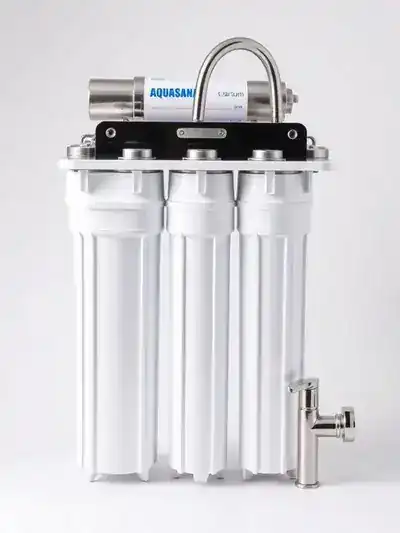
Aquasana OptimH2O RO
Removes 99% of fluoride, lead, nitrates, and 88 contaminants. Remineralizes for healthy minerals. NSF certified. Perfect for formula prep.
View on Amazon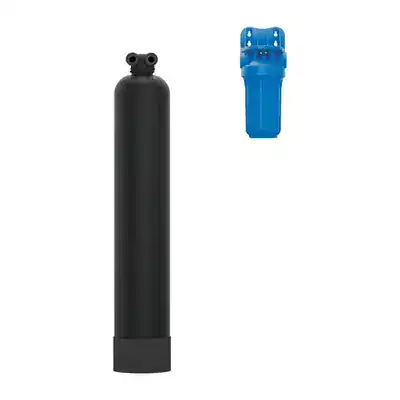
SpringWell CF1 Whole House
Protects bath + drinking water. Removes chlorine, VOCs, PFAS. Lifetime warranty. Essential for baby bath water safety.
Check Price at SpringWell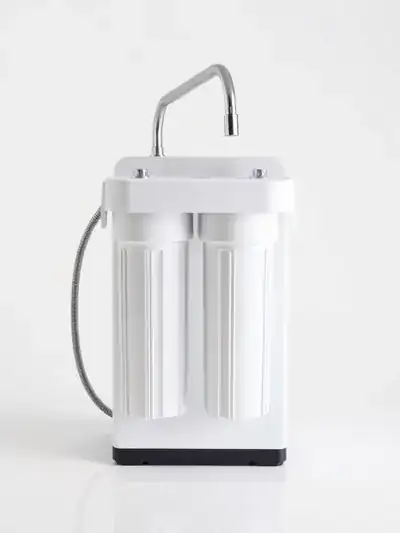
Aquasana AQ-5200 Under Sink
NSF certified for 77 contaminants including lead and mercury. Compact, affordable. Great for kitchen-only formula water.
View on AmazonFrequently Asked Questions About Water Filters for Babies
Related Guides & Resources
Top-rated Reverse Osmosis Systems
RO produces the purest water for infant formula
Top-rated Fluoride Removal Filters
Remove fluoride for babies under 6 months
Buying guide: Water Pitchers
Simple filtered water for bottle prep
Our picks for Under Sink Filters
Convenient under-sink filtration for nursery prep
Top-rated Countertop Filters
Countertop options for quick formula prep
Buying guide: Water Dispensers
Hot water dispensers speed up formula prep