Best Water Filters for Hard Water (Reviews & Buying Guide)
Eliminate scale buildup, soap scum, and mineral deposits with these top-rated hard water solutions. Price range: $35 - $1,500
Recommended Products
Explore Our Top Picks
The Science of Hard Water: Why It Destroys Your Home
Hard water is defined by its concentration of dissolved calcium (Ca²⁺) and magnesium (Mg²⁺) ions, measured in grains per gallon (GPG) or milligrams per liter (mg/L) as calcium carbonate equivalent. These minerals enter water as it percolates through limestone, chalk, and dolomite geological formations—which is why hard water prevalence varies dramatically by region. Cities like Phoenix (15-25 GPG) and Las Vegas (16-22 GPG) have extremely hard water due to desert limestone aquifers, while cities like Boston (1-3 GPG) have naturally soft water from granite watershed sources.
The damage mechanism is straightforward: when hard water is heated or evaporates, calcium carbonate (CaCO₃) precipitates out of solution and forms scale—the white, chalky deposits on faucets, showerheads, and inside pipes. This scale accumulates at a rate proportional to water hardness and temperature. In a home with 15 GPG hard water, a standard water heater accumulates approximately 0.5 to 1 pound of scale per year. Over a decade, this reduces heating efficiency by 25-48% (according to a Battelle Memorial Institute study), increases energy costs by $150-300 annually, and shortens appliance lifespan by 30-50%.
US Water Hardness Map: Regional Breakdown
| Region | Typical GPG | Classification | Recommended Solution | Annual Scale Cost |
|---|---|---|---|---|
| Southwest (AZ, NV, NM) | 15-30 GPG | Very Hard | Salt-based softener + RO | $400-800 |
| Midwest (IN, OH, WI) | 12-25 GPG | Very Hard | Salt-based softener | $350-700 |
| Great Plains (TX, KS, OK) | 10-20 GPG | Hard | Salt-based or salt-free | $200-500 |
| Southeast (FL, GA, SC) | 7-15 GPG | Moderate | Salt-free conditioner | $150-350 |
| Pacific Northwest (WA, OR) | 2-7 GPG | Soft-Moderate | Usually none needed | $0-100 |
| Northeast (MA, ME, VT) | 1-5 GPG | Soft | None needed | $0-50 |
Hard Water Scale:
- • Soft: 0-3 GPG (0-51 mg/L) — No treatment needed
- • Slightly Hard: 3-7 GPG (51-120 mg/L) — Salt-free conditioner optional
- • Moderately Hard: 7-10 GPG (120-171 mg/L) — Salt-free conditioner recommended
- • Hard: 10-14 GPG (171-240 mg/L) — Salt-based softener recommended
- • Very Hard: 14+ GPG (240+ mg/L) — Salt-based softener essential
Hard Water Treatment Technologies Explained
There are three fundamentally different approaches to treating hard water, each with distinct mechanisms, costs, and tradeoffs. Understanding these differences is critical for choosing the right solution—especially since many consumers confuse water softeners with water conditioners, leading to disappointment when their system doesn't perform as expected. See our detailed salt-based vs salt-free comparison for an in-depth analysis.
Ion Exchange Softening (Salt-Based)
Ion exchange is the only technology that truly "softens" water by physically removing calcium and magnesium ions. The process uses a tank of cation exchange resin beads charged with sodium (Na⁺) or potassium (K⁺) ions. As hard water flows through the resin bed, calcium and magnesium ions are attracted to the resin's negatively charged sulfonate functional groups, displacing sodium ions into the water. When the resin reaches capacity, the system regenerates by flushing with concentrated brine (salt water), which strips the calcium and magnesium from the resin and sends them to drain.
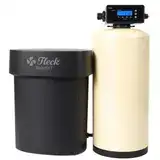
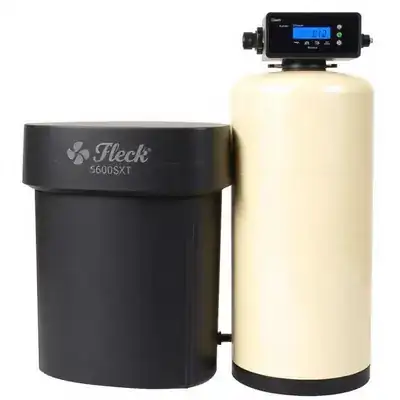
Modern metered softeners like the Fleck 5600SXT regenerate based on actual water usage rather than a timer, reducing salt consumption by 30-50% compared to older timer-based systems. A properly sized system for a 4-person household with 15 GPG hardness uses approximately 40-60 pounds of salt per month and produces 40-60 gallons of brine discharge per regeneration cycle. This salt discharge is the primary environmental concern and has led to softener bans in some California and Texas communities. For well water users, a pre-treatment iron filter is essential to prevent resin fouling.
Advantages
- • 100% hardness removal—truly soft water
- • Protects all pipes, appliances, and fixtures
- • Dramatic improvement in soap performance
- • 15-25 year system lifespan with maintenance
Limitations
- • Adds sodium to water (not ideal for low-sodium diets)
- • Ongoing salt purchase costs ($5-10/month)
- • Brine discharge—banned in some communities
- • Requires drain connection and power outlet
Template Assisted Crystallization (Salt-Free)
TAC (Template Assisted Crystallization) is the most scientifically validated salt-free technology. TAC media contains microscopic nucleation sites that attract dissolved calcium and magnesium ions, causing them to crystallize into stable, microscopic aragonite crystals (10-50 microns). These crystals remain suspended in the water and pass through plumbing without adhering to surfaces—effectively preventing 99.6% of scale formation (verified by Arizona State University testing) without removing the minerals from the water.
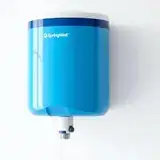
This is an important distinction: TAC does NOT soften water in the traditional sense. Water hardness test strips will still read high because the minerals are present—just in a non-scale-forming crystal structure. Benefits like improved soap lathering are modest compared to true softening. TAC systems excel in scale prevention for pipes, water heaters, and appliances but won't eliminate soap scum on shower doors or the "squeaky" feel of hard water. The SpringWell FutureSoft and Aquasana SimplySoft use this technology and are excellent choices for apartments and eco-conscious homeowners.
Reverse Osmosis (Drinking Water Only)
Reverse osmosis removes 95-99% of dissolved minerals including calcium and magnesium, producing essentially pure water for drinking and cooking. RO is the most effective technology for eliminating hardness minerals from point-of-use water but is impractical for whole-house use due to its 1:1 to 3:1 waste ratio, slow production rate (50-800 GPD), and high cost at scale. For drinking water quality, however, RO produces the cleanest results—it simultaneously removes lead, arsenic, PFAS, fluoride, and virtually all other dissolved contaminants alongside hardness minerals.
The ideal hard water strategy for many homes combines a whole-house softener or conditioner with an under-sink RO system for drinking water. This provides scale protection throughout the house while ensuring the purest possible drinking water. For budget-conscious buyers, an RO system alone addresses the most important concern—drinking water quality—for a fraction of the cost of whole-house treatment.
10-Year Total Cost of Ownership Comparison
Hard water treatment is a long-term investment. While salt-free systems have higher upfront costs, they have virtually zero ongoing costs. Salt-based softeners are cheaper upfront but accumulate significant salt, maintenance, and potential plumbing costs over a decade. Factor in the cost of NOT treating hard water—appliance replacements, energy waste, and plumbing repairs—and treatment pays for itself in most cases.
| System Type | Purchase | Install | Annual Cost | 5-Year Total | 10-Year Total |
|---|---|---|---|---|---|
| Fleck 5600SXT (salt-based) | $650 | $300 | $180 | $1,850 | $2,750 |
| SpringWell FutureSoft (TAC) | $1,350 | $250 | $0 | $1,600 | $1,600 |
| Aquasana SimplySoft | $800 | $200 | $0 | $1,000 | $1,000 |
| APEC RO Under-Sink | $220 | $0 | $60 | $520 | $820 |
| Shower Filter (KDF-55) | $35 | $0 | $40 | $235 | $435 |
| No Treatment (damage cost) | $0 | $0 | $400-800 | $2,000-4,000 | $4,000-8,000 |
* "No treatment" costs include reduced water heater efficiency ($150-300/yr), increased soap/detergent usage ($50-100/yr), accelerated appliance wear ($100-200/yr), and eventual plumbing repair ($200-500 per incident). Based on 15 GPG hardness.
Hard Water Solutions Comparison
Water Softeners & Filters: Expert Comparison
| Product | Price | Certifications | Filter Life |
|---|---|---|---|
#1 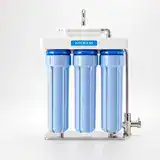 APEC ROES-50 | $199 | NSF 58, NSF 53, WQA | 12 months |
#2 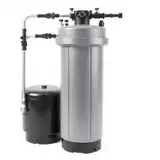 Aquasana Rhino | $1299 | NSF 42, NSF 53 | 36 months |
#3 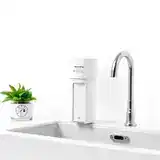 Waterdrop G3 | $599 | NSF 58, NSF 53, NSF 42 | 24 months |
#4 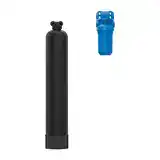 SpringWell CF1 | $959 | NSF 42, NSF 53 | 36 months |
#5 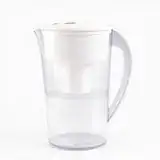 Brita Classic Pitcher | $35 | NSF 42, NSF 53 | 2 months |
#6  iSpring RCC7AK | $249 | NSF 58, WQA | 12 months |
How We Research Our Picks
Independent research from public certification records and manufacturer data
Certification check
We look up each system's claims in the public NSF, IAPMO and WQA certification listings and note exactly which contaminants are covered.
Performance data sheets
We read the manufacturer's performance data sheet for reduction percentages, rated capacity and flow, rather than relying on marketing copy.
Install and upkeep
We compare space, plumbing and drain needs, filter change intervals and how easy replacement cartridges are to find.
Cost of ownership
We add the purchase price to several years of replacement filters so cheap-upfront systems with expensive cartridges stand out.
Contaminants we compare claims for
What matters most in our ranking
- • Certified reduction claims for the contaminants most homes face
- • Flow and capacity that fit the household
- • Installation and maintenance effort
- • Long-term cost and the manufacturer's warranty terms
Always confirm a product's current certification listing before buying, and test your own water first so you pay only for the treatment you need.
Top 5 Hard Water Solutions
Fleck 5600SXT Water Softener
Best Overall - Digital metered salt-based softener for whole-house treatment
SpringWell FutureSoft Salt-Free Conditioner
Best Salt-Free Option - No salt, no electricity, no maintenance, no wastewater
APEC ROES-50 Reverse Osmosis System
Best Under-Sink Solution - Removes hardness minerals from drinking water
5-Year Total Cost
Which Hard Water Solution Is Right for You?
Use this decision framework to narrow down your ideal hard water treatment. The right choice depends on your hardness level, budget, housing situation, and environmental preferences.
🏠 Homeowner + Very Hard Water (14+ GPG)
→ Salt-based softener (Fleck 5600SXT). Only true softening removes minerals completely. Pair with RO for drinking water to remove the added sodium.
🏠 Homeowner + Moderately Hard (7-14 GPG)
→ Salt-free conditioner (SpringWell FutureSoft). Prevents scale without sodium, wastewater, or ongoing costs. No electricity needed.
🏢 Renter or Apartment
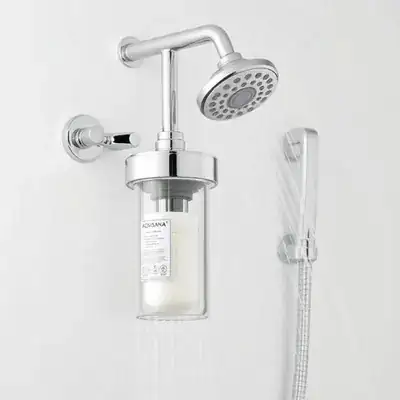
→ Under-sink RO (APEC ROES-50) for drinking water + shower filter (AquaBliss) for bathing. No permanent installation required. See our complete renter's guide.
💰 Budget Under $50
→ Shower filter ($35-45) addresses the most noticeable symptom (dry skin/hair). Add a pitcher filter ($25-40) for drinking water improvement. See best filters under $100.
🔧 Well Water with Hard Water + Iron
→ Iron filter upstream + softener downstream. Iron fouls softener resin—always treat iron first. See our well water filter guide and iron removal guide.
Signs You Have Hard Water
White, chalky buildup on faucets and showerheads
Mineral deposits (limescale) indicate high calcium/magnesium
Soap doesn't lather well
Hard water prevents soap from creating suds, wasting soap and shampoo
Spots on dishes and glassware
Cloudy residue left after dishwashing
Dry skin and brittle hair
Minerals strip natural oils from skin and hair
Reduced water heater efficiency
Scale buildup in water heater increases energy bills by 25-50%
Stiff, dingy laundry
Clothes feel rough and colors fade faster
Frequently Asked Questions
Hard Water Solutions
Understanding Water Hardness Levels
Water hardness is measured in grains per gallon (GPG) or parts per million (PPM). Slightly hard water (1-3.5 GPG) rarely causes issues, but moderately hard (3.5-7 GPG) water begins showing scale buildup on fixtures. Hard water (7-10.5 GPG) causes significant scaling, soap inefficiency, and appliance damage. Very hard water (10.5+ GPG) requires immediate treatment to protect plumbing infrastructure. The USGS reports that 85% of American homes have some degree of hard water, with the hardest water concentrated in the Midwest, Southwest, and Great Plains regions.
Impact on Home Plumbing Systems
Hard water deposits calcium and magnesium carbonate inside pipes, gradually reducing internal diameter and restricting water flow. A study by the Water Quality Research Foundation found that showerheads lost 75% of flow rate within 18 months when exposed to hard water. Water heaters are particularly vulnerable - just 1/4 inch of scale reduces heating efficiency by 29%, according to the Department of Energy. Over a water heater's 10-year lifespan, hard water can increase energy costs by $1,500-3,000 through reduced efficiency and eventual premature failure requiring $800-2,000 replacement.
Comparing Treatment Technologies
Ion exchange softeners remain the gold standard for hard water treatment, achieving near-complete hardness removal (0-1 GPG output). Salt-free conditioners using TAC (Template Assisted Crystallization) technology prevent scale formation without removing minerals, achieving 85-95% scale prevention effectiveness. Electromagnetic descalers represent the most affordable option ($30-200) but scientific evidence for their effectiveness remains limited and inconsistent. For homes with 15+ GPG hardness, ion exchange is the recommended solution. Moderate hardness (7-15 GPG) can often be managed with salt-free conditioning. Below 7 GPG, many homeowners find treatment optional unless they have sensitive skin or hair concerns.
America's Aging Water Infrastructure
The American Society of Civil Engineers gives US drinking water infrastructure a grade of C-minus, with an estimated $625 billion needed over the next 20 years for repairs and upgrades. Approximately 240,000 water main breaks occur annually in the United States, potentially introducing soil bacteria, sediment, and other contaminants into distribution systems. The EPA estimates that 9.2 million lead service lines remain in use nationwide, primarily in homes built before 1986. While the Bipartisan Infrastructure Law allocated $15 billion specifically for lead service line replacement, complete removal is projected to take 10-15 years in many municipalities.
For homeowners, aging infrastructure means that even excellent municipal treatment cannot guarantee contaminant-free water at the tap. Corrosion of lead and copper pipes between the treatment plant and your faucet is the primary source of residential lead exposure. Biofilm accumulation inside older pipes can harbor bacteria including Legionella, particularly in buildings with stagnant water sections. Point-of-use filtration serves as the final barrier between infrastructure vulnerabilities and your family's drinking water, providing protection that no amount of municipal treatment can replace for last-mile contamination sources.
Consumer Protection and Industry Transparency
The water filtration industry, while largely reputable, contains misleading marketing that consumers must navigate carefully. Common red flags include: unsubstantiated health claims (no water filter can cure diseases), "removes 99.99% of all contaminants" without specifying which ones, fake or expired NSF certifications, multi-level marketing (MLM) distribution models that inflate prices 200-400%, and proprietary testing that hasn't been independently verified. Always verify certifications through NSF International's official database (nsf.org), request independent lab test results rather than manufacturer-produced data, and be skeptical of any product that claims to be uniquely superior to all competitors without documented evidence.
Price transparency is another important consideration. Dealer-model brands like Culligan and Kinetico typically don't publish prices, requiring in-home consultations that often include high-pressure sales tactics. Direct-to-consumer brands like SpringWell, APEC, and Waterdrop publish prices openly and offer money-back guarantees that allow risk-free evaluation. While dealer-installed systems include professional setup and ongoing service, the convenience premium typically ranges 40-100% above equivalent DTC products. Neither model is inherently better - the right choice depends on your comfort with DIY installation, desire for ongoing professional support, and budget flexibility.
Water Quality Science and Consumer Protection
The science of water treatment has evolved dramatically over the past two decades, driven by advances in analytical chemistry that can now detect contaminants at parts-per-trillion concentrations. This detection capability has revealed the presence of thousands of previously unidentified compounds in municipal water supplies, including pharmaceutical residues, endocrine-disrupting chemicals, microplastics, and per- and polyfluoroalkyl substances (PFAS). The EPA currently regulates 90 contaminants under the Safe Drinking Water Act, but the Environmental Working Group has documented over 300 additional pollutants in US tap water that have no legal limits.
Understanding the distinction between regulated and unregulated contaminants is essential for making informed filtration decisions. Regulated contaminants have Maximum Contaminant Levels (MCLs) that public water systems must meet, enforced through mandatory testing and public reporting via annual Consumer Confidence Reports. Unregulated contaminants, despite being detected in water supplies, have no enforceable limits, meaning your water utility is not required to treat for or even report their presence. This regulatory gap means that water meeting all federal standards may still contain compounds of health concern at levels that research suggests could pose long-term risks.
The health economics of water filtration present a compelling case for proactive treatment. A 2023 analysis by the Water Quality Research Foundation estimated that the lifetime healthcare cost savings from removing lead exposure alone average $5,600 per child. When factoring in reduced cancer risk from PFAS and disinfection byproduct removal, improved developmental outcomes from reducing prenatal contaminant exposure, and decreased gastrointestinal illness from pathogen removal, the total health-economic benefit of comprehensive home water filtration ranges from $8,000 to $25,000 per household over a 20-year period. These savings dwarf the $2,000-5,000 total cost of purchasing and maintaining a quality filtration system over the same timeframe.
Infrastructure Challenges and Future Outlook
Americas water infrastructure faces unprecedented challenges that directly impact household water quality. The American Society of Civil Engineers grades US drinking water infrastructure at C-minus, with an estimated $625 billion investment needed over 20 years to bring systems to adequate condition. Approximately 6 billion gallons of treated water are lost daily through 240,000 water main breaks annually. These infrastructure failures not only waste resources but create potential contamination pathways where soil, bacteria, and chemicals can enter the distribution system through pressure drops and pipe fractures.
Lead service lines remain the most pressing infrastructure concern, with an estimated 6-10 million lead pipes still delivering water to American homes. The EPA Lead and Copper Rule Revisions mandate replacement of all lead service lines within the coming decade, but the scale of the project ($3,000-8,000 per line) and limited workforce capacity mean many households will continue receiving water through lead pipes for years. During the replacement process itself, disturbance of existing pipes can temporarily increase lead levels by 10-100x above baseline. Point-of-use filtration certified to NSF 53 for lead provides the most reliable protection during this transition period.
Climate change introduces compounding water quality challenges that existing treatment infrastructure was not designed to address. Rising temperatures promote harmful algal blooms producing cyanotoxins that overwhelm conventional treatment processes. Increased wildfire frequency deposits ash-borne benzene and heavy metals into source watersheds. Extreme precipitation events cause combined sewer overflows that introduce untreated sewage into source water. Sea level rise threatens coastal aquifers with saltwater intrusion, increasing TDS and chloride levels beyond treatment capacity. These converging pressures reinforce the critical importance of residential water treatment as the final barrier between environmental challenges and family health.
Related Articles
Buying guide: Lead Removal Filters
NSF-certified filters proven to remove lead
Buying guide: PFAS Removal Filters
Filters certified to remove forever chemicals
Top-rated Budget Water Filters
Affordable filters under $50 that actually work
Our picks for Emergency Water Filters
Reliable filters for disaster preparedness
Sulfur Smell Removal Guide
Eliminate rotten egg smell from your water
More on Brown Well Water Fix
Causes and solutions for discolored well water