What Is Water Hardness?
A complete guide to understanding water hardness—what causes it, how to test it, whether it's harmful, and how to treat it.
About 85% of American homes have hard water. It's the most common water quality issue in the country—and while it's not a health hazard, it costs homeowners hundreds of dollars annually in damaged appliances, excess soap, and plumbing repairs. This guide explains everything about water hardness and how to address it. For a treatment comparison, see our water softener vs. water filter guide.
What Makes Water "Hard"?
Water hardness refers to the concentration of dissolved calcium (Ca²⁺) and magnesium (Mg²⁺) ions. As rainwater percolates through limestone, chalk, and dolomite rock formations underground, it dissolves these minerals. The more time water spends in contact with mineral-rich rock, the harder it becomes.
This is why well water is typically harder than surface water—it's been filtering through rock for longer. And it's why regions with limestone geology (the Great Plains, Florida, the Southwest) have the hardest water in the country.
The Chemistry
CaCO₃ (limestone) + CO₂ + H₂O → Ca²⁺ + 2HCO₃⁻. This natural dissolution process is why hardness is often reported as "mg/L as CaCO₃" (calcium carbonate equivalent). One grain per gallon (gpg) equals 17.1 mg/L as CaCO₃.
The Water Hardness Scale
| Classification | GPG | PPM (mg/L) | What You'll Notice |
|---|---|---|---|
| Soft | 0-3.5 | 0-60 | Soap lathers easily, no scale, may feel "slippery" |
| Moderate | 3.5-7 | 60-120 | Minor spots on dishes, slight soap resistance |
| Hard | 7-10.5 | 120-180 | Visible scale, soap scum, dry skin, spotted dishes |
| Very Hard | 10.5+ | 180+ | Heavy scale, appliance damage, laundry stiffness |
U.S. Hardness by Region
- Hardest: Indianapolis (28 gpg), Phoenix (15-25 gpg), San Antonio (15-20 gpg), Las Vegas (16 gpg), Tampa (17 gpg)
- Moderate: Chicago (8 gpg), Dallas (8-12 gpg), Denver (5-10 gpg)
- Softest: Portland (0.3 gpg), Seattle (1.5 gpg), New York City (1.5 gpg), San Francisco (3 gpg), Boston (1.5 gpg)
How Hard Water Affects Your Home
Plumbing & Appliances
- • Scale reduces pipe diameter over time
- • Water heater efficiency drops 25-40%
- • Dishwasher and washing machine lifespan cut 30%
- • Coffee maker and ice maker clog faster
- • Tankless water heaters need annual descaling
Daily Living
- • Soap doesn't lather—need 50-75% more soap
- • Water spots on dishes, shower doors, car
- • Laundry feels stiff, colors fade faster
- • Dry, itchy skin; dull, brittle hair
- • White crusty deposits on fixtures
The Cost of Hard Water
The Water Quality Association estimates hard water costs the average household $800+ per year in extra energy (water heater inefficiency), additional soap/detergent, premature appliance replacement, and plumbing repairs. A water softener typically pays for itself within 2-4 years.
Is Hard Water Bad for Your Health?
The short answer: no—hard water is actually slightly beneficial for health. But it does affect skin and hair.
Health Benefits
- • Contributes dietary calcium (5-20% daily)
- • Contributes dietary magnesium (5-10% daily)
- • WHO: may reduce cardiovascular disease risk
- • Essential minerals in bioavailable form
Skin/Hair Effects
- • Soap scum film on skin clogs pores
- • Worsens eczema and psoriasis (clinical evidence)
- • Mineral deposits damage hair cuticle
- • Color-treated hair fades 2x faster
How to Test Your Water Hardness
| Method | Cost | Accuracy | Best For |
|---|---|---|---|
| Utility Report (CCR) | Free | System-wide average | Quick reference |
| Test Strips | $5-10 | ±2 gpg | Quick home check |
| Drop Test Kit | $10-15 | ±1 gpg | More precise home test |
| TDS Meter | $15-30 | Indirect (TDS ≠ hardness) | General mineral level |
| Lab Test | $20-50 | ±0.1 gpg | Precise, pre-purchase |
For a complete testing walkthrough, see our home water testing guide and TDS meter guide.
Hard Water Treatment Options
| Solution | How It Works | Removes Hardness? | Cost | Scope |
|---|---|---|---|---|
| Salt-Based Softener | Ion exchange (Ca/Mg → Na) | Yes (100%) | $800-2,500 | Whole house |
| Salt-Free Conditioner | TAC crystallization | No (prevents scale) | $500-2,000 | Whole house |
| Reverse Osmosis | Membrane filtration | Yes (95-99%) | $200-500 | Point-of-use |
| Electronic Descaler | Electromagnetic waves | Controversial | $100-300 | Whole house |
| Shower Filter | KDF + carbon | Minimal | $25-40 | Single fixture |
For a detailed comparison, see our water softener vs. water filter guide and our hard vs. soft water comparison.
DIY Solutions for Mild Hard Water
Not ready for a whole-house softener? These interim solutions help manage mild-to-moderate hardness (3.5-7 gpg):
White Vinegar for Scale Removal
Soak faucet aerators and showerheads in white vinegar overnight to dissolve calcium deposits. Run vinegar through your coffee maker monthly. Wipe shower glass with a vinegar-water solution (1:1) weekly. Vinegar's acidity (pH 2.5) dissolves calcium carbonate effectively. For heavy buildup, use CLR or Lime-A-Way (follow product directions carefully on fixtures).
Laundry Adjustments
Add washing soda (sodium carbonate) to each load—½ cup softens water and boosts detergent effectiveness. Use liquid detergent instead of powder (dissolves better in hard water). Reduce water temperature for colors (hot water accelerates mineral precipitation). Consider Calgon Water Softener liquid additive for persistent stiffness. These methods don't fix plumbing scale but improve daily laundry results.
Water Heater Maintenance
Flush your water heater annually to remove sediment (open drain valve, let run until clear). Set temperature to 120°F—higher temps accelerate scale. Install a sediment trap on the cold water inlet. For tankless heaters, descale with vinegar every 6-12 months using the service valves. These steps extend appliance life by 30-50% in hard water areas. See our water softener guide for permanent solutions.
Skin and Hair Protection
Install a shower filter ($25-40) to reduce chlorine that combines with hardness minerals to create soap scum on skin. Use chelating shampoos monthly to remove mineral buildup from hair. Apply leave-in conditioner immediately after showering. Consider an apple cider vinegar rinse (1 tbsp per cup of water) as a final hair rinse to counteract mineral deposits.
When to Invest in a Water Softener
A water softener becomes cost-effective when hardness-related expenses exceed the system's annual cost. Here's a decision framework:
| Hardness Level | Annual Cost of Hard Water | Recommendation | ROI Period |
|---|---|---|---|
| 0-3.5 gpg (Soft) | $0-50 | No treatment needed | N/A |
| 3.5-7 gpg (Moderate) | $200-400 | DIY solutions or salt-free conditioner | 3-5 years |
| 7-10.5 gpg (Hard) | $400-800 | Salt-based softener recommended | 2-3 years |
| 10.5+ gpg (Very Hard) | $800-1,500+ | Salt-based softener essential | 1-2 years |
The hidden costs of hard water include: premature appliance replacement ($300-1,200 per appliance), plumber visits for clogged pipes ($150-500), extra detergent and cleaning supplies ($100-200/year), and increased water heater energy costs (25-40% efficiency loss translates to $50-150/year in extra energy). When these costs exceed $400-600/year, a quality water softener pays for itself within 2-3 years.
Top Recommended Water Softeners
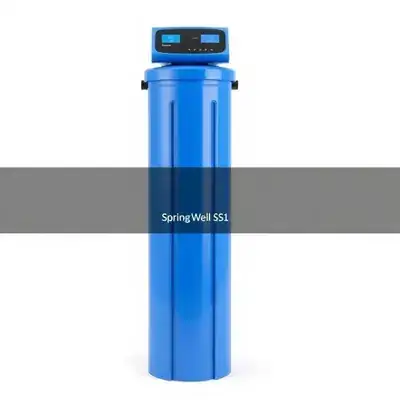
SpringWell SS1 Salt-Based Softener
True ion exchange removes 100% of hardness minerals. Digital control head, high-efficiency design. Handles up to 34 GPG hardness. Bluetooth monitoring and lifetime warranty.
- • 100% hardness removal
- • Bluetooth monitoring
- • Lifetime warranty
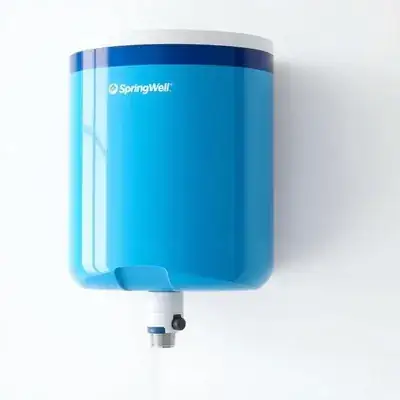
SpringWell FutureSoft Salt-Free
TAC technology prevents scale without removing minerals. No salt, no waste water, no electricity. Retains beneficial calcium and magnesium. Zero maintenance beyond rare media replacement.
- • 99.6% scale prevention
- • Zero salt or waste water
- • Retains beneficial minerals
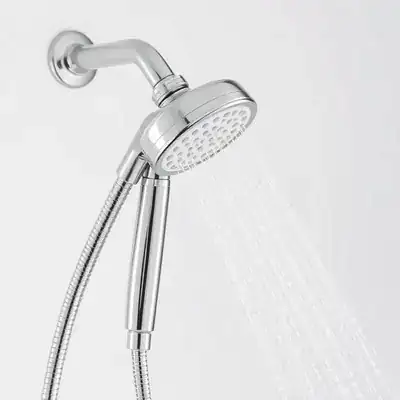
AquaBliss SF100 Shower Filter
If a full softener isn't in your budget, a shower filter dramatically improves skin and hair by reducing chlorine. Won't remove hardness completely but reduces its effects where it matters most.
- • 95%+ chlorine removal
- • Helps with dry skin & hair
- • Only $25-35
The Bottom Line
Hard water is a nuisance, not a health hazard. If your hardness is above 7 gpg, a water softener protects your plumbing, saves energy, and improves your daily water experience. Below 7 gpg, you can probably live with it—use vinegar for scale removal and a shower filter if skin/hair is affected. For drinking water specifically, hard water's mineral content is a minor health benefit. Pair a softener with a drinking water filter for the complete solution. Explore our water softener reviews for specific product recommendations. You may also want a drinking water filter for the kitchen tap.
Frequently Asked Questions
Hard Water Solutions
Understanding Water Hardness Levels
Water hardness is measured in grains per gallon (GPG) or parts per million (PPM). Slightly hard water (1-3.5 GPG) rarely causes issues, but moderately hard (3.5-7 GPG) water begins showing scale buildup on fixtures. Hard water (7-10.5 GPG) causes significant scaling, soap inefficiency, and appliance damage. Very hard water (10.5+ GPG) requires immediate treatment to protect plumbing infrastructure. The USGS reports that 85% of American homes have some degree of hard water, with the hardest water concentrated in the Midwest, Southwest, and Great Plains regions.
Impact on Home Plumbing Systems
Hard water deposits calcium and magnesium carbonate inside pipes, gradually reducing internal diameter and restricting water flow. A study by the Water Quality Research Foundation found that showerheads lost 75% of flow rate within 18 months when exposed to hard water. Water heaters are particularly vulnerable - just 1/4 inch of scale reduces heating efficiency by 29%, according to the Department of Energy. Over a water heater's 10-year lifespan, hard water can increase energy costs by $1,500-3,000 through reduced efficiency and eventual premature failure requiring $800-2,000 replacement.
Comparing Treatment Technologies
Ion exchange softeners remain the gold standard for hard water treatment, achieving near-complete hardness removal (0-1 GPG output). Salt-free conditioners using TAC (Template Assisted Crystallization) technology prevent scale formation without removing minerals, achieving 85-95% scale prevention effectiveness. Electromagnetic descalers represent the most affordable option ($30-200) but scientific evidence for their effectiveness remains limited and inconsistent. For homes with 15+ GPG hardness, ion exchange is the recommended solution. Moderate hardness (7-15 GPG) can often be managed with salt-free conditioning. Below 7 GPG, many homeowners find treatment optional unless they have sensitive skin or hair concerns.
Water Quality Science and Consumer Protection
The science of water treatment has evolved dramatically over the past two decades, driven by advances in analytical chemistry that can now detect contaminants at parts-per-trillion concentrations. This detection capability has revealed the presence of thousands of previously unidentified compounds in municipal water supplies, including pharmaceutical residues, endocrine-disrupting chemicals, microplastics, and per- and polyfluoroalkyl substances (PFAS). The EPA currently regulates 90 contaminants under the Safe Drinking Water Act, but the Environmental Working Group has documented over 300 additional pollutants in US tap water that have no legal limits.
Understanding the distinction between regulated and unregulated contaminants is essential for making informed filtration decisions. Regulated contaminants have Maximum Contaminant Levels (MCLs) that public water systems must meet, enforced through mandatory testing and public reporting via annual Consumer Confidence Reports. Unregulated contaminants, despite being detected in water supplies, have no enforceable limits, meaning your water utility is not required to treat for or even report their presence. This regulatory gap means that water meeting all federal standards may still contain compounds of health concern at levels that research suggests could pose long-term risks.
The health economics of water filtration present a compelling case for proactive treatment. A 2023 analysis by the Water Quality Research Foundation estimated that the lifetime healthcare cost savings from removing lead exposure alone average $5,600 per child. When factoring in reduced cancer risk from PFAS and disinfection byproduct removal, improved developmental outcomes from reducing prenatal contaminant exposure, and decreased gastrointestinal illness from pathogen removal, the total health-economic benefit of comprehensive home water filtration ranges from $8,000 to $25,000 per household over a 20-year period. These savings dwarf the $2,000-5,000 total cost of purchasing and maintaining a quality filtration system over the same timeframe.
Infrastructure Challenges and Future Outlook
Americas water infrastructure faces unprecedented challenges that directly impact household water quality. The American Society of Civil Engineers grades US drinking water infrastructure at C-minus, with an estimated $625 billion investment needed over 20 years to bring systems to adequate condition. Approximately 6 billion gallons of treated water are lost daily through 240,000 water main breaks annually. These infrastructure failures not only waste resources but create potential contamination pathways where soil, bacteria, and chemicals can enter the distribution system through pressure drops and pipe fractures.
Lead service lines remain the most pressing infrastructure concern, with an estimated 6-10 million lead pipes still delivering water to American homes. The EPA Lead and Copper Rule Revisions mandate replacement of all lead service lines within the coming decade, but the scale of the project ($3,000-8,000 per line) and limited workforce capacity mean many households will continue receiving water through lead pipes for years. During the replacement process itself, disturbance of existing pipes can temporarily increase lead levels by 10-100x above baseline. Point-of-use filtration certified to NSF 53 for lead provides the most reliable protection during this transition period.
Climate change introduces compounding water quality challenges that existing treatment infrastructure was not designed to address. Rising temperatures promote harmful algal blooms producing cyanotoxins that overwhelm conventional treatment processes. Increased wildfire frequency deposits ash-borne benzene and heavy metals into source watersheds. Extreme precipitation events cause combined sewer overflows that introduce untreated sewage into source water. Sea level rise threatens coastal aquifers with saltwater intrusion, increasing TDS and chloride levels beyond treatment capacity. These converging pressures reinforce the critical importance of residential water treatment as the final barrier between environmental challenges and family health.
Filtration Technology Comparison and Selection
Selecting the right water filtration technology requires matching your specific contaminant profile to the capabilities of available treatment methods. Activated carbon filtration, the most widely deployed residential technology, excels at removing chlorine, volatile organic compounds (VOCs), and taste and odor compounds through adsorption. Coconut shell-derived granular activated carbon (GAC) provides the optimal pore structure for drinking water applications, with one gram offering approximately 3,000 square meters of internal surface area for contaminant capture. Carbon block filters offer superior performance to GAC by compressing the carbon into a solid matrix that provides both chemical adsorption and mechanical filtration down to 0.5 microns.
Reverse osmosis (RO) represents the gold standard for comprehensive residential water purification, achieving 95-99% rejection of dissolved solids including heavy metals, PFAS, nitrates, fluoride, and virtually all chemical contaminants. Modern residential RO systems incorporate pre-filtration stages (sediment and carbon) to protect the semipermeable membrane, a pressurized storage tank for on-demand delivery, and post-filtration polishing stages including remineralization to restore beneficial minerals and optimize pH. The primary trade-off is water waste, with conventional systems producing 3-4 gallons of reject water per gallon of purified water, though modern permeate pump designs reduce this ratio to 1:1 or better.
Ion exchange technology addresses specific ionic contaminants through selective chemical swapping. Water softeners use strong acid cation (SAC) resin to exchange calcium and magnesium (hardness) for sodium, preventing scale formation that damages plumbing and appliances. Specialized anion exchange resins target nitrates, arsenic, perchlorate, and PFAS with high selectivity. Mixed-bed deionization produces ultrapure water by removing virtually all dissolved ions. KDF (Kinetic Degradation Fluxion) media uses copper-zinc granules to remove chlorine and heavy metals through electrochemical redox reactions, particularly effective in high-temperature applications like shower filtration where carbon performance diminishes.
Explore Our Top Picks
Related Articles
Top-rated Lead Removal Filters
NSF-certified filters proven to remove lead
See the best PFAS Removal Filters
Filters certified to remove forever chemicals
Our picks for Budget Water Filters
Affordable filters under $50 that actually work
Our picks for Emergency Water Filters
Reliable filters for disaster preparedness
Top-rated Hard Water Filters
Top filters for calcium and magnesium removal
Sulfur Smell Removal Guide
Eliminate rotten egg smell from your water