Water hardness is measured in grains per gallon (GPG) or parts per million (PPM). Slightly hard water (1-3.5 GPG) rarely causes issues, but moderately hard (3.5-7 GPG) water begins showing scale buildup on fixtures. Hard water (7-10.5 GPG) causes significant scaling, soap inefficiency, and appliance damage. Very hard water (10.5+ GPG) requires immediate treatment to protect plumbing infrastructure. The USGS reports that 85% of American homes have some degree of hard water, with the hardest water concentrated in the Midwest, Southwest, and Great Plains regions.
Impact on Home Plumbing Systems
Hard water deposits calcium and magnesium carbonate inside pipes, gradually reducing internal diameter and restricting water flow. A study by the Water Quality Research Foundation found that showerheads lost 75% of flow rate within 18 months when exposed to hard water. Water heaters are particularly vulnerable - just 1/4 inch of scale reduces heating efficiency by 29%, according to the Department of Energy. Over a water heater's 10-year lifespan, hard water can increase energy costs by $1,500-3,000 through reduced efficiency and eventual premature failure requiring $800-2,000 replacement.
Comparing Treatment Technologies
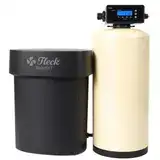
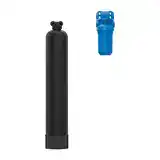
Ion exchange softeners remain the gold standard for hard water treatment, achieving near-complete hardness removal (0-1 GPG output). Salt-free conditioners using TAC (Template Assisted Crystallization) technology prevent scale formation without removing minerals, achieving 85-95% scale prevention effectiveness. Electromagnetic descalers represent the most affordable option ($30-200) but scientific evidence for their effectiveness remains limited and inconsistent. For homes with 15+ GPG hardness, ion exchange is the recommended solution. Moderate hardness (7-15 GPG) can often be managed with salt-free conditioning. Below 7 GPG, many homeowners find treatment optional unless they have sensitive skin or hair concerns.
Regional Water Quality Variations Across the US
Water quality varies dramatically across the United States due to differences in source water, treatment methods, and distribution infrastructure. The Southwest and Great Plains regions typically have the hardest water (15-30+ GPG), driven by limestone and dolomite geological formations. Coastal and Pacific Northwest areas generally enjoy softer water (0-7 GPG) from mountain snowmelt and rainfall-fed reservoirs. Industrial areas in the Midwest and Northeast face higher risks of PFAS, VOC, and heavy metal contamination from legacy manufacturing operations. Agricultural regions across the Central Valley, Corn Belt, and Mississippi Delta contend with elevated nitrate and pesticide levels from farming runoff.
Municipal treatment approaches also vary: approximately 70% of US utilities use chlorine for disinfection, while 30% use chloramines (combined chlorine and ammonia). Chloramine-treated water requires specialized filtration - standard activated carbon provides limited removal, while catalytic carbon effectively breaks down chloramines. Some progressive utilities employ advanced treatment including ozonation, UV disinfection, and granular activated carbon, producing exceptionally clean water at the treatment plant. However, even the best-treated water can pick up contaminants during distribution through aging pipes, so point-of-use filtration remains relevant regardless of utility treatment quality. Check your utility's Consumer Confidence Report and the EWG Tap Water Database for your specific water quality profile.
Climate change is introducing new water quality challenges nationwide. Increased wildfire frequency in western states creates ash runoff that overwhelms treatment plants with dissolved organic carbon, leading to elevated disinfection byproduct formation. Severe droughts concentrate contaminants in shrinking reservoirs. Intensifying rainfall events increase agricultural and urban runoff into source waters. Rising ocean levels threaten saltwater intrusion into coastal aquifers. These evolving challenges make home filtration increasingly important as a consistent, controllable water quality safeguard that adapts to changing conditions faster than municipal infrastructure upgrades.
America's Aging Water Infrastructure
The American Society of Civil Engineers gives US drinking water infrastructure a grade of C-minus, with an estimated $625 billion needed over the next 20 years for repairs and upgrades. Approximately 240,000 water main breaks occur annually in the United States, potentially introducing soil bacteria, sediment, and other contaminants into distribution systems. The EPA estimates that 9.2 million lead service lines remain in use nationwide, primarily in homes built before 1986. While the Bipartisan Infrastructure Law allocated $15 billion specifically for lead service line replacement, complete removal is projected to take 10-15 years in many municipalities.
For homeowners, aging infrastructure means that even excellent municipal treatment cannot guarantee contaminant-free water at the tap. Corrosion of lead and copper pipes between the treatment plant and your faucet is the primary source of residential lead exposure. Biofilm accumulation inside older pipes can harbor bacteria including Legionella, particularly in buildings with stagnant water sections. Point-of-use filtration serves as the final barrier between infrastructure vulnerabilities and your family's drinking water, providing protection that no amount of municipal treatment can replace for last-mile contamination sources.
Consumer Protection and Industry Transparency
The water filtration industry, while largely reputable, contains misleading marketing that consumers must navigate carefully. Common red flags include: unsubstantiated health claims (no water filter can cure diseases), "removes 99.99% of all contaminants" without specifying which ones, fake or expired NSF certifications, multi-level marketing (MLM) distribution models that inflate prices 200-400%, and proprietary testing that hasn't been independently verified. Always verify certifications through NSF International's official database (nsf.org), request independent lab test results rather than manufacturer-produced data, and be skeptical of any product that claims to be uniquely superior to all competitors without documented evidence.
Price transparency is another important consideration. Dealer-model brands like Culligan and Kinetico typically don't publish prices, requiring in-home consultations that often include high-pressure sales tactics. Direct-to-consumer brands like SpringWell, APEC, and Waterdrop publish prices openly and offer money-back guarantees that allow risk-free evaluation. While dealer-installed systems include professional setup and ongoing service, the convenience premium typically ranges 40-100% above equivalent DTC products. Neither model is inherently better - the right choice depends on your comfort with DIY installation, desire for ongoing professional support, and budget flexibility.
Water Quality Science and Consumer Protection
The science of water treatment has evolved dramatically over the past two decades, driven by advances in analytical chemistry that can now detect contaminants at parts-per-trillion concentrations. This detection capability has revealed the presence of thousands of previously unidentified compounds in municipal water supplies, including pharmaceutical residues, endocrine-disrupting chemicals, microplastics, and per- and polyfluoroalkyl substances (PFAS). The EPA currently regulates 90 contaminants under the Safe Drinking Water Act, but the Environmental Working Group has documented over 300 additional pollutants in US tap water that have no legal limits.
Understanding the distinction between regulated and unregulated contaminants is essential for making informed filtration decisions. Regulated contaminants have Maximum Contaminant Levels (MCLs) that public water systems must meet, enforced through mandatory testing and public reporting via annual Consumer Confidence Reports. Unregulated contaminants, despite being detected in water supplies, have no enforceable limits, meaning your water utility is not required to treat for or even report their presence. This regulatory gap means that water meeting all federal standards may still contain compounds of health concern at levels that research suggests could pose long-term risks.
The health economics of water filtration present a compelling case for proactive treatment. A 2023 analysis by the Water Quality Research Foundation estimated that the lifetime healthcare cost savings from removing lead exposure alone average $5,600 per child. When factoring in reduced cancer risk from PFAS and disinfection byproduct removal, improved developmental outcomes from reducing prenatal contaminant exposure, and decreased gastrointestinal illness from pathogen removal, the total health-economic benefit of comprehensive home water filtration ranges from $8,000 to $25,000 per household over a 20-year period. These savings dwarf the $2,000-5,000 total cost of purchasing and maintaining a quality filtration system over the same timeframe.
Infrastructure Challenges and Future Outlook
Americas water infrastructure faces unprecedented challenges that directly impact household water quality. The American Society of Civil Engineers grades US drinking water infrastructure at C-minus, with an estimated $625 billion investment needed over 20 years to bring systems to adequate condition. Approximately 6 billion gallons of treated water are lost daily through 240,000 water main breaks annually. These infrastructure failures not only waste resources but create potential contamination pathways where soil, bacteria, and chemicals can enter the distribution system through pressure drops and pipe fractures.
Lead service lines remain the most pressing infrastructure concern, with an estimated 6-10 million lead pipes still delivering water to American homes. The EPA Lead and Copper Rule Revisions mandate replacement of all lead service lines within the coming decade, but the scale of the project ($3,000-8,000 per line) and limited workforce capacity mean many households will continue receiving water through lead pipes for years. During the replacement process itself, disturbance of existing pipes can temporarily increase lead levels by 10-100x above baseline. Point-of-use filtration certified to NSF 53 for lead provides the most reliable protection during this transition period.
Climate change introduces compounding water quality challenges that existing treatment infrastructure was not designed to address. Rising temperatures promote harmful algal blooms producing cyanotoxins that overwhelm conventional treatment processes. Increased wildfire frequency deposits ash-borne benzene and heavy metals into source watersheds. Extreme precipitation events cause combined sewer overflows that introduce untreated sewage into source water. Sea level rise threatens coastal aquifers with saltwater intrusion, increasing TDS and chloride levels beyond treatment capacity. These converging pressures reinforce the critical importance of residential water treatment as the final barrier between environmental challenges and family health.
Filtration Technology Comparison and Selection
Selecting the right water filtration technology requires matching your specific contaminant profile to the capabilities of available treatment methods. Activated carbon filtration, the most widely deployed residential technology, excels at removing chlorine, volatile organic compounds (VOCs), and taste and odor compounds through adsorption. Coconut shell-derived granular activated carbon (GAC) provides the optimal pore structure for drinking water applications, with one gram offering approximately 3,000 square meters of internal surface area for contaminant capture. Carbon block filters offer superior performance to GAC by compressing the carbon into a solid matrix that provides both chemical adsorption and mechanical filtration down to 0.5 microns.
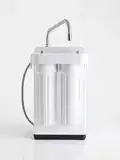
Reverse osmosis (RO) represents the gold standard for comprehensive residential water purification, achieving 95-99% rejection of dissolved solids including heavy metals, PFAS, nitrates, fluoride, and virtually all chemical contaminants. Modern residential RO systems incorporate pre-filtration stages (sediment and carbon) to protect the semipermeable membrane, a pressurized storage tank for on-demand delivery, and post-filtration polishing stages including remineralization to restore beneficial minerals and optimize pH. The primary trade-off is water waste, with conventional systems producing 3-4 gallons of reject water per gallon of purified water, though modern permeate pump designs reduce this ratio to 1:1 or better.
Ion exchange technology addresses specific ionic contaminants through selective chemical swapping. Water softeners use strong acid cation (SAC) resin to exchange calcium and magnesium (hardness) for sodium, preventing scale formation that damages plumbing and appliances. Specialized anion exchange resins target nitrates, arsenic, perchlorate, and PFAS with high selectivity. Mixed-bed deionization produces ultrapure water by removing virtually all dissolved ions. KDF (Kinetic Degradation Fluxion) media uses copper-zinc granules to remove chlorine and heavy metals through electrochemical redox reactions, particularly effective in high-temperature applications like shower filtration where carbon performance diminishes.
Choosing the right water treatment approach requires balancing several factors: your specific water quality concerns (identified through testing), household size and water consumption patterns, budget constraints for both initial investment and ongoing maintenance, installation complexity and available space, and long-term operating costs. The most common mistake consumers make is purchasing a filtration system based on marketing claims rather than matching the technology to their documented contaminant profile. A $30 pitcher filter may provide all the protection a household needs if the primary concern is chlorine taste, while a family with confirmed lead contamination requires NSF 53-certified filtration regardless of cost.
We recommend a three-step decision process: First, test your water (either through your utility CCR or independent laboratory analysis) to identify which contaminants are present and at what concentrations. Second, research which filtration technologies effectively address your specific contaminants and verify performance through NSF certifications. Third, compare products within the appropriate technology category based on capacity, maintenance requirements, flow rate, and total cost of ownership. This systematic approach prevents overspending on unnecessary technology while ensuring adequate protection against documented threats.
The water filtration industry continues to evolve rapidly, with new technologies emerging that offer improved performance, reduced waste, and lower costs. Tankless reverse osmosis systems eliminate the storage tank while delivering purified water on demand at 400-800 GPD production rates. Smart filtration systems with WiFi connectivity monitor water quality in real-time and alert homeowners to filter replacement needs based on actual performance degradation rather than arbitrary timelines. Nano-filtration membranes bridge the gap between ultrafiltration and reverse osmosis, selectively removing contaminants while preserving beneficial minerals. These innovations make home water treatment increasingly accessible, effective, and convenient for every household.