Is Bottled Water Safer Than Tap Water? The Full Truth
Americans spend $35 billion annually on bottled water, believing it's purer and safer than tap. But independent testing reveals a surprising reality: bottled water often contains more contaminants than filtered tap water—at 300-2,000x the cost. Here's what the science actually shows.
Safety Showdown: Bottled vs. Tap Water
The belief that bottled water is inherently safer than tap water is one of the most successful marketing campaigns in modern history. In reality, the EPA requires municipal water systems to test for over 90 contaminants and report results publicly through annual Consumer Confidence Reports. The FDA's bottled water regulations are actually less stringent—testing is less frequent, and results aren't publicly reported.
A landmark NRDC study tested over 1,000 bottles of 103 brands and found approximately 22% contained contaminants above state health limits. Some bottled water is simply repackaged municipal tap water—Aquafina (Pepsi) and Dasani (Coca-Cola) both acknowledged using public water sources processed through reverse osmosis.
Meanwhile, as we explore in our guide on whether tap water is safe to drink, U.S. municipal water is among the most regulated in the world. The issue isn't tap water regulation—it's aging infrastructure and emerging contaminants like PFAS that current regulations haven't caught up with.
Regulatory Comparison: Tap vs. Bottled Water
| Factor | Tap Water (EPA) | Bottled Water (FDA) |
|---|---|---|
| Regulated Contaminants | 90+ | ~90 (mirrors EPA) |
| Testing Frequency | Continuous / daily | Weekly to annual |
| Public Reporting | Mandatory (CCR) | Not required |
| Disinfection | Required | Not always required |
| E. coli Testing | 100+ tests/month | 1 test/week |
| Source Protection | Mandated plans | No equivalent |
What Independent Testing Reveals
Third-party laboratory testing paints a concerning picture of bottled water quality. Consumer Reports, the Environmental Working Group, and university researchers have consistently found contaminants in popular bottled water brands that consumers assume are pure.
A 2020 Consumer Reports investigation tested 47 bottled water brands and found measurable levels of PFAS in several popular brands, including some marketed as "purified." Arsenic was detected in brands sourced from natural springs. Even brands using reverse osmosis processing showed trace amounts of contaminants from the bottling process itself.
The real hidden danger comes from the bottle itself. PET plastic—the material used in over 90% of water bottles—leaches antimony, a toxic metalloid, into the water over time. Studies show that antimony levels in bottled water increase significantly with storage time and temperature. Water bottles left in a hot car can have antimony levels that exceed EPA drinking water standards.
Compare this to quality home filtration: a reverse osmosis system removes 95-99% of dissolved contaminants, and a certified under-sink carbon filter eliminates chlorine, lead, VOCs, and many PFAS compounds—all without plastic contamination.
Contaminants Found in Popular Bottled Water Brands
Microplastics: Avg. 325 particles/liter (Orb Media, 2018)
PFAS: Detected in multiple "purified" brands (Consumer Reports, 2020)
Arsenic: Found in spring water brands above 3 ppb (CR testing)
Antimony: Leaches from PET bottles, increases with heat/time
Phthalates: Endocrine disruptors from plastic packaging
Bromate: Disinfection byproduct in ozone-treated brands
EPA vs. FDA: The Regulatory Gap
One of the most important distinctions between tap and bottled water is how they're regulated—and by whom. Municipal tap water falls under the Environmental Protection Agency (EPA), which mandates continuous monitoring, public reporting, and strict maximum contaminant levels (MCLs) for over 90 substances. Utilities must test daily for bacteria and regularly for dozens of other parameters.
Bottled water, classified as a food product, is regulated by the Food and Drug Administration (FDA). While the FDA generally mirrors EPA standards, critical differences exist. Bottled water testing is far less frequent—weekly to annually versus continuous monitoring. Results aren't publicly reported, so consumers can't verify quality claims. And the FDA exempts water packaged and sold within the same state (about 60-70% of bottled water) from federal oversight entirely.
Perhaps most significantly, the FDA doesn't require bottled water companies to disclose their water source or provide contaminant reports to consumers. When you buy a bottle labeled "purified" or "spring," you're largely trusting the brand's marketing rather than independently verified data. Municipal utilities, by contrast, must publish detailed annualConsumer Confidence Reports listing every detected contaminant and its level relative to legal limits.
This regulatory gap means that filtered tap water—where you control the filtration process and can verify input and output quality—often provides more transparency and better documented safety than bottled alternatives. An under-sink carbon filter or reverse osmosis system with NSF certification gives you documented contaminant removal rates that bottled water companies rarely provide.
The Microplastics Problem in Bottled Water
A groundbreaking 2018 study by Orb Media, conducted in partnership with the State University of New York at Fredonia, tested 259 bottles from 11 major brands across 9 countries. The results were alarming: an average of 325 microplastic particles per liter of bottled water—roughly double the amount found in tap water samples. Some bottles contained over 10,000 particles per liter.
These microplastics come from multiple sources: the PET bottle itself, the cap, the bottling process, and even the original water source. Polypropylene (PP) from bottle caps was the most commonly identified plastic, followed by nylon and polystyrene. The particles ranged from 6.5 to 100 micrometers—small enough to pass through the gut lining and potentially enter the bloodstream.
A follow-up study published in 2024 in the Proceedings of the National Academy of Sciences used advanced Raman spectroscopy and found that previous estimates dramatically undercounted nanoplastics. The actual particle count may be 10-100 times higher than earlier studies suggested, with an average of 240,000 detectable plastic fragments per liter of bottled water.
While the long-term health effects of microplastic ingestion are still being studied, early research suggests they can carry harmful chemicals (phthalates, BPA), cause inflammation, and potentially disrupt endocrine function. The WHO acknowledges microplastics are "an emerging concern" and recommends reducing exposure where possible. Using a home water filter with a glass or stainless steel container eliminates this concern entirely. For comprehensive microplastic removal, see our guide on microplastics in drinking water.
The True Cost: Bottled vs. Filtered Tap Water
The financial case against bottled water is overwhelming when you look at the numbers over time. Most people dramatically underestimate their annual bottled water spending because it happens in small, seemingly insignificant purchases—a dollar here, two dollars there. But those purchases compound.
5-Year Cost Comparison (2-Person Household)
| Option | Year 1 | Year 2-5 | 5-Year Total |
|---|---|---|---|
| Bottled water (3L/day) | $1,095 | $4,380 | $5,475 |
| Pitcher filter (Brita) | $95 | $240 | $335 |
| Faucet filter (PUR) | $85 | $200 | $285 |
| Under-sink carbon | $200 | $200 | $400 |
| Reverse osmosis | $350 | $320 | $670 |
| Unfiltered tap water | $4 | $16 | $20 |
Based on average US prices. Bottled water at $1/liter, municipal water at $0.004/gallon. Filter costs include replacement cartridges.
Even the most expensive home filtration option—a reverse osmosis system—costs just 12% of the equivalent bottled water expense over 5 years. A basic pitcher filter pays for itself in less than two weeks compared to bottled water. For families of four, the savings are doubled, making the case even more compelling.
Beyond direct costs, consider the hidden expenses of bottled water: refrigerator space occupied by bottles, trips to the store to buy more, storage space in your home, and disposal of empties. Filtered tap provides unlimited clean water on demand with none of these hassles. For a deeper breakdown, see our water filter cost comparison guide.
Environmental Impact: The Numbers Are Staggering
The environmental toll of the bottled water industry extends far beyond the visible problem of plastic waste. The entire lifecycle—from extraction to manufacturing to transportation to disposal—creates a massive environmental footprint that most consumers never consider.
Environmental Cost of Bottled Water
Oil consumption: 17 million barrels/year for US bottle production alone—enough to fuel 1.3 million cars for a year
Water waste: It takes 3 liters of water to produce 1 liter of bottled water (manufacturing process)
Carbon emissions: 2.5 million tons of CO₂ annually from US bottled water production and transport
Recycling rate: Only 30% of plastic bottles are recycled; 70% go to landfills or the environment
Decomposition: A single PET bottle takes 450 years to decompose in a landfill
Ocean pollution: 8 million metric tons of plastic enter oceans annually; bottles are a major contributor
The transportation footprint is particularly absurd. Fiji Water, for example, travels approximately 5,500 miles from its source to US consumers. Evian and other European brands cross the Atlantic Ocean. This transportation burns fossil fuels to ship something that's already available—often in better quality—right from your tap with a simple filter.
Switching from bottled to filtered tap water eliminates roughly 167 single-use plastic bottles per person per year. For a family of four, that's 668 fewer bottles annually—a meaningful reduction in plastic waste. When combined with a reusable stainless steel or glass bottle, the environmental benefits multiply as you also eliminate single-use consumption outside the home.
If environmental impact matters to you, the choice is clear: invest in a quality home filter and a reusable bottle. You'll get better water quality at lower cost while dramatically reducing your plastic footprint. Our sustainable filtration guide covers eco-friendly filter options that minimize waste even further.
Best Alternatives to Bottled Water
The best alternative depends on your budget, space, and specific water quality concerns. Here's a practical breakdown of options ranked by effectiveness and convenience:
Tier 1: Quick & Affordable ($20-60)
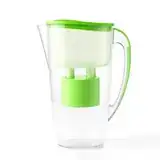
Pitcher filters and faucet-mount filters provide immediate improvement in taste and basic contaminant removal. Perfect for renters, college students, and anyone who wants better water without any installation. Pitcher filters like the Clearly Filtered remove 365+ contaminants including lead, fluoride, and PFAS. Faucet mounts from PUR and Brita offer filtered water on demand at the turn of a lever.
Best for: Taste improvement, chlorine removal, basic lead protection
Tier 2: Comprehensive Under-Sink ($100-300)
Under-sink carbon block filters like the Aquasana AQ-5200 provide dedicated filtered water through a separate faucet. They remove 77+ contaminants while retaining beneficial minerals. Installation takes 30-60 minutes and works in most kitchens, including apartments (with landlord permission). The filtered water flows on demand at full pressure—no waiting for a pitcher to fill.
Best for: Families, cooking, and comprehensive daily-use filtration
Tier 3: Maximum Protection – Reverse Osmosis ($200-600)
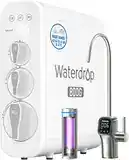
RO systems remove 95-99% of all dissolved contaminants, providing the closest thing to laboratory-pure water at home. Modern tankless models like the Waterdrop G3P800 deliver 800 gallons per day with minimal waste water and a compact footprint. If PFAS, fluoride, nitrates, or arsenic are concerns in your area, RO is the gold standard.
Best for: Areas with serious contamination, health-conscious households, baby formula preparation
Regardless of which tier you choose, pair your filter with a quality reusable bottle for on-the-go hydration. Stainless steel bottles (like Hydro Flask or Klean Kanteen) are the most durable and don't leach chemicals. Glass bottles provide the purest taste but are less portable. Either option completes your transition away from single-use bottled water.
Not sure which filter type suits your situation? Our comprehensive water filter buying guide walks you through the decision process based on your water test results, budget, and household size. If you're concerned about specific contaminants in your area, start by reading your annual water quality report and consider testing with a TDS meter for a quick baseline reading. For renters who can't install permanent filtration, our renter's guide covers the best no-installation options.
Living in a city with questionable water quality? Our worst tap water cities ranking identifies areas where home filtration is especially important. And if hard water is your primary concern, learn how water softeners work to decide if softening alone solves your problem.
What's Really in Popular Bottled Water Brands?
Not all bottled water is created equal, and many consumers would be surprised to learn the true source and treatment methods behind the brands they trust. Understanding what you're actually paying for can help you make a more informed decision about whether bottled water is worth the premium.
Popular Brands: Source & Treatment
| Brand | Actual Source | Treatment | Avg. Price/L |
|---|---|---|---|
| Dasani (Coca-Cola) | Municipal tap water | RO + minerals added back | $1.50-2.00 |
| Aquafina (Pepsi) | Municipal tap water | RO purification | $1.25-1.75 |
| Fiji Water | Artesian aquifer, Fiji | Filtered at source | $2.50-3.50 |
| Evian | Alpine springs, France | Natural filtration | $2.00-3.00 |
| Smartwater | Municipal tap water | Vapor distillation | $2.00-2.50 |
| Poland Spring | Springs, Maine (disputed) | UV + ozone | $1.00-1.50 |
Prices reflect typical US retail. Many "premium" brands use the same municipal water available from your tap at $0.004/gallon.
The revelation that brands like Dasani, Aquafina, and Smartwater start with municipal tap water highlights a fundamental irony: consumers are paying 300-2,000x more for water that originates from the same source they could filter at home. The treatment processes these companies use—reverse osmosis, vapor distillation, UV treatment—are the exact same technologies available in home filtration systems at a fraction of the per-gallon cost.
Even "premium" spring water brands face scrutiny. Poland Spring faced a class-action lawsuit alleging its water didn't actually come from natural springs as marketed. Fiji Water, despite its remote artesian source, has been found to contain trace levels of arsenic in independent testing. The brand's carbon footprint from shipping water 5,500 miles across the Pacific is enormous—an estimated 1.5 kg of CO₂ per liter just from transportation.
The bottom line: the quality gap between premium bottled water and home-filtered tap water is negligible—and in many cases, filtered tap water is actually cleaner because you control the process and can verify results with a home water test. A reverse osmosis system produces water identical to Dasani and Aquafina's process at approximately $0.02-0.05 per liter versus $1.50-2.00 per liter.
Water Delivery Services vs. Home Filtration
Water delivery services (5-gallon jugs, cooler rentals) represent a middle ground between single-use bottles and home filtration. While they reduce single-use plastic waste, they come with their own cost and convenience trade-offs that many consumers overlook. Here's how the economics compare for a typical household using 3 liters per day.
Delivery Services vs. Home Filtration: 3-Year Cost
| Option | Monthly | 3-Year Total | $/Gallon |
|---|---|---|---|
| Water cooler delivery | $35-55 | $1,260-1,980 | $1.30-2.00 |
| Premium delivery (Primo) | $25-40 | $900-1,440 | $0.90-1.45 |
| Under-sink RO system | $7-12 | $250-430 | $0.03-0.05 |
| Pitcher filter | $5-8 | $180-290 | $0.06-0.10 |
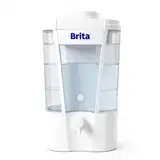
Water delivery services also have practical downsides: heavy jug handling (42 lbs per 5-gallon jug), storage space requirements, delivery schedule coordination, and the risk of running out between deliveries. Home filtration systems provide unlimited filtered water on demand without any of these inconveniences. For office environments where delivery services are common, a bottleless water cooler connected to the building's water line eliminates jugs entirely while providing hot and cold filtered water.
Staying Hydrated Without Bottled Water: On-the-Go Solutions
One of the most common justifications for buying bottled water is convenience while traveling, commuting, or exercising. But modern reusable bottle technology and portable filtration have eliminated this gap entirely. Here's how to stay hydrated sustainably in every scenario.
Daily Commute & Office
Fill a 32-oz insulated stainless steel bottle at home with filtered water. Quality bottles (Hydro Flask, Yeti, Klean Kanteen) keep water cold for 24+ hours. Many offices now have bottle-filling stations. Cost: $25-45 for a bottle that lasts 5-10 years, replacing hundreds of single-use bottles annually.
Travel & International Trips
For destinations with questionable tap water, portable filters like the Sawyer Squeeze or LifeStraw filter bacteria and protozoa from any water source. UV purifiers (SteriPEN) kill viruses too. Fill from any tap or fountain and filter on the spot—no plastic bottles needed even in developing countries.
Gym & Outdoor Activities
Lightweight filtered water bottles from brands like GRAYL and Brita Sport combine the bottle and filter in one unit. Fill from any potable source, drink through the filter. The GRAYL GeoPress is particularly popular for hiking and camping, filtering viruses, bacteria, and chemicals in 8 seconds.
Emergency Preparedness
FEMA recommends 1 gallon per person per day for at least 3 days. Instead of stockpiling bottles that expire and degrade, consider a gravity-fed emergency filter paired with stored tap water in food-grade containers. This approach provides months of water security versus days from bottled water stocks.
The transition away from bottled water doesn't require sacrifice or inconvenience—it simply requires a small upfront investment in reusable containers and home filtration. Most people who switch report that the convenience of unlimited filtered water at home actually exceeds the experience of buying, carrying, and disposing of bottles. The financial savings compound quickly, and the environmental benefit is immediate and measurable.
Frequently Asked Questions
Recommended Products
Explore Our Top Picks
Related Articles
See the best Lead Removal Filters
NSF-certified filters proven to remove lead
Best PFAS Removal Filters
Filters certified to remove forever chemicals
Buying guide: Budget Water Filters
Affordable filters under $50 that actually work
Top-rated Emergency Water Filters
Reliable filters for disaster preparedness
Top-rated Hard Water Filters
Top filters for calcium and magnesium removal
More on Sulfur Smell Removal Guide
Eliminate rotten egg smell from your water