Quick Answer: Is a Water Distiller Right for You?
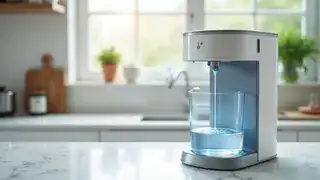
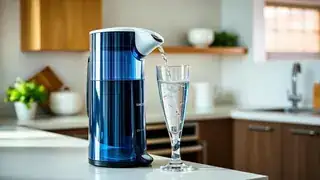
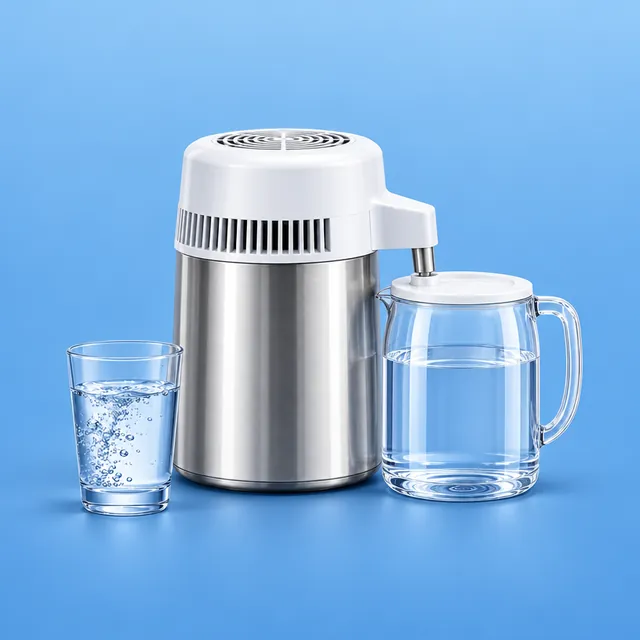
A countertop water distiller can suit a household that wants small batches of distilled drinking water without a permanent plumbing connection. It heats water, collects the condensed steam, and leaves much of the dissolved mineral content behind. It is not a whole house filter and does not treat water used by showers, laundry, or other taps.
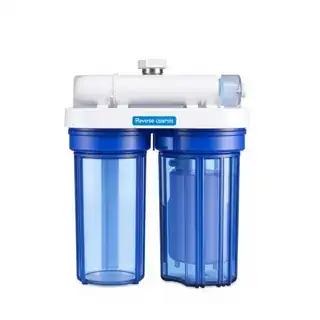
Before buying, compare the amount of water you drink each day with the model’s rated output. Allow for cooling, refilling, and cleaning between batches. If you need a larger supply on demand, compare reverse osmosis systems or countertop water filters instead.

How Water Distillation Works
Distillation separates water from many dissolved substances by boiling it and then cooling the steam. Minerals and salts accumulate in the boiling chamber rather than entering the collection container. The collected water has very little mineral content, which can change its taste.
Distillation is not a blanket guarantee against every chemical. Some volatile substances can travel with the steam, and the performance of a carbon post-filter depends on the model and its maintenance. Match any contaminant reduction claim to independent evidence for that exact system. For more context, read our distiller versus reverse osmosis comparison.

How to Compare Water Distillers
Start with the manufacturer’s manual and product specifications. Check batch capacity, rated production time, power consumption, collection-container material, automatic shutoff, and the availability of replacement parts. Output is not the same as chamber capacity: a large chamber does not necessarily produce water faster.
For treatment performance, look for model-specific certification or independent test results. NSF/ANSI 62 is the standard relevant to drinking water distillation systems; check the actual listing and claims rather than assuming a brand logo proves every reduction. This guide explains buying criteria, not a set of documented hands-on laboratory test results.
Models such as the Megahome countertop distiller, Pure Water Mini-Classic CT, H2oLabs units, and VEVOR countertop units are starting points for comparison, not interchangeable products. Check current specifications and prices before choosing. No numerical ranking here should be read as proof of tested superiority.
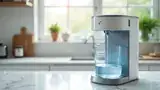
Countertop or Automatic Water Distillation?
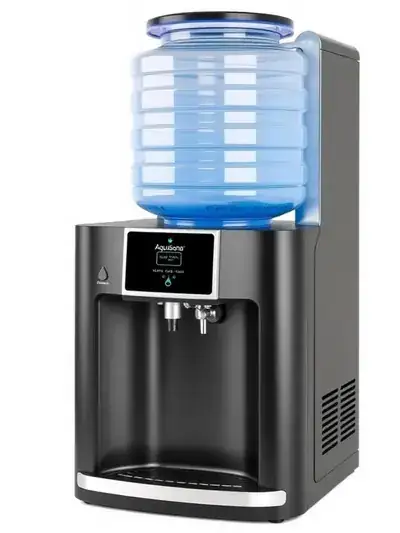
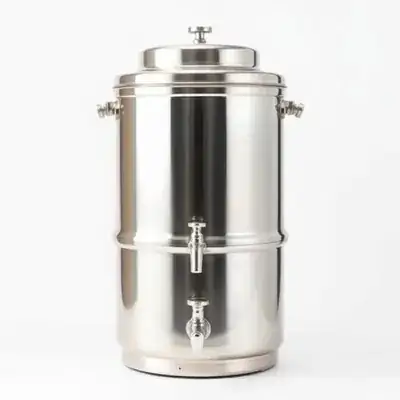
Manual countertop models require you to fill the chamber and empty or change the collection container. They are easier to move and generally avoid permanent plumbing changes. Consider the available counter space, ventilation, fan noise, hot surfaces, and whether you can keep children away during operation.
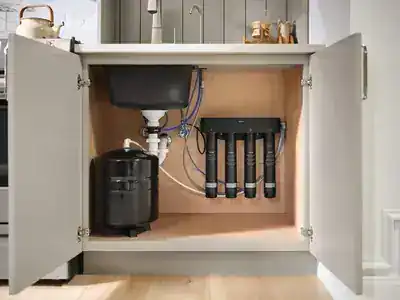
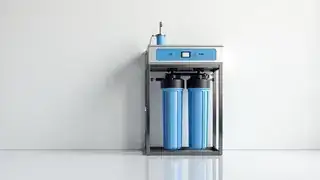
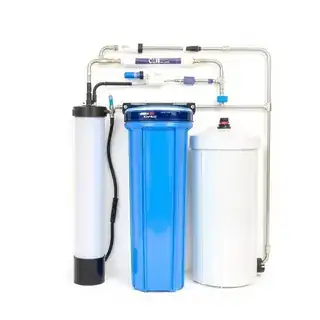
Some automatic systems connect to a water supply and storage tank. They can reduce manual refilling but may need professional installation, a suitable drain, and more maintenance space. Follow the installation instructions for the exact model. An automatic drinking water distiller still does not replace treatment at the home’s main water line.
Distilled Water Costs: Purchase, Power, and Maintenance
Compare the purchase price with electricity use, cleaning supplies, carbon post-filter replacements, and any installation costs. Electricity cost per batch equals the measured kilowatt-hours used multiplied by your electricity price per kilowatt-hour. Divide that cost by the collected gallons to estimate electricity cost per gallon.
For a rough estimate, multiply power in kilowatts by the batch run time in hours. A model’s rated wattage is not a guarantee of its exact energy consumption, so a plug-in energy meter can give a better measurement. Avoid comparing a distiller’s electricity-only cost with another system’s full ownership cost.
A countertop distiller does not create savings on shower water, laundry, or dishwasher use. If those are the problems you want to address, our whole house water filter guide covers a different type of treatment.
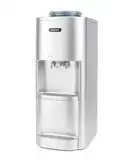
Cleaning and Storing Distilled Water
Let the unit cool and disconnect it before cleaning. Remove mineral residue using the method and cleaning agent specified in the manual; do not immerse electrical parts. Replace any carbon post-filter as directed rather than assuming the boiling process makes that filter unnecessary.
Collect water in a clean container intended for food or drinking water. Keep it covered to prevent recontamination and avoid touching the container’s inside or the outlet. Distilled water can be contaminated after production, so storage hygiene still matters. Read our water storage guide for handling and container advice.
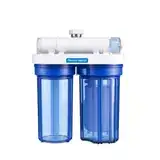
Common Water Distiller Buying Mistakes
- Confusing a distiller with a filter or softener. A pitcher and a softener do not produce distilled water. Reverse osmosis is also a different process.
- Choosing capacity without checking daily output. Allow for the full batch cycle and your household’s actual drinking water demand.
- Assuming low TDS proves safety. A TDS meter measures dissolved ionic substances, not every contaminant or germ. Our TDS meter explainer describes these limits.
- Assuming all chemical removal claims are verified. Look for evidence for the exact model and contaminant, especially if you are addressing a known health concern.
- Ignoring cleaning and replacement parts. A hard-to-clean chamber or unavailable consumables can make regular use impractical.
The Verdict on Home Water Distillation
Choose a countertop distiller when batch production fits your needs and you are comfortable with the power cost and cleaning routine. Compare automatic models only when their additional output and installation requirements make sense for your household. Do not assume a distiller is the best answer without considering the contaminants you want to address.
For alternatives, compare our reverse osmosis buying guide, countertop filter guide, and water pitcher guide. Our guide to choosing a water filter helps match treatment to your water supply.