Water Filter Maintenance Schedule & Costs
Keep your filter working effectively with proper maintenance
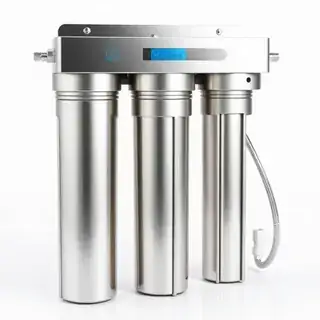
Proper water filter maintenance is essential for ensuring your family has access to clean, safe drinking water. Whether you own a water pitcher, reverse osmosis system, whole-house filter, or under-sink filter, regular maintenance protects your investment and your health. This comprehensive guide covers replacement schedules, costs, troubleshooting tips, and product recommendations to keep your filtration system running optimally.
Why Filter Maintenance Matters
Neglecting filter replacement doesn't just reduce water quality—it can make your water worse than unfiltered. Saturated filters allow contaminants to pass through, bacteria can colonize exhausted carbon media, and in some cases, trapped contaminants can leach back into your water. Regular maintenance is not optional; it's critical for protecting your family's health.
Comprehensive Maintenance Schedule by Filter Type
Replacement Schedule
- • Brita Standard: Every 2 months or 40 gallons
- • Brita Elite: Every 6 months or 120 gallons
- • PUR Basic: Every 2 months or 40 gallons
- • ZeroWater: When TDS meter reads 006 ppm (typically 15-40 gallons)
- • Indicator light: Replace immediately when lit
Cost Breakdown
- • Per filter: $8-15 (standard), $15-25 (advanced)
- • Annual cost: $50-90 (6 filters/year)
- • Bulk savings: Buy 6-packs for 20-30% savings
- • 5-year total: $250-450
Maintenance Tips
- • Wash pitcher with soap and water weekly to prevent mold buildup
- • Store in refrigerator to inhibit bacterial growth
- • Pre-soak new filters for 15 minutes before first use
- • Flush first 2 pitchers of water after filter replacement
Multi-Stage Replacement Schedule
Stage 1: Sediment Pre-Filter
Every 6-12 months | Cost: $10-20
Removes dirt, rust, sediment to protect membrane
Stage 2: Carbon Pre-Filter
Every 6-12 months | Cost: $15-25
Removes chlorine that damages RO membrane
Stage 3: RO Membrane
Every 2-3 years | Cost: $60-100
Core filtration - removes 95-99% contaminants
Stage 4: Carbon Post-Filter
Every 12 months | Cost: $15-25
Final polishing for taste and odor
Annual Cost Analysis
* Water softener pre-treatment can double membrane life
Critical Warning Signs
- • Slow flow rate: Pre-filters clogged or membrane fouled
- • TDS creep: Membrane needs replacement if TDS rises above 10% of tap water
- • Tank not filling: Check pressure tank, shut-off valve, and filters
- • Continuous drain water: Check valve failure - replace immediately
Replacement Timeline
Sediment Pre-Filter
Every 3-6 months for well water, 6-12 months for city water
Cost: $20-50 per filter
Carbon Filter (GAC/Catalytic)
Every 12-18 months or 1 million gallons
Cost: $80-150 per filter
UV Bulb (if equipped)
Every 12 months regardless of use
Cost: $80-120
UV intensity degrades over time even when operational
5-Year Cost Projection
Professional Maintenance Tips
- • Check pressure gauges monthly—pressure drop indicates clogged filter
- • Inspect housing O-rings during filter changes to prevent leaks
- • Flush system for 5 minutes after filter replacement
- • Consider water softener if hardness is high to extend carbon filter life
Filter Lifespan by Type
- • Single-stage carbon: 6-12 months or 500-1,000 gallons
- • 2-stage (sediment + carbon): Sediment 6 months, carbon 12 months
- • 3-stage systems: All stages every 12 months for consistency
- • High-capacity models: Up to 18 months or 1,500 gallons
Annual Maintenance Costs
- • Basic carbon filter: $30-60/year
- • 2-stage system: $60-100/year
- • 3-stage system: $80-120/year
- • Premium long-life: $50-80/year (less frequent changes)
Warning Signs Your Filter Needs Immediate Replacement
Critical Red Flags
- ●Chlorine taste/smell returns: Carbon filter is saturated and no longer removing chlorine
- ●Visible particles in water: Sediment filter bypass or membrane failure
- ●Black specks/flakes: Carbon media breaking down - replace immediately
- ●Cloudy or murky water: Filter is releasing trapped contaminants
- ●Musty or moldy smell: Bacterial colonization in saturated filter media
Performance Indicators
- • Reduced water flow: Clogged filter restricting flow (normal sign to replace)
- • Indicator light activated: Built-in timer or flow meter signaling replacement
- • Gallons consumed: Track usage vs. rated capacity
- • Time since last change: Follow manufacturer schedule even if water tastes fine
- • TDS creep (RO systems): Rising TDS readings indicate membrane wear
- • Pressure gauge drop: Differential pressure shows filter loading
Pro tip: Test your water with a TDS meter or test kit before and after filter changes to verify performance.
Smart Strategies to Reduce Filter Maintenance Costs
Purchase Strategies
- • Buy in bulk: 6-packs or annual kits save 20-30%
- • Subscribe and save: Amazon Subscribe & Save often offers 15% off
- • Generic filters: NSF-certified third-party filters cost 30-50% less
- • Annual sales: Stock up during Black Friday, Prime Day
- • Wholesale clubs: Costco/Sam's Club sell multi-packs at deep discounts
Extend Filter Life
- • Pre-filter sediment: $15 sediment filter protects $100 carbon filter
- • Soften hard water: Reduces scale buildup extending filter life 50-100%
- • Regular cleaning: Rinse sediment pre-filters to maximize use
- • Proper installation: Correct flow direction prevents premature clogging
- • Monitor pressure: Replace before filters become completely blocked
How to Replace Water Filters: Step-by-Step Guide
General Replacement Process
- 1.Shut off water supply: Turn off feed valve to prevent flooding during filter change
- 2.Relieve pressure: Open faucet to drain remaining water from system
- 3.Remove housing: Use filter wrench (usually included) to unscrew housing. Have bucket ready for water spillage
- 4.Replace O-rings: Inspect housing O-ring for cracks or wear. Replace if damaged. Lubricate with silicone grease
- 5.Install new filter: Remove protective caps from new filter. Ensure correct orientation (check flow arrows)
- 6.Reassemble housing: Hand-tighten housing. Use wrench for final 1/4 turn. Don't overtighten
- 7.Flush system: Turn on water slowly. Check for leaks. Run filtered water for 5 minutes to flush new filter
- 8.Record replacement: Mark calendar or app with next replacement date
Low-Maintenance Systems by Type
Best RO Systems for Easy Maintenance
Reverse osmosis systems with twist-and-lock filter cartridges make annual maintenance a 10-minute task. Look for models with filter change indicators and accessible housings.
View RO ReviewsLow-Maintenance Whole House Filters
Modern whole-house systems feature clear housings, pressure gauges, and quick-change cartridges. Premium models last 12-18 months between changes.
Compare SystemsConvenient Under-Sink Filters
Under-sink filters with tool-free cartridge replacement and long-life media (12-18 months) minimize hassle. Perfect for busy households.
See Top PicksBudget-Friendly Pitcher Filters
Water pitchers with 6-month long-life filters reduce replacement frequency and costs. Look for models with filter indicator lights.
Browse PitchersEasy-to-Maintain Picks
Exact products we link to, each with simple cartridge changes. Check the current price and replacement-filter cost before you buy.
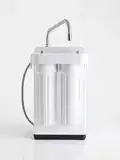
Aquasana AQ-5200 Claryum 2-Stage Under-Sink Filter
Aquasana AQ-5200 Claryum 2-Stage Under-Sink Filter
Two twist-off cartridges under the sink, typically changed about every six months depending on use. Its dedicated faucet keeps filtered and unfiltered water separate.
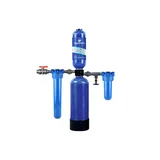
Aquasana Rhino Whole House Water Filter
Aquasana Rhino Whole House Water Filter
A large whole-house tank changes far less often than cartridge systems, though its pre-filter still needs regular swaps. Requires installation on the main water line.
Compare sizing, treatment options and ongoing costs in our best whole house water filters guide.
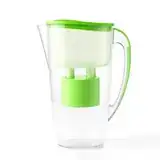
Clearly Filtered Water Pitcher with Affinity Filter
Clearly Filtered Water Pitcher with Affinity Filter
No tools and no installation: swap the filter on schedule and wash the pitcher. Budget for regular replacement filters.