Faucet Filter Maintenance Guide: Everything You Need to Know
Expert maintenance schedules, cleaning techniques, and troubleshooting tips to keep your faucet water filter performing at peak efficiency.
Faucet-mounted water filters are among the most popular and affordable home filtration solutions, providing instant access to filtered drinking water without permanent installation. However, even the best faucet filter is only as good as its maintenance—a neglected filter can actually make your water quality worse by harboring bacteria and releasing trapped contaminants.
This comprehensive guide covers everything from brand-specific replacement schedules to advanced cleaning techniques, troubleshooting common problems, and maximizing the lifespan of your investment. Whether you use a Brita, PUR, or Culligan faucet filter, proper maintenance ensures your family drinks clean, safe water every day.
Brand-Specific Replacement Schedules
Each faucet filter brand uses different filter media and housing designs, resulting in different replacement intervals. Here's a detailed breakdown based on manufacturer specifications and real-world testing:
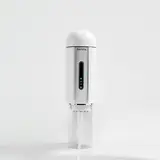
Brita Faucet Filter
Uses sticker-based replacement tracking. No electronic indicator on most models.
Read Brita Faucet Review →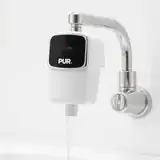
PUR FM-3700
Electronic indicator: green (good), yellow (soon), red (replace now).
Read PUR FM-3700 Review →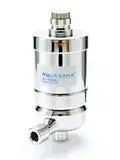
Culligan FM-15A
Longest filter life among faucet filters. No electronic indicator.
*Replacement intervals assume typical family usage of 2-3 gallons/day of filtered water. Heavy usage households should replace more frequently. For a broader comparison of filter costs, see our water filter cost comparison guide.
Step-by-Step Filter Replacement Process
Replacing a faucet filter cartridge is straightforward and takes less than 5 minutes. Follow these universal steps that apply to most faucet filter brands:
1 Prepare Your Workspace
Place a towel under the faucet to catch any drips. Have your new replacement cartridge ready and unwrapped. Make sure you have the correct model number—using the wrong cartridge can cause leaks or bypass filtration entirely.
2 Switch to Bypass Mode
Turn the diverter lever to unfiltered/bypass position. This prevents water from flowing through the filter housing during replacement. On Brita models, push the lever down; on PUR, slide it to the spray position.
3 Remove the Filter Housing
For most models, press the release button on the back of the unit while pulling the filter housing downward. Some models (Culligan) require a quarter-turn twist. Never use pliers or tools—all faucet filters are designed for hand removal.
4 Inspect and Clean
Before inserting the new cartridge, inspect the O-ring gasket for cracks or wear. Clean any mineral buildup from the housing interior and threads with a soft brush. Rinse the aerator screen to remove sediment that restricts flow.
5 Install New Cartridge & Flush
Insert the new cartridge with the flow arrow pointing downward. Click or twist the housing back into place. Switch to filtered mode and run cold water for 5 full minutes to flush activated carbon fines (the water will appear gray initially—this is normal and harmless).
Deep Cleaning Your Faucet Filter System
Beyond cartridge replacement, the filter housing, diverter valve, and aerator screen need periodic cleaning to maintain performance. Hard water areas require more frequent cleaning due to mineral deposits that accumulate on threads and internal components.
Monthly Cleaning (All Brands)
Once per month, wipe down the exterior of your faucet filter with a damp cloth and mild dish soap. Check the diverter lever for smooth operation—mineral buildup can cause it to stick. Clean the aerator screen by unscrewing it from the filter outlet and rinsing under hot water. For stubborn deposits, soak in white vinegar for 15 minutes.
Quarterly Deep Clean
Every 3 months (aligned with filter replacements), perform a thorough deep clean. Remove the filter housing and soak all non-cartridge components in a 50/50 white vinegar and warm water solution for 30-60 minutes. Use a soft toothbrush to scrub threads, gasket grooves, and the diverter valve. Rinse everything thoroughly with hot water before reassembling. This prevents the gradual flow restriction that many users blame on the filter cartridge when it's actually housing buildup.
Hard Water Special Treatment
If your water hardness exceeds 10 GPG (grains per gallon), you'll need to clean more aggressively. Use CLR (Calcium Lime Rust) remover on the housing exterior and a toothpick to clear mineral deposits from small openings. Consider testing your water hardness to determine the appropriate cleaning frequency. In extremely hard water areas (>25 GPG), a water softener will extend filter life by 30-50% and reduce maintenance significantly.
Common Problems & Solutions
Even with regular maintenance, faucet filters occasionally develop issues. Here are the most common problems and their solutions, organized from most to least frequent:
Reduced Flow Rate
Cause: Clogged filter cartridge, mineral buildup on aerator screen, or sediment in diverter valve.
Fix: First, clean the aerator screen. If flow doesn't improve, replace the filter cartridge. For persistent issues, check if your home's water pressure is low—faucet filters need at least 20 PSI to function properly.
Leaking at Faucet Connection
Cause: Worn O-ring, cross-threaded connection, or cracked housing.
Fix: Remove the filter, inspect the O-ring (replace if flattened or cracked—most brands include spares). Clean threads with vinegar, then reinstall hand-tight. If the housing is cracked, contact the manufacturer for warranty replacement.
Bad Taste or Odor Returns
Cause: Saturated filter cartridge, bacterial growth from stagnant water, or high chlorine/chloramine levels in source water.
Fix: Replace the filter cartridge immediately. If the problem persists with a new filter, your source water may have chloramines (which are harder to remove than chlorine)—consider upgrading to a multi-stage under-sink system.
Diverter Lever Stuck
Cause: Mineral deposits binding the lever mechanism, especially in hard water areas.
Fix: Apply food-grade silicone lubricant or soak the connection area with vinegar-soaked paper towels for 20 minutes. Gently work the lever back and forth. For severely stuck levers, remove the entire unit and soak in CLR solution.
When to Upgrade From a Faucet Filter
Faucet filters are excellent entry-level filtration solutions, but certain situations warrant upgrading to more capable systems. Consider upgrading if:
- Your water contains lead, arsenic, or fluoride at dangerous levels—faucet filters have limited capacity for these heavy contaminants
- You use more than 3-4 gallons of filtered water daily—replacement costs add up quickly at high volumes
- You have well water—faucet filters cannot treat bacteria, nitrates, or most well-specific contaminants
- You want whole-house protection for showers and appliances—whole-house systems treat every tap
If you're ready to upgrade, consider a reverse osmosis system for the most comprehensive contaminant removal, or a multi-stage under-sink filter for better performance without RO waste water. See our water filter choosing guide for help selecting the right upgrade path.
5-Year Maintenance Cost Comparison
Understanding the long-term cost of faucet filter maintenance helps you budget properly and compare against alternative filtration methods:
| System | Year 1 | Year 2-5 | 5-Year Total |
|---|---|---|---|
| Brita Faucet | $65 (system + 3 filters) | $112 (4×$28/yr) | $177 |
| PUR FM-3700 | $85 (system + 3 filters) | $160 (4×$40/yr) | $245 |
| Culligan FM-15A | $55 (system + 1 filter) | $100 (4×$25/yr) | $155 |
| Bottled Water (comparison) | $600-1,000 | $2,400-4,000 | $3,000-5,000 |
*Based on family of 4 usage. Faucet filters save 95%+ compared to bottled water. For the most affordable filtration, see our budget water filter guide.
Seasonal Maintenance Calendar
Spring & Summer
- Replace filter cartridge (seasonal reset)
- Deep clean housing with vinegar soak
- Check for increased chlorine levels (summer boost)
- Inspect O-ring for heat-related degradation
- Flush system if returning from vacation
Fall & Winter
- Replace filter and do winterization check
- Ensure kitchen stays above 40°F to prevent freezing
- Clean mineral deposits more aggressively (hard water season)
- Stock replacement filters before holiday season
- Test water quality with home test kit
Pro Maintenance Tips
Do's
- Always use cold water for filtering
- Keep spare cartridges on hand
- Track replacement dates on your phone calendar
- Run bypass mode for 10 seconds before switching to filtered
- Buy genuine OEM replacement cartridges
Don'ts
- ✗ Never run hot water through the filter
- ✗ Never use tools to tighten the filter unit
- ✗ Never use a filter past its gallon or date limit
- ✗ Never try to clean and reuse a spent cartridge
- ✗ Never use generic knockoff filters (they may bypass filtration)
Frequently Asked Questions
Related Articles
Deep dive — Water Filter Buying Guide
Complete guide to choosing the right filter
Read: How Water Filters Work
Understanding filtration technologies explained
Water Filter Cost Comparison
Annual costs across all filter types
Step-by-step: Water Testing Kits Guide
Test your water before buying a filter
Filter Replacement Guide (upkeep tips)
When and how to replace filter cartridges
Read: Water Filter Health Benefits
Health advantages of filtered water