Do I Need a Water Filter? Complete Decision Guide
Learn the warning signs, health risks, and when water filtration is essential for your home's safety and quality of life
Whether you need a water filter depends on your water source, visible quality issues, health concerns, and quality-of-life priorities. While most US tap water meets EPA safety standards, millions of Americans still face water quality issues from aging infrastructure, industrial contamination, or untreated well water sources. This comprehensive guide will help you assess your specific situation and make an informed decision about water filtration for your home.
Obvious Warning Signs That Demand Filtration
Some water quality issues are immediately apparent and don't require laboratory testing to identify. If you notice any of these visible problems, you should act quickly to protect your family's health and your home's plumbing system.
Visible Problems (Testing NOT Required - Act Immediately)
Brown, yellow, rust-colored, or cloudy water indicates sediment, iron, manganese, or rust from aging pipes. This is particularly common in older homes and well water systems. The discoloration means particles are suspended in your water - not safe for consumption without filtration.
Solution: Whole house sediment filter or well water system with multi-stage filtration.
Chlorine taste indicates municipal disinfection treatment - safe but unpleasant. Rotten egg smell signals sulfur bacteria or hydrogen sulfide gas (common in well water). Metallic taste suggests iron, copper, or lead leaching from pipes. Musty/earthy odors indicate organic matter or algae.
Solution: Chlorine removal with carbon pitcher filter, or reverse osmosis for comprehensive taste/odor removal.
Hard water (high calcium and magnesium) leaves crusty white deposits on fixtures, reduces soap lather, and shortens appliance lifespan by years. Scale accumulation in water heaters, dishwashers, and washing machines causes expensive failures. Hard water affects 85% of US homes.
Solution: Water softener removes hardness minerals via ion exchange, protecting appliances and improving soap effectiveness.
Rust-colored staining indicates iron contamination. Blue-green stains suggest copper pipe corrosion (acidic water). Black staining signals manganese. These minerals not only stain but can impart unpleasant taste and potential health concerns at high levels.
Solution: Iron filter for well water or whole house filter with oxidation system for municipal water.
Health-Related Concerns Requiring Water Testing
Some of the most dangerous water contaminants are invisible, tasteless, and odorless. If any of these risk factors apply to your home, professional water testing is not optional—it's essential for your family's long-term health and safety.
High-Risk Situations Demanding Immediate Testing
Lead pipes and lead solder were legal until 1986. Even homes built later may have lead service lines connecting to the street. Lead is a neurotoxin with no safe exposure level, particularly dangerous for children and developing fetuses. The Flint water crisis demonstrated how lead contamination can go undetected for years.
Test for: Lead, copper
Solution: NSF 53-certified RO system or under-sink filter removes 95-99% of lead.
Private wells serve 15% of Americans (43 million people) and receive ZERO municipal treatment or oversight. Well water can harbor bacteria (E. coli, coliform), nitrates from agricultural runoff, naturally occurring arsenic, radon, uranium, and hardness minerals. Annual testing is recommended by the EPA.
Test for: Bacteria, nitrates, arsenic, hardness, pH, iron, manganese
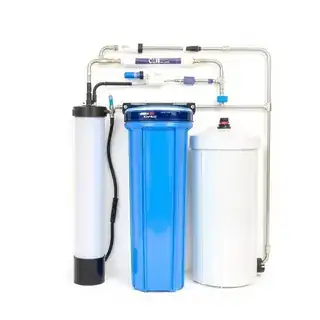
Solution: Multi-stage well water system (sediment + carbon + UV sterilization)
Developing fetuses, infants, and young children are uniquely vulnerable to waterborne contaminants. Lead exposure causes permanent neurological damage and developmental delays. Nitrates can cause "blue baby syndrome" in infants under 6 months. PFAS ("forever chemicals") are linked to developmental issues.
Test for: Lead, nitrates, PFAS, bacteria
Solution: Filters for babies - RO systems remove 95%+ of these contaminants.
Industrial runoff introduces PFAS, VOCs (volatile organic compounds), heavy metals (chromium-6, arsenic). Agricultural areas have elevated nitrates from fertilizer and pesticides. Military bases and airports historically used PFAS-containing firefighting foam, contaminating groundwater for miles.
Test for: PFAS, nitrates, VOCs, pesticides, heavy metals
Solution: RO system or whole house carbon filter
Recurring stomach problems, diarrhea, nausea, skin rashes, or illness after consuming tap water suggests bacterial contamination, parasites (Giardia, Cryptosporidium), or chemical exposure. Document symptoms and timing - this may indicate a serious water safety issue requiring immediate professional testing.
Test for: Bacteria, parasites, full chemical panel
Action: Stop drinking water immediately. Use bottled water until testing confirms safety.
Quality of Life Improvements (Even When Water Is "Safe")
Meeting EPA safety standards doesn't mean your water is pleasant or optimal. Many homeowners choose filtration for taste, convenience, and long-term cost savings—even when their water technically meets safety guidelines.
Even safe chlorinated city water tastes unpleasant. Filtered water improves the taste of coffee, tea, soups, and ice cubes. Pitcher filters are the most affordable entry point ($25-50) for taste improvement.
Shower filters and whole house systems remove chlorine and hardness minerals that dry out skin and hair. Many users report reduced eczema symptoms and shinier hair after installing filtration.
Hard water reduces water heater efficiency by 30-50% and shortens appliance lifespan by 3-5 years. Water softeners save thousands in appliance replacement costs over 10-15 years.
Bottled water costs $1-2 per gallon. A family drinking 5 gallons/week spends $260-520/year on bottles. A reverse osmosis system ($300-500 upfront + $100/year filters) pays for itself in 1-2 years while eliminating plastic waste.
Infrastructure failures (like Flint, MI) can contaminate water overnight. Having filtration already installed protects your family during these crises. NSF-certified filters provide verified protection against contaminant surges.
Step-by-Step Decision Process
Step 1: Identify Your Water Source
Already treated for: Bacteria, pathogens
Likely contains: Chlorine, disinfection byproducts
May contain: Lead from pipes, PFAS
Recommended: Carbon filter or RO for taste + safety
Untreated: No disinfection or oversight
Test Required: Bacteria, nitrates, arsenic, hardness
Likely needs: Multi-stage filtration (sediment + carbon + UV)
Annual testing: EPA recommends yearly checks
Step 2: Assess Coverage Needs
Step 3: Match Filter to Contaminants
| Contaminant | Best Filter Type | Removal Rate |
|---|---|---|
| Chlorine | Carbon filter | 95-99% |
| Lead | RO or NSF 53 carbon | 95-99% |
| PFAS | RO or special carbon | 90-99% |
| Arsenic | Reverse osmosis | 95-98% |
| Fluoride | Reverse osmosis | 90-95% |
| Bacteria/Viruses | UV purification | 99.99% |
| Hardness (scale) | Water softener | 100% |
See our complete guide to filtration methods for detailed technology comparisons.
Cost-Benefit Analysis: Filtered vs Bottled Water
| Option | Year 1 | Year 5 | Year 10 |
|---|---|---|---|
| Bottled Water (5 gal/week) | $260-520 | $1,300-2,600 | $2,600-5,200 |
| Pitcher Filter | $75 ($25 + $50 filters) | $275 | $525 |
| Under Sink RO | $400 ($300 + $100 filters) | $800 | $1,300 |
| 10-Year Savings (RO vs Bottles) | $1,300 - $3,900 | ||
Filtration systems pay for themselves within 1-3 years and eliminate thousands of plastic bottles from landfills. Even premium RO systems save money long-term compared to bottled water dependency.
When You DON'T Need a Filter
Filtration isn't always necessary. You may skip filtration if ALL of these conditions apply:
- Recent home (post-2000s) with copper or PEX plumbing - No lead risk
- City water with recent quality report showing compliance - No known violations
- No visible issues - Clear, odorless, good-tasting water
- No vulnerable populations - No pregnant women, infants, or immunocompromised individuals
- Low environmental risk - Not near industry, farms, or military bases
Even if you don't strictly need filtration, many homeowners choose it for taste improvement, peace of mind, and cost savings vs bottled water. See our complete filter selection guide to weigh your options.
Recommended Next Steps Based on Your Situation
If You See Warning Signs or Have Risk Factors
- Order professional water test (especially for well water or old homes)
- Review detailed test results - identify all contaminants above EPA limits
- Match filter technology to specific contaminants found in your water
- Choose system size appropriate for household (pitcher vs whole house)
- Verify NSF certification for contaminants you need removed
Filters to Compare
If testing or the warning signs above point to filtration, start with the simplest option that covers your concern. These are exact products we link to; check the current price before you buy.
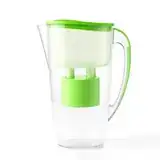
Clearly Filtered Water Pitcher with Affinity Filter
Clearly Filtered Water Pitcher with Affinity Filter
No installation, works for renters and fits in the fridge. Compare its published reduction list with your water report.
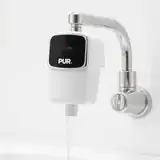
PUR FM-3700 Faucet Mount Filter
PUR FM-3700 Faucet Mount Filter
Filtered water on demand from a standard kitchen faucet in a few minutes, with no plumbing.
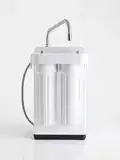
Aquasana AQ-5200 Claryum 2-Stage Under-Sink Filter
Aquasana AQ-5200 Claryum 2-Stage Under-Sink Filter
A two-stage under-sink filter with its own faucet for households that use a lot of filtered water for drinking and cooking.
See every option in our best home water filters guide.
Frequently Asked Questions
Related Articles & Resources
Still Deciding What's Right for Your Home?
Our comprehensive choosing guide walks through every filter type, contaminant removal capabilities, cost comparisons, and personalized recommendations based on your water source and household needs.