Best Water Filters for Cooking & Kitchen Use
Water is the most-used ingredient in your kitchen—yet most home cooks never think about its quality. From chlorine altering pasta flavor to lead transferring into baby formula, your cooking water quality directly impacts both taste and safety. Here's how to choose the right kitchen filter.
Why Cooking Water Quality Matters
Professional chefs have long understood something most home cooks overlook: water quality fundamentally affects food quality. When water is the primary ingredient—soups, stocks, pasta water, rice, steaming, and beverages—its chemical composition directly impacts flavor, texture, and safety.
Consider this: a pot of pasta absorbs approximately 75% of its weight in cooking water. A pot of rice absorbs 100% of its cooking water. If that water contains chlorine, your food tastes slightly chemical. If it contains lead, that lead is now in your meal. Boiling doesn't help—as we explain in our guide on whether boiling removes lead, heat actually concentrates dissolved metals.
Hard water (high in calcium and magnesium) also affects cooking. It can make beans tough, vegetables fibrous, and baked goods dense. Hard water reacts with the gluten in bread dough, creating a tighter crumb structure. In contrast, very soft water can make dough too slack and sticky. Understanding your water's mineral profile— using a simple water hardness test— helps you cook better.
How Tap Water Affects Common Foods
| Food/Dish | Water's Role | Unfiltered Impact |
|---|---|---|
| Pasta | 75% absorption | Chlorine taste, lead absorption |
| Rice | 100% absorption | Off-flavors, arsenic concern |
| Bread | Yeast activation | Chlorine kills yeast, less rise |
| Soup/Stock | Primary ingredient | Chemical taste, cloudiness |
| Coffee/Tea | 98% of the drink | Chlorine, scale buildup |
| Baby Formula | Primary ingredient | Lead, nitrate, PFAS exposure |
Best Water Filter Types for Kitchen Use
For cooking, the key requirements are: sufficient flow rate to fill pots quickly, effective chlorine and lead removal, and convenient access at the kitchen sink. Here's how each type stacks up.
Under-Sink Carbon Block Filter
The ideal cooking filter. Delivers filtered water directly from your kitchen faucet at full flow rate (0.5-1.0 GPM)—fast enough to fill a stockpot in 1-2 minutes. Removes chlorine, lead (NSF 53 models), VOCs, and improves taste while retaining beneficial minerals. No counter space needed.
Under-Sink RO System
Provides the purest cooking water—removes 95-99% of all contaminants including PFAS, fluoride, and nitrates. Produces crystal-clear ice and the best coffee/tea. Slower flow rate than carbon (0.5 GPM for tankless) and removes minerals, which some cooks prefer to keep.
Faucet-Mount Filter
A budget-friendly option that attaches directly to your kitchen faucet. Switch between filtered and unfiltered water with a lever. Good for renters who can't install under-sink systems. Flow rate is adequate for cooking (0.5 GPM) but filters need frequent replacement (every 2-3 months).
Pitcher Filter
Convenient for drinking water but impractical for heavy cooking use. Slow filtration (8-15 minutes per fill) and limited capacity (6-12 cups) make it frustrating when you need multiple gallons for pasta, stocks, or canning. Best as a supplement to another kitchen filter system, not the primary cooking filter.
Filtered Water for Specific Cooking Tasks
Pasta & Grains
Pasta and grains absorb massive amounts of cooking water. When you boil pasta in chlorinated water, the chlorine taste transfers directly into the noodles. In professional Italian kitchens, water quality is considered as important as the flour quality. A simple carbon filter that removes chlorine makes a noticeable difference in pasta flavor.
Rice is even more water-dependent since it absorbs 100% of its cooking water. Brown rice grown in certain regions may contain trace arsenic—filtering your cooking water and using a higher water-to-rice ratio (6:1, then draining) can reduce arsenic exposure by up to 60%.
Bread Baking
Chlorine in tap water can kill or inhibit yeast activity—the very microorganisms that make bread rise. Professional bakers use dechlorinated water for all yeast breads. Even small amounts of chlorine (1-2 ppm) can reduce yeast activity by 10-20%, resulting in denser bread with less oven spring. For sourdough cultures, which are especially sensitive, filtered water is essential to maintain a healthy starter.
Soups, Stocks & Sauces
When water is the primary ingredient—as in chicken stock, vegetable broth, or French onion soup—its quality becomes the dominant flavor component. Hard water minerals can cause cloudiness in stocks and interact with natural gelatin, affecting mouthfeel. Chlorine creates subtle off-notes that accumulate during long simmering. Using filtered water for stocks produces cleaner, brighter flavors and clearer liquid.
Steaming & Blanching
Steam from chlorinated water carries chlorine compounds that can contact food. While the effect is subtler than direct immersion, delicate vegetables and fish can pick up off-flavors from chlorinated steam. For high-end cooking, filtered water improves results across all steaming applications.
Filtered Water for Coffee, Tea & Beverages
Coffee is 98% water, and tea is 99% water. The Specialty Coffee Association (SCA) has specific water quality standards for optimal extraction: 150 ppm total dissolved solids, zero chlorine, pH 7.0, and specific mineral ratios. Your filter choice significantly impacts your daily cup.
Chlorine is coffee's worst enemy—it creates bitter, chemical notes that mask the bean's natural flavors. A simple carbon filter eliminating chlorine is the single biggest improvement most home coffee enthusiasts can make. Hard water causes scale buildup in coffee machines (shortening their lifespan) and produces flat, chalky-tasting coffee. Very soft or RO-pure water, conversely, under-extracts coffee, creating sour, weak brews.
For tea, water quality is equally critical. Green and white teas are especially sensitive to chlorine and mineral content. Japanese tea ceremony traditions specify using fresh, clean, mineral-balanced water. A carbon filter that removes chlorine while preserving some mineral content produces the best results for most teas.
Safe Water for Baby Formula Preparation
Critical Safety Note
The American Academy of Pediatrics recommends using cold, filtered water for infant formula preparation. Babies are extremely vulnerable to lead, nitrates, and PFAS. Never use hot tap water for formula—it contains higher lead levels from pipe corrosion.
For baby formula, an RO system is the safest choice, removing 95-99% of all contaminants including lead, nitrates, PFAS, and fluoride. If you're concerned about fluoride removal (some pediatricians recommend fluoride for dental health), discuss with your doctor or use a carbon filter that leaves fluoride in while removing lead and chlorine.
At minimum, use a filter certified to NSF 53 for lead reduction. Our best filters for babies guide provides specific product recommendations tested for infant-safe water preparation.
Our Top Kitchen Filter Picks
| Use Case | Recommended Filter | Why | Price |
|---|---|---|---|
| General Cooking | Aquasana AQ-5200 | NSF 53, great flow rate | $150 |
| Purest Water | Waterdrop G3P800 | RO, removes 99% of contaminants | $400 |
| Renters | PUR Plus FM-3700 | Faucet mount, no installation | $30 |
| Baby Formula | APEC ROES-50 | 5-stage RO, budget-friendly | $200 |
| Coffee Enthusiast | Clearly Filtered Under-Sink | Removes chlorine, keeps minerals | $250 |
Cost Analysis: Is Filtered Cooking Water Worth It?
An active home cook uses 2-5 gallons of water per day for cooking tasks. At an under-sink filter cost of $150 upfront and $45/year in replacements, you're spending roughly $0.04-0.10 per gallon of filtered cooking water—far less than buying bottled water for cooking ($1-2/gallon). Over 5 years, a quality under-sink filter costs approximately $375 total for unlimited filtered cooking and drinking water.
For a complete cost breakdown across all filter types, see our water filter cost comparison guide.
Frequently Asked Questions
Recommended Products
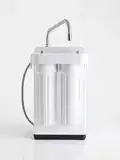
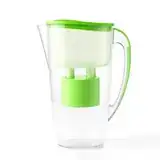
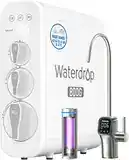
Explore Our Top Picks
Water Filtration Technology Guide
Activated Carbon: The Foundation
Activated carbon filtration is the most widely used water treatment technology, found in everything from pitcher filters to whole-house systems. Granular activated carbon (GAC) filters water through loose carbon granules, providing good chlorine and taste/odor removal but limited contaminant trapping. Carbon block filters compress carbon into a solid form, creating smaller pore sizes (0.5-10 microns) that capture more contaminants including lead, cysts, and VOCs. Catalytic carbon, a specialized variant, effectively removes chloramines - a disinfectant used by approximately 30% of US water utilities that standard carbon struggles to address. Filter life depends on carbon volume, water quality, and flow rate.
Understanding NSF Certifications
NSF/ANSI certifications are the gold standard for verifying water filter performance claims. NSF 42 certifies aesthetic improvements (chlorine taste and odor). NSF 53 certifies health-related contaminant reduction (lead, cysts, VOCs). NSF 58 covers reverse osmosis systems. NSF 401 addresses emerging contaminants (pharmaceuticals, BPA). NSF/ANSI 244 covers microbiological purifiers. Always verify certifications through NSF's online database rather than relying solely on manufacturer claims, as some brands claim "tested to NSF standards" without holding actual certification. The distinction matters because certified products undergo annual unannounced audits and retesting.
Matching Filter Type to Contaminant
Different filtration technologies target different contaminant categories. For chlorine and taste: any activated carbon filter (pitchers, faucet, whole house). For lead: carbon block (NSF 53 certified) or reverse osmosis. For PFAS: activated carbon (60-80% removal) or reverse osmosis (95-99% removal). For bacteria and viruses: UV treatment, ceramic filters, or RO. For nitrates: reverse osmosis or ion exchange (carbon filters are ineffective). For iron: oxidizing media (Birm, Greensand) or KDF filters. For fluoride: reverse osmosis, activated alumina, or bone char. No single technology addresses all contaminants, which is why multi-stage systems combining complementary technologies provide the most comprehensive protection.
Filter Media Innovation and Emerging Technologies
Water filtration technology continues advancing beyond traditional activated carbon. Catalytic carbon, produced through high-temperature steam activation, creates a surface chemistry that breaks down chloramines through catalytic decomposition rather than simple adsorption. This technology is essential for the 30% of US homes served by chloramine-treated water, as standard carbon has limited effectiveness against chloramines. KDF (Kinetic Degradation Fluxion) media uses copper-zinc alloy granules to remove heavy metals, control bacteria growth, and reduce hydrogen sulfide through electrochemical oxidation. KDF is particularly valuable in shower filters where hot water temperatures limit carbon effectiveness.
Ceramic filters represent one of the oldest yet most effective physical filtration methods. With pore sizes of 0.2-0.5 microns, ceramic elements physically block bacteria, protozoa, and sediment without chemicals or electricity. Unlike membrane filters that must be replaced, ceramic elements can be cleaned and reused for years - simply scrub the outer surface to remove accumulated contaminants. This makes ceramic filtration ideal for emergency preparedness and off-grid applications. Ion exchange resins, commonly found in pitcher filters and water softeners, selectively swap harmful ions (lead, copper, barium) for harmless ones (sodium, potassium). Each technology has specific strengths, and the best filtration systems combine multiple media types to address the broadest contaminant spectrum.
Water Quality Science and Consumer Protection
The science of water treatment has evolved dramatically over the past two decades, driven by advances in analytical chemistry that can now detect contaminants at parts-per-trillion concentrations. This detection capability has revealed the presence of thousands of previously unidentified compounds in municipal water supplies, including pharmaceutical residues, endocrine-disrupting chemicals, microplastics, and per- and polyfluoroalkyl substances (PFAS). The EPA currently regulates 90 contaminants under the Safe Drinking Water Act, but the Environmental Working Group has documented over 300 additional pollutants in US tap water that have no legal limits.
Understanding the distinction between regulated and unregulated contaminants is essential for making informed filtration decisions. Regulated contaminants have Maximum Contaminant Levels (MCLs) that public water systems must meet, enforced through mandatory testing and public reporting via annual Consumer Confidence Reports. Unregulated contaminants, despite being detected in water supplies, have no enforceable limits, meaning your water utility is not required to treat for or even report their presence. This regulatory gap means that water meeting all federal standards may still contain compounds of health concern at levels that research suggests could pose long-term risks.
The health economics of water filtration present a compelling case for proactive treatment. A 2023 analysis by the Water Quality Research Foundation estimated that the lifetime healthcare cost savings from removing lead exposure alone average $5,600 per child. When factoring in reduced cancer risk from PFAS and disinfection byproduct removal, improved developmental outcomes from reducing prenatal contaminant exposure, and decreased gastrointestinal illness from pathogen removal, the total health-economic benefit of comprehensive home water filtration ranges from $8,000 to $25,000 per household over a 20-year period. These savings dwarf the $2,000-5,000 total cost of purchasing and maintaining a quality filtration system over the same timeframe.
Infrastructure Challenges and Future Outlook
Americas water infrastructure faces unprecedented challenges that directly impact household water quality. The American Society of Civil Engineers grades US drinking water infrastructure at C-minus, with an estimated $625 billion investment needed over 20 years to bring systems to adequate condition. Approximately 6 billion gallons of treated water are lost daily through 240,000 water main breaks annually. These infrastructure failures not only waste resources but create potential contamination pathways where soil, bacteria, and chemicals can enter the distribution system through pressure drops and pipe fractures.
Lead service lines remain the most pressing infrastructure concern, with an estimated 6-10 million lead pipes still delivering water to American homes. The EPA Lead and Copper Rule Revisions mandate replacement of all lead service lines within the coming decade, but the scale of the project ($3,000-8,000 per line) and limited workforce capacity mean many households will continue receiving water through lead pipes for years. During the replacement process itself, disturbance of existing pipes can temporarily increase lead levels by 10-100x above baseline. Point-of-use filtration certified to NSF 53 for lead provides the most reliable protection during this transition period.
Climate change introduces compounding water quality challenges that existing treatment infrastructure was not designed to address. Rising temperatures promote harmful algal blooms producing cyanotoxins that overwhelm conventional treatment processes. Increased wildfire frequency deposits ash-borne benzene and heavy metals into source watersheds. Extreme precipitation events cause combined sewer overflows that introduce untreated sewage into source water. Sea level rise threatens coastal aquifers with saltwater intrusion, increasing TDS and chloride levels beyond treatment capacity. These converging pressures reinforce the critical importance of residential water treatment as the final barrier between environmental challenges and family health.
Filtration Technology Comparison and Selection
Selecting the right water filtration technology requires matching your specific contaminant profile to the capabilities of available treatment methods. Activated carbon filtration, the most widely deployed residential technology, excels at removing chlorine, volatile organic compounds (VOCs), and taste and odor compounds through adsorption. Coconut shell-derived granular activated carbon (GAC) provides the optimal pore structure for drinking water applications, with one gram offering approximately 3,000 square meters of internal surface area for contaminant capture. Carbon block filters offer superior performance to GAC by compressing the carbon into a solid matrix that provides both chemical adsorption and mechanical filtration down to 0.5 microns.
Reverse osmosis (RO) represents the gold standard for comprehensive residential water purification, achieving 95-99% rejection of dissolved solids including heavy metals, PFAS, nitrates, fluoride, and virtually all chemical contaminants. Modern residential RO systems incorporate pre-filtration stages (sediment and carbon) to protect the semipermeable membrane, a pressurized storage tank for on-demand delivery, and post-filtration polishing stages including remineralization to restore beneficial minerals and optimize pH. The primary trade-off is water waste, with conventional systems producing 3-4 gallons of reject water per gallon of purified water, though modern permeate pump designs reduce this ratio to 1:1 or better.
Ion exchange technology addresses specific ionic contaminants through selective chemical swapping. Water softeners use strong acid cation (SAC) resin to exchange calcium and magnesium (hardness) for sodium, preventing scale formation that damages plumbing and appliances. Specialized anion exchange resins target nitrates, arsenic, perchlorate, and PFAS with high selectivity. Mixed-bed deionization produces ultrapure water by removing virtually all dissolved ions. KDF (Kinetic Degradation Fluxion) media uses copper-zinc granules to remove chlorine and heavy metals through electrochemical redox reactions, particularly effective in high-temperature applications like shower filtration where carbon performance diminishes.
Related Articles
Top-rated Lead Removal Filters
NSF-certified filters proven to remove lead
See the best PFAS Removal Filters
Filters certified to remove forever chemicals
Top-rated Budget Water Filters
Affordable filters under $50 that actually work
Our picks for Emergency Water Filters
Reliable filters for disaster preparedness
Our picks for Hard Water Filters
Top filters for calcium and magnesium removal
Sulfur Smell Removal Guide
Eliminate rotten egg smell from your water