Why Does My Water Smell Like Rotten Eggs?
Complete guide to identifying and removing sulfur smell from water — find the source in minutes, then match the right fix to your hydrogen sulfide level.
Locate the smell before choosing treatment
Start by checking whether the odor occurs in hot water only or throughout the supply.
- Investigate the water heater separately when only hot water smells.
- Use appropriate testing to distinguish a source-water issue from a plumbing issue.
- Choose treatment for the confirmed cause; UV bacteria protection is not sulfur removal.
That unmistakable rotten egg smell in your water is caused by hydrogen sulfide gas—a compound produced when sulfur bacteria break down organic matter in oxygen-depleted environments. While typically not dangerous at low levels, sulfur smell indicates water quality issues that need addressing. This comprehensive guide covers the causes, health effects, testing methods, and proven treatment solutions to eliminate sulfur smell from your water supply.
Quick Diagnosis Guide
- Only hot water smells: Water heater anode rod issue → Replace with aluminum anode
- All water smells: Sulfur in source water → Install oxidizing filter or chlorination system
- Smell worse in morning: Bacterial growth in pipes → Shock chlorinate and flush system
- Smell varies seasonally: Groundwater changes → Monitor and treat as needed
What Causes Sulfur Smell in Water?
Sulfur-Reducing Bacteria
These naturally occurring bacteria thrive in oxygen-depleted environments like deep wells, water heaters, and stagnant pipes. They convert sulfates in water to hydrogen sulfide gas as part of their metabolism.
Common in: Wells over 100 feet deep, areas with naturally high sulfate levels, and systems with low water turnover.
Decaying Organic Matter
Decomposing vegetation, leaves, or other organic material in wells or water sources can produce hydrogen sulfide. This is especially common in shallow wells near swamps or wetlands.
Signs: Seasonal variation in smell intensity, worse after heavy rain or flooding.
Water Heater Reaction
Magnesium anode rods in water heaters react with sulfates in the water to produce hydrogen sulfide. The warm, stagnant environment accelerates bacterial growth and chemical reactions.
Indicator: Only hot water has the smell; cold water is fine.
Natural Geological Sources
Some aquifers pass through rock formations containing sulfur compounds. Shale, coal deposits, and certain sedimentary rocks naturally release sulfides into groundwater.
Geographic areas: Common in Texas, Florida, parts of the Midwest, and coastal regions.
Understanding Hydrogen Sulfide Levels
Odor strength by hydrogen sulfide level (ppm)
0.01–0.1
Faint
0.1–0.5
Noticeable
0.5–2
Strong
2–5
Very strong
5+
Overwhelming
| Concentration (ppm) | Odor Description | Health/Safety Concerns | Recommended Action |
|---|---|---|---|
| 0.01 - 0.1 | Faint, barely noticeable | None - aesthetic only | Carbon filter or aeration |
| 0.1 - 0.5 | Noticeable rotten egg | Unpleasant taste, minor corrosion | Air injection filter |
| 0.5 - 2.0 | Strong, offensive | Pipe corrosion, fixture staining | Oxidizing filter or chlorination |
| 2.0 - 5.0 | Very strong, sickening | Nausea, headaches possible | Chemical injection system |
| >5.0 | Overwhelming | Health hazard, serious corrosion | Professional treatment required |
Is Sulfur Water Dangerous? Health Effects Explained
For most household concentrations, hydrogen sulfide in water is primarily an aesthetic issue rather than a health hazard. However, understanding the potential effects at various levels helps you assess the urgency of treatment.
Generally Safe (Under 1 ppm)
- • Unpleasant taste and odor
- • No direct health effects for most people
- • May affect cooking and beverage quality
- • Can cause minor skin irritation during bathing
Potential Concerns (1-5 ppm)
- • May cause nausea in sensitive individuals
- • Headaches with prolonged exposure
- • Respiratory irritation possible
- • Accelerated pipe and fixture corrosion
Secondary Effects to Consider
- Pipe Corrosion:Hydrogen sulfide corrodes copper, iron, and brass plumbing. This can release metals like copper and lead into your water, creating secondary contamination.
- Fixture Damage:Black staining on sinks, showers, and laundry. Tarnishing of silverware and jewelry exposed to water vapor.
- Indicator of Other Issues:Sulfur smell can indicate anaerobic conditions where harmful bacteria like coliform may also thrive. Always test for bacteria when sulfur is present.
- Water Heater Damage:Accelerated corrosion of water heater tanks and elements, reducing appliance lifespan by 30-50%.
How to Diagnose the Source of Sulfur Smell
Where is the smell coming from?
Run each tap for 2–3 minutes, then smell the cold and hot water separately.
Cold and hot both smell
Likely source: Well or water supply
Fix: Air injection or oxidizing whole-house filter
Only hot water smells
Likely source: Water heater anode rod
Fix: Swap to an aluminum/zinc or powered anode
Worse after sitting
Likely source: Bacteria in pipes or heater
Fix: Shock chlorinate, then flush the heater
Proper diagnosis is essential for choosing the right treatment. Follow these steps to identify whether the sulfur smell originates from your well, water heater, or plumbing system.
Step-by-Step Diagnosis
- 1Test Cold Water at Multiple Faucets
Run cold water for 2-3 minutes and smell. If all cold water smells, the source is your well or water supply.
- 2Test Hot Water Only
If only hot water smells, the water heater anode rod is likely the cause. This is the most common scenario.
- 3Check After Sitting Overnight
If smell is worse in the morning or after vacation, bacteria may be growing in pipes or the water heater.
- 4Test Untreated Water
If you have a water softener, test water before it enters the softener. Softeners don't remove sulfur but can mask certain issues.
- 5Get Professional Testing
Have water tested for hydrogen sulfide levels, sulfate levels, iron, manganese, and bacteria to determine the best treatment approach.
Testing Options for Hydrogen Sulfide
| Test Type | Cost | Accuracy | Best For |
|---|---|---|---|
| Home Test Strips | $10-20 | Low (presence only) | Initial screening |
| Field Test Kit | $30-75 | Moderate | Approximate levels |
| Certified Lab Test | $50-150 | High | Treatment sizing |
| Comprehensive Panel | $150-300 | Highest | Full water analysis |
How to Remove Sulfur Smell from Water: Treatment Solutions
The best treatment depends on your hydrogen sulfide concentration, water usage, and whether you need whole-house or point-of-use treatment. Here are the proven solutions ranked by effectiveness.
1. Air Injection Oxidizing Filters (Best for Most Homes)
Air injection (AIO) filters use oxygen to oxidize hydrogen sulfide into solid sulfur particles, which are then filtered out. No chemicals needed, low maintenance.
- • Removes up to 8 ppm hydrogen sulfide
- • Also removes iron and manganese
- • No chemicals to purchase
- • Low operating cost ($50-100/year)
- • Higher upfront cost ($1,500-2,500)
- • Requires adequate water pressure
- • Periodic backwashing needed
- • Takes up space (large tank)
Recommended for: Well water with 0.5-8 ppm hydrogen sulfide, especially when iron is also present. See our well water filter guide for top-rated systems.
Match dedicated treatment to your water test and available flow; general filtration, softening and RO are not interchangeable. Compare well-water treatment options.
Compare sizing, treatment options and ongoing costs in our best well water filters guide.
2. Chemical Injection Systems (Highest Effectiveness)
Chlorine or hydrogen peroxide injection systems oxidize sulfur compounds before filtration. Most effective for high concentrations and also provides disinfection.
- • Handles very high sulfur levels (>10 ppm)
- • Kills sulfur bacteria at source
- • Provides disinfection benefits
- • Works with any flow rate
- • Requires chemical purchases
- • More maintenance (refilling, adjusting)
- • Needs carbon filter to remove chlorine
- • Higher long-term operating cost
Recommended for: Severe sulfur problems (>5 ppm), wells with bacterial contamination, or when air injection alone isn't sufficient.
3. Aeration Systems
Aeration introduces air into water to release dissolved gases. Simple and effective for low to moderate sulfur levels.
- • Chemical-free operation
- • Effective for low levels (<2 ppm)
- • Also removes radon and VOCs
- • Simple technology
- • Limited effectiveness for high levels
- • Requires venting outdoors
- • Can introduce bacteria if not maintained
- • May need repressurization pump
Recommended for: Low sulfur levels under 2 ppm, or as pre-treatment before other filtration.
4. Carbon Filtration (Light Treatment)
Catalytic carbon filters can adsorb low levels of hydrogen sulfide. Best for polishing after primary treatment or for very light sulfur issues.
- • Lower upfront cost ($300-800)
- • Simple installation
- • Also improves taste/removes chlorine
- • Available as point-of-use
- • Only effective under 1 ppm
- • Media exhausts quickly with sulfur
- • Higher replacement costs over time
- • Won't address source bacteria
Recommended for: Very low sulfur levels (<0.5 ppm), or as final stage after oxidation treatment.
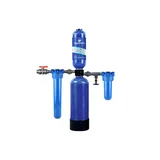
Aquasana Rhino Whole House Water Filter
Aquasana Rhino Whole House Water Filter
After a properly designed oxidation and contact stage has treated sulfur, the standard Rhino can be considered for downstream chlorine and general taste reduction. It is not our standalone sulfur-removal recommendation; have an installer confirm compatibility with your treatment plan.
Compare sizing, treatment options and ongoing costs in our best whole house water filters guide.
5. Water Heater Anode Rod Replacement
If only hot water smells, replacing the magnesium anode rod with aluminum or a powered titanium anode often solves the problem completely.
- • Aluminum anode rod ($20-40)
- • Aluminum/zinc combo rod ($30-50)
- • Powered titanium anode ($100-200)
- • Remove anode entirely (reduces tank life)
- • Flush water heater to remove sediment
- • Increase temperature to 140°F temporarily
- • Disinfect tank with chlorine solution
- • Consider tankless if problem persists
Separate Bacteria Protection from Sulfur Removal
If testing also identifies microbial risk, repair the contamination source and follow professional disinfection guidance. UV is a separate treatment stage, not an odor-removal method. Compare complete treatment layouts in our best well water filters guide.
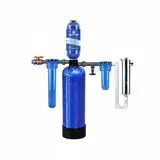
Aquasana Rhino Well Water with UV
Aquasana Rhino Well Water with UV
Aquasana Rhino Well Water with UV adds filtration and UV treatment when the water meets the unit's inlet requirements. Use appropriate iron/sulfur and sediment pretreatment first; UV does not remove hydrogen sulfide or repair a contaminated well.
Compare sizing, treatment options and ongoing costs in our best well water filters guide.
Treatment Cost Comparison
| Treatment Type | Equipment Cost | Installation | Annual Operating | 5-Year Total |
|---|---|---|---|---|
| Anode Rod Replacement | $30-200 | $0-100 | $0 | $30-300 |
| Carbon Filter (POE) | $300-800 | $200-400 | $100-200 | $1,000-2,200 |
| Aeration System | $800-2,000 | $300-600 | $50-100 | $1,350-3,100 |
| Air Injection Filter | $1,500-2,500 | $300-600 | $50-100 | $2,050-3,600 |
| Chemical Injection | $1,000-2,000 | $400-800 | $200-400 | $2,400-4,800 |
Preventing Sulfur Smell: Maintenance Tips
For Well Water
- • Shock chlorinate well annually or after contamination events
- • Ensure well is properly sealed against surface water
- • Test water annually for sulfur, iron, and bacteria
- • Keep well area clear of debris and vegetation
- • Consider UV treatment to prevent bacterial regrowth
For Water Heaters
- • Flush water heater every 6-12 months
- • Inspect anode rod annually, replace when depleted
- • Maintain temperature at 120-140°F
- • Use aluminum anode if on sulfur-prone water
- • Consider tankless heater for chronic problems
Explore Our Top Picks
Best Whole House Filters
Solve water problems at every tap
Best Well Water Filters
Iron, bacteria, and sediment removal
Best RO Systems
Maximum contaminant removal
Best Under-Sink Filters
Drinking water protection
Best Water Softeners
Hard water scale prevention
Best Shower Filters
Chlorine-free showers for skin and hair
Best Water Pitchers
Affordable taste improvement
Water Test Kits
Diagnose your water problems
Related Resources
Frequently Asked Questions
Related Water Quality Guides
Related Articles
More on Chlorine Taste Removal
Eliminate chlorine taste and odor with carbon filters
Read: Metallic Taste Fix
Diagnose and remove iron, copper, and zinc tastes
Brown Water Solutions
Fix discolored water from iron, rust, or sediment
More on Hard Water Stain Removal
Stop blue-green and white scale buildup
Read: Sediment & Sandy Water Fix
Remove sand, silt, and sediment with filtration
Our picks for Whole House Filters
Comprehensive home filtration systems