Best Water Filters for Renters & Apartments
No-installation water filters that deliver clean water without modifying your rental. Portable, effective, and lease-friendly.
Renting doesn't mean you can't have clean, filtered water. The best renter-friendly filters require zero installation, zero landlord permission, and zero permanent modifications. Whether you're in a studio apartment or a rented house, this guide helps you find the right filter for your situation and budget. For a broader overview, see our complete filter selection guide.
Why Renters Especially Need Water Filters
Apartment buildings present unique water quality challenges that single-family homes don't:
Older Building Plumbing
Pre-1986 buildings may have lead solder. Even newer buildings have extensive copper piping that leaches metals. More pipe = more contact time = more contamination. You can't control building infrastructure—but you can filter at the tap.
Water Storage Tanks
Many multi-story buildings use rooftop storage tanks that can harbor bacteria, sediment, and contamination. Tank maintenance varies—some are cleaned annually, others go years without inspection. Residents rarely know the condition of their building's tanks.
Additionally, renters can't replace plumbing, install whole-house systems, or modify the water supply. But you can install point-of-use filters at your tap that provide the same or better protection. The key is choosing the right type for your lease restrictions and water issues.
Best Filter Types for Renters
1. Filter Pitchers — Simplest Option
Best For: Maximum simplicity, fridge storage, small spaces
Fill and pour—no faucet connection needed. The Clearly Filtered pitcher removes 365+ contaminants including lead and PFAS. Budget options like Brita and PUR handle chlorine and basic contaminants. Downside: limited capacity (6-12 cups) and slow filtration speed.
2. Faucet Mount Filters — Best Convenience
Best For: On-demand filtered water, no counter space needed
Screws onto your faucet in 1-2 minutes. Toggle between filtered and unfiltered water. PUR Plus and Brita faucet mounts are NSF 53-certified for lead. Won't fit pull-down or sprayer faucets. Check your faucet compatibility before buying. No landlord modification needed—uses the existing faucet aerator thread.
3. Countertop RO Systems — Best Performance
Best For: RO-quality water without permanent installation
Systems like the AquaTru or Waterdrop K19 sit on your counter and provide reverse osmosis filtration without plumbing connections. They remove 99%+ of virtually all contaminants including lead, PFAS, fluoride, and TDS. Downside: uses counter space and produces some wastewater. For details on RO technology, see our RO pros and cons guide.
4. Gravity-Fed Filters — No Power or Plumbing
Best For: Off-grid capability, large capacity, zero connections
Gravity filters like ProOne Big+ use ceramic and carbon elements to filter water without electricity or water pressure. Large capacity (2-3 gallons). Excellent for renters with incompatible faucets or those wanting backup for emergencies. Slower than pressure-driven systems but very effective. See our gravity filter guide.
Renter-Friendly Filter Comparison
| Filter Type | Install Time | Initial Cost | Annual Cost | Lead Removal | PFAS Removal |
|---|---|---|---|---|---|
| Clearly Filtered Pitcher | 0 min | $90-100 | $150-180 | 99.5% | 98%+ |
| PUR Plus Faucet Mount | 2 min | $30-40 | $30-50 | 99% | No |
| AquaTru Countertop RO | 5 min | $350-450 | $50-80 | 99%+ | 99%+ |
| ZeroWater Pitcher | 0 min | $40-50 | $120-300 | 99% | Partial |
| Brita Elite Pitcher | 0 min | $35-40 | $50-70 | 99% | No |
| ProOne Gravity Filter | 10 min | $200-300 | $40-80 | 99.9% | 99%+ |
Renter Rights & Lead in Water
If your apartment water tests positive for lead above the EPA action level (15 ppb), you may have legal recourse:
- HUD regulations: Landlords must disclose known lead-based paint hazards (water lead is less regulated but evolving)
- State laws: California, New York, Illinois, and others have tenant protection laws for water quality
- Implied warranty of habitability: Courts increasingly view contaminated water as a habitability issue
- Utility responsibility: Contact your water utility—they may provide free testing or filters
- Documentation: Keep lab test results, communication records, and photos as evidence
For lead-specific guidance, see our lead removal guide.
Cost Analysis: Filtered Water vs. Bottled
Many renters default to bottled water—it's convenient but extremely expensive long-term:
| Option | Monthly Cost | Annual Cost | 3-Year Total | Microplastic Risk |
|---|---|---|---|---|
| Bottled Water (family of 2) | $40-80 | $480-960 | $1,440-2,880 | High |
| Clearly Filtered Pitcher | $15-20 | $180-240 | $540-720 | None |
| Faucet Mount | $5-8 | $60-100 | $180-300 | None |
| Countertop RO | $15-25 | $180-300 | $890-1,250 | None |
Taking Your Filter When You Move
One of the biggest advantages of renter-friendly filters: they move with you. Here's a checklist:
- Pitchers & countertop: Simply pack them. Drain water and remove filters for transport.
- Faucet mounts: Unscrew, reinstall the original aerator (which you saved, right?). Reattach at new place.
- Under-sink (if installed): Disconnect water lines, cap the connections, reinstall original plumbing. Take the system.
- Test at new location: Water quality varies by building and neighborhood. Test your new water to confirm your filter is appropriate.
How to Test Your Apartment Water
Before buying a filter, test your water to know exactly what you need to address. Here's a renter-specific testing approach:
Step 1: Request Your Utility's CCR (Free)
Your water utility's Consumer Confidence Report shows city-wide water quality data. Search your city + "water quality report" or call the number on your water bill. This tells you about source water contaminants but NOT what happens inside your building's plumbing. See our CCR reading guide.
Step 2: First-Draw Lead Test ($20-30)
This is the most important test for apartment dwellers. Collect water first thing in the morning (after 6+ hours stagnant in pipes). Pre-1986 buildings are highest risk, but even newer buildings can have brass fixtures that leach lead. Order from a certified lab like Tap Score, SimpleLab, or your state lab. If lead exceeds 5 ppb, install an NSF 53-certified filter immediately.
Step 3: Comprehensive Panel (Optional, $100-150)
If your CCR shows any concerns, or if you have a baby, are pregnant, or have immune-compromised family members, run a full panel testing for PFAS, VOCs, heavy metals, and bacteria. This identifies exactly which filter certifications you need. A $150 test saves you from buying the wrong $50-100 filter. Read our complete testing guide.
Renter Rights: What Your Landlord Must Do
Your rights regarding water quality vary by jurisdiction, but some protections are universal:
Federal Requirements
Under the Safe Drinking Water Act, all public water systems must meet EPA standards. However, this applies to the utility, not your landlord. Contamination from building plumbing (lead, copper) is your landlord's responsibility under habitability standards in most states. If your water tests above the EPA action level for lead (15 ppb), document it and notify your landlord in writing.
State-Specific Protections
California: AB 2370 requires landlords to test for lead and remediate if above 5 ppb in child-occupied housing. New York: Local Law 1 requires landlords to test and mitigate lead in buildings with children under 6. Illinois: Lead Poisoning Prevention Act covers rental units. Other states: Most have implied warranty of habitability that includes safe drinking water. Check your state attorney general's website for specific protections.
Practical Steps if Water Is Unsafe
Document everything: test results, photos, written complaints. Send your landlord a formal letter citing test results and requesting remediation. If unresolved: contact your local health department, file a complaint with your housing authority, or consult a tenant rights attorney (many offer free consultations). In the meantime, install your own filter—it's faster than waiting for landlord action and protects your family immediately.
Our Top Picks for Renters
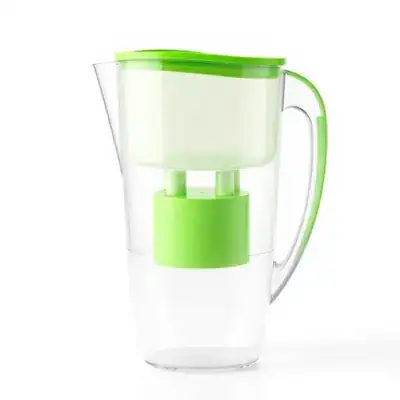
Clearly Filtered Ultimate Pitcher
365+ contaminants removed including lead (99.5%) and PFAS (98%+). Zero installation. Portable to your next apartment. The most thorough pitcher filter available.
- • Zero installation required
- • NSF 42, 53, 244, 401, 473
- • 100% portable
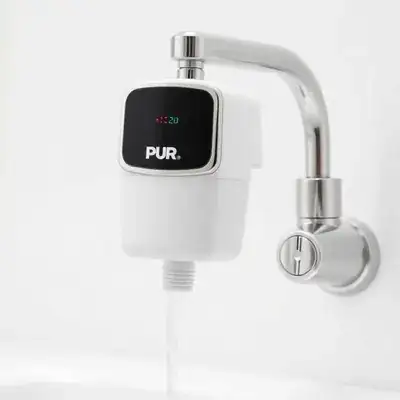
PUR Plus FM3700
NSF 53 certified for 99% lead removal. 2-minute install, no tools needed. Toggle between filtered and unfiltered water. Lowest annual cost of any renter filter option.
- • 2-minute installation
- • $30-50/year filter cost
- • On-demand filtered water
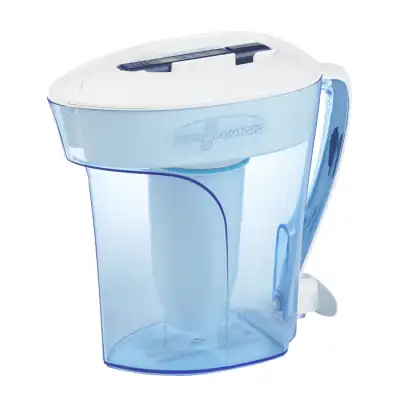
ZeroWater 10-Cup Pitcher
5-stage filtration removes 99% of TDS. Includes a free TDS meter to monitor filter life. NSF 53 certified for lead. Great for apartments with high mineral content water.
- • Removes virtually all TDS
- • Free TDS meter included
- • NSF 53 for lead
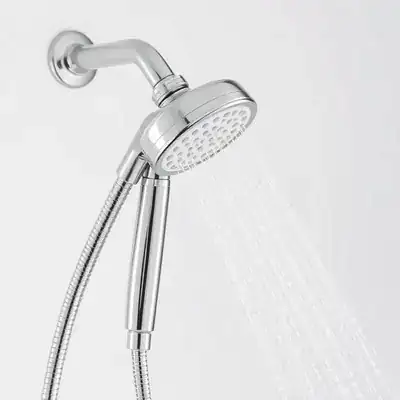
AquaBliss SF100 Shower Filter
Removes chlorine that causes dry skin and damaged hair. 2-minute install—screws on between shower arm and head. No landlord permission needed. Lasts 6-8 months per filter.
- • Reduces chlorine 95%+
- • Improves skin and hair
- • $25-35 initial cost
The Bottom Line
Renting shouldn't mean compromising on water quality. A portable filter pitcher, faucet mount, or countertop system provides excellent protection without violating your lease. Test your apartment water first, choose a filter certified for your specific contaminants, and enjoy clean water at a fraction of the cost of bottled. A countertop filter is another great no-install option. Every filter on this list travels with you to your next home. For specific product recommendations, browse our pitcher reviews, faucet filter reviews, or best home filter roundup.
Frequently Asked Questions
Budget Water Filtration Guide
Maximizing Filtration on a Budget
Effective water filtration doesn't require expensive equipment. The most cost-effective strategy starts with understanding your specific water quality issues through a $15-30 home test kit. If chlorine taste is your only concern, a $25 Brita pitcher provides adequate treatment at $0.15/gallon. For renters needing lead protection, the PUR faucet filter ($30-40) offers NSF 53-certified lead removal without plumbing modifications. Under-sink systems like the Waterdrop CKC1 ($35-50 per filter change) provide the best per-gallon value for families consuming 3+ gallons daily.
Hidden Costs to Consider
The purchase price tells only part of the story. Filter replacement costs vary dramatically: Brita Standard ($20/3-pack, lasting 6 months) vs Clearly Filtered ($70/2-pack, lasting 4 months). Installation costs range from $0 (pitchers, faucet-mount) to $150-500 (whole house professional installation). Water waste with RO systems adds $30-80 annually to water bills. Electricity for UV systems runs $15-25/year. Always calculate the 2-year total cost of ownership before purchasing. In our analysis, mid-range faucet filters consistently deliver the best value for drinking water filtration, while whole-house carbon filters provide the lowest per-gallon cost for total home coverage.
When to Invest More
Certain water quality situations justify higher-end systems. Well water with iron, bacteria, or sulfur requires specialized treatment ($500-2,000) that budget filters cannot address. Homes with very high lead levels (above 15 ppb) benefit from reverse osmosis ($150-400) for thorough removal. Families with immunocompromised members should consider UV purification ($100-300) for biological safety. PFAS contamination above EPA limits (4 ppt) warrants RO or premium carbon block systems. In these scenarios, the health and infrastructure protection value far exceeds the investment. For basic municipal water with standard chlorine treatment, budget options provide perfectly adequate protection.
Water Quality Science and Consumer Protection
The science of water treatment has evolved dramatically over the past two decades, driven by advances in analytical chemistry that can now detect contaminants at parts-per-trillion concentrations. This detection capability has revealed the presence of thousands of previously unidentified compounds in municipal water supplies, including pharmaceutical residues, endocrine-disrupting chemicals, microplastics, and per- and polyfluoroalkyl substances (PFAS). The EPA currently regulates 90 contaminants under the Safe Drinking Water Act, but the Environmental Working Group has documented over 300 additional pollutants in US tap water that have no legal limits.
Understanding the distinction between regulated and unregulated contaminants is essential for making informed filtration decisions. Regulated contaminants have Maximum Contaminant Levels (MCLs) that public water systems must meet, enforced through mandatory testing and public reporting via annual Consumer Confidence Reports. Unregulated contaminants, despite being detected in water supplies, have no enforceable limits, meaning your water utility is not required to treat for or even report their presence. This regulatory gap means that water meeting all federal standards may still contain compounds of health concern at levels that research suggests could pose long-term risks.
The health economics of water filtration present a compelling case for proactive treatment. A 2023 analysis by the Water Quality Research Foundation estimated that the lifetime healthcare cost savings from removing lead exposure alone average $5,600 per child. When factoring in reduced cancer risk from PFAS and disinfection byproduct removal, improved developmental outcomes from reducing prenatal contaminant exposure, and decreased gastrointestinal illness from pathogen removal, the total health-economic benefit of comprehensive home water filtration ranges from $8,000 to $25,000 per household over a 20-year period. These savings dwarf the $2,000-5,000 total cost of purchasing and maintaining a quality filtration system over the same timeframe.
Infrastructure Challenges and Future Outlook
Americas water infrastructure faces unprecedented challenges that directly impact household water quality. The American Society of Civil Engineers grades US drinking water infrastructure at C-minus, with an estimated $625 billion investment needed over 20 years to bring systems to adequate condition. Approximately 6 billion gallons of treated water are lost daily through 240,000 water main breaks annually. These infrastructure failures not only waste resources but create potential contamination pathways where soil, bacteria, and chemicals can enter the distribution system through pressure drops and pipe fractures.
Lead service lines remain the most pressing infrastructure concern, with an estimated 6-10 million lead pipes still delivering water to American homes. The EPA Lead and Copper Rule Revisions mandate replacement of all lead service lines within the coming decade, but the scale of the project ($3,000-8,000 per line) and limited workforce capacity mean many households will continue receiving water through lead pipes for years. During the replacement process itself, disturbance of existing pipes can temporarily increase lead levels by 10-100x above baseline. Point-of-use filtration certified to NSF 53 for lead provides the most reliable protection during this transition period.
Climate change introduces compounding water quality challenges that existing treatment infrastructure was not designed to address. Rising temperatures promote harmful algal blooms producing cyanotoxins that overwhelm conventional treatment processes. Increased wildfire frequency deposits ash-borne benzene and heavy metals into source watersheds. Extreme precipitation events cause combined sewer overflows that introduce untreated sewage into source water. Sea level rise threatens coastal aquifers with saltwater intrusion, increasing TDS and chloride levels beyond treatment capacity. These converging pressures reinforce the critical importance of residential water treatment as the final barrier between environmental challenges and family health.
Filtration Technology Comparison and Selection
Selecting the right water filtration technology requires matching your specific contaminant profile to the capabilities of available treatment methods. Activated carbon filtration, the most widely deployed residential technology, excels at removing chlorine, volatile organic compounds (VOCs), and taste and odor compounds through adsorption. Coconut shell-derived granular activated carbon (GAC) provides the optimal pore structure for drinking water applications, with one gram offering approximately 3,000 square meters of internal surface area for contaminant capture. Carbon block filters offer superior performance to GAC by compressing the carbon into a solid matrix that provides both chemical adsorption and mechanical filtration down to 0.5 microns.
Reverse osmosis (RO) represents the gold standard for comprehensive residential water purification, achieving 95-99% rejection of dissolved solids including heavy metals, PFAS, nitrates, fluoride, and virtually all chemical contaminants. Modern residential RO systems incorporate pre-filtration stages (sediment and carbon) to protect the semipermeable membrane, a pressurized storage tank for on-demand delivery, and post-filtration polishing stages including remineralization to restore beneficial minerals and optimize pH. The primary trade-off is water waste, with conventional systems producing 3-4 gallons of reject water per gallon of purified water, though modern permeate pump designs reduce this ratio to 1:1 or better.
Ion exchange technology addresses specific ionic contaminants through selective chemical swapping. Water softeners use strong acid cation (SAC) resin to exchange calcium and magnesium (hardness) for sodium, preventing scale formation that damages plumbing and appliances. Specialized anion exchange resins target nitrates, arsenic, perchlorate, and PFAS with high selectivity. Mixed-bed deionization produces ultrapure water by removing virtually all dissolved ions. KDF (Kinetic Degradation Fluxion) media uses copper-zinc granules to remove chlorine and heavy metals through electrochemical redox reactions, particularly effective in high-temperature applications like shower filtration where carbon performance diminishes.
Explore Our Top Picks
Related Articles
Best Lead Removal Filters
NSF-certified filters proven to remove lead
Buying guide: PFAS Removal Filters
Filters certified to remove forever chemicals
Best Budget Water Filters
Affordable filters under $50 that actually work
Top-rated Emergency Water Filters
Reliable filters for disaster preparedness
Buying guide: Hard Water Filters
Top filters for calcium and magnesium removal
More on Sulfur Smell Removal Guide
Eliminate rotten egg smell from your water