How to Remove Chloramines from Water: Complete Guide 2025
Everything you need to know about identifying and removing chloramines from your drinking water effectively.
Recommended Products
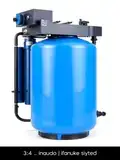
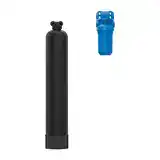

Explore Our Top Picks
Important: Standard Filters Don't Work
Most standard pitcher filters, including popular brands like Brita and PUR, are NOT effective at removing chloramines. You need specialized catalytic carbon filters or reverse osmosis systems. Don't waste money on regular carbon filters if chloramines are your concern.
What Are Chloramines?
Chloramines are disinfectants formed by combining chlorine with ammonia. They've become increasingly popular among water utilities because they:
- Remain stable longer in distribution pipes (less re-dosing needed)
- Produce fewer disinfection byproducts (DBPs) like trihalomethanes
- Are more cost-effective for large water systems
- Maintain residual disinfection throughout the distribution system
Effective Chloramine Removal Methods
Catalytic Carbon Filtration
Catalytic carbon is specially treated activated carbon that's much more effective at breaking down chloramines into chlorine and ammonia, which are then filtered out.
Effectiveness: 95-99% removal
Cost: $100-400 (system) + $40-80/year (filters)
Best Systems:
- • Aquasana AQ-5300+ (3-stage, catalytic carbon)
- • SpringWell CF+ (whole house with catalytic carbon)
- • Home Master TMJRF2 (under-sink with catalytic carbon)
Reverse Osmosis (RO)
RO membranes remove chloramines along with virtually all other contaminants. Most RO systems include carbon pre-filters that also help reduce chloramines.
Effectiveness: 95-99% removal
Cost: $200-600 (system) + $60-120/year (filters)
Best Systems:
- • APEC ROES-50 (5-stage with carbon pre-filters)
- • iSpring RCC7AK (6-stage with alkaline)
- • Waterdrop G3 P800 (tankless with advanced pre-filtration)
High-Contact Carbon Filters
Standard activated carbon CAN remove chloramines, but requires much longer contact time. Large carbon block filters with slow flow rates can work.
Effectiveness: 60-80% removal (variable)
Cost: $50-150 (system) + $30-60/year (filters)
Requirements:
- • Large carbon bed (at least 10")
- • Slow flow rate (under 0.5 GPM)
- • Frequent filter changes
- • May not remove 100% of chloramines
Vitamin C Dechloraminators
Vitamin C (ascorbic acid) neutralizes chloramines effectively. Practical for shower filters but not drinking water filtration.
Effectiveness: 99% neutralization
Cost: $30-80 (shower filter)
Best For:
- • Shower and bath water treatment
- • Protecting skin and hair
- • Aquarium water conditioning
- • NOT recommended for drinking water
Methods That DON'T Work
- Standard Pitcher Filters: Brita, PUR, ZeroWater standard models NOT effective for chloramines
- Letting Water Sit: Unlike chlorine, chloramines do NOT evaporate over time
- Boiling: Boiling concentrates chloramines rather than removing them
- UV Light: UV disinfection doesn't remove chemical disinfectants like chloramines
Chloramine Chemistry: Why It's So Hard to Remove
Understanding the chemistry explains why standard carbon fails. Chloramine (NH₂Cl) is formed by combining chlorine (Cl₂) with ammonia (NH₃). The nitrogen-chlorine bond in monochloramine is extremely stable compared to free chlorine's bond with water molecules. This stability is precisely why utilities prefer chloramines—they persist throughout the distribution system—but it makes removal much harder for consumers.
Three forms of chloramines exist in water: monochloramine (NH₂Cl), dichloramine (NHCl₂), and trichloramine (NCl₃). The ratio depends on pH and the chlorine-to-ammonia ratio. At typical municipal water pH (7.0-8.5), monochloramine dominates. This is important because different chloramine species respond differently to filtration media. Standard activated carbon removes chloramines through a slow catalytic decomposition reaction, but the process requires 10-20x more contact time compared to free chlorine removal.
Catalytic carbon accelerates this decomposition by modifying the carbon surface to act as a true catalyst. The chloramine molecule is broken down at the carbon surface: NH₂Cl + H₂O → NH₃ + HOCl. The resulting free chlorine and ammonia are then easily adsorbed by the carbon. This dual-action mechanism is why catalytic carbon achieves 95-99% chloramine removal at practical flow rates, while standard carbon might only achieve 40-60% at the same flow rate.
The reaction rate is also temperature-dependent. Cold water (below 50°F) slows chloramine decomposition on standard carbon by 50% or more. Catalytic carbon's enhanced surface properties partially compensate for this, but performance still drops in very cold water. This is particularly relevant for well water users who supplement with municipal water during drought seasons—the cold groundwater temperature can reduce filter effectiveness.
Chloramine Health Effects & Who's Most at Risk
While EPA considers chloramines safe at regulated levels (maximum 4 mg/L as Cl₂), certain populations face elevated risks. Kidney dialysis patients are the most vulnerable—chloramines can cross dialysis membranes and cause hemolytic anemia, a potentially life-threatening breakdown of red blood cells. All dialysis centers must use specialized chloramine removal before water contacts patient blood. Home dialysis users must install certified chloramine removal systems.
Aquarium and fish pond owners face immediate risks because chloramines are lethal to fish at concentrations as low as 0.01 mg/L—400x below the EPA human limit. Unlike chlorine, chloramines don't dissipate when water sits or is aerated. Dechlorinating chemicals specifically designed for chloramine (sodium thiosulfate with ascorbic acid) must be used before adding water to aquariums. Standard dechlorinators that only neutralize free chlorine are insufficient.
Emerging research suggests chloramines may produce unique disinfection byproducts (DBPs) not formed by chlorine alone. N-nitrosodimethylamine (NDMA), a probable carcinogen, forms when chloramine reacts with certain organic compounds in water. Several studies have found NDMA levels above California's action level (10 ng/L) in chloraminated water systems. This area of research is evolving, and the long-term health implications of chronic low-level NDMA exposure are still being studied.
For the general population, the most common chloramine complaints involve skin and respiratory irritation. Chloramines in shower water become airborne, and the enclosed shower environment creates higher exposure through inhalation than drinking alone. People with eczema, psoriasis, and respiratory conditions like asthma may experience symptom flares with chloraminated water—a key reason shower filtration matters.
Whole House vs. Point-of-Use: Which Approach Is Best?
The choice between whole-house chloramine removal and point-of-use treatment depends on your priorities, budget, and specific concerns. Here's a detailed comparison to help you decide:
| Factor | Whole House (Catalytic Carbon) | Under-Sink (Carbon Block/RO) | Shower Filter (Vitamin C) |
|---|---|---|---|
| Chloramine removal | 95-99% | 95-99% | 90-95% |
| Coverage | All taps, showers, appliances | Kitchen drinking water only | One shower only |
| Upfront cost | $1,500-3,500 | $150-500 | $30-80 |
| Annual maintenance | $100-200 | $50-120 | $30-60 |
| Protects appliances? | Yes (dishwasher, washer, heater) | No | No |
| Best for | Homeowners, sensitive skin | Budget-conscious, renters | Targeted skin/hair protection |
Our recommendation: For most homeowners in chloraminated areas, a whole-house catalytic carbon system provides the most comprehensive protection. The upfront cost is higher, but it protects appliances (extending their lifespan by 30-50%), eliminates shower/bath exposure, and requires only annual filter changes.
For renters or budget-conscious buyers, combine an under-sink catalytic carbon filter for drinking water with a Vitamin C shower filter for bathing. This two-point approach costs $200-350 total and addresses the primary exposure pathways (ingestion and dermal absorption) at a fraction of the whole-house cost.
US Cities Using Chloramines: Is Your Water Affected?
Over 68 million Americans (approximately 1 in 5) receive chloraminated water. Major cities that have switched to chloramines include Washington D.C., San Francisco, Denver, Philadelphia, Tampa, Portland (OR), and most of the San Francisco Bay Area. The trend toward chloramines has accelerated as EPA tightened disinfection byproduct limits in 2006 (Stage 2 D/DBP Rule), making chloramine's lower DBP formation a compelling advantage for utilities.
To determine if your water is chloraminated, check your utility's annual Consumer Confidence Report (search "[your city] water quality report"). Look for "chloramine" or "monochloramine" listed as the disinfection method. You can also call your utility directly. Home test strips specifically designed for chloramine (not chlorine) are available for $10-15 and provide quick confirmation.
If you're moving to a new city or home, checking the disinfection method should be part of your water quality assessment. Cities can switch disinfection methods—Portland, OR switched from chlorine to chloramine in 2004, causing widespread complaints about taste, skin irritation, and aquarium fish deaths. Being prepared with the right filtration from day one prevents these issues.
10-Year Cost Comparison: Chloramine Removal Systems
| System | Upfront | Annual Cost | 10-Year Total | Coverage |
|---|---|---|---|---|
| Aquasana Rhino EQ-1000 | $1,200 | $120 | $2,400 | Whole house |
| SpringWell CF1 | $1,800 | $80 | $2,600 | Whole house |
| Aquasana AQ-5300+ | $270 | $140 | $1,670 | Under-sink |
| APEC ROES-50 (RO) | $200 | $60 | $800 | Under-sink |
| Vitamin C Shower Filter | $40 | $50 | $540 | One shower |
The optimal setup for most families is a whole-house catalytic carbon system ($2,400-2,600 over 10 years) that eliminates chloramines from every water source in the home. For apartment dwellers, the under-sink + shower filter combination ($2,210 over 10 years) provides targeted protection at a lower entry cost.
Frequently Asked Questions
Find the Right Chloramine Filter
Explore our reviews of filters specifically effective against chloramines
Contaminant Health & Removal Guide
EPA Regulatory Framework
The EPA regulates 90+ contaminants under the Safe Drinking Water Act through Maximum Contaminant Levels (MCLs). However, MCLs represent legally enforceable limits, not necessarily health-optimal levels. Maximum Contaminant Level Goals (MCLGs) represent the level at which no known health effects occur - for carcinogens like lead and arsenic, the MCLG is zero. The 2024 PFAS rule established the first-ever MCLs for six PFAS compounds at 4 parts per trillion (ppt) for PFOA and PFOS individually, marking the strictest drinking water standard ever enacted. Utilities have until 2029 to comply, meaning many systems currently exceed these limits.
Emerging Contaminants of Concern
Beyond regulated contaminants, thousands of unregulated chemicals are present in drinking water. Microplastics, detected in 94% of US tap water samples, range from 0-61 particles per liter depending on location. Pharmaceutical residues including antibiotics, hormones, and antidepressants are found at nanogram-per-liter concentrations in most treated water supplies. Disinfection byproducts (THMs and HAAs), formed when chlorine reacts with organic matter, are associated with increased cancer risk at levels currently permitted by EPA regulations. These emerging contaminants are best addressed through activated carbon filtration (for organics) and reverse osmosis (for comprehensive removal).
Vulnerable Populations
Children, pregnant women, elderly individuals, and immunocompromised people face heightened risks from water contaminants. Lead exposure is particularly dangerous for children under 6, as even low levels (below the current 15 ppb action level) can cause irreversible neurological damage. Pregnant women should avoid water with nitrate levels above 10 mg/L due to risks of methemoglobinemia (blue baby syndrome). Individuals with weakened immune systems should consider UV treatment or boiling to eliminate Cryptosporidium, which resists standard chlorine disinfection. For these populations, point-of-use filtration with NSF 53 certification provides an important safety layer beyond municipal treatment.
Choosing the Right Filtration Investment
Making the right water filtration investment requires balancing four key factors: contaminant coverage, operating costs, convenience, and household size. Start by identifying your priority contaminants through water testing, then match filtration technology to those specific threats. A family of four consuming 3 gallons daily should prioritize systems with low per-gallon costs and long filter lives. Single occupants or couples can optimize for convenience with pitcher or faucet-mount options. Renters should focus on portable, no-installation solutions that move with them. Homeowners have the widest range of options and should consider whole-house systems for comprehensive protection of all water uses including bathing, cooking, and laundry.
The best approach for most families is a layered strategy: a whole-house sediment and carbon filter ($300-800) removes chlorine, sediment, and VOCs from all household water, protecting appliances, improving shower water quality, and extending the life of downstream filters. Add a point-of-use system at the kitchen tap - either an under-sink carbon block ($100-250) for solid general protection or reverse osmosis ($150-400) for maximum contaminant removal including lead, PFAS, fluoride, and nitrates. This two-tier approach provides the best balance of comprehensive coverage, reasonable cost, and targeted protection where you need it most. Annual maintenance costs for this combination run $80-200, a fraction of bottled water expenses while delivering superior water quality throughout your entire home.
Regional Water Quality Variations Across the US
Water quality varies dramatically across the United States due to differences in source water, treatment methods, and distribution infrastructure. The Southwest and Great Plains regions typically have the hardest water (15-30+ GPG), driven by limestone and dolomite geological formations. Coastal and Pacific Northwest areas generally enjoy softer water (0-7 GPG) from mountain snowmelt and rainfall-fed reservoirs. Industrial areas in the Midwest and Northeast face higher risks of PFAS, VOC, and heavy metal contamination from legacy manufacturing operations. Agricultural regions across the Central Valley, Corn Belt, and Mississippi Delta contend with elevated nitrate and pesticide levels from farming runoff.
Municipal treatment approaches also vary: approximately 70% of US utilities use chlorine for disinfection, while 30% use chloramines (combined chlorine and ammonia). Chloramine-treated water requires specialized filtration - standard activated carbon provides limited removal, while catalytic carbon effectively breaks down chloramines. Some progressive utilities employ advanced treatment including ozonation, UV disinfection, and granular activated carbon, producing exceptionally clean water at the treatment plant. However, even the best-treated water can pick up contaminants during distribution through aging pipes, so point-of-use filtration remains relevant regardless of utility treatment quality. Check your utility's Consumer Confidence Report and the EWG Tap Water Database for your specific water quality profile.
Climate change is introducing new water quality challenges nationwide. Increased wildfire frequency in western states creates ash runoff that overwhelms treatment plants with dissolved organic carbon, leading to elevated disinfection byproduct formation. Severe droughts concentrate contaminants in shrinking reservoirs. Intensifying rainfall events increase agricultural and urban runoff into source waters. Rising ocean levels threaten saltwater intrusion into coastal aquifers. These evolving challenges make home filtration increasingly important as a consistent, controllable water quality safeguard that adapts to changing conditions faster than municipal infrastructure upgrades.
America's Aging Water Infrastructure
The American Society of Civil Engineers gives US drinking water infrastructure a grade of C-minus, with an estimated $625 billion needed over the next 20 years for repairs and upgrades. Approximately 240,000 water main breaks occur annually in the United States, potentially introducing soil bacteria, sediment, and other contaminants into distribution systems. The EPA estimates that 9.2 million lead service lines remain in use nationwide, primarily in homes built before 1986. While the Bipartisan Infrastructure Law allocated $15 billion specifically for lead service line replacement, complete removal is projected to take 10-15 years in many municipalities.
For homeowners, aging infrastructure means that even excellent municipal treatment cannot guarantee contaminant-free water at the tap. Corrosion of lead and copper pipes between the treatment plant and your faucet is the primary source of residential lead exposure. Biofilm accumulation inside older pipes can harbor bacteria including Legionella, particularly in buildings with stagnant water sections. Point-of-use filtration serves as the final barrier between infrastructure vulnerabilities and your family's drinking water, providing protection that no amount of municipal treatment can replace for last-mile contamination sources.
US Water Quality in Global Context
The United States has one of the safest public water supplies in the world, with EPA regulations covering 90+ contaminants through enforceable Maximum Contaminant Levels. However, this regulatory framework has not kept pace with emerging threats. The European Union regulates PFAS at stricter levels than the US and monitors additional contaminants including microplastics and endocrine disruptors. Japan and Singapore achieve some of the lowest detectable contaminant levels globally through advanced treatment technologies including ozonation and granular activated carbon at the municipal level. Understanding where US water quality stands globally helps contextualize the role of home filtration as supplementary protection.
The 2024 EPA PFAS regulations represent the most significant expansion of drinking water standards in decades, setting maximum contaminant levels for six PFAS compounds at 4 parts per trillion - levels so low that many existing treatment plants cannot detect them with current equipment, let alone remove them. Utilities have until 2029 to comply, meaning millions of Americans are currently drinking water with PFAS levels above the new standards. Home filtration with activated carbon (60-80% PFAS removal) or reverse osmosis (95-99% removal) provides immediate protection during this multi-year compliance transition. This regulatory evolution underscores a fundamental truth: home water treatment is not a luxury but a practical necessity for families seeking the safest possible water quality.
Contaminant Interaction and Synergistic Effects
Water contaminants rarely exist in isolation, and their interactions can amplify health risks beyond what individual contaminant levels suggest. Lead exposure combined with manganese creates compounded neurotoxic effects, particularly concerning for children's developing brains. Chlorine reacting with naturally occurring organic matter produces trihalomethanes (THMs) and haloacetic acids (HAAs) - regulated disinfection byproducts linked to bladder cancer and reproductive issues. Nitrates combined with certain amines in the digestive tract can form N-nitrosamine compounds, classified as probable carcinogens. These synergistic effects underscore why comprehensive water testing and multi-contaminant filtration are more important than addressing individual contaminants in isolation.
PFAS contamination exemplifies the challenge of emerging contaminant regulation. Over 12,000 PFAS compounds exist, but the EPA's 2024 regulation addresses only six. Testing for the full PFAS spectrum is prohibitively expensive ($300-500 per sample), and most home test kits detect only PFOA and PFOS. Activated carbon filters remove 60-80% of PFAS depending on chain length and concentration, while reverse osmosis achieves 95-99% removal across all PFAS variants. For communities downstream of military bases, airports (where AFFF firefighting foam was used), or chemical manufacturing facilities, PFAS levels may far exceed the 4 ppt standard, making RO filtration the recommended treatment approach until municipal systems achieve compliance by the 2029 deadline.
Water Quality and Chronic Health Outcomes
The relationship between water quality and long-term health outcomes is well-established in epidemiological research. A 2023 meta-analysis in Environmental Health Perspectives found that communities with arsenic levels above 10 ppb (the current EPA MCL) experienced 17% higher rates of cardiovascular disease and 12% higher rates of certain cancers compared to communities with levels below 3 ppb. Similarly, lead exposure at levels currently considered "safe" (below 15 ppb) has been associated with reduced IQ in children, hypertension in adults, and kidney function decline in elderly populations. These findings support the precautionary principle of reducing contaminant exposure as much as practically achievable, rather than simply meeting regulatory minimums.
Dermal and inhalation exposure pathways are often overlooked in discussions focused on drinking water. Hot showers and baths volatilize chlorine and chloroform, creating exposure through skin absorption and steam inhalation that can exceed ingestion exposure for some contaminants. A 10-minute shower exposes skin to approximately 6-8 liters of water, allowing lipophilic contaminants to penetrate the skin barrier. Whole-house filtration addresses all exposure pathways simultaneously, while point-of-use systems (under-sink, pitcher) only protect the drinking water pathway. For families with sensitive skin conditions, respiratory issues, or allergy-prone children, whole-house filtration provides the most comprehensive health protection.
Water Quality Science and Consumer Protection
The science of water treatment has evolved dramatically over the past two decades, driven by advances in analytical chemistry that can now detect contaminants at parts-per-trillion concentrations. This detection capability has revealed the presence of thousands of previously unidentified compounds in municipal water supplies, including pharmaceutical residues, endocrine-disrupting chemicals, microplastics, and per- and polyfluoroalkyl substances (PFAS). The EPA currently regulates 90 contaminants under the Safe Drinking Water Act, but the Environmental Working Group has documented over 300 additional pollutants in US tap water that have no legal limits.
Understanding the distinction between regulated and unregulated contaminants is essential for making informed filtration decisions. Regulated contaminants have Maximum Contaminant Levels (MCLs) that public water systems must meet, enforced through mandatory testing and public reporting via annual Consumer Confidence Reports. Unregulated contaminants, despite being detected in water supplies, have no enforceable limits, meaning your water utility is not required to treat for or even report their presence. This regulatory gap means that water meeting all federal standards may still contain compounds of health concern at levels that research suggests could pose long-term risks.
The health economics of water filtration present a compelling case for proactive treatment. A 2023 analysis by the Water Quality Research Foundation estimated that the lifetime healthcare cost savings from removing lead exposure alone average $5,600 per child. When factoring in reduced cancer risk from PFAS and disinfection byproduct removal, improved developmental outcomes from reducing prenatal contaminant exposure, and decreased gastrointestinal illness from pathogen removal, the total health-economic benefit of comprehensive home water filtration ranges from $8,000 to $25,000 per household over a 20-year period. These savings dwarf the $2,000-5,000 total cost of purchasing and maintaining a quality filtration system over the same timeframe.
Infrastructure Challenges and Future Outlook
Americas water infrastructure faces unprecedented challenges that directly impact household water quality. The American Society of Civil Engineers grades US drinking water infrastructure at C-minus, with an estimated $625 billion investment needed over 20 years to bring systems to adequate condition. Approximately 6 billion gallons of treated water are lost daily through 240,000 water main breaks annually. These infrastructure failures not only waste resources but create potential contamination pathways where soil, bacteria, and chemicals can enter the distribution system through pressure drops and pipe fractures.
Lead service lines remain the most pressing infrastructure concern, with an estimated 6-10 million lead pipes still delivering water to American homes. The EPA Lead and Copper Rule Revisions mandate replacement of all lead service lines within the coming decade, but the scale of the project ($3,000-8,000 per line) and limited workforce capacity mean many households will continue receiving water through lead pipes for years. During the replacement process itself, disturbance of existing pipes can temporarily increase lead levels by 10-100x above baseline. Point-of-use filtration certified to NSF 53 for lead provides the most reliable protection during this transition period.
Climate change introduces compounding water quality challenges that existing treatment infrastructure was not designed to address. Rising temperatures promote harmful algal blooms producing cyanotoxins that overwhelm conventional treatment processes. Increased wildfire frequency deposits ash-borne benzene and heavy metals into source watersheds. Extreme precipitation events cause combined sewer overflows that introduce untreated sewage into source water. Sea level rise threatens coastal aquifers with saltwater intrusion, increasing TDS and chloride levels beyond treatment capacity. These converging pressures reinforce the critical importance of residential water treatment as the final barrier between environmental challenges and family health.
Explore Our Top Picks
Related Resources
Related Articles
PFAS Removal Guide — risks and removal
Remove forever chemicals from your water
Lead Removal Filters — risks and removal
NSF-certified filters for lead removal
What to know about PFAS Removal Filters
Best filters certified for PFAS removal
Hard Water Solutions — risks and removal
Complete guide to treating hard water
What to know about Chloramine in Water
How to remove chloramine from tap water
Chlorine in Water — risks and removal
Chlorine removal methods and health effects