Aquasana vs Berkey: Which Water Filter is Better in 2025?
Compare Aquasana and Berkey water filters head-to-head to find which system offers better filtration, value, and convenience for your household.
Recommended Products
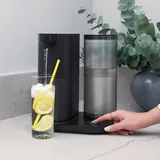
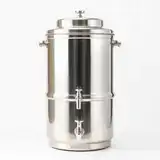
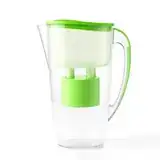
Explore Our Top Picks
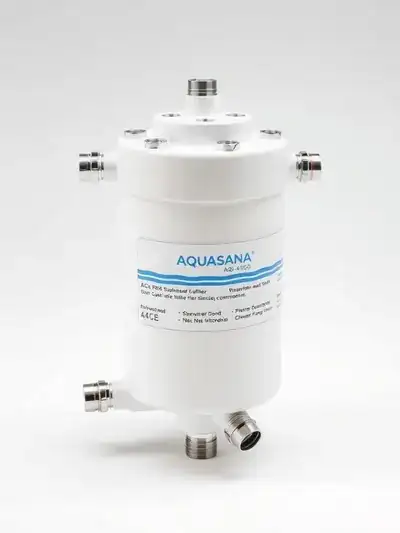
Quick Comparison Overview
Aquasana AQ-4100
- Convenient countertop/faucet design
- NSF certified for 77+ contaminants
- Lower long-term costs ($50-60/6mo)
- Requires installation or counter space
- Won't work during power outages
Price: $139-199
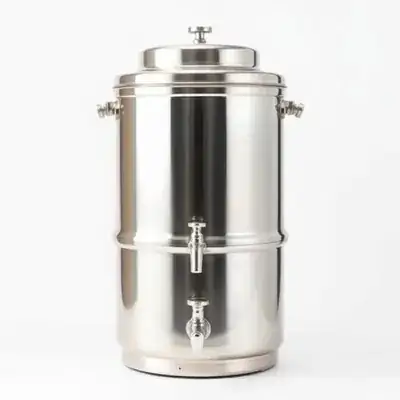
Big Berkey
- Works without electricity
- No installation required
- Large 2.25-gallon capacity
- Higher filter replacement costs ($140-160)
- Manual filling required
Price: $278-348
Head-to-Head Comparison
1. Filtration Performance
Aquasana: NSF certified to remove 77+ contaminants including 99% of lead, chlorine, VOCs, herbicides, and pesticides. Uses activated carbon and ion exchange technology.
Berkey: Claims to remove 200+ contaminants including viruses and bacteria, but lacks NSF certification. Independent testing shows excellent performance on most contaminants.
Winner: Tie - Aquasana has certification, Berkey has broader claims
2. Convenience & Ease of Use
Aquasana: Faucet and countertop models provide filtered water on-demand. No manual filling, but requires installation and counter/under-sink space.
Berkey: Gravity-fed design requires no installation. Simply fill the top chamber and wait 2-4 hours. Takes up counter space and requires manual refilling.
Winner: Aquasana - On-demand convenience beats manual filling
3. Long-Term Cost
Aquasana 5-Year Cost:
- Initial: $139-199
- Filters (10 replacements @ $55): $550
- Total: $689-749
Berkey 5-Year Cost:
- Initial: $278-348
- Filters (4-5 sets @ $150): $600-750
- Total: $878-1,098
Winner: Aquasana - Saves $200-350 over 5 years
4. Emergency Preparedness
Aquasana: Requires water pressure, won't work during power outages affecting municipal systems. Not suitable for untreated water sources.
Berkey: Works without electricity and can filter untreated water from streams, lakes, or wells. Ideal for emergencies and off-grid living.
Winner: Berkey - Essential for emergency situations
5. Installation & Setup
Aquasana Setup Process:
- Countertop: Attach diverter valve to faucet (15 minutes)
- Under-sink: Requires basic plumbing, drill hole for dedicated faucet (1-2 hours)
- Tools needed: Adjustable wrench, possibly drill
- Professional installation option available ($100-150)
Berkey Setup Process:
- Assemble chambers and spigot (10 minutes)
- Prime filter elements (5 minutes per element)
- No tools required - hand-tighten only
- Place on counter and fill - ready to use
Winner: Berkey - No installation skills needed
6. Maintenance Requirements
Aquasana Maintenance:
- Filter replacement every 6 months (5-10 minutes)
- Clean aerator occasionally if flow slows
- No other regular maintenance needed
- Filter change indicator on some models
Berkey Maintenance:
- Wash chambers with soap and water monthly
- Scrub filter elements every 6-12 months to restore flow
- Replace elements every 3,000 gallons (1-2 years typically)
- Check spigot for leaks periodically
Winner: Aquasana - Less hands-on maintenance
Detailed Specifications Comparison
| Feature | Aquasana AQ-4100 | Big Berkey |
|---|---|---|
| Filter Type | Carbon block + ion exchange | Black carbon composite elements |
| Capacity | 500 gallons per filter (6 months) | 6,000 gallons per set (2-4 years) |
| Flow Rate | 0.72 GPM (instant) | 2-4 hours per batch |
| Reservoir Size | N/A (on-demand) | 2.25 gallons |
| Dimensions | 8"H x 5"W (compact) | 19.25"H x 8.5"W (tall) |
| Weight | 3 lbs (empty) | 7 lbs empty, 26 lbs filled |
| NSF Certified | Yes (42, 53, 401) | No (independent testing only) |
| Removes Bacteria/Viruses | No | Yes (99.9%) |
| Removes Chlorine | Yes (99%) | Yes (99.9%) |
| Removes Lead | Yes (99%) | Yes (99.9%) |
| Removes PFAS | Yes (99%) | Yes (99.9%) |
| Warranty | 2 years | Lifetime on housing |
Best Use Cases for Each System
Aquasana AQ-4100 is Best For:
- City Water Users: Optimized for chlorinated municipal water with consistent quality
- Convenience Seekers: Want filtered water instantly without manual filling or waiting
- Budget-Conscious Households: Lower upfront and long-term costs make it economical
- Limited Counter Space: Compact design takes up minimal room
- Certification Preference: NSF testing provides third-party verification of claims
Big Berkey is Best For:
- Emergency Preparedness: Works without electricity during power outages and disasters
- Off-Grid Living: Can filter untreated water from streams, lakes, or rainwater
- Well Water Users: Handles bacteria and viruses that Aquasana cannot remove
- Large Families: 2.25-gallon capacity provides plenty of filtered water at once
- Renters & Movers: No installation means you can take it anywhere
- RVs & Camping: Portable and gravity-powered for mobile lifestyles
Which Should You Choose?
Choose Aquasana if you want:
- Filtered water on-demand without manual filling
- Lower long-term operating costs
- NSF certification and third-party testing
- Filtering municipal tap water only
Choose Berkey if you want:
- No installation or tools required
- Emergency preparedness and off-grid capability
- Large capacity for families
- Ability to filter untreated water sources
Related Articles
Best Home Water Filters 2025
Top-rated water filtration systems reviewed
Budget vs Premium Filters
Is expensive always better?
Frequently Asked Questions
Water Filter Pitcher Deep-Dive
Pitcher Filter Technology Explained
Water filter pitchers use gravity to pull water through a filter cartridge containing activated carbon and ion exchange resin. The carbon removes chlorine taste, odor, and some organic compounds while the ion exchange resin targets heavy metals like lead, copper, and mercury. Premium pitchers from brands like Clearly Filtered and ZeroWater use additional media layers for broader contaminant removal. Filter capacity typically ranges from 40 gallons (standard Brita/PUR) to 150 gallons (Clearly Filtered), with actual life depending on source water quality. Heavily contaminated or high-TDS water exhausts filters faster.
Cost Analysis: Pitchers vs Alternatives
Annual costs for water filter pitchers run $50-120 including filter replacements, making them the most affordable entry point into home water filtration. By comparison, faucet-mount filters cost $60-150/year, under-sink systems $80-200/year (including initial purchase amortized over 5 years), and bottled water $400-1,500/year for a family of four. The critical caveat is that pitchers only filter drinking water - approximately 1% of total household water use. For families concerned about chlorine exposure through showering, cooking, and laundry, a whole-house or point-of-use system provides more comprehensive protection despite higher costs.
Pitcher Selection by Priority
For lead and heavy metals: Clearly Filtered ($80, removes 365+ contaminants) or ZeroWater ($35, near-zero TDS) offer the most thorough filtration. For basic taste improvement: Brita ($25-35) or PUR ($30-40) provide adequate chlorine removal at the lowest cost. For PFAS protection: Clearly Filtered is the only pitcher with NSF-certified PFAS removal. For large families: Brita UltraMax (18-cup capacity) or PUR Plus (11-cup) handle high-volume needs. For portability: Brita Metro (6-cup) fits in small refrigerators and dorm rooms. Always prioritize NSF certification over marketing claims when health-related contaminant removal is the primary goal.
Choosing the Right Filtration Investment
Making the right water filtration investment requires balancing four key factors: contaminant coverage, operating costs, convenience, and household size. Start by identifying your priority contaminants through water testing, then match filtration technology to those specific threats. A family of four consuming 3 gallons daily should prioritize systems with low per-gallon costs and long filter lives. Single occupants or couples can optimize for convenience with pitcher or faucet-mount options. Renters should focus on portable, no-installation solutions that move with them. Homeowners have the widest range of options and should consider whole-house systems for comprehensive protection of all water uses including bathing, cooking, and laundry.
The best approach for most families is a layered strategy: a whole-house sediment and carbon filter ($300-800) removes chlorine, sediment, and VOCs from all household water, protecting appliances, improving shower water quality, and extending the life of downstream filters. Add a point-of-use system at the kitchen tap - either an under-sink carbon block ($100-250) for solid general protection or reverse osmosis ($150-400) for maximum contaminant removal including lead, PFAS, fluoride, and nitrates. This two-tier approach provides the best balance of comprehensive coverage, reasonable cost, and targeted protection where you need it most. Annual maintenance costs for this combination run $80-200, a fraction of bottled water expenses while delivering superior water quality throughout your entire home.
Regional Water Quality Variations Across the US
Water quality varies dramatically across the United States due to differences in source water, treatment methods, and distribution infrastructure. The Southwest and Great Plains regions typically have the hardest water (15-30+ GPG), driven by limestone and dolomite geological formations. Coastal and Pacific Northwest areas generally enjoy softer water (0-7 GPG) from mountain snowmelt and rainfall-fed reservoirs. Industrial areas in the Midwest and Northeast face higher risks of PFAS, VOC, and heavy metal contamination from legacy manufacturing operations. Agricultural regions across the Central Valley, Corn Belt, and Mississippi Delta contend with elevated nitrate and pesticide levels from farming runoff.
Municipal treatment approaches also vary: approximately 70% of US utilities use chlorine for disinfection, while 30% use chloramines (combined chlorine and ammonia). Chloramine-treated water requires specialized filtration - standard activated carbon provides limited removal, while catalytic carbon effectively breaks down chloramines. Some progressive utilities employ advanced treatment including ozonation, UV disinfection, and granular activated carbon, producing exceptionally clean water at the treatment plant. However, even the best-treated water can pick up contaminants during distribution through aging pipes, so point-of-use filtration remains relevant regardless of utility treatment quality. Check your utility's Consumer Confidence Report and the EWG Tap Water Database for your specific water quality profile.
Climate change is introducing new water quality challenges nationwide. Increased wildfire frequency in western states creates ash runoff that overwhelms treatment plants with dissolved organic carbon, leading to elevated disinfection byproduct formation. Severe droughts concentrate contaminants in shrinking reservoirs. Intensifying rainfall events increase agricultural and urban runoff into source waters. Rising ocean levels threaten saltwater intrusion into coastal aquifers. These evolving challenges make home filtration increasingly important as a consistent, controllable water quality safeguard that adapts to changing conditions faster than municipal infrastructure upgrades.
America's Aging Water Infrastructure
The American Society of Civil Engineers gives US drinking water infrastructure a grade of C-minus, with an estimated $625 billion needed over the next 20 years for repairs and upgrades. Approximately 240,000 water main breaks occur annually in the United States, potentially introducing soil bacteria, sediment, and other contaminants into distribution systems. The EPA estimates that 9.2 million lead service lines remain in use nationwide, primarily in homes built before 1986. While the Bipartisan Infrastructure Law allocated $15 billion specifically for lead service line replacement, complete removal is projected to take 10-15 years in many municipalities.
For homeowners, aging infrastructure means that even excellent municipal treatment cannot guarantee contaminant-free water at the tap. Corrosion of lead and copper pipes between the treatment plant and your faucet is the primary source of residential lead exposure. Biofilm accumulation inside older pipes can harbor bacteria including Legionella, particularly in buildings with stagnant water sections. Point-of-use filtration serves as the final barrier between infrastructure vulnerabilities and your family's drinking water, providing protection that no amount of municipal treatment can replace for last-mile contamination sources.
US Water Quality in Global Context
The United States has one of the safest public water supplies in the world, with EPA regulations covering 90+ contaminants through enforceable Maximum Contaminant Levels. However, this regulatory framework has not kept pace with emerging threats. The European Union regulates PFAS at stricter levels than the US and monitors additional contaminants including microplastics and endocrine disruptors. Japan and Singapore achieve some of the lowest detectable contaminant levels globally through advanced treatment technologies including ozonation and granular activated carbon at the municipal level. Understanding where US water quality stands globally helps contextualize the role of home filtration as supplementary protection.
The 2024 EPA PFAS regulations represent the most significant expansion of drinking water standards in decades, setting maximum contaminant levels for six PFAS compounds at 4 parts per trillion - levels so low that many existing treatment plants cannot detect them with current equipment, let alone remove them. Utilities have until 2029 to comply, meaning millions of Americans are currently drinking water with PFAS levels above the new standards. Home filtration with activated carbon (60-80% PFAS removal) or reverse osmosis (95-99% removal) provides immediate protection during this multi-year compliance transition. This regulatory evolution underscores a fundamental truth: home water treatment is not a luxury but a practical necessity for families seeking the safest possible water quality.
Advanced Pitcher Filter Comparisons
The pitcher filter market has evolved significantly beyond basic Brita and PUR options. Clearly Filtered ($80) leads in contaminant removal with 365+ substances addressed including PFAS, fluoride, and microplastics - certifications that competitors lack. ZeroWater ($35) produces the lowest TDS output (often 000-003 ppm) but at the cost of very short filter life (15-25 gallons in high-TDS water) and a slight acidic taste from aggressive mineral removal. Epic Pure ($40) targets the mid-market with solid NSF 53 and 401 certifications at reasonable filter replacement costs. Aquagear ($70) emphasizes recyclable filter cartridges and BPA-free construction for environmentally conscious consumers.
Pitcher capacity ranges from 5 cups (Brita Metro, ideal for dorm rooms) to 27 cups (Brita UltraMax, designed for families). However, capacity doesn't equal filtered water availability - the reservoir typically holds 40-60% of total pitcher volume, meaning an 18-cup pitcher provides approximately 8-10 cups of ready-filtered water before the reservoir empties and gravity filtration needs to catch up. For large families, two medium pitchers in rotation often work better than one large pitcher, as the second can filter while the first is in use. Consider refrigerator space when sizing - large pitchers may not fit standard refrigerator shelves or doors.
Pitcher vs Dispenser: Which Format Wins?
Countertop water dispensers offer a middle ground between pitchers and permanent filtration installations. Gravity dispensers like the Brita UltraMax Dispenser (27 cups) sit on countertops and provide higher volume than pitchers without the need for refrigeration. Powered dispensers from Aquasana and Philips actively filter water at higher flow rates, producing filtered water on demand. The Aquasana Clean Water Machine achieves under-sink-level filtration performance (99% lead, 97% chlorine) in a countertop format requiring only a power outlet and no plumbing modifications.
For renters and apartment dwellers, the decision between pitcher, faucet-mount, and countertop dispenser depends on consumption volume and available space. Single occupants or couples consuming under 1 gallon per day are well-served by pitchers. Families consuming 2-4 gallons daily benefit from faucet-mount filters (instant filtered water) or powered dispensers (higher flow rates). Those who cook extensively with filtered water should prioritize faucet-mount options for convenient pot-filling. All three formats are fully portable for moves, a critical advantage over permanent under-sink installations that must be left behind.
Water Quality Science and Consumer Protection
The science of water treatment has evolved dramatically over the past two decades, driven by advances in analytical chemistry that can now detect contaminants at parts-per-trillion concentrations. This detection capability has revealed the presence of thousands of previously unidentified compounds in municipal water supplies, including pharmaceutical residues, endocrine-disrupting chemicals, microplastics, and per- and polyfluoroalkyl substances (PFAS). The EPA currently regulates 90 contaminants under the Safe Drinking Water Act, but the Environmental Working Group has documented over 300 additional pollutants in US tap water that have no legal limits.
Understanding the distinction between regulated and unregulated contaminants is essential for making informed filtration decisions. Regulated contaminants have Maximum Contaminant Levels (MCLs) that public water systems must meet, enforced through mandatory testing and public reporting via annual Consumer Confidence Reports. Unregulated contaminants, despite being detected in water supplies, have no enforceable limits, meaning your water utility is not required to treat for or even report their presence. This regulatory gap means that water meeting all federal standards may still contain compounds of health concern at levels that research suggests could pose long-term risks.
The health economics of water filtration present a compelling case for proactive treatment. A 2023 analysis by the Water Quality Research Foundation estimated that the lifetime healthcare cost savings from removing lead exposure alone average $5,600 per child. When factoring in reduced cancer risk from PFAS and disinfection byproduct removal, improved developmental outcomes from reducing prenatal contaminant exposure, and decreased gastrointestinal illness from pathogen removal, the total health-economic benefit of comprehensive home water filtration ranges from $8,000 to $25,000 per household over a 20-year period. These savings dwarf the $2,000-5,000 total cost of purchasing and maintaining a quality filtration system over the same timeframe.
Infrastructure Challenges and Future Outlook
Americas water infrastructure faces unprecedented challenges that directly impact household water quality. The American Society of Civil Engineers grades US drinking water infrastructure at C-minus, with an estimated $625 billion investment needed over 20 years to bring systems to adequate condition. Approximately 6 billion gallons of treated water are lost daily through 240,000 water main breaks annually. These infrastructure failures not only waste resources but create potential contamination pathways where soil, bacteria, and chemicals can enter the distribution system through pressure drops and pipe fractures.
Lead service lines remain the most pressing infrastructure concern, with an estimated 6-10 million lead pipes still delivering water to American homes. The EPA Lead and Copper Rule Revisions mandate replacement of all lead service lines within the coming decade, but the scale of the project ($3,000-8,000 per line) and limited workforce capacity mean many households will continue receiving water through lead pipes for years. During the replacement process itself, disturbance of existing pipes can temporarily increase lead levels by 10-100x above baseline. Point-of-use filtration certified to NSF 53 for lead provides the most reliable protection during this transition period.
Climate change introduces compounding water quality challenges that existing treatment infrastructure was not designed to address. Rising temperatures promote harmful algal blooms producing cyanotoxins that overwhelm conventional treatment processes. Increased wildfire frequency deposits ash-borne benzene and heavy metals into source watersheds. Extreme precipitation events cause combined sewer overflows that introduce untreated sewage into source water. Sea level rise threatens coastal aquifers with saltwater intrusion, increasing TDS and chloride levels beyond treatment capacity. These converging pressures reinforce the critical importance of residential water treatment as the final barrier between environmental challenges and family health.
Explore Our Top Picks
Related Resources
More Buying Guides
Related Articles
See the best Lead Removal Filters
NSF-certified filters proven to remove lead
Top-rated PFAS Removal Filters
Filters certified to remove forever chemicals
Buying guide: Budget Water Filters
Affordable filters under $50 that actually work
Buying guide: Emergency Water Filters
Reliable filters for disaster preparedness
Best Hard Water Filters
Top filters for calcium and magnesium removal
More on Sulfur Smell Removal Guide
Eliminate rotten egg smell from your water