RO Membrane Types: TFC vs CTA Complete Guide
Understanding reverse osmosis membrane technology to choose the right type for your water source and contaminant removal needs
Match the membrane before buying a replacement
A membrane's material or GPD label alone does not establish compatibility or safe-water performance.
- Find the exact replacement part in your system's manual.
- Match housing, seals, pressure and flow restrictor; do not increase GPD blindly.
- Check the complete system's contaminant-specific certification and maintain carbon pretreatment.
The RO membrane is the heart of your reverse osmosis system, used to reduce dissolved solids and specific contaminants covered by the complete system’s verified claims. Two main membrane types dominate the residential market: TFC (Thin Film Composite) and CTA (Cellulose Triacetate). Each has distinct advantages in rejection rate, chlorine tolerance, lifespan, and cost—and choosing the wrong one can mean inadequate contaminant removal or premature failure.
This comprehensive guide examines the science behind each membrane type, compares real-world performance data, analyzes long-term costs, and helps you select the right membrane for your specific water source—whether you are on well water, municipal water, or dealing with specific contaminants like lead, PFAS, or arsenic.
Understanding membrane technology is also critical for proper RO system maintenance. The membrane type determines which cleaning agents are safe, how often you need to replace it, and what pre-treatment your water requires. Whether you are buying a new system or replacing a worn membrane, this guide gives you the knowledge to make an informed decision.
TFC vs CTA: Complete Side-by-Side Comparison
The following table summarizes every meaningful difference between TFC and CTA membranes. For most residential applications, TFC membranes are the superior choice—but the exact system’s specifications should guide the choice.
| Feature | TFC (Thin Film Composite) | CTA (Cellulose Triacetate) |
|---|---|---|
| Contaminant Rejection | Verify the complete system’s claim | Verify the complete system’s claim |
| Lead Removal | Verify the complete system’s claim | Verify the complete system’s claim |
| PFAS Removal | Verify the complete system’s claim | Verify the complete system’s claim |
| Fluoride Removal | Verify the complete system’s claim | Verify the complete system’s claim |
| Chlorine Tolerance | None (damaged by chlorine) | Tolerant (up to 1 ppm) |
| Lifespan | 2-3 years | 2-4 years |
| pH Range | 2-11 | 4-8 |
| Temperature Range | 40-113°F | 40-95°F |
| Cost (replacement) | $40-100 | $30-70 |
| Market Share | 90%+ | ~10% |
| Best For | Most homes, high contaminant removal | Well water with chlorine, inconsistent maintenance |
How TFC Membranes Work: The Science
Thin Film Composite membranes consist of three layers: a polyester support web (provides structural strength), a microporous polysulfone interlayer (provides flow channels), and an ultra-thin polyamide barrier layer (0.2 microns) that performs the actual separation. This barrier layer has pores so small that only water molecules and very small dissolved gases pass through—separating water from many dissolved substances according to the membrane’s specifications.
The polyamide active layer is the key to TFC's superior rejection rates, but it is also its Achilles heel. Chlorine (even at 0.1 ppm) oxidizes the polyamide bonds, creating larger pores that reduce rejection over time. This is why carbon pre-filters are absolutely essential in TFC-based systems—they remove chlorine before it reaches the membrane. If your pre-filters are exhausted, chlorine passes through and permanently damages the membrane.
Modern TFC membranes from manufacturers like Dow Filmtec, GE, and Hydranautics use cross-linked polyamide formulations that improve fouling resistance and temperature tolerance compared to older designs. Premium membranes also incorporate anti-microbial coatings that reduce biofilm formation, extending cleaning intervals.
Key Advantage: Superior Contaminant Removal
Check the complete system’s verified lead, PFAS, fluoride or arsenic claim. A membrane label does not establish microbiological protection or a universal reduction rate. This makes them the clear choice for households dealing with serious contaminant concerns—especially for baby formula preparation or pregnancy.
How CTA Membranes Work
Cellulose Triacetate membranes are made from natural cellulose (wood pulp) modified through acetylation. Unlike TFC's multi-layer structure, CTA uses a single asymmetric layer where pore size gradually decreases from bottom to top. The cellulose structure is naturally chlorine-tolerant, making CTA ideal for applications where consistent pre-filter maintenance cannot be guaranteed.
CTA membranes have two significant limitations: model-dependent rejection performance and susceptibility to biological degradation. Because cellulose is organic, bacteria can actually consume the membrane material if the water lacks any residual disinfectant. This is why CTA membranes actually need some chlorine in the feed water (0.5-1.0 ppm) to prevent biological attack—the opposite of TFC requirements.
CTA membranes are best suited for: well water systems with chlorine injection, homes where filter maintenance may be inconsistent, backup or emergency filtration where chlorine exposure is unavoidable, and applications meeting the exact system’s performance requirements (general mineral reduction, taste improvement).
Membrane GPD Rating: Choosing the Right Size
GPD (Gallons Per Day) is the membrane's rated production capacity under ideal laboratory conditions: 77°F water temperature, 60 PSI inlet pressure, and 500 ppm TDS feed water. Real-world conditions rarely match these parameters, so actual output is typically 50-70% of the rated GPD. Use this guide to choose the right membrane capacity for your household:
Tank-Based Systems
- • 50 GPD: 1-2 people, light drinking water use
- • 75 GPD: 2-4 people, standard household (most common)
- • 100 GPD: 4-6 people or heavy usage
- • 150 GPD: Large families or multiple RO faucets
Tank-based systems store filtered water in a pressurized tank (typically 3-4 gallons usable). The membrane runs slowly throughout the day to fill the tank. Higher GPD fills the tank faster—important for heavy usage.
Tankless Systems
- • 400 GPD: Budget tankless, adequate for most homes
- • 600 GPD: Mid-range, good on-demand flow
- • 800 GPD: Premium, near-instant fill (Waterdrop G3P800)
- • 1000+ GPD: Commercial-grade, multiple outlets
Tankless systems filter water on-demand, requiring much higher GPD ratings to maintain acceptable flow rates at the faucet. Built-in booster pumps ensure consistent pressure and production.
How Temperature and Pressure Affect Membranes
Two environmental factors dramatically impact membrane performance: water temperature and inlet pressure. Understanding these effects helps you diagnose seasonal performance changes and determine whether you need a booster pump.
| Water Temp (°F) | Production vs Rated | Season | Action Needed |
|---|---|---|---|
| 77°F | 100% (rated) | Summer | None (optimal) |
| 67°F | 80-85% | Spring/Fall | Normal, no action |
| 57°F | 60-70% | Cool months | Consider higher GPD |
| 47°F | 40-50% | Winter (well water) | Booster pump recommended |
| 40°F | 30-40% | Deep winter wells | Upgrade membrane GPD + pump |
Pressure effects: Optimal inlet pressure is 50-60 PSI. Below 40 PSI, production drops significantly and the waste ratio increases (more water sent to drain per gallon produced). Above 80 PSI, excessive pressure can cause leaks and shorten membrane life. Well water systems with variable pressure benefit most from booster pumps that maintain consistent 60 PSI delivery to the membrane.
Membrane Fouling, Scaling, and Degradation
Understanding how membranes degrade helps you prevent premature failure and maximize lifespan. There are four main types of membrane degradation, each with distinct causes and prevention strategies:
Chemical Degradation (TFC Only)
Cause: Chlorine or chloramine exposure breaks polyamide bonds. Even 0.1 ppm chlorine causes cumulative damage.
Prevention: Replace carbon pre-filters on schedule. Use catalytic carbon for chloramine removal. Test for chlorine breakthrough monthly. Systems like the whole house carbon filters provide additional protection.
Mineral Scaling
Cause: Calcium, magnesium, and silica deposits form hard scale on the membrane surface, especially with hard water above 7 GPG.
Prevention: Install a water softener before the RO system. Use anti-scalant cartridges. Only use cleaning products and procedures explicitly approved for the exact model.
Biological Fouling
Cause: Bacterial biofilms colonize the membrane surface, reducing flux and increasing operating pressure. More common in well water and warm environments.
Prevention: Sanitize system annually. Use UV pre-treatment for well water. Avoid stagnation—flush system if unused for more than 2 weeks. Auto-flush features in modern systems help prevent biofilm formation.
Particulate Fouling
Cause: Sediment, rust, and suspended particles physically clog the membrane surface. Especially problematic with well water or aging municipal infrastructure.
Prevention: Replace sediment pre-filters every 3-6 months for well water, 6-12 months for city water. Consider a 1-micron pre-filter for very turbid water sources. Pre-filters are the cheapest component—do not skip changes to save money.
Recommended RO Systems by Membrane Type
These are complete RO systems, not interchangeable replacement membranes. Check the manufacturer's exact replacement part and contaminant claims before ordering.
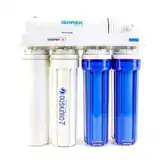
iSpring RCC7AK 6-Stage RO System
iSpring RCC7AK 6-Stage RO System
A tank-based RO and remineralization option. Confirm the current RCC7AK replacement-membrane part number, rated output and required pretreatment rather than assuming every 75 GPD cartridge fits.
Compare sizing, treatment options and ongoing costs in our best reverse osmosis systems guide.
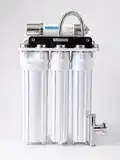
Aquasana OptimH2O Reverse Osmosis with Remineralizer
Aquasana OptimH2O Reverse Osmosis with Remineralizer
Combines RO, Claryum filtration and a remineralization stage. It does not selectively retain minerals through a dual membrane; use the model's matching replacement parts.
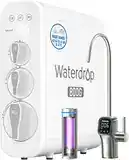
Waterdrop G3P800 Tankless RO
Waterdrop G3P800 Tankless RO
Compare a tankless installation if cabinet space and on-demand output matter. Check the current listing's exact model, power requirements and proprietary replacement cartridges.
When to Choose CTA Over TFC
While TFC is superior for most households, there are specific scenarios where CTA membranes make more sense:
Choose CTA When
- • Well water with chlorine injection system
- • Inconsistent filter maintenance habits
- • Vacation homes with intermittent use
- • Backup or emergency filtration
- • General taste improvement (not contaminant-critical)
- • Budget-constrained with fewer contaminant concerns
Avoid CTA When
- • Lead or heavy metal contamination present
- • PFAS contamination detected in water
- • Preparing water for infants or pregnant women
- • Maximum contaminant removal needed
- • Well water without any disinfection
- • NSF/ANSI 58 certification required
Explore Our Top Picks
Best Reverse Osmosis Systems
Complete rankings with membrane specs and performance data
Best Under-Sink Filters
RO and non-RO under-sink options compared
Best Filters for Well Water
Membrane recommendations for well water sources
Best Water Softeners
Pre-treat hard water to extend membrane life
Understanding Water Quality Science
Water quality is determined by a complex interplay of dissolved minerals, organic compounds, and potential contaminants that vary significantly by geographic region and water source. Municipal water treatment facilities use multi-stage processes including coagulation, sedimentation, sand filtration, and chemical disinfection to meet EPA Safe Drinking Water Act standards. However, these treatment processes can introduce disinfection byproducts such as trihalomethanes and haloacetic acids, which form when chlorine reacts with naturally occurring organic matter in the source water.
Private well water faces different challenges, as it bypasses municipal treatment entirely and may contain naturally occurring contaminants like arsenic, radon, and heavy metals that leach from surrounding geological formations. The Environmental Protection Agency recommends annual testing for coliform bacteria, nitrates, total dissolved solids, and pH levels for all private wells. Additional testing for volatile organic compounds, pesticides, and heavy metals should be conducted if you live near agricultural areas, industrial sites, or old mining operations. Understanding your specific water chemistry is the critical first step in selecting the most effective filtration system for your household needs.
Total dissolved solids (TDS) measurements provide a general indicator of water purity but should not be the sole basis for filtration decisions. Water with high TDS from beneficial minerals like calcium and magnesium may actually be healthier than ultra-purified water. The World Health Organization has noted that demineralized water may have adverse health effects due to the absence of essential minerals. This is why many advanced filtration systems, particularly reverse osmosis units, now include remineralization stages that add back beneficial minerals after removing contaminants. The ideal approach balances contaminant removal with mineral retention, targeting specific harmful substances identified through comprehensive water testing while preserving the natural mineral content that contributes to both taste and health benefits.
Filtration Technology Comparison
Modern water filtration leverages several distinct technologies, each with unique strengths for addressing specific water quality challenges. Activated carbon filtration, the most common residential method, uses adsorption to capture chlorine, volatile organic compounds, and taste-affecting chemicals. Granular activated carbon (GAC) filters provide good flow rates but may allow channeling, while carbon block filters compress carbon particles for more consistent contact time and finer filtration down to 0.5 microns. Catalytic carbon represents the latest advancement, specifically engineered to break down chloramines through a catalytic reaction rather than simple adsorption.
Reverse osmosis systems force water through a semipermeable membrane with pore sizes as small as 0.0001 microns, effectively removing dissolved solids, heavy metals, and most microorganisms. Check each complete RO system’s verified contaminant-specific reduction claims. The primary considerations for RO systems include water waste ratios (typically 3:1 to 4:1 for standard systems, improved to 1:1 in premium tankless models), storage tank requirements, and the need for pre-filtration to protect the delicate membrane from sediment and chlorine damage.
Ion exchange technology, used in both water softeners and specialized contaminant removal systems, swaps problematic ions in the water with benign alternatives. Water softeners exchange calcium and magnesium ions for sodium ions, preventing scale buildup in plumbing and appliances. Specialized ion exchange resins can target specific contaminants like lead, nitrates, or perchlorate. Ultraviolet purification provides chemical-free disinfection by disrupting the DNA of bacteria, viruses, and protozoa at wavelengths around 254 nanometers. UV systems are particularly valuable for well water and as a final treatment stage in multi-barrier systems, though they do not remove chemical contaminants or improve taste.
Related Resources
Frequently Asked Questions
Related Articles
Top-rated Reverse Osmosis Systems
Top-rated RO water filters
Top-rated Water Softeners
Top water softening systems
See the best Whole House Water Filters
Complete whole-house filtration
Our picks for Well Water Filters
Specialized well water treatment
Water Filter Buying Guide
Avoid common buying mistakes
Read: State Water Quality Guide
Water quality by state