Best Under Sink Reverse Osmosis Systems 2026: Complete Buyer's Guide
Reverse osmosis provides the most comprehensive water purification available for home use. This complete guide covers everything you need to know about under sink RO systems — from how they work to installation, maintenance, and choosing the best system for your needs.
Our Top Under-Sink RO Picks
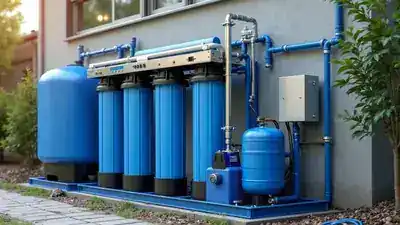
SpringWell Ultra-RO
Our top pick for under-sink reverse osmosis. The SpringWell Ultra-RO pairs 4-stage filtration with a remineralization cartridge that adds calcium and magnesium back for better taste, runs at 75 GPD, and is backed by SpringWell's lifetime system warranty. USA-made components, low waste ratio, and quiet operation make it the best long-term value for most homes.
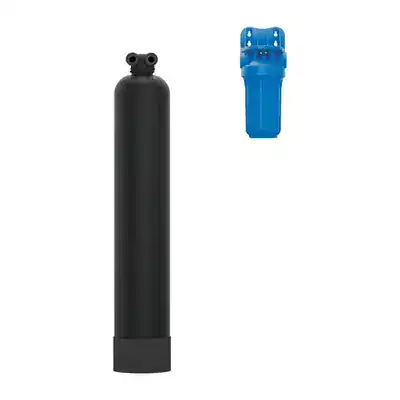
SpringWell Compact-RO
A 50% smaller footprint than the Ultra-RO, the Compact-RO is the go-to fallback when cabinet space is tight or you're outfitting an apartment kitchen. 3-stage filtration, fast installation, and SpringWell's same lifetime system warranty.
SpringWell CF1 (Pair with RO)
For the ultimate water quality setup, pair an under-sink RO with the SpringWell CF1 whole house filter. The CF1 removes chlorine, chloramine, PFAS, and VOCs from every tap in your home, while the RO provides hospital-grade purification at your kitchen sink. This combination protects appliances and provides pure drinking water.
What Is Reverse Osmosis?
Reverse osmosis (RO) is a water purification process that removes 95-99% of all dissolved solids, contaminants, and impurities from water by forcing it through a semi-permeable membrane with microscopic pores (0.0001 microns — 1/1,000,000th of a millimeter). This makes RO the gold standard for home water purification, delivering near-distilled quality for drinking and cooking.
The RO membrane acts as a molecular filter, allowing only water molecules to pass through while blocking larger molecules including minerals, salts, metals, chemicals, bacteria, viruses, and dissolved solids. Modern under-sink systems combine RO with carbon pre-filtration and optional remineralization for the best possible drinking water quality.
What RO Removes (95-99%+ reduction):
- • Heavy Metals: Lead, arsenic, mercury, cadmium, chromium-6
- • Fluoride: 95-98% removal
- • Chlorine & Chloramines: 98%+
- • Nitrates & Nitrites: 90-95%
- • Bacteria & Viruses: 99.9%+
- • PFAS (Forever Chemicals): 95%+
- • Pharmaceuticals: 95-99%
- • Pesticides & Herbicides: 98%+
- • TDS (Total Dissolved Solids): 95-99%
- • Sodium: 90-95%
How RO Systems Work: Stage-by-Stage
Most under sink RO systems use 3-7 filtration stages. Each stage targets different contaminants to provide comprehensive purification. Understanding the stages helps you evaluate system quality and maintenance requirements.
Sediment Pre-Filter (5 microns)
Removes sand, silt, rust, and large particles. Protects the RO membrane from premature clogging and damage. Replace every 6-12 months or when water flow noticeably slows. This is the most frequently replaced component and the first line of defense for your system.
Carbon Pre-Filter (GAC or Carbon Block)
Removes chlorine (which damages RO membranes), VOCs, odors, and organic chemicals. This stage is critical because chlorine degrades the thin-film composite membrane, reducing its lifespan from 3 years to months. Replace every 6-12 months.
RO Membrane (0.0001 microns)
The heart of the system. Thin-film composite (TFC) membrane removes 95-99% of dissolved solids, heavy metals, fluoride, pharmaceuticals, and microorganisms. Water is forced through the membrane under pressure (40-80 PSI). Pure water passes through while contaminants flush to drain. Replace every 2-3 years.
Storage Tank (Optional — Traditional Systems)
Pressurized tank (2-4 gallon capacity) stores purified water for instant access. Air bladder maintains pressure. Tankless systems skip this stage and produce water on-demand using high-efficiency pumps.
Post Carbon Filter (Polishing)
Final activated carbon stage removes any residual taste or odor, ensuring crisp, clean-tasting water. Especially important for tank systems where water may develop a slight taste during storage. Replace every 6-12 months.
Optional: Remineralization Filter
Adds back beneficial minerals (calcium, magnesium) for taste and health. RO water is so pure it can taste flat — remineralization creates balanced, alkaline water with better flavor. The SpringWell Ultra-RO includes this stage built-in.
Optional: UV Sterilization
UV light kills any bacteria or viruses that might survive. Adds extra protection for well water or immunocompromised individuals. Requires annual bulb replacement ($30-60).
Tank vs Tankless RO Systems
Traditional Tank Systems
How They Work:
Water filters slowly (producing 50-75 gallons per day) and stores in a 2-4 gallon pressurized tank. When you open the faucet, stored water flows immediately. System refills tank automatically as water is used. This proven technology has been reliable for over 40 years.
Pros:
- • Lower cost ($200-500)
- • Instant access to stored water
- • Works with lower water pressure (40+ PSI)
- • Proven 40+ year technology
- • No electricity required
Cons:
- • Large tank takes up cabinet space (12-15" diameter)
- • Limited capacity — empties during heavy use
- • Tank can harbor bacteria if not sanitized yearly
- • Bladder can fail after 5-8 years ($60-120 to replace)
- • Slower production rate (50-75 GPD)
- • Higher waste ratio (1:3 to 1:4)
Tankless RO Systems (Modern Choice)
How They Work:
High-efficiency pump forces water through the membrane at a faster rate (400-600 GPD). Produces water on-demand with no storage needed. Compact design uses advanced membrane technology with greater surface area for improved efficiency.
Pros:
- • Compact — 75% less space than tank systems
- • Unlimited water — never runs empty
- • No bacterial growth in tank
- • Faster filtration (400-600 GPD)
- • Lower waste ratio (1:1 or better)
- • Smart features (TDS monitoring, filter alerts)
Cons:
- • Higher cost ($400-800)
- • Requires electricity for pump
- • Needs good water pressure (60+ PSI ideal)
- • Slight delay when first opening faucet (3-5 seconds)
Best For:
Modern homes, larger families, anyone wanting unlimited RO water, and those with limited cabinet space. The SpringWell Compact-RO is our pick for tight cabinets; the SpringWell Ultra-RO is our overall tankless-ready top pick.
The Waste Water Issue (And How to Minimize It)
RO systems flush contaminants to drain, creating "waste water." The ratio of purified to waste water varies by system efficiency and water pressure. Understanding this helps you choose an efficient system and minimize environmental impact.
Typical Waste Ratios:
- • Old tank systems (pre-2015): 1:4 to 1:6 (4-6 gallons wasted per 1 gallon purified)
- • Modern tank systems: 1:2 to 1:3 (2-3 gallons wasted per gallon)
- • Efficient tankless systems: 1:1 or better (equal or less waste)
- • High-efficiency systems: 2:1 (produces 2 gallons pure per 1 wasted)
Reality Check:
Average family uses 3-5 gallons RO water daily. At 1:2 ratio, that's 6-10 gallons to drain — about one toilet flush. This represents less than 1% of typical household water use (300 gallons/day). The health and appliance protection benefits far outweigh minimal waste.
Ways to Reduce Waste:
- • Choose tankless or high-efficiency systems (1:1 or better)
- • Ensure adequate water pressure (60+ PSI) — low pressure increases waste
- • Install permeate pump ($100-150) — improves efficiency by 75%
- • Repurpose waste water for gardens, lawns, or toilet flushing
- • Replace membranes on schedule — old membranes waste more water
Installation Guide
Under sink RO installation takes 2-4 hours for DIY or 1-2 hours for a plumber. Most homeowners can install with basic tools and minimal plumbing experience. The process is straightforward with modern push-fit connectors.
What You'll Need:
- Drill with 1/4" and hole saw bit (for faucet hole if needed)
- Adjustable wrench and screwdriver
- Teflon tape for thread connections
- Bucket and towels (for inevitable drips)
- 2-3 hours of uninterrupted time
Installation Steps:
- Choose location: Under kitchen sink with access to cold water line and drain. Ensure adequate space for the unit and future filter changes. Measure cabinet interior first.
- Install faucet: Drill hole in sink or countertop (if needed) using hole saw. Mount RO faucet and tighten from underneath. Some sinks have a pre-drilled extra hole for accessories.
- Connect to water supply: Shut off cold water valve under sink. Install feed water adapter (tee fitting) onto cold water line. Attach 1/4" tubing from adapter to RO system inlet.
- Install drain saddle: Clamp drain saddle valve onto sink drain pipe above the P-trap. Drill small hole through pipe for waste water discharge. Connect waste line from system.
- Mount system: Attach mounting bracket to cabinet wall using provided screws. Hang RO unit on bracket. Ensure filters are accessible for future changes.
- Connect tubing: Follow color-coded tubes — blue to inlet, yellow to tank, red to faucet, black to drain. Push-fit connections make this easy and leak-resistant.
- Prime and flush: Turn on water supply and check all connections for leaks. Open tank valve. Fill and drain tank 2-3 times to remove preservative and carbon fines. Takes 2-4 hours total.
- Test water: Use TDS meter to verify low total dissolved solids (target 10-20 ppm, down from typical 100-400 ppm tap water). If TDS is below 50 ppm, system is working correctly.
Professional Installation:
Cost: $150-300. Worth it if you're not comfortable drilling holes, working with plumbing, or want warranty coverage. Many manufacturers require professional installation to maintain warranty. See our complete installation guide for detailed instructions.
Maintenance Schedule & Costs
Regular maintenance is essential for optimal RO performance. Neglecting filter changes reduces water quality, damages the membrane, and increases operating costs. Here's a comprehensive maintenance schedule with cost breakdowns.
Every 6-12 Months:
Replace sediment and carbon pre-filters
Cost: $30-60 for set of 2-3 filters. Signs needed: reduced water flow, longer fill times, or scheduled replacement date. Pre-filter neglect is the number one cause of premature membrane failure.
Every 6-12 Months:
Replace post-carbon filter
Cost: $15-30. Replace when water develops off taste or odor, or according to manufacturer schedule.
Every 2-3 Years:
Replace RO membrane
Cost: $60-100. Test TDS — if rising above 10% of input TDS, membrane needs replacement. Example: if tap is 300 ppm and RO water rises from 15 ppm to 40+ ppm, replace immediately.
Annually:
Sanitize system (tank systems only)
Cost: $0 (DIY with hydrogen peroxide solution). Prevents bacterial growth in storage tank. Tankless systems skip this step entirely.
Total Annual Cost:
Tank systems: $80-150/year in filters and maintenance
Tankless systems: $100-180/year (filters cost more but last longer)
Still far cheaper than bottled water at $300-600/year for equivalent volume. A family of four saves $200-400 annually by switching from bottled water to a home RO system.
How to Choose the Right Under-Sink RO System
Step 1: Test Your Water
Before investing in an RO system, test your water to identify specific contaminants. If your main concerns are chlorine taste and basic impurities, a carbon filter may suffice. RO is essential for lead, fluoride, arsenic, PFAS, nitrates, and TDS reduction. Knowing your water chemistry helps you choose the right number of stages and any optional add-ons.
Step 2: Measure Cabinet Space
Tank systems require 12-15 inches of floor space for the tank plus room for the filter unit. Tankless systems are much more compact. Measure your under-sink cabinet carefully, accounting for existing plumbing, garbage disposal, and storage items. Most tankless systems fit in spaces as small as 10x5 inches.
Step 3: Check Water Pressure
RO requires minimum 40 PSI for tank systems and 60+ PSI for optimal tankless performance. Low pressure increases waste ratio and slows production. If your pressure is below 40 PSI, budget an additional $60-120 for a booster pump. Test pressure with a simple gauge ($10) from any hardware store.
Step 4: Consider Certifications
Look for NSF/ANSI certifications: Standard 58 (RO performance), Standard 42 (aesthetic — chlorine, taste), Standard 53 (health — lead, cysts), Standard 401 (emerging contaminants), and P473 (PFAS). The Aquasana OptimH2O holds certifications under all five standards, making it the most comprehensively certified option available.
RO vs Other Filtration Technologies
| Feature | RO System | Carbon Filter | UV System | Water Softener |
|---|---|---|---|---|
| Lead Removal | 99% | 20-80% | 0% | 0% |
| PFAS Removal | 95%+ | 70-90% | 0% | 0% |
| Fluoride Removal | 95-98% | 20-40% | 0% | 0% |
| Bacteria | 99.9% | 0% | 99.99% | 0% |
| Annual Cost | $80-180 | $60-120 | $60-100 | $100-200 |
| Best For | Drinking water | Whole house | Well water | Hard water |
For most homes, the ideal setup combines a whole house carbon filter (like the SpringWell CF1) with a point-of-use RO system under the kitchen sink. This provides clean water at every tap and ultra-pure drinking water where you need it most.
Explore Our Top Picks
Related Resources
Frequently Asked Questions
Related Articles
See the best Reverse Osmosis Systems
Top-rated RO systems with detailed comparisons
APEC or iSpring RO Comparison? Full breakdown
Head-to-head comparison of leading RO brands
Side-by-side: Waterdrop vs iSpring RO Systems
Compare tankless vs tank RO systems
Walkthrough — RO Installation Guide
Step-by-step RO system installation
RO Maintenance & Troubleshooting (upkeep tips)
Filter replacement schedules and common fixes
Tankless RO Systems Guide
On-demand RO without storage tanks
Understanding Water Quality Science
Water quality is determined by a complex interplay of dissolved minerals, organic compounds, and potential contaminants that vary significantly by geographic region and water source. Municipal water treatment facilities use multi-stage processes including coagulation, sedimentation, sand filtration, and chemical disinfection to meet EPA Safe Drinking Water Act standards. However, these treatment processes can introduce disinfection byproducts such as trihalomethanes and haloacetic acids, which form when chlorine reacts with naturally occurring organic matter in the source water.
Private well water faces different challenges, as it bypasses municipal treatment entirely and may contain naturally occurring contaminants like arsenic, radon, and heavy metals that leach from surrounding geological formations. The Environmental Protection Agency recommends annual testing for coliform bacteria, nitrates, total dissolved solids, and pH levels for all private wells. Additional testing for volatile organic compounds, pesticides, and heavy metals should be conducted if you live near agricultural areas, industrial sites, or old mining operations. Understanding your specific water chemistry is the critical first step in selecting the most effective filtration system for your household needs.
Total dissolved solids (TDS) measurements provide a general indicator of water purity but should not be the sole basis for filtration decisions. Water with high TDS from beneficial minerals like calcium and magnesium may actually be healthier than ultra-purified water. The World Health Organization has noted that demineralized water may have adverse health effects due to the absence of essential minerals. This is why many advanced filtration systems, particularly reverse osmosis units, now include remineralization stages that add back beneficial minerals after removing contaminants. The ideal approach balances contaminant removal with mineral retention, targeting specific harmful substances identified through comprehensive water testing while preserving the natural mineral content that contributes to both taste and health benefits.
Filtration Technology Comparison
Modern water filtration leverages several distinct technologies, each with unique strengths for addressing specific water quality challenges. Activated carbon filtration, the most common residential method, uses adsorption to capture chlorine, volatile organic compounds, and taste-affecting chemicals. Granular activated carbon (GAC) filters provide good flow rates but may allow channeling, while carbon block filters compress carbon particles for more consistent contact time and finer filtration down to 0.5 microns. Catalytic carbon represents the latest advancement, specifically engineered to break down chloramines through a catalytic reaction rather than simple adsorption.
Reverse osmosis systems force water through a semipermeable membrane with pore sizes as small as 0.0001 microns, effectively removing dissolved solids, heavy metals, and most microorganisms. Modern RO systems achieve 95-99 percent rejection rates for contaminants like lead, arsenic, fluoride, and PFAS compounds. The primary considerations for RO systems include water waste ratios (typically 3:1 to 4:1 for standard systems, improved to 1:1 in premium tankless models), storage tank requirements, and the need for pre-filtration to protect the delicate membrane from sediment and chlorine damage.
Ion exchange technology, used in both water softeners and specialized contaminant removal systems, swaps problematic ions in the water with benign alternatives. Water softeners exchange calcium and magnesium ions for sodium ions, preventing scale buildup in plumbing and appliances. Specialized ion exchange resins can target specific contaminants like lead, nitrates, or perchlorate. Ultraviolet purification provides chemical-free disinfection by disrupting the DNA of bacteria, viruses, and protozoa at wavelengths around 254 nanometers. UV systems are particularly valuable for well water and as a final treatment stage in multi-barrier systems, though they do not remove chemical contaminants or improve taste.
Long-Term Cost Analysis
When evaluating water filtration costs, the total cost of ownership over five years provides a much more accurate picture than initial purchase price alone. A budget pitcher filter at thirty dollars may seem economical, but replacement filters at forty dollars every two months add up to over twelve hundred dollars in five years. Meanwhile, an under-sink system costing two hundred dollars upfront with sixty-dollar annual filter changes totals just five hundred dollars over the same period, delivering superior filtration at less than half the long-term cost.
Whole house filtration systems represent a larger initial investment of eight hundred to two thousand dollars including professional installation, but they protect all water fixtures and appliances simultaneously. When you factor in the extended lifespan of water heaters, dishwashers, and washing machines that no longer process unfiltered water, the return on investment often exceeds the system cost within three to four years. Water softener savings are particularly dramatic: the Water Quality Association estimates that soft water can reduce water heating costs by up to twenty-nine percent and extend appliance lifespans by thirty to fifty percent.
For households currently purchasing bottled water, any home filtration system provides massive savings. The average family spending twenty dollars per week on bottled water spends over five thousand dollars in five years. Even the most premium whole house filtration system with annual maintenance costs less than two thousand dollars over the same period, saving over three thousand dollars while eliminating hundreds of plastic bottles from landfills annually. The environmental and financial case for home filtration is compelling at every price point.
Expert Insights and Industry Trends
The residential water filtration industry continues to evolve rapidly, driven by increasing awareness of water quality issues, advancing filtration technologies, and tightening regulatory standards. Industry analysts project the global residential water treatment market will exceed twenty-five billion dollars by 2028, with point-of-use systems showing the fastest growth segment. Smart filtration systems with WiFi connectivity and app-based monitoring are emerging as the premium segment, offering real-time filter life tracking, water quality alerts, and automatic reorder functionality that simplifies maintenance for homeowners.
Certification standards continue to play a critical role in consumer protection and product differentiation. NSF International and the Water Quality Association maintain rigorous testing protocols that verify manufacturer claims for contaminant reduction. NSF Standard 42 covers aesthetic effects like taste and odor, while NSF Standard 53 addresses health-related contaminants including lead, cysts, and volatile organic compounds. The newer NSF Standard 401 specifically targets emerging contaminants like pharmaceuticals and over-the-counter medications, while NSF P473 was developed specifically for PFAS compounds. Consumers should always verify certifications through the NSF product database rather than relying solely on manufacturer marketing materials.
Environmental sustainability is increasingly influencing product development and consumer purchasing decisions. Single-use plastic water bottle consumption generates over sixty billion bottles annually in the United States alone, with less than thirty percent being recycled. Home filtration systems eliminate this waste stream entirely while providing superior water quality at a fraction of the cost. Manufacturers are responding to environmental concerns by developing longer-lasting filter media, recyclable cartridge programs, and water-efficient designs that minimize wastewater production. Some premium systems now achieve wastewater ratios as low as one-to-one, compared to the traditional three-to-one or four-to-one ratios of older reverse osmosis systems, representing a significant improvement in water conservation.