Water Contaminant Health Effects: The Complete 2026 Guide
How common drinking water contaminants can affect health, who is most at risk and which ones are worth testing for. Each section explains what the research shows in plain language and which treatment can help once a test confirms the problem.
Why Water Quality Matters for Your Health
Water contamination is a serious public health issue affecting millions of Americans. The EPA estimates that 63 million Americans were exposed to unsafe drinking water in the past decade. Many contaminants are tasteless, odorless, and colorless—making them impossible to detect without proper testing.
The health effects range from immediate illness (bacteria, viruses) to long-term chronic diseases (lead, arsenic, PFAS). Children, pregnant women, elderly, and immunocompromised individuals face the highest risks. Some contaminants, like lead, have no safe exposure level and cause irreversible damage.
Recent research has revealed even more concerning findings: PFAS "forever chemicals" have been detected in drinking water serving over 200 million Americans, and the EPA's 2024 PFAS regulations set maximum contaminant levels at just 4 parts per trillion—highlighting how even trace amounts pose health risks. Microplastics, pharmaceutical residues, and emerging contaminants represent a growing category of concern that wasn't even recognized a decade ago.
Action Steps:
- ✓ Check your local water quality report
- ✓ Test your water for specific contaminants of concern in your area
- ✓ Install appropriate filtration based on your water test results
- ✓ Pay special attention if you have children, are pregnant, or drink well water
- ✓ Retest annually or after any changes to your water source or plumbing
Major Water Contaminants & Their Health Effects
Lead
Brain damage in children, high blood pressure, kidney problems, reproductive issues
Children under 6, pregnant women
RO systems remove 95-99% of lead. NSF 53 certified filters are essential. Learn about lead removal →
PFAS
Cancer, thyroid disease, immune system suppression, developmental delays
Everyone, especially children
Activated carbon and RO filters certified for PFAS removal (NSF P473). Learn about PFAS removal →
Arsenic
Skin damage, cancer (bladder, lung, skin), cardiovascular disease
Long-term exposure
RO systems or certified arsenic-specific filters. Learn about arsenic removal →
Nitrates
Blue baby syndrome (methemoglobinemia), thyroid issues
Infants under 6 months
RO systems or ion exchange. Learn about nitrate removal →
Bacteria/Viruses
Gastrointestinal illness, diarrhea, vomiting, severe infections
Young, elderly, immunocompromised
UV sterilization kills 99.99% of microorganisms. Learn about bacteria removal →
Chlorine Byproducts
Increased cancer risk with long-term exposure, reproductive issues
Long-term exposure
Activated carbon filters remove chlorine and THMs/HAAs. Learn about chlorine removal →
Understanding Long-Term vs. Acute Health Effects
Acute (Immediate) Effects
Symptoms appear within hours to days of exposure:
- Bacteria (E. coli, Salmonella): Severe diarrhea, vomiting, cramps, fever. Can be life-threatening in children and elderly.
- Viruses (Norovirus, Hepatitis A): Gastroenteritis, jaundice, liver inflammation.
- Parasites (Giardia, Cryptosporidium): Prolonged diarrhea lasting weeks, dehydration, weight loss.
- High Nitrates: Blue baby syndrome in infants (oxygen deprivation from methemoglobinemia).
⚠️ Seek medical attention immediately if you experience severe GI symptoms, especially after a known contamination event or boil water notice.
Chronic (Long-Term) Effects
Health problems develop over months to years of exposure:
- Lead: Irreversible brain damage in children, reduced IQ, learning disabilities, behavioral problems. High blood pressure and kidney disease in adults.
- PFAS: Increased cancer risk (kidney, testicular), thyroid disease, reduced vaccine effectiveness, high cholesterol, pregnancy complications.
- Arsenic: Skin lesions, diabetes, cardiovascular disease, bladder/lung/skin cancer after decades of exposure.
- Chlorine Byproducts (THMs/HAAs): Elevated cancer risk, reproductive issues, pregnancy complications with long-term exposure.
Many chronic effects are preventable with proper filtration. The sooner you install protection, the less cumulative exposure you'll receive.
Who Is Most at Risk?
Infants & Young Children (Under 6 Years)
Children's developing brains and bodies are extremely vulnerable to contaminants. Lead exposure at ANY level causes permanent brain damage, reduced IQ, and behavioral problems. There is no safe level of lead for children. Children also drink more water per pound of body weight than adults, concentrating exposure.
- • Lead: Crosses blood-brain barrier easily, causing irreversible neurological damage
- • Nitrates: Infants under 6 months can develop fatal blue baby syndrome
- • PFAS: Interferes with immune development and vaccine effectiveness
- • Fluoride: Excessive exposure linked to lower IQ (above 1.5 mg/L)
Recommendation: Use reverse osmosis systems for baby formula preparation and children's drinking water, especially if you have lead pipes or live in an area with PFAS contamination.
Pregnant Women
Contaminants pass through the placenta to the developing fetus. Exposure during pregnancy can cause birth defects, developmental delays, and pregnancy complications. Blood volume increases by 50% during pregnancy, which can mobilize stored lead from bones into the bloodstream—a particular concern even for women without current lead exposure.
- • Lead: Crosses placenta, causes premature birth, low birth weight, developmental delays
- • PFAS: Linked to preeclampsia, reduced birth weight, developmental problems
- • Arsenic: Increases risk of stillbirth and infant mortality
- • Nitrates: Potential birth defects and pregnancy complications
Elderly (65+)
Aging immune systems and cumulative lifetime exposure increase vulnerability. Chronic conditions can worsen with contaminated water. Reduced kidney function in older adults means contaminants are cleared from the body more slowly.
- • More susceptible to waterborne infections (bacteria, viruses, parasites)
- • Lead exposure worsens cognitive decline and increases dementia risk
- • Arsenic exposure accelerates cardiovascular disease
- • Reduced ability to recover from acute contamination events
Immunocompromised Individuals
People with weakened immune systems (cancer patients, HIV/AIDS, organ transplant recipients, autoimmune diseases) face life-threatening risks from bacteria and parasites that healthy individuals might fight off.
- • Cryptosporidium can cause fatal infections (UV or RO required for removal)
- • Higher risk from any bacterial contamination
- • May need point-of-use filters even with treated municipal water
Critical: Immunocompromised individuals should consult their doctor and install UV sterilization or RO systems for absolute protection against waterborne pathogens.
Recognizing Water-Related Health Problems
Many water-related health issues are difficult to diagnose because symptoms are non-specific. If you experience any of these symptoms and suspect water quality issues, get your water tested immediately.
Immediate Symptoms (Bacteria/Viruses)
- • Severe diarrhea or bloody stools
- • Nausea and vomiting
- • Stomach cramps
- • Fever and chills
- • Dehydration
Seek medical attention if symptoms are severe or persistent.
Chronic Symptoms (Chemical Contaminants)
- • Unexplained fatigue
- • Persistent headaches
- • Skin rashes or discoloration
- • Cognitive issues (brain fog, memory problems)
- • Thyroid problems
- • Developmental delays in children
These symptoms develop slowly over months to years of exposure.
Special Concerns for Children:
- • Learning difficulties or declining school performance (may indicate lead exposure)
- • Behavioral changes or hyperactivity
- • Blue tint to skin (nitrate poisoning - medical emergency)
- • Frequent unexplained illnesses
Recommended Filtration for Health Protection
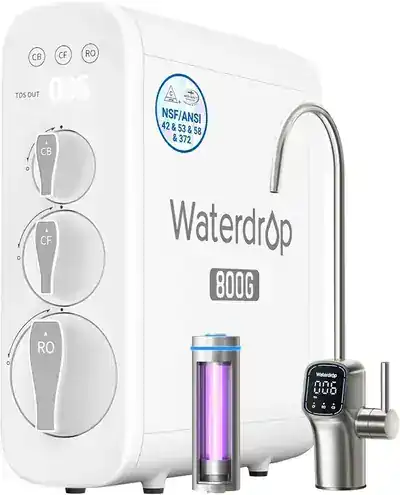
Waterdrop G3P800 Tankless RO System
Removes 99.9% of TDS including lead, PFAS, arsenic, fluoride, nitrates, and chlorine byproducts. The most comprehensive single-point protection available for families concerned about multiple contaminants. Built-in TDS monitor provides real-time verification that your water is safe. Ideal for households with children, pregnant women, or immunocompromised family members.
View on Amazon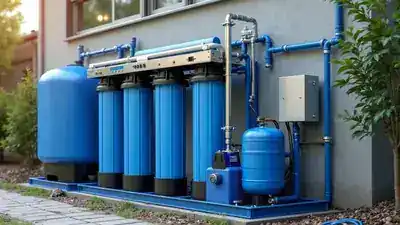
SpringWell Ultra Well Water System
Comprehensive 4-stage well water treatment: air injection for iron/manganese/sulfur removal, sediment filtration, catalytic carbon for organics, and optional UV sterilization for bacteria. Addresses all major well water health risks in a single integrated system. Lifetime warranty provides long-term peace of mind for rural homeowners.
Check Price at SpringWell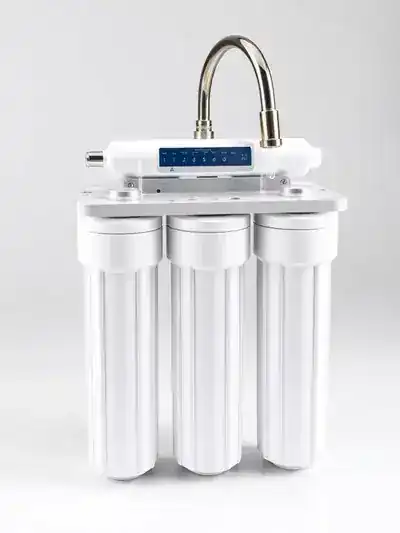
Aquasana OptimH2O Reverse Osmosis
NSF certified for Standards 42, 53, 58, 401, and P473—the most comprehensive NSF certification of any under-sink system. Removes 99% of 88 contaminants including lead, PFAS, arsenic, pharmaceuticals, and microplastics. Unique Claryum technology retains beneficial minerals while removing harmful contaminants. The gold standard for verified health protection.
View on AmazonHow to Protect Your Family
1. Test Your Water
You cannot see, taste, or smell most dangerous contaminants. Professional testing is the only way to know what's in your water. Test annually if on city water, semi-annually if on well water.
- • Lead testing (especially in homes built before 1986)
- • PFAS testing (if near military bases, airports, or industrial areas)
- • Bacteria (coliform/E. coli) for well water
- • Comprehensive chemical panel for well water
2. Install Appropriate Filtration
Match your filtration to your specific contaminants:
Reverse Osmosis (Most Comprehensive)
Removes 95-99% of lead, arsenic, PFAS, fluoride, nitrates, and nearly all dissolved contaminants. Best for families with children, pregnant women, or multiple contaminant concerns.
Browse RO systems →UV Sterilization (Bacteria/Virus Protection)
Kills 99.99% of bacteria, viruses, and parasites. Essential for well water or immunocompromised individuals. Often combined with RO for complete protection.
Learn about UV systems →Activated Carbon (Chlorine, Taste, Odor)
Removes chlorine, VOCs, pesticides, and improves taste. Does NOT remove lead, fluoride, or heavy metals. Good for municipal water with basic concerns.
Browse carbon filters →Multi-Stage Systems (Well Water)
Sediment filter + carbon + UV + RO provides complete protection against bacteria, chemicals, and heavy metals common in well water.
Browse well water systems →3. Additional Protective Measures
- • Flush pipes: Run cold water for 30-60 seconds before drinking if you have lead pipes (first draw has highest lead levels)
- • Use cold water for cooking: Hot water leaches more lead from pipes
- • Replace fixtures: Old faucets and fixtures may contain lead
- • Well maintenance: Annual well inspections and testing if you have private well
- • Stay informed: Check your local water quality reports regularly
- • Emergency preparedness: Have emergency water treatment supplies on hand
Regional Water Quality Concerns
Water contaminants vary significantly by location. Understanding your region's specific issues helps you prioritize testing and filtration.
Northeast (Lead, PFAS)
Aging infrastructure means higher lead risk. PFAS widespread near military bases and industrial areas. Many homes built before 1986 have lead solder in plumbing.
Midwest (Nitrates, Arsenic)
Agricultural runoff causes nitrate contamination. Natural arsenic in groundwater. Atrazine from corn farming is a significant emerging concern.
Southwest (Arsenic, Uranium)
Natural geological arsenic and uranium in groundwater. High TDS levels. Drought conditions concentrate contaminants in surface water supplies.
Southeast (Chlorine Byproducts)
High chlorine use creates THMs/HAAs. PFAS near military installations. Warm water temperatures accelerate bacterial growth.
Explore Our Top Picks
Frequently Asked Questions
Related Articles
Top-rated Reverse Osmosis Systems
Top-rated RO water filters
Buying guide: Water Softeners
Top water softening systems
Our picks for Whole House Water Filters
Complete whole-house filtration
Our picks for Well Water Filters
Specialized well water treatment
More on Water Filter Buying Guide
Avoid common buying mistakes
Deep dive — State Water Quality Guide
Water quality by state
Understanding Water Quality Science
Water quality is determined by a complex interplay of dissolved minerals, organic compounds, and potential contaminants that vary significantly by geographic region and water source. Municipal water treatment facilities use multi-stage processes including coagulation, sedimentation, sand filtration, and chemical disinfection to meet EPA Safe Drinking Water Act standards. However, these treatment processes can introduce disinfection byproducts such as trihalomethanes and haloacetic acids, which form when chlorine reacts with naturally occurring organic matter in the source water.
Private well water faces different challenges, as it bypasses municipal treatment entirely and may contain naturally occurring contaminants like arsenic, radon, and heavy metals that leach from surrounding geological formations. The Environmental Protection Agency recommends annual testing for coliform bacteria, nitrates, total dissolved solids, and pH levels for all private wells. Additional testing for volatile organic compounds, pesticides, and heavy metals should be conducted if you live near agricultural areas, industrial sites, or old mining operations. Understanding your specific water chemistry is the critical first step in selecting the most effective filtration system for your household needs.
Total dissolved solids (TDS) measurements provide a general indicator of water purity but should not be the sole basis for filtration decisions. Water with high TDS from beneficial minerals like calcium and magnesium may actually be healthier than ultra-purified water. The World Health Organization has noted that demineralized water may have adverse health effects due to the absence of essential minerals. This is why many advanced filtration systems, particularly reverse osmosis units, now include remineralization stages that add back beneficial minerals after removing contaminants. The ideal approach balances contaminant removal with mineral retention, targeting specific harmful substances identified through comprehensive water testing while preserving the natural mineral content that contributes to both taste and health benefits.