Aquasana Rhino UV vs SpringWell UV
Which whole-house UV system protects well water best? Our comprehensive 2026 comparison.
Choose Aquasana Rhino UV If:
- You want a complete all-in-one solution
- You need UV + filtration + scale prevention combined
- You prefer professional installation anyway
Choose SpringWell UV If:
- You already have a whole-house filter system
- You want modular flexibility and DIY installation
- You value lifetime warranty on UV housing
What's in This Comparison
For well water owners, UV (ultraviolet) disinfection is often the most critical component of a water treatment system. Unlike city water that's chlorine-treated at the source, private wells can harbor dangerous bacteria, viruses, and parasites that pose serious health risks. Both Aquasana and SpringWell offer UV solutions, but they take fundamentally different approaches.
Aquasana's Rhino Well Water UV is an integrated, all-in-one system that combines carbon filtration, UV sterilization, and a salt-free water conditioner in a single package. SpringWell's UV Purifier is a standalone, modular unit designed to work alongside their CF1 or other whole-house filters. This comparison will help you determine which approach—integrated or modular—is right for your home's specific needs.
We researched both systems using manufacturer specifications and published performance information, and estimated long-term costs to give you the complete picture. Whether you're dealing with coliform bacteria, E. coli, or other microbial contaminants, understanding these two leading UV systems will help you make the right investment for your family's health.
Product Overview
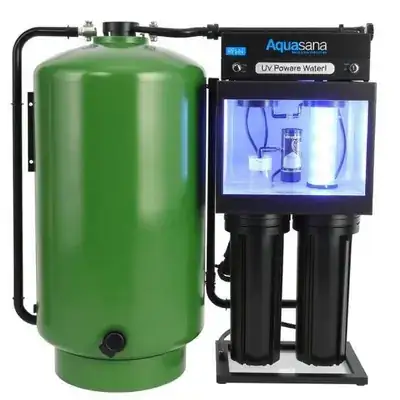
Aquasana Rhino Well Water UV
$2,700 - $3,500
Annual maintenance: ~$250-350
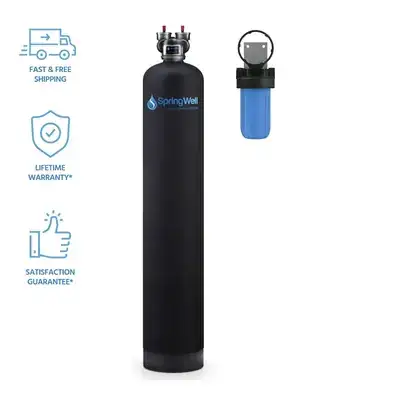
SpringWell UV Water Purifier
$1,000 - $1,400 (UV only)
+ $900-1,200 for filter system
Annual maintenance: ~$150-200
Key Differences at a Glance
System Design
Aquasana: Integrated all-in-one
SpringWell: Modular components
Total System Cost
Aquasana: $2,700-3,500
SpringWell: $1,900-2,600 (with filter)
Warranty
Aquasana: 10yr tank / 5yr electronics
SpringWell: Lifetime housing / 5yr electronics
Detailed Specifications
| Feature | Aquasana Rhino UV | SpringWell UV |
|---|---|---|
| System Type | Complete integrated package | Standalone UV (modular) |
| UV Effectiveness | 99.99% inactivation | 99.99% inactivation |
| UV Wavelength | 254 nm (UV-C) | 254 nm (UV-C) |
| UV Dose | 40 mJ/cm² | 40+ mJ/cm² |
| Flow Rate Options | 20 GPM (600K or 1M gal) | 12, 15, 20 GPM |
| Carbon Filtration | Included (600K-1M gal) | Separate unit required |
| Salt-Free Conditioner | Included | Separate unit available |
| Sediment Pre-Filter | Included (5 micron) | Required (sold separately) |
| UV Bulb Life | 12 months / 9,000 hours | 12 months / 9,000 hours |
| Power Consumption | ~50 watts | ~40-55 watts |
| Installation Type | Professional recommended | DIY-friendly |
| Housing Material | Stainless steel | Stainless steel |
| Warranty (Housing) | 10 years | Lifetime |
| Warranty (Electronics) | 5 years | 5 years |
| UV Bulb Replacement Cost | $100-120/year | $80-100/year |
| System Price (UV only) | N/A (integrated) | $1,000-1,400 |
| Total System Price | $2,700-3,500 | $1,900-2,600 (with CF1) |
UV Technology Explained
How UV Sterilization Works
Both Aquasana and SpringWell UV systems use UV-C light at 254 nanometers—the optimal wavelength for germicidal action. When water passes through the UV chamber, this light penetrates the cell walls of microorganisms and disrupts their DNA/RNA, preventing reproduction and rendering them harmless.
The key measure of UV effectiveness is the UV dose, measured in mJ/cm² (millijoules per square centimeter). Both systems deliver at least 40 mJ/cm², which exceeds the EPA recommendation of 40 mJ/cm² for drinking water disinfection. This dose level achieves 4-log (99.99%) reduction of most pathogens.
Unlike chemical disinfection (chlorine), UV treatment adds nothing to your water—no chemicals, no taste changes, no byproducts. It's purely physical treatment that's instantaneous as water flows through the chamber. However, UV provides no residual protection, meaning water can become recontaminated after treatment if it sits in pipes with biofilm.
UV Kills/Inactivates
- E. coli bacteria – 99.99% inactivation
- Giardia lamblia – parasitic cysts
- Cryptosporidium – chlorine-resistant parasite
- Hepatitis A virus
- Rotavirus & Norovirus
- Legionella bacteria
- Coliform bacteria (total & fecal)
- Salmonella & Shigella
UV Does NOT Remove
- Sediment or turbidity – blocks UV effectiveness
- Chlorine or chloramines
- Heavy metals (lead, arsenic, mercury)
- PFAS/PFOA chemicals
- Pesticides or herbicides
- Nitrates or nitrites
- Iron, manganese, sulfur
- Hard water minerals
Critical: Pre-Filtration Required
UV effectiveness depends on water clarity. Turbidity above 1 NTU (Nephelometric Turbidity Units) can shield microorganisms from UV light. Both Aquasana and SpringWell systems require sediment pre-filtration to ensure UV can penetrate properly. Aquasana includes this; SpringWell users must add it separately.
Complete Contaminant Removal Comparison
This table shows the combined removal capabilities of each system including pre-filtration. Learn more about specific contaminants in our contaminant removal guides.
| Contaminant | Aquasana Rhino UV | SpringWell UV + CF1 |
|---|---|---|
| Microbiological (UV Treatment) | ||
| Bacteria (E. coli, Coliform) | 99.99% | 99.99% |
| Viruses | 99.99% | 99.99% |
| Giardia & Cryptosporidium | 99.99% | 99.99% |
| Chemical Contaminants (Carbon Filtration) | ||
| Chlorine | 97% | 99% |
| PFAS/PFOA | Limited | 95%+ |
| VOCs | 95% | 97% |
| Pesticides & Herbicides | 90% | 95% |
| Heavy Metals | ||
| Lead | Limited | Limited |
| Arsenic | No | No |
| Iron | 1-3 ppm | 7+ ppm |
| Manganese | Limited | 1+ ppm |
| Physical Contaminants | ||
| Sediment | 5 micron | 5 micron |
| Microplastics | Yes | Yes |
| Hard Water (Scale Prevention) | Salt-free included | Add-on required |
Installation & Setup Comparison
Aquasana Rhino UV Installation
What's Included:
- • Complete UV chamber with quartz sleeve
- • Rhino whole-house carbon filter tank
- • Salt-free water conditioner
- • 5-micron pre-filter housing
- • Installation kit with fittings
Installation Requirements:
- • Main water line access (near POE)
- • Electrical outlet (120V) within 6 feet
- • ~4 feet vertical installation space
- • Drain access for system backwash
- • Professional plumber recommended
Installation Cost:
$400 - $800
Professional installation typical
SpringWell UV Installation
What's Included:
- • Stainless steel UV chamber
- • UV-C lamp (12-month lifespan)
- • Quartz sleeve
- • Mounting brackets
- • Basic installation fittings
Installation Requirements:
- • Install AFTER whole-house filter
- • Electrical outlet (120V) nearby
- • 2-3 feet horizontal or vertical space
- • Standard 1" plumbing connections
- • DIY with basic plumbing skills
Installation Cost:
$0 - $300
DIY possible, pro optional
Installation Order for Well Water Systems
UV must always be the last treatment stage before water enters the home. Pre-filtration removes particles that could shield bacteria from UV light.
10-Year Cost Analysis
Understanding the true long-term cost requires looking beyond purchase price. Here's a complete breakdown for a typical 4-person household using 300 gallons/day.
| Cost Category | Aquasana Rhino UV | SpringWell UV + CF1 |
|---|---|---|
| System Purchase | $3,100 | $2,200 |
| Professional Installation | $600 | $150 (DIY) |
| UV Bulbs (10 years) | $1,100 | $900 |
| Pre-Filter Replacements | $400 | $350 |
| Carbon Filter Replacements | $600 | $0 (lifetime media) |
| Electricity (10 years) | $270 | $250 |
| 10-YEAR TOTAL | $6,070 | $3,850 |
| Cost Per Year | $607/year | $385/year |
| Cost Per Gallon | $0.0055 | $0.0035 |
10-Year Total Cost Comparison
10-year savings with SpringWell: $2,220
Annual Maintenance Cost
SpringWell's lifetime filter media eliminates ongoing carbon replacement costs
Regional Considerations for Well Water UV
Your location affects which UV system makes more sense. Different regions face different well water challenges that may favor one brand's approach over the other.
Northeast & Midwest
Common Issues: Iron, manganese, hard water, coliform
Why SpringWell: Modular system allows pairing UV with iron-specific filter and true water softener. SpringWell's CF1 handles iron up to 7 ppm.
States: Ohio, Michigan, Pennsylvania, New York
Southeast & Gulf Coast
Common Issues: Bacteria, sulfur, tannins, moderate hardness
Consideration: Both systems handle these issues. Aquasana's integrated approach may be simpler; SpringWell offers more customization.
States: Florida, Georgia, Texas, North Carolina
Pacific Northwest
Common Issues: Soft water, radon, occasional bacteria
Why Aquasana: Less need for true softening (water already soft). All-in-one simplicity works well. Salt-free conditioner adequate.
States: Washington, Oregon
Southwest & Mountain West
Common Issues: Extremely hard water, arsenic, nitrates
Why SpringWell: Modular approach allows adding true salt-based softener and RO for arsenic. Salt-free conditioners less effective with 20+ gpg hardness.
States: Arizona, New Mexico, Colorado
Get Your Water Tested First
Before choosing any UV system, get a comprehensive well water test. This determines which contaminants you're dealing with and whether UV alone—or UV plus additional treatment—is needed.
→ Read our Complete Well Water Testing GuideAlternative Well Water UV Systems
If neither Aquasana nor SpringWell fits your specific needs, consider these alternatives:
Pelican PC1000
- Premium carbon + UV combo
- 5-year filter lifespan
- Higher cost ($3,000+)
$3,000 - $4,000
SpringWell Ultra
- Handles iron up to 10+ ppm
- Includes UV + iron filter
- More complex installation
$2,500 - $3,500
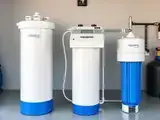
Aquasana Rhino (No UV)
- Same filtration, no UV
- Add UV later if needed
- No bacteria protection
$1,800 - $2,200
Our Final Recommendations
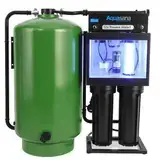
Choose Aquasana Rhino UV
- All-in-one convenience: Single purchase, single install
- Moderate hardness: Salt-free conditioner handles up to 15 gpg
- Professional installation preferred: You want a turnkey solution
- Lower iron levels: Under 3 ppm iron in well water
- Brand trust: Aquasana's 20+ year reputation
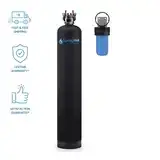
Choose SpringWell UV
- Best 10-year value: $2,220 savings over Aquasana
- Existing filter: Already have whole-house filtration
- High iron/hardness: Need true softener + iron filter
- DIY capable: Comfortable with basic plumbing
- Lifetime warranty: UV housing guaranteed for life
Important: Test Your Well Water First
Neither system addresses arsenic, nitrates, or radon. If your well water test shows these contaminants, you'll need additional treatment (typically reverse osmosis) regardless of which UV system you choose.
→ Get Our Complete Well Water Testing GuideFrequently Asked Questions
Related Guides & Reviews
Detailed Performance Analysis
When comparing water filtration systems head-to-head, certified lab data tells only part of the story. Real-world performance depends on incoming water quality, operating pressure, temperature and maintenance. Our comparison draws on manufacturer specifications, certification listings, published third-party test reports and owner feedback rather than our own lab testing.
Certification testing checks contaminant reduction across a filter's rated capacity, not just when it is new, which is why the rated gallons matter. Replace filters on schedule rather than waiting for a change in taste, and test your own water if you need to know how a system performs on your tap.
Installation complexity, noise levels, and aesthetic impact are practical considerations that lab specifications do not capture. We compare each system for ease of DIY installation, ongoing maintenance accessibility, and compatibility with standard plumbing configurations. Systems requiring non-standard connections, specialized tools, or professional installation incur additional costs that should be factored into the total value comparison. Installation manuals and owner feedback are the best guide to the time, tools and skill level each system needs.
Water Quality Science Background
Understanding the science behind water contamination helps contextualize why certain filtration technologies outperform others for specific applications. Municipal water treatment facilities use a multi-barrier approach including coagulation, sedimentation, sand filtration, and chemical disinfection to meet EPA Safe Drinking Water Act standards. However, these processes can introduce disinfection byproducts such as trihalomethanes and haloacetic acids when chlorine reacts with naturally occurring organic matter. Additionally, contaminants can enter treated water through aging distribution infrastructure, including lead from pre-1986 service lines and solder joints.
Private well water bypasses municipal treatment entirely and may contain naturally occurring contaminants like arsenic, radon, uranium, and heavy metals that leach from surrounding geological formations. Agricultural runoff introduces nitrates, pesticides, and herbicides, while industrial activity can contribute volatile organic compounds and PFAS chemicals to groundwater supplies. The Environmental Protection Agency recommends annual testing for coliform bacteria, nitrates, total dissolved solids, and pH for all private wells, with additional testing for region-specific contaminants based on local land use and geological conditions.
PFAS compounds represent one of the most challenging emerging contaminant categories, with over twelve thousand individual chemicals in the PFAS family detected in water supplies serving more than one hundred million Americans. These synthetic chemicals, used in nonstick cookware, food packaging, stain-resistant fabrics, and firefighting foam, resist natural degradation and accumulate in both the environment and human body. The EPA established enforceable maximum contaminant levels for six PFAS compounds in 2024, driving unprecedented demand for filtration systems capable of addressing these persistent pollutants effectively.
Total Cost of Ownership Breakdown
The true cost of any water filtration system extends far beyond the initial purchase price. A comprehensive five-year total cost of ownership analysis reveals significant differences between systems that appear similarly priced at point of sale. Filter replacement costs represent the largest ongoing expense, varying from forty dollars annually for basic sediment filters to over two hundred dollars per year for multi-stage systems with specialized media. Professional maintenance visits, if required, add one hundred to two hundred dollars annually, while electricity costs for UV systems and powered RO units contribute ten to thirty dollars per year.
When comparing against alternative water sources, home filtration consistently delivers the best value. Bottled water at an average cost of one dollar per gallon translates to over one thousand dollars annually for a family of four consuming the recommended daily intake. Water delivery services range from thirty to sixty dollars monthly. Even premium whole house filtration systems with the highest annual maintenance costs produce filtered water at less than five cents per gallon, representing savings of ninety-five percent or more compared to bottled alternatives while eliminating the environmental impact of single-use plastic containers.
Hidden costs that consumers often overlook include plumbing modifications for installation, potential property damage from improper installation, and the opportunity cost of water wasted by inefficient systems. Reverse osmosis systems with high waste ratios can add twenty to forty dollars annually to water bills, while water softeners consuming salt require ongoing salt purchases of fifty to one hundred dollars per year. Smart systems with WiFi monitoring and automatic filter reordering reduce the risk of operating with expired filters, which can cause contaminant breakthrough and potential health exposure that carries its own significant cost.
Related Articles
APEC vs iSpring RO
Head-to-head comparison of leading RO brands
Waterdrop or iSpring? Full breakdown
Tankless vs tank RO system showdown
Brita vs PUR Pitchers
The two most popular pitcher brands compared
Side-by-side: Aquasana vs Berkey
Premium countertop filter comparison
Side-by-side: SpringWell vs Aquasana
Whole house filter brand face-off
Salt-Based versus Salt-Free Softeners — which wins
Which softener technology is right for you?