What Is A Water Well?
Complete guide to understanding water wells, their components, types, and how they provide clean drinking water to millions of homes.
Interactive Well Cross-Section
Hover over components to learn more
Understanding Water Wells
A water well is an excavation or structure created in the ground by digging, driving, boring, or drilling to access underground water stored in aquifers. Wells have been the primary source of fresh water for human civilizations for thousands of years, and today, over 15 million American households rely on private wells for their drinking water supply.
Modern water wells are sophisticated engineered systems designed to safely extract groundwater while protecting it from contamination. Unlike surface water sources like lakes and rivers, groundwater is naturally filtered as it percolates through layers of soil and rock, often resulting in higher quality water with fewer contaminants. However, proper well construction and maintenance are essential to ensure water safety and system longevity.
The basic principle of a well is straightforward: drill deep enough to reach an aquifer (an underground layer of water-bearing rock), install protective casing to prevent collapse and contamination, and use a pump to bring water to the surface. However, the engineering behind a well system involves careful consideration of geology, hydrology, local regulations, and water quality requirements.
Well Water vs. City Water
Well Water Advantages
- No monthly water bills after installation
- Independent from municipal supply issues
- Natural mineral content (beneficial minerals)
- No chlorine or fluoride added
- Sustainable and renewable resource
Well Water Considerations
- Owner responsible for water quality testing
- Initial installation cost $3,000-15,000+
- Maintenance and repairs your responsibility
- May require iron removal or water softening
- Vulnerable to drought and aquifer depletion
Types of Water Wells
Drilled Wells (Most Common)
Drilled wells are constructed using rotary drilling equipment or cable tool drilling rigs that bore through rock and soil to reach deep aquifers. These are the most common type of modern residential well and offer the best protection against contamination.
Depth Range
100-1,000+ feet
Diameter
4-12 inches
Cost
$5,000-$15,000+
Best For:
Permanent residential use, deep aquifer access, areas with bedrock geology, highest water quality protection
Driven Wells
Driven wells are constructed by driving a small-diameter pipe into shallow, soft ground with water-saturated sand or gravel near the surface. A well point (a screened tip) is attached to the end of the pipe to filter out sediment.
Depth Range
30-50 feet
Diameter
1.25-2 inches
Cost
$500-$2,000
Limitations:
Higher contamination risk, prone to running dry, not suitable for rocky areas, limited to shallow aquifers
Dug Wells (Traditional)
Dug wells are excavated by shovel or backhoe to reach the water table. They're lined with stone, brick, or concrete to prevent collapse. While common historically, they're rarely constructed today due to contamination concerns.
Depth Range
10-30 feet
Diameter
3-10 feet
Cost
$2,000-$7,000
Safety Concerns:
High contamination risk from surface water, seasonal water availability issues, not recommended for drinking water without extensive filtration
Bored Wells
Bored wells are constructed using earth augers to drill through soil and soft rock. Similar to dug wells but deeper and narrower, they're lined with casing to prevent collapse.
Depth Range
30-100 feet
Diameter
2-4 feet
Cost
$3,000-$8,000
Essential Well Components
1. Well Casing
Steel or PVC pipe installed in the well bore to prevent collapse and protect water from surface contamination. Extends from ground surface to below the water table. Typically 4-6 inches diameter for residential wells.
Material Options:
Steel (most durable), PVC (corrosion-resistant), Stainless steel (premium, long-lasting)
2. Well Cap/Seal
Sanitary seal that covers the top of the well casing to prevent contamination from surface water, insects, rodents, and debris. Must be watertight and secure. Critical for maintaining water quality and preventing contamination.
Types:
Sanitary well cap (best), Pitless adapter (below frost line), Well seal
3. Well Screen
Perforated or slotted section at the bottom of the well casing that allows water to enter while filtering out sand, gravel, and larger sediment. Screen slot size matched to aquifer formation to prevent sand pumping.
Function:
Filters sediment, maximizes water flow, prevents clogging, increases well lifespan
4. Submersible Pump
Electric pump submerged in the well that pushes water to the surface. Sized based on well depth, water demand, and household needs. More efficient and quieter than jet pumps. Typical lifespan: 10-15 years.
Sizing:
0.5-2 HP for residential wells, higher HP for deeper wells or higher flow rates
5. Pressure Tank
Stores pressurized water and regulates pump cycles. Maintains steady water pressure in your home and prevents pump from running constantly. Contains air bladder or diaphragm to maintain pressure between 40-60 PSI.
Common Sizes:
20-80 gallon tanks for residential use, larger for commercial applications
6. Grout Seal
Cement or bentonite clay seal placed in the annular space between the well casing and bore hole. Prevents surface water and contaminants from traveling down the outside of the casing into the aquifer.
Depth Required:
Minimum 20 feet from surface, or to bedrock, whichever is deeper
How Wells Access Groundwater
Understanding groundwater and aquifers is essential to comprehending how wells work. Groundwater exists in the spaces between rock particles, in fractures in bedrock, and in porous rock formations underground. When rain and snow melt percolate through the soil, gravity pulls this water downward until it reaches a zone where all the spaces are filled with water—this is called the saturated zone or aquifer.
Aquifer Types
Unconfined Aquifer (Water Table Aquifer)
The most common type, where water is stored in permeable rock or sediment directly below the water table. Water level fluctuates with seasons and rainfall. More vulnerable to contamination from surface sources.
Confined Aquifer (Artesian Aquifer)
Water trapped between impermeable rock layers (aquitards) under pressure. Water may rise in the well naturally due to pressure. Better protected from surface contamination. Yields more consistent water supply.
The depth of your water table and aquifer type varies significantly based on geography. In coastal areas, the water table might be just 10-20 feet below the surface, while in arid regions or mountainous terrain, you may need to drill 500-1,000 feet to reach usable water. Local geology, annual rainfall, and land use all affect groundwater availability and quality.
A well taps into this underground water by drilling deep enough to penetrate the aquifer. The well screen at the bottom allows water to enter while filtering out sediment. As the pump removes water from the well, more groundwater flows in from the surrounding aquifer to replace it—this is called well recharge. In sustainable conditions, the rate of natural aquifer recharge from rainfall matches or exceeds the rate of water withdrawal.
When Do You Need a Well?
Scenarios Requiring a Well
Rural Property
No municipal water connection available
New Construction
Building on undeveloped land without utilities
Agricultural Use
Irrigation, livestock watering, crop spraying
Cost Savings
Expensive municipal tap fees ($10,000+)
Water Independence
Desire for self-sufficient water supply
Before Drilling a Well
Check Local Regulations
Permits required in most jurisdictions - see legality guide
Test Neighbor Wells
Ask about depth, yield, and water quality issues
Hire Licensed Driller
Professional required - see contractor guide
Budget Properly
$3,000-$15,000+ total including pump and treatment
Plan for Treatment
May need treatment systems for quality issues
Well Water Quality Considerations
Common Well Water Issues
Natural Contaminants
- • Iron and manganese (staining, metallic taste)
- • Hard water minerals (calcium, magnesium)
- • Hydrogen sulfide (rotten egg smell)
- • Arsenic (health risk, tasteless)
- • Radon (radioactive gas)
- • Tannins (brown/yellow color)
Man-Made Contaminants
- • Bacteria and viruses (E. coli, coliform)
- • Nitrates (fertilizer runoff, septic)
- • PFAS (forever chemicals)
- • Pesticides and herbicides
- • Volatile organic compounds (VOCs)
- • Heavy metals (lead, mercury)
Unlike municipal water systems that are regularly tested and treated, private well owners are responsible for their own water quality monitoring. The EPA recommends testing well water annually for bacteria, nitrates, and any contaminants common in your area. Additionally, test whenever you notice changes in taste, odor, or appearance, or after flooding, nearby land use changes, or plumbing work.
Many well water quality issues can be effectively addressed with proper water treatment systems. Common solutions include whole-house sediment filters, water softeners for hardness, iron filters, UV systems for bacteria, and reverse osmosis for arsenic and nitrates. The key is identifying your specific water quality challenges through comprehensive water testing before selecting appropriate treatment.
Well Maintenance Requirements
Essential Maintenance Tasks
Annual Tasks
- • Water quality testing
- • Well cap inspection
- • Pressure tank check
- • Electrical connections
- • Flow rate testing
Every 3-5 Years
- • Comprehensive water test
- • Well inspection by professional
- • Pump performance evaluation
- • Pressure tank bladder check
- • Well yield test
Every 10-15 Years
- • Pump replacement
- • Pressure tank replacement
- • Well video inspection
- • Screen cleaning/replacement
- • Complete system overhaul
Warning Signs Requiring Immediate Attention:
• Sudden water discoloration or cloudiness
• Dramatic taste or odor changes
• Sputtering faucets or air in water
• Significant pressure drops
• Pump running constantly
• Unusual pump noises
• Rapid cycling on/off
• Sand/sediment in water
Well Installation & Ownership Costs
Initial Installation Costs
Annual Operating Costs
Compare to typical municipal water bills of $600-$1,200/year. Wells save money long-term despite higher upfront costs.
Related Well Resources
How to Build a Well
Step-by-step guide to well construction process, equipment, and timeline
Who Can Build Wells
Licensing requirements, finding qualified contractors, and certification info
Well Legality Guide
Permits, regulations, restrictions, and legal requirements by state
How Does a Well Work
Detailed mechanics, pump systems, water flow, and pressure regulation
Best Well Water Filters
Top filtration systems for well water treatment and quality improvement
Well Water Treatment
Comprehensive treatment options for common well water issues
Frequently Asked Questions
Recommended Well Water Systems
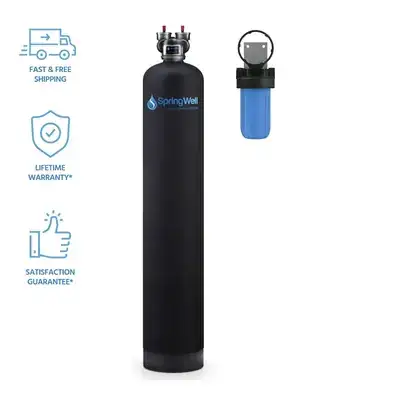
SpringWell WS1 — Best Well Water Filter
Removes iron, manganese, sulfur, and sediment. Lifetime warranty. 6-month money-back guarantee.
Check Price at SpringWell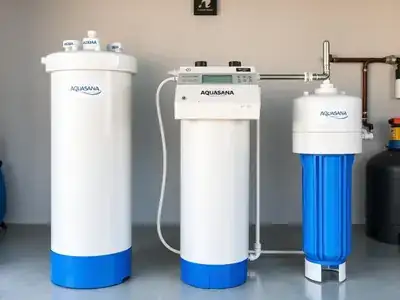
Aquasana Rhino Well — Runner Up
500,000-gallon capacity. UV add-on available. Professional installation option.
Check Price at AquasanaUnderstanding Water Quality Science
Water quality is determined by a complex interplay of dissolved minerals, organic compounds, and potential contaminants that vary significantly by geographic region and water source. Municipal water treatment facilities use multi-stage processes including coagulation, sedimentation, sand filtration, and chemical disinfection to meet EPA Safe Drinking Water Act standards. However, these treatment processes can introduce disinfection byproducts such as trihalomethanes and haloacetic acids, which form when chlorine reacts with naturally occurring organic matter in the source water.
Private well water faces different challenges, as it bypasses municipal treatment entirely and may contain naturally occurring contaminants like arsenic, radon, and heavy metals that leach from surrounding geological formations. The Environmental Protection Agency recommends annual testing for coliform bacteria, nitrates, total dissolved solids, and pH levels for all private wells. Additional testing for volatile organic compounds, pesticides, and heavy metals should be conducted if you live near agricultural areas, industrial sites, or old mining operations. Understanding your specific water chemistry is the critical first step in selecting the most effective filtration system for your household needs.
Total dissolved solids (TDS) measurements provide a general indicator of water purity but should not be the sole basis for filtration decisions. Water with high TDS from beneficial minerals like calcium and magnesium may actually be healthier than ultra-purified water. The World Health Organization has noted that demineralized water may have adverse health effects due to the absence of essential minerals. This is why many advanced filtration systems, particularly reverse osmosis units, now include remineralization stages that add back beneficial minerals after removing contaminants. The ideal approach balances contaminant removal with mineral retention, targeting specific harmful substances identified through comprehensive water testing while preserving the natural mineral content that contributes to both taste and health benefits.