Best Water for Baby Formula
Choose a safe water source for formula, understand extra precautions for higher-risk infants, and compare filters without confusing filtration with safe preparation.
By Jason Carter, Home Water Guide Writer
Check the water and preparation instructions before buying a filter
A filter is not a medical recommendation or a way to sterilize powdered formula.
- Confirm your water source is safe and check any local water advisory.
- Follow the formula label and ask your pediatrician about extra precautions for your infant.
- If treatment is needed, match the exact model’s verified reduction claims to the actual water test.
Quick answer
For most healthy infants, CDC advises using water from a safe source and following the formula container’s directions. Infants younger than 2 months, born prematurely or with weakened immune systems need extra precautions. Powdered formula is not sterile; ordinary bottled water and a household filter do not change that.
Start with a safe water source
Use water known to be safe for drinking. Check your utility’s current notices and water-quality report, and discuss household plumbing concerns such as lead with the utility or health department. Start with cold tap water rather than hot water from the tap.
For private wells, arrange appropriate laboratory testing and ask your health department about bacteria, nitrate and locally relevant contaminants before using the water for infant formula. Do not assume a clear sample or a low TDS reading proves safety.
Sealed bottled water may be a practical alternative when the usual supply is unsafe, but “purified,” “distilled” and “nursery” labels do not mean sterile. Check local emergency guidance and the formula instructions rather than relying on a brand name.
Separate water safety from powder preparation
For most healthy infants, follow the formula container’s preparation directions using water from a safe source. Measure the water first, then add the exact amount of powder. Never dilute formula to make it last longer or add extra powder to make it stronger.
Extra precautions for higher-risk infants
CDC identifies infants younger than 2 months, premature infants and those with weakened immune systems as higher risk. Ask the pediatrician about the appropriate feeding option. For powdered formula, CDC recommends boiling water and waiting about 5 minutes before mixing, so the water remains very hot—about 158°F (70°C). This step addresses germs that may be in the powder, not dissolved water contaminants.
Cool prepared formula safely before feeding. Keep cooling water out of the bottle and test the feeding temperature. Never microwave a bottle because heating can be uneven. Follow any specialized formula instructions with your infant’s clinician.
Ready-to-feed liquid formula is sterile before opening and requires no added water. It may be an appropriate option for higher-risk infants or emergencies; follow its label for handling after opening.
Choose treatment only for an identified problem
Boiling is not a remedy for nitrate, lead, fuel or toxic chemical contamination. During a do-not-drink notice, use the safe alternative specified by officials rather than attempting to boil or filter the water at home.
When a test identifies a chemical concern, verify that the exact filter-and-cartridge combination has a current reduction claim for that contaminant. A reference to NSF/ANSI 53 or 58 does not mean every contaminant is covered. Compare the certified performance sheet, installation conditions and replacement schedule.
Do not rely on an ordinary pitcher or household RO system to make microbiologically unsafe water suitable for formula. A positive bacteria result requires public-health advice, corrective work and appropriate follow-up testing.
Discuss fluoride without assuming RO is necessary
Fluoridated tap water can be used to prepare formula. CDC notes that using it exclusively for formula may increase the chance of mild dental fluorosis. If concerned, ask your child’s clinician or dentist about your water’s fluoride level and total exposure.
Do not automatically buy RO, add mineral drops or give fluoride supplements because of a generic age chart. Formula provides nutrients according to its formulation; follow the label and get individualized advice.
Keep prepared formula within safe handling limits
- Use prepared formula within 2 hours of preparation and within 1 hour after feeding starts.
- If you will not use it within 2 hours, refrigerate promptly and use within 24 hours.
- Discard formula left after feeding; do not refrigerate a partially consumed bottle for later.
- Wash hands and clean bottles, nipples and preparation surfaces. Follow the label’s instructions for opened powder and liquid products.
These CDC limits are not the same as the shelf life of stored drinking water. Follow stricter product-specific instructions when applicable.
Official preparation and water guidance
- CDC formula preparation and storage
- CDC preventing Cronobacter infections
- FDA safe formula handling
- CDC fluoride questions and answers
This is an editorial water guide, not pediatrician-reviewed or individualized medical advice. Your infant’s clinician and local health department are the appropriate sources for situation-specific decisions.
Product options to compare
These are household treatment options, not “safest for babies” endorsements. You may not need a filter when the source is safe. Open the saved deal for current price, model and availability.
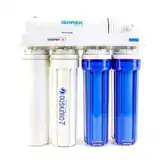
iSpring RCC7AK 6-Stage RO System
iSpring RCC7AK 6-Stage RO System
Under-sink reverse osmosis with a remineralization stage for drinking water. Check pressure, cabinet space and any well-water pretreatment before ordering.
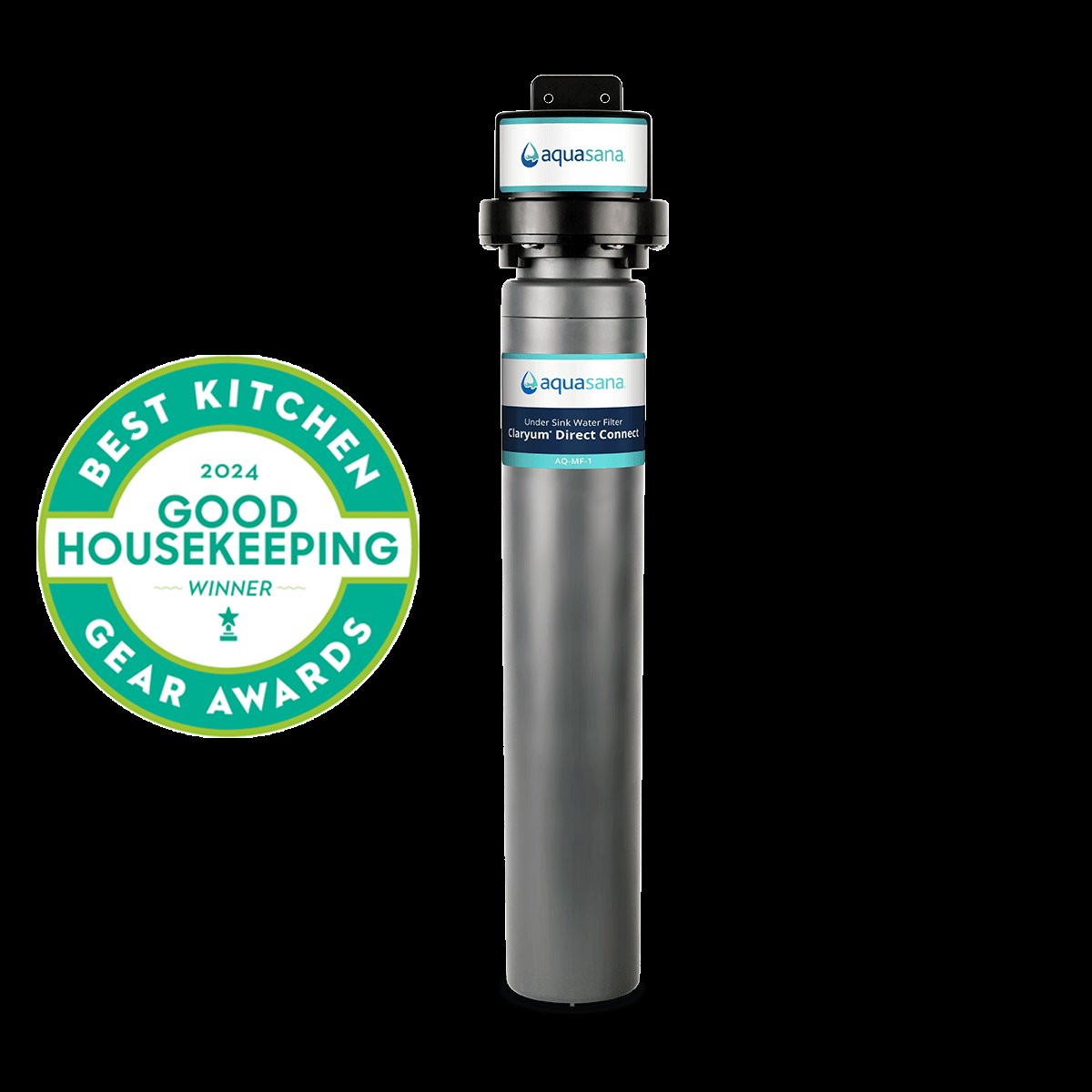
Aquasana Claryum Direct Connect
Aquasana Claryum Direct Connect
Compare a non-RO under-sink option for an identified contaminant covered by its exact performance sheet. Check plumbing fit and cartridge replacement requirements. It is not a disinfectant or a blanket safety solution for infant feeding.
Explore Our Top Picks
Frequently Asked Questions
Related Articles
Our picks for Lead Removal Filters
NSF-certified filters proven to remove lead
Best PFAS Removal Filters
Filters certified to remove forever chemicals
Best Budget Water Filters
Affordable filters under $50 that actually work
Top-rated Emergency Water Filters
Reliable filters for disaster preparedness
See the best Hard Water Filters
Top filters for calcium and magnesium removal
More on Sulfur Smell Removal Guide
Eliminate rotten egg smell from your water