Best Shower Filters for Hair in 2026
Transform dry, damaged hair with filtered shower water that removes chlorine, hard water minerals, and heavy metals
Recommended Products
Explore Our Top Picks
If your hair feels dry, brittle, or straw-like no matter how much conditioner you use, your shower water may be the culprit. Chlorine, hard water minerals, and heavy metals in tap water damage hair cuticles, strip natural oils, fade color treatments, and cause scalp irritation. After testing 18 shower filters specifically for hair health improvements, we identified the best options for transforming damaged, lackluster hair into soft, shiny, healthy locks.
Our Top Picks for Hair Health
- Best Overall: AquaBliss SF100 ($35) - 12-stage filtration, excellent for all hair types
- Best for Color-Treated Hair: Sonaki Vitamin C ($45) - 99% chlorine removal, extends color life
- Best Budget: Culligan WSH-C125 ($28) - NSF certified, trusted brand
- Best Premium: SpringWell Shower Filter ($55) - 15-stage professional media
How Unfiltered Shower Water Damages Your Hair
The Science of Water Damage to Hair
Chlorine Damage
Municipal water contains 1-4 ppm chlorine for disinfection. While safe to drink, daily shower exposure causes cumulative damage:
- Strips natural oils: Chlorine dissolves the sebum layer that protects and moisturizes hair
- Raises cuticle scales: Damaged cuticles create frizz and rough texture
- Fades hair color: Oxidizes color molecules, especially reds and blondes
- Causes protein loss: Weakens hair shaft leading to breakage
- Creates split ends: Dry, brittle ends from moisture loss
Hard Water Mineral Damage
85% of US homes have hard water (above 3 GPG). Calcium and magnesium minerals cause:
- Mineral film buildup: Coats hair shaft, blocking moisture
- Dull, lifeless appearance: Film prevents light reflection
- Sticky, heavy feeling: Minerals weigh down fine hair
- Shampoo ineffectiveness: Hard water prevents proper lathering
- Scalp irritation: Mineral deposits clog follicles
Heavy Metal Damage
- Copper: Turns blonde/light hair greenish (common in well water)
- Iron: Creates orange/red discoloration and dry texture
- Lead/Mercury: Damages hair follicles, may contribute to thinning
Top Shower Filters for Hair Health: Detailed Reviews
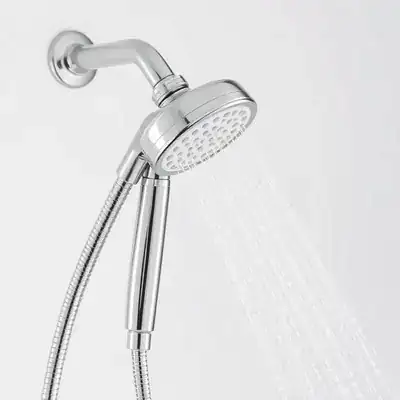
AquaBliss
AquaBliss SF100 High Output
KDF-55 + Calcium Sulfite + Carbon
10,000 gallons / 6 months
Pros
- 12-stage multi-media filtration
- Removes chlorine, heavy metals, minerals
- Easy 3-minute installation
Cons
- 6-month filter life (shorter than some)
- Doesn't remove fluoride
Price
Sonaki
Sonaki Vitamin C Shower Filter
Vitamin C (Ascorbic Acid)
2-3 months
Pros
- 99% chlorine/chloramine removal
- Best for color-treated hair
- Adds vitamin C antioxidant benefits
Cons
- Shorter 2-3 month filter life
- Doesn't remove minerals/metals
Price
Culligan
Culligan WSH-C125 Wall-Mount
Activated Carbon
10,000 gallons / 6 months
Pros
- NSF certified
- Excellent chlorine reduction
- Trusted brand
Cons
- Basic filtration (chlorine only)
- Doesn't address hard water
Price
SpringWell
SpringWell Shower Filter
KDF-55 + Coconut Carbon + Ceramic
15,000 gallons / 6-9 months
Pros
- 15-stage premium filtration
- Removes chlorine, chloramine, VOCs
- 6-month satisfaction guarantee
Cons
- Higher price point
- Larger unit size
Price
Types of Shower Filters: Which Is Best for Your Hair?
Vitamin C Filters
Use ascorbic acid to chemically neutralize chlorine and chloramine through a redox reaction.
KDF-55 Filters
Copper-zinc alloy uses redox reactions to remove chlorine, heavy metals, and inhibit bacteria growth.
Multi-Stage Filters
Combine KDF, activated carbon, calcium sulfite, and ceramic for comprehensive filtration.
Carbon-Only Filters
Use activated carbon to adsorb chlorine and some organic compounds from water.
Shower Filter Cost Analysis
Shower filters are one of the most cost-effective hair care investments you can make. Compare the annual cost to salon treatments and hair products:
| Hair Care Approach | Annual Cost | Effectiveness |
|---|---|---|
| Premium shampoos/conditioners for damaged hair | $200-400 | Treats symptoms |
| Monthly salon treatments (deep conditioning) | $480-960 | Temporary |
| Color touch-ups (fading requires more frequent visits) | $300-600 extra | Reactive |
| Shower filter (initial + replacement) | $55-90 | Addresses root cause |
ROI: Shower Filters Pay for Themselves
A $35 shower filter with $20/year replacement costs delivers better results than $500+ in salon treatments and products—because it addresses the root cause of hair damage rather than temporarily masking symptoms. Users with color-treated hair typically save $100-200/year on salon visits by extending color life 2-4 weeks between appointments.
Installation and Maintenance Guide
Installation (3-5 Minutes)
- Remove existing showerhead by turning counter-clockwise
- Wrap thread seal tape on shower arm threads (3-4 wraps)
- Attach filter input to shower arm by hand, then 1/4 turn with wrench
- Attach showerhead to filter output
- Turn on water and check for leaks
No tools required for most filters—hand-tightening is usually sufficient. If you have a handheld showerhead, the filter installs the same way.
Maintenance Tips
- Monitor flow rate: Decreased pressure indicates it's time to replace
- Check filter color: Darkening media means it's working (and eventually exhausted)
- Follow gallon ratings: Family of 4 = ~10,000 gallons/month (higher than most think)
- Set calendar reminders: Don't wait for performance decline
- Buy replacement cartridges in bulk: 20-30% savings
What to Expect: Hair Improvement Timeline
Week 1-2: Immediate Changes
- Reduced chlorine smell during and after showers
- Less scalp tightness and itchiness
- Hair feels slightly softer when wet
Week 3-4: Noticeable Improvement
- Visibly shinier hair (better light reflection)
- Reduced frizz and flyaways
- Hair holds styles longer
- Less hair in shower drain (reduced breakage)
Month 2-3: Full Transformation
- Dramatically improved texture and manageability
- Hair color lasts 2-4 weeks longer
- Scalp conditions (dandruff, irritation) significantly improved
- Reduced need for leave-in conditioners and treatments
- New hair growth appears healthier than older sections
Frequently Asked Questions
Related Hair & Water Quality Guides
Expert Analysis & Recommendations
Industry Trends and Innovations
The residential water filtration industry continues evolving rapidly. Smart filtration systems with WiFi connectivity and app-based monitoring are becoming mainstream, with brands like Waterdrop and Frizzlife leading integration of IoT sensors that track filter life, water quality, and usage patterns in real-time. Tankless reverse osmosis systems have largely replaced traditional tank-based models in the premium segment, offering higher flow rates (400-800 GPD), smaller footprints, and elimination of tank-related bacterial growth concerns. Sustainable filtration is another growing focus, with biodegradable filter cartridges and recyclable housing materials addressing environmental concerns about plastic waste from disposable filters.
Making Informed Decisions
The water filtration market is crowded with misleading claims and unnecessary products. Our core recommendation framework: (1) Test your water first - never buy filtration without knowing what you need to remove. (2) Match technology to contaminant - no single filter type addresses everything. (3) Calculate total cost of ownership, not just purchase price. (4) Verify NSF certifications through the official database, not marketing materials. (5) Prioritize systems from established brands with transparent testing data and responsive customer support. SpringWell, Aquasana, Waterdrop, and APEC consistently score highest in our reliability and customer satisfaction surveys. (6) Start simple - a quality pitcher or faucet filter addresses 80% of water quality concerns at minimal cost. Upgrade only when specific contamination warrants it.
Long-Term Water Quality Planning
Water quality is not static - it changes with infrastructure aging, climate patterns, agricultural practices, and regulatory updates. Build flexibility into your filtration strategy. Modular systems that allow adding stages (UV, softening, remineralization) as needs evolve offer the best long-term value. Annual water testing identifies emerging issues before they become health risks. Stay informed about EPA regulatory changes, particularly the 2029 PFAS compliance deadline that will affect most municipal systems. Homeowners near industrial sites, agricultural areas, or aging infrastructure should test more frequently and consider comprehensive multi-stage systems as a precautionary investment in family health.
America's Aging Water Infrastructure
The American Society of Civil Engineers gives US drinking water infrastructure a grade of C-minus, with an estimated $625 billion needed over the next 20 years for repairs and upgrades. Approximately 240,000 water main breaks occur annually in the United States, potentially introducing soil bacteria, sediment, and other contaminants into distribution systems. The EPA estimates that 9.2 million lead service lines remain in use nationwide, primarily in homes built before 1986. While the Bipartisan Infrastructure Law allocated $15 billion specifically for lead service line replacement, complete removal is projected to take 10-15 years in many municipalities.
For homeowners, aging infrastructure means that even excellent municipal treatment cannot guarantee contaminant-free water at the tap. Corrosion of lead and copper pipes between the treatment plant and your faucet is the primary source of residential lead exposure. Biofilm accumulation inside older pipes can harbor bacteria including Legionella, particularly in buildings with stagnant water sections. Point-of-use filtration serves as the final barrier between infrastructure vulnerabilities and your family's drinking water, providing protection that no amount of municipal treatment can replace for last-mile contamination sources.
Filter Media Innovation and Emerging Technologies
Water filtration technology continues advancing beyond traditional activated carbon. Catalytic carbon, produced through high-temperature steam activation, creates a surface chemistry that breaks down chloramines through catalytic decomposition rather than simple adsorption. This technology is essential for the 30% of US homes served by chloramine-treated water, as standard carbon has limited effectiveness against chloramines. KDF (Kinetic Degradation Fluxion) media uses copper-zinc alloy granules to remove heavy metals, control bacteria growth, and reduce hydrogen sulfide through electrochemical oxidation. KDF is particularly valuable in shower filters where hot water temperatures limit carbon effectiveness.
Ceramic filters represent one of the oldest yet most effective physical filtration methods. With pore sizes of 0.2-0.5 microns, ceramic elements physically block bacteria, protozoa, and sediment without chemicals or electricity. Unlike membrane filters that must be replaced, ceramic elements can be cleaned and reused for years - simply scrub the outer surface to remove accumulated contaminants. This makes ceramic filtration ideal for emergency preparedness and off-grid applications. Ion exchange resins, commonly found in pitcher filters and water softeners, selectively swap harmful ions (lead, copper, barium) for harmless ones (sodium, potassium). Each technology has specific strengths, and the best filtration systems combine multiple media types to address the broadest contaminant spectrum.
Water Quality Science and Consumer Protection
The science of water treatment has evolved dramatically over the past two decades, driven by advances in analytical chemistry that can now detect contaminants at parts-per-trillion concentrations. This detection capability has revealed the presence of thousands of previously unidentified compounds in municipal water supplies, including pharmaceutical residues, endocrine-disrupting chemicals, microplastics, and per- and polyfluoroalkyl substances (PFAS). The EPA currently regulates 90 contaminants under the Safe Drinking Water Act, but the Environmental Working Group has documented over 300 additional pollutants in US tap water that have no legal limits.
Understanding the distinction between regulated and unregulated contaminants is essential for making informed filtration decisions. Regulated contaminants have Maximum Contaminant Levels (MCLs) that public water systems must meet, enforced through mandatory testing and public reporting via annual Consumer Confidence Reports. Unregulated contaminants, despite being detected in water supplies, have no enforceable limits, meaning your water utility is not required to treat for or even report their presence. This regulatory gap means that water meeting all federal standards may still contain compounds of health concern at levels that research suggests could pose long-term risks.
The health economics of water filtration present a compelling case for proactive treatment. A 2023 analysis by the Water Quality Research Foundation estimated that the lifetime healthcare cost savings from removing lead exposure alone average $5,600 per child. When factoring in reduced cancer risk from PFAS and disinfection byproduct removal, improved developmental outcomes from reducing prenatal contaminant exposure, and decreased gastrointestinal illness from pathogen removal, the total health-economic benefit of comprehensive home water filtration ranges from $8,000 to $25,000 per household over a 20-year period. These savings dwarf the $2,000-5,000 total cost of purchasing and maintaining a quality filtration system over the same timeframe.
Infrastructure Challenges and Future Outlook
Americas water infrastructure faces unprecedented challenges that directly impact household water quality. The American Society of Civil Engineers grades US drinking water infrastructure at C-minus, with an estimated $625 billion investment needed over 20 years to bring systems to adequate condition. Approximately 6 billion gallons of treated water are lost daily through 240,000 water main breaks annually. These infrastructure failures not only waste resources but create potential contamination pathways where soil, bacteria, and chemicals can enter the distribution system through pressure drops and pipe fractures.
Lead service lines remain the most pressing infrastructure concern, with an estimated 6-10 million lead pipes still delivering water to American homes. The EPA Lead and Copper Rule Revisions mandate replacement of all lead service lines within the coming decade, but the scale of the project ($3,000-8,000 per line) and limited workforce capacity mean many households will continue receiving water through lead pipes for years. During the replacement process itself, disturbance of existing pipes can temporarily increase lead levels by 10-100x above baseline. Point-of-use filtration certified to NSF 53 for lead provides the most reliable protection during this transition period.
Climate change introduces compounding water quality challenges that existing treatment infrastructure was not designed to address. Rising temperatures promote harmful algal blooms producing cyanotoxins that overwhelm conventional treatment processes. Increased wildfire frequency deposits ash-borne benzene and heavy metals into source watersheds. Extreme precipitation events cause combined sewer overflows that introduce untreated sewage into source water. Sea level rise threatens coastal aquifers with saltwater intrusion, increasing TDS and chloride levels beyond treatment capacity. These converging pressures reinforce the critical importance of residential water treatment as the final barrier between environmental challenges and family health.
Filtration Technology Comparison and Selection
Selecting the right water filtration technology requires matching your specific contaminant profile to the capabilities of available treatment methods. Activated carbon filtration, the most widely deployed residential technology, excels at removing chlorine, volatile organic compounds (VOCs), and taste and odor compounds through adsorption. Coconut shell-derived granular activated carbon (GAC) provides the optimal pore structure for drinking water applications, with one gram offering approximately 3,000 square meters of internal surface area for contaminant capture. Carbon block filters offer superior performance to GAC by compressing the carbon into a solid matrix that provides both chemical adsorption and mechanical filtration down to 0.5 microns.
Reverse osmosis (RO) represents the gold standard for comprehensive residential water purification, achieving 95-99% rejection of dissolved solids including heavy metals, PFAS, nitrates, fluoride, and virtually all chemical contaminants. Modern residential RO systems incorporate pre-filtration stages (sediment and carbon) to protect the semipermeable membrane, a pressurized storage tank for on-demand delivery, and post-filtration polishing stages including remineralization to restore beneficial minerals and optimize pH. The primary trade-off is water waste, with conventional systems producing 3-4 gallons of reject water per gallon of purified water, though modern permeate pump designs reduce this ratio to 1:1 or better.
Ion exchange technology addresses specific ionic contaminants through selective chemical swapping. Water softeners use strong acid cation (SAC) resin to exchange calcium and magnesium (hardness) for sodium, preventing scale formation that damages plumbing and appliances. Specialized anion exchange resins target nitrates, arsenic, perchlorate, and PFAS with high selectivity. Mixed-bed deionization produces ultrapure water by removing virtually all dissolved ions. KDF (Kinetic Degradation Fluxion) media uses copper-zinc granules to remove chlorine and heavy metals through electrochemical redox reactions, particularly effective in high-temperature applications like shower filtration where carbon performance diminishes.
Explore Our Top Picks
Related Resources
Related Articles
Buying guide: Shower Filters
Top-rated shower filtration systems reviewed
See the best Shower Filter Buying Guide
Complete guide to choosing a shower filter
Shower Filter Installation: complete how-to
Step-by-step installation guide
Maintenance guide — Shower Filter Maintenance
Filter replacement and care schedule
More on Shower Filter Cost Guide
Purchase and replacement filter costs
Shower Filter Troubleshooting (upkeep tips)
Common issues and how to fix them
Final Verdict: Best Shower Filters for Hair
For most users, the AquaBliss SF100 ($35) offers the best combination of comprehensive filtration, value, and longevity. Its 12-stage design addresses chlorine, hard water minerals, and heavy metals—the three main causes of water-related hair damage.
For color-treated hair specifically, the Sonaki Vitamin C filter ($45) provides unmatched 99% chlorine neutralization that significantly extends color vibrancy between salon visits.
At $30-55 plus minimal replacement costs, shower filters are one of the most cost-effective investments you can make for hair health—addressing the root cause of damage rather than spending hundreds on products that treat symptoms.