Step 1: Get a chromium-6 result
- On city water, read your annual water quality report and ask the utility whether it has a hexavalent chromium result.
- On a well, ask a certified lab for hexavalent chromium specifically.
- Compare against both limits: EPA's 100 ppb for total chromium and California's 10 ppb for chromium-6.
EPA explains its ongoing review on its chromium in drinking water page. Sources and health effects are covered in chromium-6 in drinking water.
Step 2: Match treatment to your result
| Your situation | Usual treatment | Watch out for |
|---|---|---|
| Drinking and cooking water | Under-sink RO with a hexavalent chromium claim | Treats one tap; sends some water to drain |
| Whole house | Anion exchange sized by a water treatment pro | Sulfate and nitrate compete; resin needs regeneration |
| Small batches, no plumbing changes | Countertop distiller | Slow and uses electricity |
| Result below California's 10 ppb | Optional; retest every year | Levels can change with the source water |
Chlorine in city water can turn chromium-3 into chromium-6 in the pipes, so a low result at the plant may not match your tap. Test the water you actually drink.
RO systems to compare for chromium-6
These under-sink RO systems treat drinking and cooking water. Check the listing for a hexavalent chromium claim before you buy.
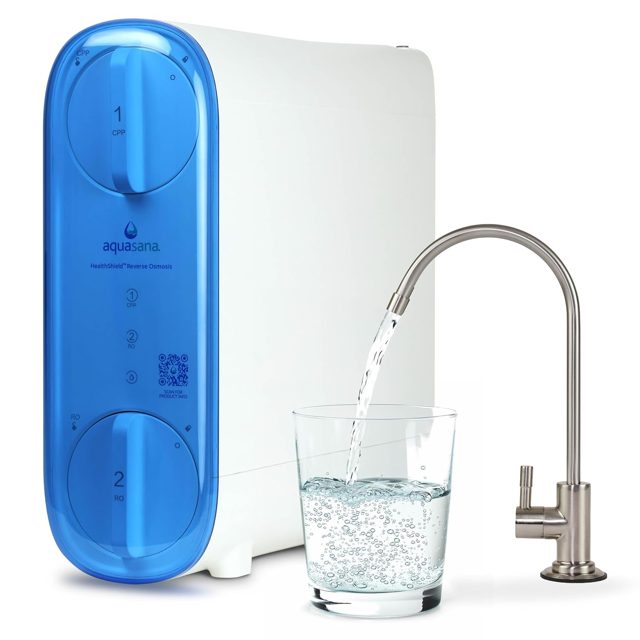
Aquasana Tankless Reverse Osmosis System (800 GPD)
Aquasana Tankless Reverse Osmosis System (800 GPD)
Aquasana's performance data sheet for this tankless model (AQ-HSRO800) lists 95.25% hexavalent chromium and 99.65% trivalent chromium reduction under NSF/ANSI 58, plus lead, arsenic V and fluoride reduction.
Compare sizing, treatment options and ongoing costs in our best reverse osmosis systems guide.
iSpring RCC7AK 6-Stage RO System
iSpring RCC7AK 6-Stage RO System
A lower-cost under-sink RO system with a remineralization stage. NSF's listing for this model names TDS reduction, not chromium-6, so treat any chromium result as unconfirmed and lab-test the RO tap after installing.
Compare sizing, treatment options and ongoing costs in our best reverse osmosis systems guide.
Step 3: Install and maintain it
- Install RO at the kitchen tap you use for drinking and cooking.
- Change pre-filters and carbon stages on schedule; they protect the membrane that does most of the work.
- For anion exchange, keep up with salt and regeneration, and ask the installer how sulfate in your water affects capacity.
Step 4: Retest the treated water
Test the treated tap for hexavalent chromium after installing, then once a year. Use the same lab and method so the before and after numbers compare.
What doesn't remove chromium-6
- Boiling slightly concentrates it.
- Water softeners don't target chromium-6.
- Standard carbon pitchers and fridge filters aren't designed for it unless the listing names it.
Bottom line
Get a hexavalent chromium result first. If you want it lower, treat drinking water with RO that lists hexavalent chromium reduction and confirm with a retest. Read the background in chromium-6 in drinking water and the Erin Brockovich case, and compare full rankings in our best reverse osmosis systems guide.