Why Does My Shower Water Feel Slimy?
A slippery rinse after installing a softener is often normal. Visible slime, an unusual odor or a sudden change is a different problem—here’s how to tell them apart.
Diagnose the feeling before buying equipment
If your water is already softened, another filter is unlikely to change its slippery feel. Start with soap use and a hardness check.
- Notice whether the sensation is on your skin or a visible layer on fixtures.
- Test hardness before and after the softener; keep its settings matched to measured incoming water.
- Investigate new odor, color changes or persistent buildup separately, especially on a private well.
Quick Answer
- Slippery skin with softened water: Try less soap. Removing hardness changes lather and rinse feel.
- Visible slime on a showerhead or grout: Clean the surface and investigate recurring buildup; this is not simply “soft water.”
- Pool-like smell: Chlorine may be a separate issue. A shower filter does not restore hardness.
- Sudden change or unusual odor: Check the water source, fixtures and treatment system before buying a product.
What Is Actually Causing the Feeling?
Softened water
Ion exchange removes calcium and magnesium. Soap forms less mineral scum and can lather differently, so the rinse feels unfamiliar compared with hard water.
Too much cleanser
The amount of soap you used with hard water may be more than you need now. Body washes, shampoos and conditioners can also leave different sensations.
Fixture buildup
A coating on wet surfaces can be soap residue or biofilm. It needs cleaning and investigation if persistent; a skin sensation and a visible layer are not the same diagnosis.
A separate water issue
New odors, discoloration or a sudden change unrelated to soap deserve a source and plumbing check. Touch alone cannot identify a contaminant.
For background, read how to soften hard water, hard-water spots on dishes and dry or itchy skin after washing. Neither slippery skin nor scale tells you whether drinking water meets safety requirements.
Check Your Home Before Changing Treatment
| What you notice | Check first | Next step |
|---|---|---|
| Slippery only while washing | Recent softener installation and amount of soap | Use less cleanser; measure treated hardness |
| Visible film on fixtures | Soap residue, cleaning routine and recurring growth | Clean per fixture instructions; investigate persistence |
| Only hot water changed | Water heater and hot-side plumbing | Ask a plumber to inspect the hot-water system |
| Both hot and cold water changed | Supply notices and treatment-system operation | Contact utility or arrange source-appropriate testing |
| Odor or unusual color | Whether it occurs at one tap or throughout the home | Investigate separately; follow any water advisory |
Use a hardness test—not a TDS meter—to compare the water before and after a softener. For city water, your utility’s annual report helps explain the source; it does not diagnose residue on your shower fixtures. For well water, select lab tests based on the source and any new symptoms.
Our test-kit guide, chlorine smell article and chloramine versus chlorine guide can help separate the issues.
Simple Fixes for Soft-Water Slipperiness
- Use less soap. Reduce your usual amount gradually and rinse normally. More cleanser can mean more residue, not a cleaner result.
- Try a different cleanser. Fragrance, conditioning ingredients and product formulation can affect skin feel. Persistent irritation is a reason to seek medical advice, not a reason to buy a filter blindly.
- Keep the softener correctly programmed. Source hardness settings usually govern regeneration. Do not deliberately understate hardness or improvise bypass adjustments; consult the manual or installer about approved blending.
- Clean actual buildup. Follow the fixture and cleaning-product instructions. Never mix cleaning chemicals, and investigate slime that repeatedly returns.
A shower filter is not a hardness-control valve. A kitchen RO system or water pitcher cannot change shower water at all.
Product Options—Only for a Matching Need
You may not need new equipment. These options address scale or a separate chlorine concern; none is a universal fix for slippery skin. Check current prices, sizing and exact-model performance before purchasing.
Scale control without true softening
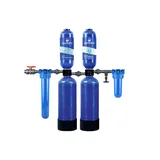
Aquasana Rhino Whole House Salt-Free Water Conditioner
Aquasana Rhino Whole House Salt-Free Water Conditioner
Consider a salt-free conditioner if your goal is scale control while retaining hardness minerals. It does not create truly soft water, remove biofilm or guarantee a particular skin feel. Discuss the trade-off before replacing an existing softener.
Compare sizing, treatment options and ongoing costs in our best water softeners and conditioners guide.
A separate chlorine concern at the shower
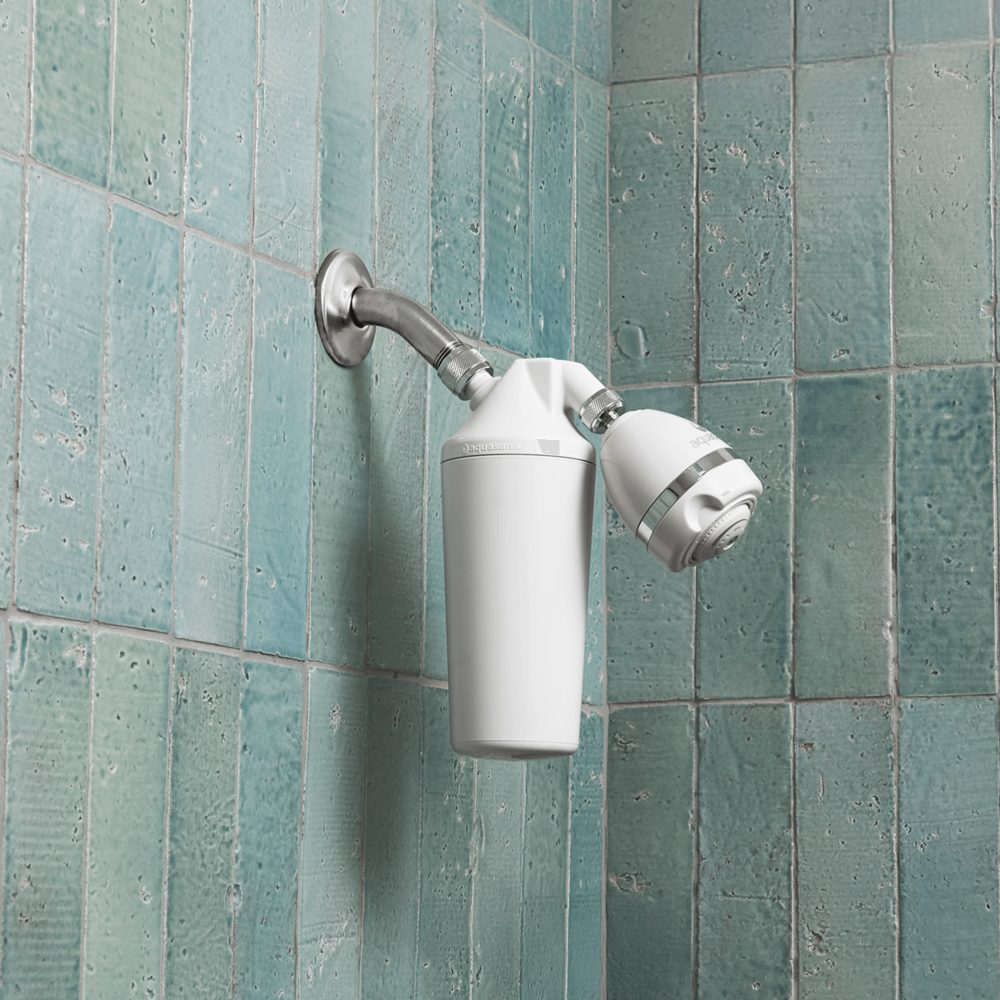
Aquasana Standard Shower Head Filter
Aquasana Standard Shower Head Filter
Consider this only when chlorine is a separate concern and its current performance listing matches your needs. It does not soften hard water, restore minerals to softened water or treat visible slime. Do not assume a chlorine claim also covers chloramine.
Compare installation and replacement costs in our best shower filters guide.
Confirmed hard water—not already-softened water
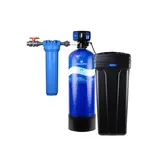
Aquasana SimplySoft 60,000 Grain Softener with LM Pre-Filter
Aquasana SimplySoft 60,000 Grain Softener with LM Pre-Filter
A salt-based softener is an option when testing confirms hardness and you want true hardness removal. It is not a fix for an already-softened shower's slippery sensation and may produce that same soft-water feel. Size it for measured hardness and household demand.
Compare sizing, treatment options and ongoing costs in our best water softeners and conditioners guide.
When to Get Professional Help
Contact a plumber or treatment installer for leaks, regeneration faults, unexplained changes after servicing or a hot-water-only issue. Contact your utility for a sudden supply change. On a private well, persistent slime or unusual odor warrants source-appropriate laboratory testing and inspection rather than an automatic filter purchase.
Do not diagnose safety by touch
Follow any boil-water or do-not-use advisory. A softener or ordinary shower filter is not a substitute for correcting a confirmed microbial problem. Review well-water treatment options only after identifying what needs treatment.
Explore Our Top Picks
Frequently Asked Questions
Why does soft water feel slippery in the shower?
Softened water contains less calcium and magnesium, so soap behaves differently and forms less of the mineral soap scum associated with hard water. That can leave skin feeling unusually slick. The sensation alone does not prove contamination or that soap has failed to rinse away; try using less cleanser first.
Is slippery softened water dangerous?
A slippery skin sensation by itself is not a water-safety test and is commonly noticed after softening. If water also changes color, develops an unusual odor or has a visible slime layer, investigate separately. Follow any utility advisory and arrange appropriate testing rather than judging safety by touch.
How do I tell soft water from actual slime?
Soft-water slipperiness is generally a sensation on skin during washing. Biofilm or buildup is a visible or touchable layer on the showerhead, grout, drain or other wet surfaces. Clean the affected fixture according to its instructions and investigate persistent growth or changes in the water supply.
Should I lower my softener's hardness setting?
Do not lower the programmed source-water hardness just to change how the shower feels. That setting usually controls regeneration needs, not a target level of slipperiness. Measure incoming hardness and follow the manual; ask the installer about manufacturer-approved blending if you want some hardness retained.
Will a shower filter stop the slippery feeling?
A typical shower filter is intended for specified chlorine or other reduction claims, not to restore hardness minerals to softened water. It will not normally undo the soft-water feel. Consider one only when a separate chlorine issue matches the exact filter's documented performance.
Can a pitcher or under-sink RO system fix my shower water?
No. A pitcher treats the water poured through it, and an under-sink RO system treats its connected drinking-water outlet. Neither changes the water at your shower. Choose shower or whole-house treatment only for a confirmed issue, and avoid buying drinking-water equipment for this symptom.
Does a salt-free conditioner create the same soft-water feel?
A salt-free scale conditioner does not remove calcium and magnesium the way an ion-exchange softener does. Water remains hard, so it generally does not produce the same change in soap behavior. It may suit scale-control goals, but it is not a replacement for true hardness removal.
Should I buy a new softener because my shower feels slimy?
Not usually. Start by using less soap and testing water hardness before and after your current system. A new softener is appropriate only if you have confirmed hardness and need treatment or replacement equipment. Adding another softener is not a remedy for water that is already softened.
Why does hotel shower water feel different?
The hotel may use softened water, or its source-water hardness and your usual toiletries may differ from those at home. A change in soap lather and rinse feel is common. Ask the hotel about treatment if you are concerned, especially if you notice an unusual odor, discoloration or visible residue.
When should I call a plumber or water-treatment professional?
Call if the change is sudden and unexplained, the softener is leaking or malfunctioning, or the problem occurs only in hot water. Persistent visible slime, odor or discoloration also needs investigation. Private-well owners should arrange appropriate laboratory testing when contamination is suspected.
What should I test first?
For slippery skin after softening, begin with hardness measurements before and after the softener. A TDS meter is not a hardness test or a microbial safety test. If other symptoms are present, choose laboratory tests suited to the water source and symptoms rather than a generic one-size-fits-all panel.
Can softened water still cause soap residue?
Yes. Using more cleanser than needed can leave residue even with softened water, and product formulations behave differently. Reduce the amount gradually and rinse normally. If an itchy rash or irritation persists, consider the cleanser and seek medical advice rather than assuming a water filter will treat the skin condition.
Related Articles & Guides
See the best Lead Removal Filters
NSF-certified filters proven to remove lead
Buying guide: PFAS Removal Filters
Filters certified to remove forever chemicals
Best Budget Water Filters
Affordable filters under $50 that actually work
Best Emergency Water Filters
Reliable filters for disaster preparedness
See the best Hard Water Filters
Top filters for calcium and magnesium removal
Read: Sulfur Smell Removal Guide
Eliminate rotten egg smell from your water