Brita Pitcher Models Compared: Find Your Perfect Match
Expert comparison of all Brita pitcher models to help you choose the right size and features for your household
Quick Comparison Overview
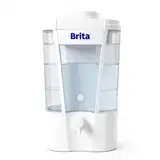
Brita UltraMax
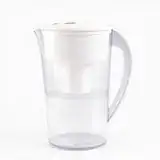
Brita Everyday
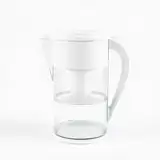
Brita Metro
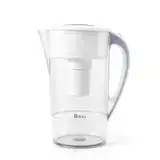
Brita Stream
Detailed Specifications
| Feature | Brita UltraMax | Brita Everyday | Brita Metro | Brita Stream |
|---|---|---|---|---|
| Capacity | 18 cups | 10 cups | 5 cups | 10 cups |
| Design Type | Dispenser | Pour-through | Compact pitcher | Filter-as-you-pour |
| Filter Speed | ~10 min | ~10 min | ~5 min | Instant |
| Elite Compatible | ||||
| Filter Indicator | ||||
| Dishwasher Safe | Yes (except lid) | Yes (except lid) | Yes (except lid) | Yes (except lid) |
| BPA Free | ||||
| Price | $36 | $25 | $20 | $27 |
| Buy Now | View on Amazon | View on Amazon | View on Amazon | View on Amazon |
Performance Analysis
Complete Cost Analysis
A transparent look at upfront price, annual upkeep, and 5-year total cost for the top brita pitchers
5-Year Total Cost of Ownership
Which Brita Pitcher Is Right for You?
Choose UltraMax If:
- You have a family of 4+ people
- You want to store it in the refrigerator
- You prefer a dispenser design
- You want maximum Elite filter benefits
Choose Everyday If:
- You have 2-4 people in your household
- You want a traditional pitcher design
- You need portability for table service
- You want best value for money
Choose Metro If:
- You live alone or have 1-2 people
- You have very limited space
- You want the most affordable option
- Perfect for dorms or small apartments
Choose Stream If:
- You need instant filtered water
- You're always in a hurry
- Your water quality is already decent
- You mainly want better taste/odor
Understanding Brita Filter Options
Elite Filter
Lifespan: 120 gallons (6 months)
Removes:
- 99% Lead
- Chlorine (taste/odor)
- Mercury, Cadmium, Copper
- Benzene, Asbestos
Compatible with UltraMax, Everyday, Metro
Standard Filter
Lifespan: 40 gallons (2 months)
Removes:
- Chlorine (taste/odor)
- Mercury
- Copper, Zinc
- No lead reduction
Compatible with all Brita pitchers
Stream Filter
Lifespan: 40 gallons (2 months)
Removes:
- Chlorine (taste/odor)
- Particulates
- No lead/mercury reduction
- Basic filtration only
Only compatible with Stream pitchers
For maximum protection, always choose Elite filters. Learn more about proper filter maintenance and replacement schedules.
Frequently Asked Questions
What's the difference between Brita UltraMax and Everyday pitcher?
The UltraMax holds 18 cups (perfect for families) with a dispenser design, while the Everyday holds 10 cups with a traditional pour-through design. Both use the same Elite filters, but UltraMax is better for larger households and refrigerator storage, while Everyday is more compact and portable.
Is Brita Stream faster than regular Brita pitchers?
Yes! Brita Stream uses a unique filter-as-you-pour design that's 10x faster than traditional Brita pitchers. You can pour immediately without waiting, making it ideal for busy households. However, it removes fewer contaminants compared to Elite or Standard filters.
Which Brita pitcher has the best filtration?
All Brita pitchers using Elite filters (UltraMax, Everyday, Metro with Elite) offer the best filtration, removing lead, chlorine, mercury, and other contaminants. The key difference is filter type, not pitcher model. Choose Elite filters for maximum protection.
How often do I need to replace Brita pitcher filters?
Standard filters last 40 gallons (2 months), Elite filters last 120 gallons (6 months), and Stream filters last 40 gallons (2 months). The filter indicator on most models will remind you when it's time to replace. Learn more in our filter maintenance guide.
Can I use Elite filters in any Brita pitcher?
Elite filters work in UltraMax, Everyday, Grand, Metro, and most standard Brita pitchers. They do NOT work in Stream pitchers (which require Stream-specific filters) or dispensers with different housing. Check compatibility before purchasing.
Does the Brita UltraMax fit in a refrigerator?
Yes, the UltraMax is designed to fit in most refrigerator doors or shelves despite its 18-cup capacity. Its slim dispenser design is specifically engineered for refrigerator storage. Measure your fridge shelf/door space before purchasing.
What contaminants do Brita Elite filters remove?
Brita Elite filters are NSF certified to remove lead (99%), chlorine taste/odor, mercury, cadmium, benzene, and asbestos. They do NOT remove fluoride, PFAS, bacteria, or TDS. For those contaminants, consider Clearly Filtered or RO systems.
Is Brita Metro too small for families?
At 5 cups, Metro is best for singles or couples. A family of 4 would need to refill 4-6 times daily. For families, choose Everyday (10 cups) or UltraMax (18 cups). Metro excels for apartments, dorm rooms, and office desks.
Why does my new Brita water taste strange?
New carbon filters release fine carbon dust initially. Always flush new filters by discarding the first 2-3 pitcher fills. If strange taste persists after flushing, ensure the filter is properly seated. Unusual taste after weeks of use indicates it's time to replace.
Are Brita pitchers BPA-free?
Yes, all current Brita pitchers are BPA-free. They use food-grade plastics that don't leach harmful chemicals. This includes UltraMax, Everyday, Metro, and Stream models. Older models (pre-2010) may not be BPA-free.
How do I clean my Brita pitcher?
Hand wash with mild dish soap weekly. Remove the filter first—never wash the filter with soap. Most Brita pitchers (except lids) are top-rack dishwasher safe. Vinegar soak monthly removes mineral buildup. Replace if you notice mold or persistent odor.
Which Brita pitcher is best for hard water?
No Brita pitcher significantly reduces hardness (TDS). All models improve taste by removing chlorine. For hard water areas, expect more frequent filter replacements and possible mineral buildup. Consider a water softener for true hardness reduction.
Understanding Brita Filter Technologies
Filter Type Deep Dive
Elite Filters (Premium Option)
Brita's most advanced filtration technology, compatible with UltraMax, Everyday, and Metro pitchers. Elite filters last 120 gallons (6 months) - 3x longer than standard filters.
- Lead Removal: 99% reduction (NSF 53 certified) - critical for Flint and older homes
- Chlorine Taste/Odor: Superior removal vs standard - better than PUR filters
- Mercury & Cadmium: Heavy metal protection
- Cost Efficiency: $8/month vs $12/month for standard filters
Standard Filters (Budget Option)
The original Brita technology, lasting 40 gallons (2 months). Still effective for basic chlorine removal and taste improvement.
- Chlorine Reduction: Effective for municipal water taste
- Zinc & Copper: Basic heavy metal reduction
- Lead: Not certified for lead removal (upgrade to Elite needed)
- Cost: Higher long-term cost due to frequent replacements
Stream Filters (Speed-Focused)
Unique filter-as-you-pour design offering instant filtration. Trade-off: speed vs comprehensive contaminant removal. Not compatible with Elite technology.
- Speed: 10x faster than traditional pitchers - no waiting
- Chlorine: Effective taste/odor reduction
- Lead/Heavy Metals: Limited protection - not recommended for lead concerns
- Capacity: 40 gallons like standard (shorter than Elite)
5-Year Cost Analysis: Brita vs Alternatives
Total Cost Comparison (Family of 4)
| System | Pitcher Cost | Annual Filters | 5-Year Total |
|---|---|---|---|
| Brita UltraMax (Elite) | $36 | $96 | $516 |
| Brita Everyday (Standard) | $25 | $144 | $745 |
| PUR Ultimate | $35 | $120 | $635 |
| Clearly Filtered | $70 | $200 | $1,070 |
| ZeroWater | $40 | $180 | $940 |
| Under-Sink Filter | $200 | $80 | $600 |
Best Value Winner
Brita UltraMax with Elite filters: Lowest 5-year cost among pitchers at just $516. Elite filters' 6-month lifespan beats all competitors on cost-per-gallon.
Performance Winner
Clearly Filtered: Highest contaminant removal but 2x cost. Worth it for PFAS removal and hard water areas.
Setup & Maintenance Guide
Initial Setup (5 Minutes)
- 1.Wash pitcher: Use warm soapy water for all components except filter. Dishwasher safe (top rack, except lid electronics).
- 2.Soak filter: Submerge in cold water for 15 minutes (Elite/Standard) or rinse for 15 seconds (Stream). This prevents carbon dust.
- 3.Install filter: Line up arrows, twist clockwise until locked. UltraMax/Everyday have clear locking mechanism.
- 4.Flush system: Filter and discard first 2-3 pitchers to remove carbon fines. Water may be cloudy initially - this is normal.
- 5.Set indicator: Press button on lid for 5-10 seconds until all bars light up. Tracks filter life automatically.
Maintenance Best Practices
Empty reservoir, wipe with damp cloth. Prevent algae growth by keeping in refrigerator. Warm climate users: refrigerate always.
Elite: 6 months. Standard: 2 months. Stream: 2 months. Indicator turns red when exhausted. For hard water, change 20% earlier.
Dishwasher safe (except lid). Or hand wash with vinegar solution (1:4 ratio). Prevents mineral buildup. Essential in Las Vegas and Southwest.
Air bubbles normal after filter change - tap filter housing. If persistent, filter clogged by sediment. Replace early if needed. Compare to RO systems for heavy sediment areas.
Keep refrigerated. Empty when not using for 2+ days. Don't let filtered water sit over 3 days. Replace water regularly for freshness.
Best Brita Pitcher by Region
Lead Concern Areas
Cities: Chicago, Philadelphia, Boston, older homes nationwide
Recommended: UltraMax or Everyday with Elite filters only
- Elite filters NSF 53 certified for 99% lead removal
- Stream NOT recommended - insufficient lead protection
- Test water with certified lead kit quarterly
Large Families
Best For: 4+ people, high water consumption, office use
Recommended: UltraMax (18 cups) with Elite filters
- Largest capacity reduces refill frequency
- Dispenser design - no lifting heavy pitcher
- Elite 6-month filters = fewer changes
- Alternative: countertop dispenser for even higher capacity
Coffee & Tea Lovers
Priority: Chlorine removal for better beverage taste
Recommended: Brita Stream for speed OR Everyday with Elite for quality
- Stream: Instant pour - no waiting for morning coffee
- Elite: Superior chlorine removal = better taste
- Both options significantly improve beverage quality vs tap
Apartment Renters
Constraints: No installation allowed, portability needed, budget-conscious
Recommended: Brita Everyday (10 cups) with Standard filters
- Lowest upfront cost ($25)
- Compact size fits any fridge
- Easy to move when relocating
- Upgrade to faucet mount for higher capacity
Related Articles
APEC versus iSpring RO — which wins
Head-to-head comparison of leading RO brands
Waterdrop versus iSpring — which wins
Tankless vs tank RO system showdown
Brita vs PUR Pitchers
The two most popular pitcher brands compared
How Aquasana compares to Berkey
Premium countertop filter comparison
How SpringWell compares to Aquasana
Whole house filter brand face-off
Salt-Based or Salt-Free Softeners? Full breakdown
Which softener technology is right for you?
Ready to Choose Your Brita Pitcher?
Explore all pitcher options or compare with other brands
Detailed Performance Analysis
When comparing water filtration systems head-to-head, certified lab data tells only part of the story. Real-world performance depends on incoming water quality, operating pressure, temperature and maintenance. Our comparison draws on manufacturer specifications, certification listings, published third-party test reports and owner feedback rather than our own lab testing.
Certification testing checks contaminant reduction across a filter's rated capacity, not just when it is new, which is why the rated gallons matter. Replace filters on schedule rather than waiting for a change in taste, and test your own water if you need to know how a system performs on your tap.
Installation complexity, noise levels, and aesthetic impact are practical considerations that lab specifications do not capture. We compare each system for ease of DIY installation, ongoing maintenance accessibility, and compatibility with standard plumbing configurations. Systems requiring non-standard connections, specialized tools, or professional installation incur additional costs that should be factored into the total value comparison. Installation manuals and owner feedback are the best guide to the time, tools and skill level each system needs.
Water Quality Science Background
Understanding the science behind water contamination helps contextualize why certain filtration technologies outperform others for specific applications. Municipal water treatment facilities use a multi-barrier approach including coagulation, sedimentation, sand filtration, and chemical disinfection to meet EPA Safe Drinking Water Act standards. However, these processes can introduce disinfection byproducts such as trihalomethanes and haloacetic acids when chlorine reacts with naturally occurring organic matter. Additionally, contaminants can enter treated water through aging distribution infrastructure, including lead from pre-1986 service lines and solder joints.
Private well water bypasses municipal treatment entirely and may contain naturally occurring contaminants like arsenic, radon, uranium, and heavy metals that leach from surrounding geological formations. Agricultural runoff introduces nitrates, pesticides, and herbicides, while industrial activity can contribute volatile organic compounds and PFAS chemicals to groundwater supplies. The Environmental Protection Agency recommends annual testing for coliform bacteria, nitrates, total dissolved solids, and pH for all private wells, with additional testing for region-specific contaminants based on local land use and geological conditions.
PFAS compounds represent one of the most challenging emerging contaminant categories, with over twelve thousand individual chemicals in the PFAS family detected in water supplies serving more than one hundred million Americans. These synthetic chemicals, used in nonstick cookware, food packaging, stain-resistant fabrics, and firefighting foam, resist natural degradation and accumulate in both the environment and human body. The EPA established enforceable maximum contaminant levels for six PFAS compounds in 2024, driving unprecedented demand for filtration systems capable of addressing these persistent pollutants effectively.
Total Cost of Ownership Breakdown
The true cost of any water filtration system extends far beyond the initial purchase price. A comprehensive five-year total cost of ownership analysis reveals significant differences between systems that appear similarly priced at point of sale. Filter replacement costs represent the largest ongoing expense, varying from forty dollars annually for basic sediment filters to over two hundred dollars per year for multi-stage systems with specialized media. Professional maintenance visits, if required, add one hundred to two hundred dollars annually, while electricity costs for UV systems and powered RO units contribute ten to thirty dollars per year.
When comparing against alternative water sources, home filtration consistently delivers the best value. Bottled water at an average cost of one dollar per gallon translates to over one thousand dollars annually for a family of four consuming the recommended daily intake. Water delivery services range from thirty to sixty dollars monthly. Even premium whole house filtration systems with the highest annual maintenance costs produce filtered water at less than five cents per gallon, representing savings of ninety-five percent or more compared to bottled alternatives while eliminating the environmental impact of single-use plastic containers.
Hidden costs that consumers often overlook include plumbing modifications for installation, potential property damage from improper installation, and the opportunity cost of water wasted by inefficient systems. Reverse osmosis systems with high waste ratios can add twenty to forty dollars annually to water bills, while water softeners consuming salt require ongoing salt purchases of fifty to one hundred dollars per year. Smart systems with WiFi monitoring and automatic filter reordering reduce the risk of operating with expired filters, which can cause contaminant breakthrough and potential health exposure that carries its own significant cost.
Installation and Maintenance Comparison
Professional installation versus DIY capability significantly impacts the practical value proposition of each system. Under-sink and countertop systems generally allow straightforward DIY installation using basic tools and the included hardware, with most installations completing in thirty to sixty minutes. Whole house systems and water softeners typically require professional plumbing modifications including main line cutting, bypass valve installation, and drain connections that can cost three hundred to eight hundred dollars for professional installation depending on existing plumbing configuration and local labor rates.
Maintenance requirements differ substantially between system types and directly impact long-term satisfaction. Simple pitcher and faucet filters require only periodic cartridge swaps with no tools needed. Under-sink systems need filter changes every six to twelve months, typically involving quarter-turn cartridge removal that takes less than five minutes. Whole house systems may require periodic backwashing, media replacement, and pressure gauge monitoring to ensure optimal performance. Water softeners need regular salt replenishment, occasional resin cleaning, and periodic regeneration cycle adjustments based on water usage patterns and hardness levels.
System longevity varies considerably based on build quality, water conditions, and maintenance consistency. Premium stainless steel housings and reinforced connections typically outlast plastic alternatives by five to ten years. Systems treating aggressive water with low pH or high mineral content experience accelerated wear on seals, O-rings, and filter housings. Investing in a higher-quality system with durable construction often proves more economical over a ten-year horizon than replacing budget systems every three to five years, even when accounting for the higher initial cost.
Expert Recommendations by Use Case
Selecting the right water filtration system requires matching your specific needs to the strengths of each available option. For households primarily concerned about taste and odor improvement, activated carbon systems provide excellent results at the lowest cost point. Families dealing with hard water damage to appliances and plumbing should prioritize water softening technology, which prevents scale buildup that reduces water heater efficiency by up to twenty-nine percent according to Water Quality Association studies. Homes with confirmed lead contamination require NSF 53 certified systems that reduce lead to below the EPA action level of fifteen parts per billion.
Renters and apartment dwellers face unique constraints that limit installation options. Countertop and faucet-mount filters provide effective filtration without permanent plumbing modifications, making them ideal for temporary living situations. These systems typically cost between thirty and one hundred fifty dollars and can be moved easily between residences. For maximum protection without installation, gravity-fed systems like Berkey and ProPur offer whole-house-quality filtration in a portable countertop format, though they require manual filling and have limited flow rates compared to plumbed-in alternatives.
Rural homeowners with private wells face the most complex water quality challenges, often dealing with multiple contaminants simultaneously. A comprehensive approach typically involves sediment pre-filtration to protect downstream equipment, followed by specialized treatment for identified contaminants such as iron oxidation filters, UV disinfection for bacterial safety, and activated carbon for taste and chemical removal. Professional water testing through a state-certified laboratory provides the foundation for designing an effective multi-stage treatment system that addresses all identified concerns without over-treating or wasting resources on unnecessary filtration stages.