RO Water Taste: Why It Tastes Flat & How to Fix It
From flat to sour to plastic—diagnose every off-taste in your RO water and use proven fixes including remineralization, pH balance, and proper flushing.
Match the taste fix to the cause
Most RO taste complaints are mineral-related and cheap to fix — but a few signal real problems.
- Flat or sour taste is normal for new RO users — a remineralization stage fixes it for $20-40.
- Plastic taste in a new system just needs 5-10 gallons of flushing before judging it.
- Chlorine or sulfur taste means exhausted filters or biological growth — fix those before drinking.
New reverse osmosis users often describe their water as "tasting weird"—flat, slightly sour, or oddly clean. This is not a defect. RO removes 95-98% of dissolved minerals, and those minerals are exactly what your tongue is trained to recognize as "water taste." Once you understand the chemistry, fixing the taste is straightforward.
This guide covers every common RO taste complaint with evidence-based fixes: flat/empty taste from low TDS, sour taste from low pH, plastic/chemical taste from new systems, sulfur taste from biological growth, and changes in coffee/ice flavor. We also cover the science behind remineralization—the most effective single fix for nearly all RO taste issues.
Quick Diagnosis Guide
- Flat / empty taste: Low TDS (5-15 ppm) → add a remineralization post-filter
- Slightly sour: Low pH from dissolved CO2 → alkaline post-filter raises pH to 7.5-8.5
- Plastic taste (new system): Manufacturing residue → flush 5-10 gallons, gone in 48 hours
- Chlorine or rotten egg: Exhausted filters or tank bacteria → replace filters and sanitize now
Why RO Water Tastes "Flat" or "Empty"
Pure RO water has 5-15 ppm TDS (total dissolved solids). Tap water typically has 150-500 ppm. Your tongue has evolved to recognize this mineral content as "water taste." When RO removes 95-98% of these minerals, water tastes:
- Flat / empty: Lack of calcium and magnesium that provide "body."
- Slightly sour: Lower pH (5.5-7.0) from dissolved CO2 not buffered by alkaline minerals.
- Quick / non-thirst-quenching: Without minerals, water passes through faster, prompting some people to drink more.
- "Soft" mouthfeel: Different surface tension creates a smoother sensation.
The TDS Sweet Spot for Taste
Sensory studies indicate the most preferred drinking water TDS is 50-150 ppm with calcium and magnesium dominant minerals. Pure RO at 5-15 ppm is too low for most palates. Bottled spring waters typically range 100-300 ppm. The fix: add a remineralization stage targeting 50-100 ppm TDS and pH 7.5-8.5.
Diagnosing Off-Tastes: Symptom to Cause
| Taste / Symptom | Most Likely Cause | Fix |
|---|---|---|
| Flat / empty | Low TDS (5-15 ppm) | Add remineralization stage |
| Slightly sour | Low pH from dissolved CO2 | Alkaline post-filter |
| Plastic / chemical (new system) | Manufacturing residue | Flush 5-10 gallons |
| Chlorine / bleach | Exhausted carbon pre-filter | Replace carbon, check membrane |
| Rotten egg / sulfur | Biological growth in tank | Sanitize system, add UV |
| Metallic | Iron/manganese in feed water | Pre-treatment for well water |
| Earthy / musty | Mold in filter housing | Sanitize, replace filters |
| Stale (after 3+ days storage) | CO2 absorption, container leaching | Refrigerate, glass storage |
| Soapy / slick | High pH from over-mineralization | Replace exhausted alkaline filter |
| Cloudy + off-taste | Biofilm in tank | Drain tank, sanitize |
The 5 Best Ways to Fix Flat RO Water Taste
1. Built-In Alkaline / Remineralization Post-Filter
Cost: $20-40 per cartridge, replaced annually.
How it works: Calcium carbonate and magnesium beads dissolve gradually as water passes through, raising TDS to 50-100 ppm and pH to 7.5-8.5. Best for daily drinking water—set and forget. Systems like the iSpring RCC7AK and Aquasana OptimH2O include this stage built-in. See our remineralization guide.
2. Trace Mineral Drops (ConcenTrace, Trace Minerals)
Cost: $15-25 per bottle (lasts 3-6 months).
How it works: Add 1-3 drops per glass of water. Provides ionic minerals (magnesium, calcium, potassium, trace minerals). Tasteless at correct dosing, slightly bitter at higher doses. Excellent for travel, restaurants, or supplementing existing RO systems without modifying the system.
3. Mineral Salt (Pink Himalayan, Sea Salt)
Cost: $5-10 (lasts months).
How it works: Dissolve a pinch (1/16 to 1/8 tsp) per liter. Adds sodium, potassium, magnesium. Particularly effective for athletes needing electrolyte balance. Flavor noticeable at higher concentrations—start small.
4. Alkaline Pitcher (After RO)
Cost: $30-80 pitcher + $30-50/year filters.
How it works: Pour RO water into an alkaline pitcher (Hskyhan, Phox, Santevia) for ionic mineralization. Adds calcium, magnesium, potassium. Higher capital cost but very flexible—use only when you want minerals.
5. Coffee/Brewing Mineral Packs (Third Wave Water, Lotus)
Cost: $0.30-0.80 per gallon.
How it works: Pre-measured mineral packs designed for SCA-spec coffee brewing water. Add to a gallon of RO water. Ideal for specialty coffee enthusiasts who want consistent extraction.
When Bad Taste = Real Problem
Some off-tastes signal urgent issues that need immediate action—not just remineralization:
Chlorine Smell or Taste = Membrane Damage Risk
If you smell or taste chlorine in RO output, your carbon pre-filters are exhausted and chlorine is reaching the membrane. TFC membranes are permanently damaged by chlorine exposure—even at 0.1 ppm. Action: replace carbon filters today, then test membrane TDS rejection. If rejection is below 85%, replace the membrane.
Sulfur / Rotten Egg = Biological Contamination
Sulfur smell in RO water typically means sulfate-reducing bacteria have colonized the storage tank or post-filter. Action: drain the tank completely, sanitize the system with bleach solution (1 tbsp per gallon), replace post-filter, and consider adding a UV sterilization stage. Persistent issues require addressing upstream well water sulfur.
Metallic Taste = Membrane Failure or Iron Breakthrough
Metallic taste indicates dissolved iron, copper, or manganese passing through. Causes: failed membrane (test TDS rejection), corroded post-filter housing, or iron breakthrough on well water. Action: replace membrane if rejection is low, inspect housings for corrosion, add upstream iron pre-filter if on well water.
RO Water for Coffee, Tea, and Cooking
Pure RO water is too "soft" for optimal coffee extraction. The Specialty Coffee Association recommends water with 150 ppm TDS and a specific calcium/magnesium balance. Use this guide:
| Beverage | Pure RO (5-15 ppm) | Recommended TDS | Best Solution |
|---|---|---|---|
| Drip coffee | Bright, acidic, thin | 100-150 ppm | Third Wave Water packs |
| Espresso | Sour, weak crema | 75-150 ppm | Remineralization filter |
| Pour-over | Over-extracted | 100-150 ppm | Mineral pack |
| Cold brew | Acceptable | 50-150 ppm | RO works fine |
| Black tea | Acceptable | 50-150 ppm | Light remineralization |
| Green/oolong tea | Excellent | 10-100 ppm | Pure RO preferred |
| Cooking (rice, pasta) | Excellent | Any | Pure RO preferred |
| Baby formula | Ideal | Low TDS preferred | Pure RO recommended |
Espresso machine warning: Pure RO water is corrosive to brass and copper boilers in espresso machines. Always use remineralized water (50-100 ppm TDS) in commercial-style espresso machines to prevent boiler damage and metallic flavor leaching.
Fixing New RO System Taste Issues
Brand new RO systems require flushing before water tastes right. Manufacturing residues, food-grade preservatives, and air in the lines all affect initial taste. Follow this proven flushing protocol:
- After installation, open the inlet valve and let the system pressurize (5-10 min).
- Open the RO faucet—water will sputter as air purges (this is normal).
- Let the tank fill completely (1-2 hours for tank systems, immediate for tankless).
- Drain the entire tank through the faucet—discard this water.
- Repeat fill and drain TWO more times (total 3 tank fills discarded).
- For tankless systems, run faucet continuously for 15 minutes total.
- Inspect water clarity—should be clear with possible microbubbles (normal).
- Taste the water on day 2—plastic taste should be gone.
- If plastic taste persists after 5 gallons, contact manufacturer—pre-filters may have shipping damage.
Top RO Systems with Built-In Taste Optimization
If your current system has no remineralization stage, these three solve the taste problem out of the box.
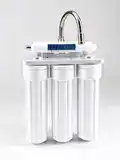
Aquasana OptimH2O Reverse Osmosis
Aquasana OptimH2O Reverse Osmosis
Our top RO pick: Claryum + RO dual filtration keeps beneficial minerals in the water instead of stripping everything out, so it tastes closer to spring water than typical RO. NSF certified for 88 contaminants.

iSpring RCC7AK 6-Stage RO
iSpring RCC7AK 6-Stage RO
The alkaline post-filter adds calcium and magnesium back after the membrane, raising output to 50-80 ppm TDS and pH 7.5-8.5 — right in the taste sweet spot. Best value way to get remineralized RO.
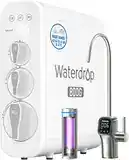
Waterdrop G3P800 Tankless RO
Waterdrop G3P800 Tankless RO
No storage tank means no stagnant-water taste, and the UV stage prevents the bacterial growth that causes musty flavors. Built-in TDS monitor tells you exactly what you're drinking.
Compare all ten systems side by side in our best reverse osmosis systems guide.
Related RO Resources
RO Remineralization Guide
Complete remineralization methods compared
RO vs Distilled Water
Taste, cost, and use comparison
RO Filter Replacement Schedule
Prevent taste issues with proper maintenance
RO Membrane Types
TFC vs CTA performance differences
Best Water for Coffee
SCA standards and brewing water specs
Best Reverse Osmosis Systems
2026 rankings with taste profiles
Frequently Asked Questions
Related Articles
Our picks for Reverse Osmosis Systems
Top-rated RO water filters
Best Water Softeners
Top water softening systems
Our picks for Whole House Water Filters
Complete whole-house filtration
Top-rated Well Water Filters
Specialized well water treatment
Water Filter Buying Guide
Avoid common buying mistakes
Read: State Water Quality Guide
Water quality by state