Signs Your Well Water Is Contaminated: Complete Warning Guide
How to recognize visual, olfactory, taste, and health warning indicators that your private well water may be contaminated — and what to do about each one.
Your private well water can change quality without warning. Unlike city water systems that are continuously monitored by trained professionals, your well has no alarm system, no automatic shutdown, and no regulatory oversight. The first line of defense is you — the homeowner — and your ability to recognize the warning signs that something has gone wrong.
Some contamination announces itself loudly through dramatic changes in color, smell, or taste. But the most dangerous contaminants — arsenic, lead, radon, nitrates, and many bacteria — are completely invisible and odorless. This guide covers both the obvious warnings and the silent threats, giving you a comprehensive framework for protecting your family from contaminated well water.
According to the U.S. Geological Survey, approximately 20% of private wells in the United States contain at least one contaminant at a concentration exceeding EPA health-based benchmarks. The CDC estimates that private wells are responsible for 30% of waterborne disease outbreaks despite serving only 15% of the population. These statistics underscore a critical reality: contamination is common, detection is difficult, and the consequences of inaction can be severe.
Critical Warning
If you notice any sudden change in your well water quality — particularly after flooding, heavy rain, or nearby construction — stop drinking the water immediately and switch to bottled water until you can get it tested. Some contaminants can cause illness within hours of exposure.
Visual Warning Signs: What You Can See
Visual changes in your well water are often the first indicators homeowners notice. While not all visual changes indicate health hazards, they always warrant investigation. Understanding what each visual cue means helps you prioritize your response.
Brown or Rusty Orange
Cause: Dissolved iron (ferric iron) or corroding pipes. Most common well water discoloration. Iron above 0.3 ppm causes visible staining.
Severity: Low health risk, high aesthetic impact
Action: Test for iron concentration. Install an iron removal system if above 0.3 ppm. Inspect pipes if home has galvanized plumbing.
Black or Dark Gray
Cause: Manganese above 0.05 ppm, or rarely, degrading carbon filter media. Manganese creates dark staining on fixtures and laundry that is more difficult to remove than iron staining.
Severity: Moderate health risk at high concentrations
Action: Test for manganese. At levels above 0.3 ppm, install an oxidation filter. The EPA health advisory is 0.3 mg/L for acute exposure and 0.1 mg/L for chronic.
Green or Blue-Green Tint
Cause: Copper leaching from pipes due to acidic water (pH below 6.5) or high dissolved oxygen. Less common in well water than city water but occurs in homes with copper plumbing and aggressive water chemistry.
Severity: Moderate health risk above 1.3 ppm
Action: Test pH and copper levels. Install an acid neutralizer (calcite filter) if pH is below 7.0. The EPA action level for copper is 1.3 ppm.
Milky or Cloudy
Cause: Multiple possible causes: air bubbles (harmless — clears from bottom up), sediment particles, bacterial bloom, methane gas, or extremely high TDS. Let a glass sit for 5 minutes to help diagnose.
Severity: Variable — from harmless to serious
Action: If cloudy persists after sitting, test for bacteria and turbidity. Install sediment filtration. If methane is suspected (near natural gas areas), install an aeration system and ensure ventilation.
Yellow
Cause: Tannins — organic compounds from decomposing vegetation leaching into shallow aquifers. Common in wooded areas with peaty soil. Also possible from dissolved iron at certain concentrations or humic acids.
Severity: Low health risk, aesthetic concern
Action: Test for tannins. Treatment options include anion exchange resin systems or oxidation followed by filtration. Activated carbon provides partial removal.
Red Particles or Flakes
Cause: Rust from corroding well casing, pipes, or water heater. If particles appear only in hot water, the water heater is the likely source. If in both, suspect casing or pipe corrosion.
Severity: Low health risk from iron, but corrosion indicates infrastructure failure
Action: Determine if particles are from casing or plumbing. Inspect water heater anode rod (replace if consumed). Consider flushing well and installing a sediment filter.
Beyond water color, look for visual signs in your fixtures and appliances. Orange or brown staining in toilets, sinks, and bathtubs indicates iron. Black staining suggests manganese. White crusty deposits on faucets and showerheads indicate hard water (high calcium and magnesium). A slimy pink, orange, or white film in toilet tanks or pet water bowls can indicate iron bacteria or other biological contamination. Green stains below dripping faucets suggest acidic water corroding copper pipes.
Check your water heater annually by draining a few gallons from the bottom drain valve. Heavy sediment, unusual color, or strong odor in the drained water indicates accumulated contaminants and suggests the need for more frequent flushing and potentially better whole-house pre-filtration. A water heater with significant sediment buildup also wastes energy — every half-inch of scale reduces heating efficiency by approximately 10%.
Smell & Taste Warning Signs
Your nose and taste buds can detect certain contaminants at very low concentrations — sometimes lower than laboratory equipment measures for practical purposes. While not a replacement for testing, sensory changes are valuable early warning signals that should prompt immediate investigation.
Rotten Eggs
Cause: Hydrogen sulfide gas (H2S) at concentrations as low as 0.5 ppm. Produced by sulfur-reducing bacteria in the aquifer, well, or water heater, or from natural sulfur mineral deposits dissolving into groundwater.
Danger Level: Low health risk at typical levels, but concentrations above 5 ppm can cause nausea, headaches, and corrode copper plumbing. Also indicates potential bacterial activity in the well system.
Musty or Earthy
Cause: Organic matter decomposition, algae blooms in shallow wells, or geosmin produced by certain bacteria. Common in shallow wells near surface water or in areas with high organic soil content.
Danger Level: Suggests potential surface water infiltration which could introduce bacteria and parasites. Test for total coliform and E. coli immediately.
Chemical or Gasoline
Cause: Volatile organic compounds (VOCs) from nearby fuel storage tanks, industrial contamination, or agricultural chemical runoff. Can indicate serious groundwater contamination from leaking underground storage tanks within 1,000 feet of your well.
Danger Level: High health risk. Many VOCs are carcinogenic at low concentrations. Stop drinking water immediately and test for VOC panel. Contact your state environmental agency to report suspected contamination.
Bleach or Chlorine
Cause: Unusual in well water unless you recently shock chlorinated. Could indicate cross-contamination with a nearby municipal supply line or residual from over-chlorination during well treatment.
Danger Level: Low risk if from intentional treatment — flush until smell dissipates. If unexpected, investigate source.
Sewage
Cause: Bacterial contamination from septic system failure, animal waste infiltration, or surface water contamination entering through compromised well casing or cap.
Danger Level: High health risk. Indicates fecal contamination pathway. Stop drinking water immediately. Test for E. coli and total coliform. Inspect well cap, casing, and nearby septic components.
Metallic Taste
Cause: Dissolved iron, manganese, copper, or zinc. pH below 6.5 increases metal dissolution from pipes and well components. Can also indicate lead if home has pre-1986 plumbing.
Danger Level: Variable risk. Iron and manganese are aesthetic concerns at typical levels. Lead and copper at elevated levels pose serious health risks. Test for full metals panel including lead.
A useful diagnostic technique is the comparative smell test: fill one glass from the cold tap and another from the hot tap. Let both sit for 30 seconds, then smell each. If only the hot water smells (particularly like rotten eggs), the problem is likely in your water heater — either sulfur-reducing bacteria growing in the tank or a magnesium anode rod reacting with sulfates in the water. If both hot and cold have the same odor, the source is your well water or plumbing upstream of the water heater.
Another important test: run the water for 2-3 minutes before smelling and tasting. If the odor or taste is only present in the first-draw water (what sits in pipes overnight), the problem may be your plumbing rather than the well water itself. This is common with copper or galvanized pipes in older homes where standing water corrodes pipe material and accumulates dissolved metals.
Physical & Health Symptoms to Watch For
Contaminated well water can manifest through health symptoms before you notice any changes in the water itself. While these symptoms have many possible causes, experiencing them in a household using well water should prompt immediate water testing — particularly if multiple family members are affected or if symptoms began after moving to a new home or after changes to your well system.
Acute Symptoms (Hours to Days)
- Gastrointestinal distress — Nausea, vomiting, diarrhea, stomach cramps. These are the hallmark symptoms of bacterial contamination (E. coli, Campylobacter, Salmonella) or parasitic infection (Giardia, Cryptosporidium). If multiple household members experience GI symptoms simultaneously, water contamination is highly likely.
- Skin irritation after bathing — Itching, dryness, rashes, or eczema flare-ups can indicate hard water, low pH, high mineral content, or chemical contamination. Compare symptoms with times when you shower elsewhere (hotel, gym) to isolate water as the variable.
- Eye and respiratory irritation — Burning eyes, difficulty breathing, or sinus problems during showering may indicate volatile contaminants being aerosolized in hot shower spray. Hydrogen sulfide, radon, and certain VOCs become more potent when released from heated water.
Chronic Symptoms (Weeks to Years)
- Hair and nail changes — Brittle, dry, or discolored hair and nails can indicate chronic exposure to hard water minerals, dissolved metals (iron, copper), or low pH water that strips protective oils.
- Recurring infections — Frequent urinary tract infections, ear infections, or skin infections may be linked to low-level bacterial contamination that stresses the immune system without causing acute illness.
- Developmental concerns in children — Unexplained developmental delays, behavioral changes, or learning difficulties should prompt testing for lead, arsenic, and manganese — all of which affect neurological development at levels well below what causes symptoms in adults.
- Thyroid issues — Elevated nitrate exposure can interfere with iodine uptake by the thyroid, potentially causing or exacerbating hypothyroidism. This is a recognized risk in agricultural areas where well water nitrate levels frequently exceed EPA limits.
Professional Guidance
If you suspect your well water is causing health symptoms, consult both your physician and a certified water treatment professional. Share your water test results with your doctor — many physicians are unfamiliar with well water contaminants and may not consider water as a potential cause without prompting.
Biological Indicators of Contamination
Your well water ecosystem includes living organisms that can serve as contamination indicators. Biological signs are particularly important because they suggest ongoing contamination pathways — problems that will persist or worsen without intervention.
Iron bacteria biofilm: A slimy, orange-brown film coating the inside of your toilet tank, faucet aerators, or pipes indicates iron bacteria colonization. These bacteria are not typically dangerous to health but they create an environment where pathogenic bacteria can shelter and multiply. Iron bacteria also accelerate iron corrosion and can clog plumbing and treatment equipment. Shock chlorination is the primary treatment, often needing to be repeated if the bacteria has established deep in the well casing or aquifer.
Sulfur bacteria: White or gray threadlike filaments in water, or a stringy, web-like growth in toilet tanks, indicate sulfur-reducing bacteria. These organisms produce hydrogen sulfide gas (the rotten egg smell) and can colonize wells, water heaters, and plumbing. They are more common in deep wells accessing sulfate-rich aquifers and in water heaters set below 140°F.
Algae growth: Green or brown algal growth near the well head, in storage tanks, or in translucent plumbing components indicates that light and nutrients are reaching your water supply — both of which suggest inadequate well sealing. Algae itself may not be harmful, but its presence indicates a contamination pathway that could introduce pathogens.
Insect or animal evidence: Finding insects, spider webs, or evidence of small animals (droppings, nesting material) near or inside the well casing indicates compromised well construction. Even tiny openings allow surface water, bacteria, and parasites to enter the well. Inspect the well cap, casing seal, and any conduit entries annually.
Invisible and Odorless Dangers
The most dangerous well water contaminants are those you cannot detect with your senses. These silent threats cause harm through chronic exposure over months and years — accumulating in your body without any warning signs until damage is done. This is the strongest argument for regular, comprehensive laboratory testing even when your water looks, smells, and tastes perfectly normal.
Arsenic
Odorless, tasteless, colorless at health-relevant concentrations. The EPA MCL is 10 ppb (parts per billion), but many health organizations recommend action at 5 ppb. Long-term exposure linked to bladder, lung, and skin cancer, cardiovascular disease, and diabetes. An estimated 2.1 million Americans drink well water exceeding the arsenic MCL. Most prevalent in western states (Arizona, Nevada, California) and parts of New England.
Treatment: Reverse osmosis (95%+ removal), adsorptive media (iron-based), or anion exchange systems
Radon
Radioactive gas that dissolves into groundwater from uranium-bearing rock formations (granite, shale). Released during showering, cooking, and other water use, becoming an inhalation hazard. EPA estimates radon in water causes 168 cancer deaths annually. No federal standard exists, but EPA has proposed 300 pCi/L for community systems and 4,000 pCi/L for systems with radon reduction programs.
Treatment: Aeration (granular activated carbon can also work but creates a radioactive waste disposal issue)
Lead
No safe level of lead exposure exists. Even 1 ppb affects neurological development in children. Lead enters well water from older pump components, lead-containing brass fittings, and lead solder in plumbing joints (common before 1986). Unlike city water where lead comes from service lines, well water lead typically comes from internal plumbing and well components.
Treatment: Point-of-use reverse osmosis or NSF-53 certified carbon filters at drinking water taps. Replace lead-containing well components.
Nitrates
The most widespread well water contaminant in agricultural regions. Fertilizer application, animal waste, and septic system leachate introduce nitrogen compounds that convert to nitrates in soil and groundwater. EPA MCL is 10 mg/L. Most dangerous for infants under 6 months (blue baby syndrome) but linked to thyroid issues and certain cancers in adults at chronic exposure levels.
Treatment: Reverse osmosis, ion exchange, or distillation at point of use. No effective whole-house treatment — address source contamination.
PFAS (Forever Chemicals)
Per- and polyfluoroalkyl substances from firefighting foam, industrial sites, and consumer products contaminate groundwater near military bases, airports, and manufacturing facilities. Extremely persistent in the environment and human body. Linked to cancer, thyroid disease, immune suppression, and reproductive issues. New EPA limits of 4 ppt for PFOA and PFOS are far below what most standard tests detect.
Treatment: Activated carbon (granular or block), reverse osmosis, or ion exchange resin specifically designed for PFAS
Seasonal Risk Factors
Well water contamination risk fluctuates significantly with seasons. Understanding these patterns helps you time your testing for maximum effectiveness and stay ahead of predictable contamination events.
Spring (March-May): Highest contamination risk period. Snowmelt and spring rains saturate soil and raise water tables, pushing surface contaminants into shallow aquifers. Agricultural fields begin receiving fertilizer applications. Septic system drain fields may become overloaded by high water tables. Test in late spring for bacteria, nitrates, and turbidity. This is the most critical annual testing window.
Summer (June-August): Warm temperatures promote bacterial growth in wells and water heaters. Lower water tables concentrate minerals, potentially increasing iron, manganese, and arsenic levels. Agricultural pesticide application peaks. Heavy summer storms can cause rapid surface water infiltration. Monitor water levels and quality closely during drought conditions — wells that run low may pull in water from shallower, more contaminated zones.
Fall (September-November): Post-harvest agricultural activity and fall fertilizer application can spike nitrate levels. Falling leaves and organic debris can clog well caps and create pathways for surface water entry. Freezing temperatures begin affecting exposed well components. This is an ideal time for well maintenance — inspect the cap, seal, and casing before winter.
Winter (December-February): Freezing can damage well caps, pitless adapters, and surface seals. Frost heave can shift well casings and create cracks. While bacterial activity slows in cold water, contamination pathways created by frost damage persist through spring thaw. Insulate exposed well components and monitor for any changes in water pressure that might indicate ice damage to the system.
How to Test Your Well Water
Testing is the only way to definitively identify well water contamination. Your senses can detect perhaps 20% of potential hazards — the remaining 80% require laboratory analysis. Here is a practical testing framework that balances thoroughness with cost.
Annual Basic Test Panel ($50-150)
At minimum, test annually for: total coliform bacteria, E. coli, nitrates, pH, total dissolved solids (TDS), and hardness. This covers the most common and most immediately dangerous well water issues. Schedule testing in late spring for best contamination detection timing.
Comprehensive Test Panel ($150-500)
Every 3-5 years (or immediately for new wells and home purchases), test for the basic panel plus: arsenic, lead, copper, iron, manganese, fluoride, sulfate, chloride, volatile organic compounds (VOCs), and pesticides. In areas with known geological or industrial risks, add radon and PFAS to this panel.
Emergency Testing Triggers
Test immediately (do not wait for your annual schedule) if any of these occur: flooding near the well, earthquake or significant ground disturbance, nearby construction or blasting, septic system failure or backup, well pump replacement or repair, any sudden change in taste, smell, color, or pressure, unexplained illness in household members, or notification of contamination in nearby wells.
For testing resources, see our well water testing schedule guide and water test kit guide.
What To Do If Your Well Water Is Contaminated
Discovering contamination is alarming but actionable. Follow this systematic approach to protect your family and resolve the issue efficiently.
- Immediate safety: If bacteria, nitrates above 10 mg/L, arsenic above 10 ppb, or VOCs are detected, stop using the water for drinking and cooking. Use bottled water or a certified point-of-use filter confirmed to remove the specific contaminant.
- Identify the contamination source: Is it geological (naturally occurring minerals and elements), infrastructure (compromised well casing, corroding pipes), or environmental (agricultural runoff, septic failure, industrial contamination)? The source determines the appropriate remedy.
- Professional well inspection: Hire a certified well contractor ($200-500) to inspect your well casing, cap, seal, and surrounding grading. A downhole camera inspection reveals casing cracks, joint separations, and other structural defects that create contamination pathways.
- Repair structural issues first: If the well casing is damaged, seals are compromised, or grading allows surface water to pool around the well head, fix these issues before installing treatment. Treatment without addressing the contamination pathway is treating symptoms, not causes.
- Install appropriate treatment: Based on your specific contaminants, install targeted treatment. For bacterial contamination, shock chlorinate first, then install UV disinfection as ongoing protection. For metals, install oxidation and filtration. For chemicals, install carbon filtration or RO.
- Re-test to confirm: After repairs and treatment installation, re-test within 2 weeks to confirm the issue is resolved. If contamination persists, the source may not be what you initially identified — expand testing and investigation.
- Establish ongoing monitoring: Create a testing schedule based on your contamination history. Previously contaminated wells should be tested more frequently — quarterly for the first year after remediation, then semi-annually for the next 2 years, then annually if results remain clean.
Recommended Well Water Treatment Products
These systems address the most common contamination issues found in private wells, providing comprehensive protection when combined with regular testing.
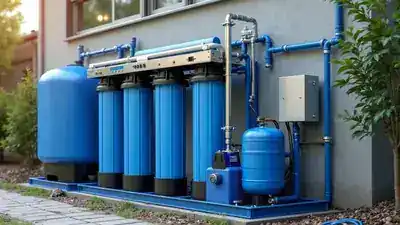
SpringWell Ultra Well Water System
Complete multi-stage well water treatment combining iron filtration, UV disinfection, and carbon polishing. Addresses the three most common well water contamination types in a single integrated system. Includes sediment pre-filtration and handles up to 7 ppm iron.
Check Price at SpringWell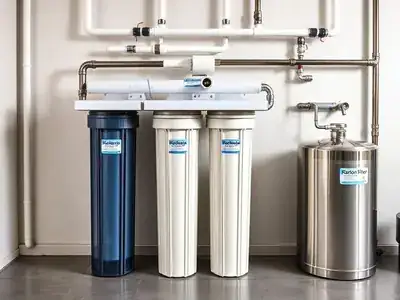
SpringWell WS1 Iron & Sulfur Filter
Air injection oxidation system that removes iron, manganese, and hydrogen sulfide without chemicals. The most effective solution for wells with visible staining and rotten egg odor — two of the most common contamination signs homeowners report.
Check Price at SpringWell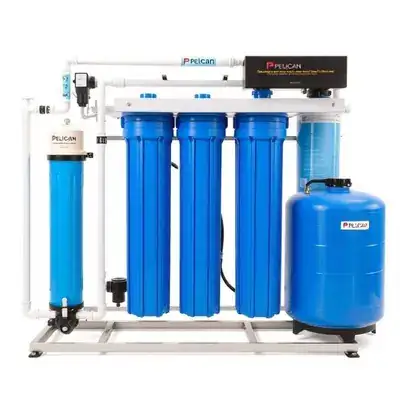
Pelican Well Water System with UV
Comprehensive whole-house well water filtration with integrated UV disinfection. Ideal for wells with bacterial contamination concerns, providing 99.99% pathogen elimination plus multi-stage filtration for sediment, chemicals, and minerals.
Check Price at SpringWellExplore Our Top Picks
Well Water Contamination Signs: FAQs
Related Articles
Deep dive — Water Filter Buying Guide
Complete guide to choosing the right filter
Read: How Water Filters Work
Understanding filtration technologies explained
Water Filter Cost Comparison
Annual costs across all filter types
Step-by-step: Water Testing Kits Guide
Test your water before buying a filter
Filter Replacement Guide (upkeep tips)
When and how to replace filter cartridges
Read: Water Filter Health Benefits
Health advantages of filtered water