Treatment comparison
Reverse Osmosis vs Whole House Filter: Which Do You Need?
Choose treatment by the problem and where it occurs. Drinking-water RO and whole house filtration serve different roles; some homes need one, some both, and some neither.
Before you choose a system
Choose treatment by the problem and where it occurs. Drinking-water RO and whole house filtration serve different roles; some homes need one, some both, and some neither.
- Start with your utility report or a laboratory well-water test.
- Separate drinking-water needs from whole-home treatment goals.
- Check exact model claims, service flow and maintenance costs.
Quick answers
What is the main difference between reverse osmosis and a whole house filter?
Reverse osmosis commonly treats water at one drinking-water faucet using a membrane and pre/post filters. A whole house filter treats incoming water for multiple fixtures. What either system reduces depends on its media, design and independently verified claims for the exact model.
Do I need both a reverse osmosis system and a whole house filter?
Only if your water test and treatment goals justify both. Whole house treatment can address problems throughout the home, while a drinking-water RO can target particular dissolved contaminants. Neither system is automatically necessary for every municipal or well-water household.
Can a whole house filter replace reverse osmosis?
A conventional whole house carbon filter does not replace RO when the goal is reducing dissolved salts or contaminants that its media is not designed to address. If your only concern is chlorine taste, carbon filtration may be sufficient. Match the system's verified claims to your water report.
Point of use vs point of entry
What to check
Reverse osmosis commonly treats water at one drinking-water faucet using a membrane and pre/post filters. A whole house filter treats incoming water for multiple fixtures. What either system reduces depends on its media, design and independently verified claims for the exact model.
Practical planning
A whole house sediment or carbon system is not automatically a softener, iron filter or disinfectant. Hardness, iron, sulfur and microbial contamination may require separate, purpose-built stages.
| Factor | Drinking-water RO | Whole house filtration |
|---|---|---|
| Coverage | One drinking-water outlet | Multiple fixtures at the point of entry |
| Main selection criterion | Verified reduction of target contaminants | Treatment media and peak service flow |
| Specialized needs | Not automatically a disinfectant | Not automatically a softener or iron filter |
Contaminant removal: compare specific claims
What to check
Conventional carbon filtration generally does not meaningfully reduce dissolved salts, and should not be assumed to address nitrate, fluoride or arsenic without a specific verified claim. An appropriately selected RO may reduce some of these contaminants. Check the exact model's performance data and certification listing.
Practical planning
Chloramine control in an RO system depends on appropriate carbon pretreatment, not a blanket membrane-removal claim. Check the exact model's chloramine performance and cartridge schedule. Whole house treatment also needs media and contact time suited to chloramine at the home's service flow.
Compatibility and safety
For confirmed microbial contamination, follow local public-health guidance and use an appropriate disinfection strategy. Do not treat an ordinary kitchen RO or a generic carbon filter as a reliable microbiological barrier.
Which system fits your home?
What to check
Municipal water: if the goal is only improved drinking-water taste, a suitable carbon filter may be enough. If a test identifies a dissolved contaminant, compare drinking-water systems with verified claims for that contaminant.
Practical planning
Well water: use a laboratory test to select sediment, iron/sulfur, softening or disinfection treatment as needed. Add RO only for an identified drinking-water purpose.
Compatibility and safety
Renters: obtain permission for plumbing changes and check the drain, faucet hole and any electrical requirements. Countertop options may be more suitable when permanent changes are not allowed.
For fixture-specific options, compare shower filters and faucet filters. These do not replace treatment for a confirmed source-water hazard.
Costs, installation and ongoing maintenance
What to check
Whole house installations often have higher initial plumbing and equipment costs, but prices vary widely. Compare written quotes including replacement media, filters, membranes, electricity, drain water and service over the same ownership period rather than assuming a fixed lifetime cost.
Practical planning
A typical point-of-use RO does not restrict flow to the home's other fixtures, but its own faucet and any refrigerator connection have limited flow. Whole house filters can introduce pressure loss across the home. Check rated service flow and pressure-drop data at your peak demand.
Compatibility and safety
Whole house systems need cartridge or media service and any valve maintenance specified by their manuals. RO systems need scheduled filter and membrane replacement, leak checks and sanitation as instructed. TDS trends can help monitor membrane performance but do not prove that water is microbiologically safe.
Using both: a treatment train, not a universal bundle
What to check
A typical arrangement is source water, any required whole house pretreatment, then drinking-water RO at the kitchen. The exact order depends on source chemistry and the selected equipment.
Practical planning
Upstream treatment can reduce membrane fouling or address problems at every fixture. It does not make every downstream RO suitable for every contaminant. Whole house RO is a separate engineered approach, not a standard bundle upgrade.
Recommended options to compare
These are starting points for comparison, not a claim that every model treats every water problem. Check the current product manual, verified contaminant claims, installation requirements and replacement-filter availability before ordering.

iSpring RCC7AK 6-Stage RO System
iSpring RCC7AK 6-Stage RO System
Under-sink reverse osmosis with a remineralization stage for drinking water. Check pressure, cabinet space and any well-water pretreatment before ordering.
iSpring RCC7AK
iSpring RCC7AK
An existing tank-based RO option for shoppers comparing stored-water delivery, under-sink space and replacement-filter costs.
Match dedicated treatment to your water test and available flow; general filtration, softening and RO are not interchangeable. Compare well-water treatment options.
Compare sizing, treatment options and ongoing costs in our best well water filters guide.
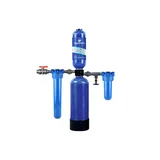
Aquasana Rhino Whole House Water Filter
Aquasana Rhino Whole House Water Filter
Consider this whole house filtration option when its current verified claims match your municipal-water goals and its service flow suits the home. It is not an RO replacement or a water softener.
Compare sizing, treatment options and ongoing costs in our best whole house water filters guide.
Compare RO specifications and ongoing costs and match well-water treatment to a water test.
Explore our top picks
Best Reverse Osmosis Systems
Complete RO system rankings
Best Whole House Filters
Whole home filtration solutions
Best Under-Sink Filters
Under-sink filtration options
Best Well Water Filters
Filters for well water homes
Best Shower Filters
Shower filtration solutions
Best Water Softeners
Hard water treatment systems
Frequently Asked Questions
Related Articles
See the best Reverse Osmosis Systems
Top-rated RO systems with detailed comparisons
APEC vs iSpring RO Comparison
Head-to-head comparison of leading RO brands
Waterdrop or iSpring RO Systems? Full breakdown
Compare tankless vs tank RO systems
RO Installation Guide
Step-by-step RO system installation
Keep it running: RO Maintenance & Troubleshooting
Filter replacement schedules and common fixes
Tankless RO Systems Guide
On-demand RO without storage tanks