Best Water Softeners of November 2026
Expert reviews of home water softeners. Eliminate hard water scale, protect appliances, and enjoy softer skin from $649.
Expert reviews of best home water softeners. Eliminate hard water scale, protect appliances, and enjoy softer skin from $649.
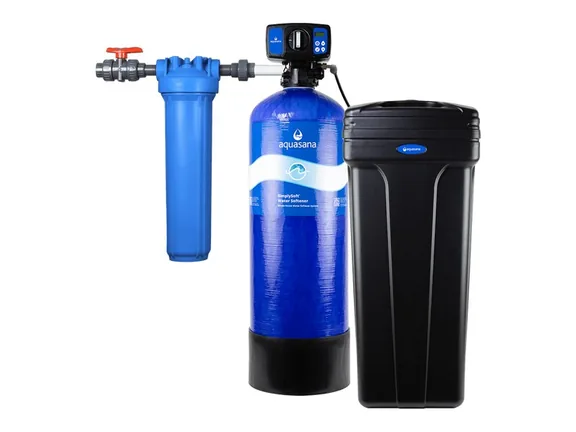
Quick Comparison: Top Water Softeners
Compare the top five side by side
| Ranking | Type | Price | Grain Capacity | Flow Rate | Warranty |
|---|
Prices checked on Nov 19, 2026. Amazon prices change often, so confirm the price on the listing.
Detailed Reviews & Analysis
What each softener does well, and where it falls short
- Start drinking clean water today.

- Better Health
- Enhanced Focus
- Healthier Skin
- Better Taste
- Better Coffee & Tea
- Less Plastic Waste
- Longer Appliance Life
Complete Guide to Water Softeners
Everything you need to know before choosing a water softener for your home, from how softeners work and what they fix to sizing, costs, and picking the right technology. Softeners don't remove contaminants, so pair yours with a whole house filter or a reverse osmosis system for drinking water. On a private well? Start with our well water filters guide.
Water Softener Basics
What water softeners do, how ion exchange works, and when your home actually needs one.
A water softener removes the calcium and magnesium that cause scale, dry skin, and appliance wear — usually paying for itself in 2–4 years above 7 GPG.
How Ion Exchange Works
Calcium and magnesium ions flow into the softening tank.
Beads release sodium and trap the hardness minerals.
Now-soft water leaves the tank with harmless sodium ions.
Salt water flushes trapped minerals down the drain, resetting the resin.
Resin beads grab calcium & magnesium.
Salt recharges the resin overnight.
Meters flow, triggers regeneration.
Fixes
- • Limescale on fixtures & appliances
- • Stiff laundry, dull dishes
- • Dry skin & flat hair
- • Wasted heating energy
Doesn't Fix
- • Chlorine taste or odor
- • Lead, PFAS, or bacteria
- • Sediment or cloudiness
- • Low water pressure
Do You Need One?
How to Size Your Water Softener Correctly
Grain capacity, household size, and metered vs timer regeneration — sized to your exact water.
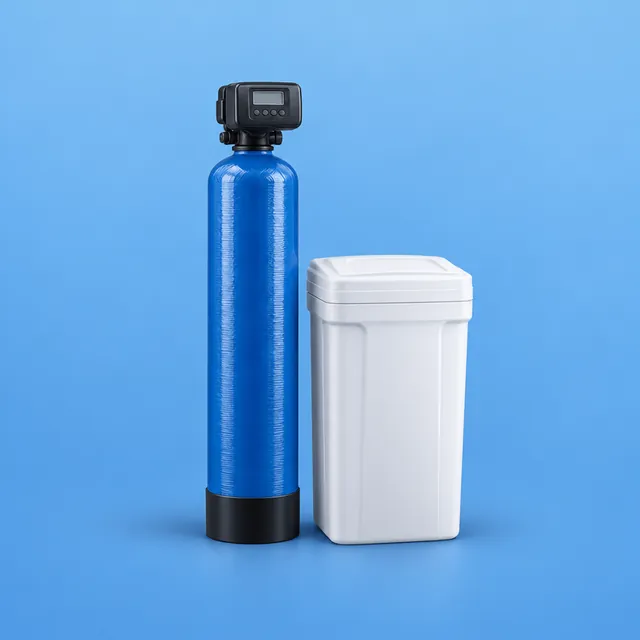
Choosing the correct water softener size prevents undersized systems from running constantly or oversized units wasting salt. Capacity is measured in grains, the amount of hardness minerals the resin can remove before regeneration is needed.
Note: These recommendations assume moderate hardness (10-15 GPG). For very hard water (20+ GPG) or high-usage households, increase capacity by 25-50%.
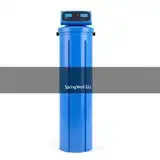
Aquasana SimplySoft 60,000 Grain Softener with LM Pre-Filter
Aquasana SimplySoft 60,000 Grain Softener with LM Pre-Filter
Salt-based hardness removal. Size the softener for your household and plan for salt, a brine tank and a drain.
Installation Guide
Confident DIYers wrap it in 3–6 hours; a pro runs $300–500 with warranty peace of mind.
DIY · $0 labor
- • 3–6 hours, basic plumbing skills
- • Need: PEX/copper cutter, wrenches, Teflon tape
- • Cost: ~$50, 150 in fittings
- • Saves ~$400 vs pro install
Pro · $300, 500
- • Warranty coverage preserved
- • Best for slab homes or copper rework
- • 2–4 hour service call
- • Permit-handling included
5-Step Install Order
Shut off & drain
Main valve off. Open lowest faucet to drain.
Cut in bypass
After main shutoff, before water heater.
Mount tanks
Resin tank + brine tank on level surface.
Connect drain & overflow
Air-gap to floor drain or laundry standpipe.
Program & regenerate
Set hardness GPG, run manual cycle.
Top 4 Install Mistakes
Need a pre-install check? See our full install walkthrough or test your hardness first.
Match dedicated treatment to your water test and available flow; general filtration, softening and RO are not interchangeable. Compare well-water treatment options.
Maintenance Schedule
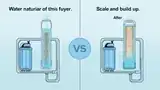
Salt every 6–8 weeks, a yearly cleanup — and your softener lasts 15–25 years.
Check salt, look for bridges
Wipe brine tank, check for mush
Resin cleaner (Iron Out / Res-Up)
Resin bed replacement
Which Salt to Buy
Cheapest. More tank cleanings.
99.5% pure, best for most homes.
99.99% pure. Use for iron / 15+ GPG.
Pro tip: If you have iron, pair maintenance with an iron pre-filter or compare well water filter systems. Test annually with a DIY test kit.
Cost Analysis & Long-Term Savings
First-year and annual costs for salt-based vs salt-free — plus appliance, energy, and repair savings.
Appliance Lifespan
Heater +30–50%, dishwasher +40%, washer +30%
Saves $150–300/yr
Energy & Detergent
22–30% less heating energy, 50–75% less soap
Saves $200–400/yr
Plumbing Repairs
No scale in pipes, fewer faucet swaps
Saves $100–200/yr
Total: $450–900/yr · Payback in 2–4 years
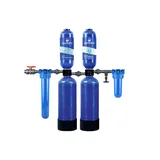
Aquasana Rhino Whole House Salt-Free Water Conditioner
Aquasana Rhino Whole House Salt-Free Water Conditioner
Salt-free scale control, not hardness removal. Compare it with a salt-based softener if you need truly softened water.
Common Issues & Fast Fixes
Tap any issue for the most likely cause and the 2-minute fix.
Still stuck? Browse our install guide, hardness test, or iron contamination guide.
You've got water softener questions, we have answers.
How do water softeners work?
Water softeners use ion exchange to replace calcium and magnesium (hard minerals) with sodium. Hard water flows through resin beads charged with sodium ions. The beads attract and trap hard minerals, releasing sodium in exchange. When beads are saturated, a brine solution regenerates them.
How long do water softeners last?
Quality water softeners last 10-20 years with proper maintenance. Resin beads last 10-15 years. Salt tanks and control valves can last 15-20 years. Annual maintenance includes cleaning brine tank, checking salt levels, and occasionally regenerating resin manually.
How much salt does a softener use?
Average household uses 200-300 lbs of salt annually ($5-10/month). Actual consumption depends on water hardness, household size, and softener efficiency. High-efficiency softeners use 30-50% less salt. Track usage and adjust regeneration settings for optimal efficiency.
Is softened water safe to drink?
Yes, but it adds sodium, about 12.5mg per 8oz glass for 10 GPG hard water. This is minimal for healthy individuals but concerning for low-sodium diets. Install separate tap for unsoftened drinking water or use RO system to remove sodium.
Salt-based vs salt-free softeners?
Salt-based softeners actually remove hard minerals through ion exchange, proven effective. Salt-free conditioners crystallize minerals so they don't stick to pipes but don't remove them. Salt-free systems won't protect appliances like true softeners but require no maintenance and add no sodium.