Pitcher Water Taste Improvement Guide
Achieve the best-tasting filtered water from your pitcher. Troubleshoot weird flavors, optimize filter performance, and learn which pitchers produce the cleanest taste.
Quick Taste Fix Checklist
Before diving deep, check these common quick fixes:
Is your filter past its replacement date? (Most common cause)
Is the pitcher stored in the refrigerator? (Biggest taste improvement)
Did you flush a new filter 3 times before drinking?
Is the pitcher clean? (Wash reservoir weekly with soap)
Are you using cold tap water only? (Never hot)
Is filtered water consumed within 24–48 hours?
Why Does My Pitcher-Filtered Water Taste Bad?
You invested in a water filter pitcher expecting crisp, clean-tasting water—but something's off. Maybe it tastes plasticky, metallic, sweet, flat, or just not as good as you expected. The good news: nearly every pitcher taste issue has a specific, fixable cause.
The 7 Most Common Causes of Bad Pitcher Water Taste
1. Expired or Exhausted Filter Cartridge
The #1 cause of bad-tasting pitcher water. Activated carbon has a finite absorption capacity—once saturated, it stops removing chlorine, VOCs, and organic compounds. Worse, exhausted carbon can release previously captured contaminants back into the water (desorption). Most pitcher filters last 40 gallons or about 2 months for an average household.
Fix: Replace immediately and set a calendar reminder for the next change.
2. Room Temperature Storage
Storing your pitcher on the counter instead of in the fridge dramatically affects taste. Warm water (above 60°F) tastes more "mineral-heavy" and reveals dissolved compounds that cold water masks. Additionally, warm temperatures promote bacterial growth in the filter and reservoir—since the filter removed the chlorine that previously inhibited bacteria.
Fix: Refrigerate filtered water. Cold water tastes cleaner to most people.
3. Improper New Filter Priming
New filter cartridges contain carbon fines (fine carbon dust) and manufacturing residues that produce a gray, chalky, or chemical taste. Every manufacturer requires flushing new filters before use—typically 2–3 full pitcher volumes. Some premium filters (like Clearly Filtered) require soaking for 15 minutes before the first flush.
Fix: Soak filter in cold water for 15 min, then discard the first 3 full pitchers of filtered water.
4. Plastic Reservoir Off-Gassing
Even BPA-free plastics can impart a subtle plastic taste, especially when new or exposed to warm temperatures. Dishwasher heat accelerates plastic degradation. The reservoir may also develop microscopic scratches that harbor bacteria and biofilm, producing off-flavors over time.
Fix: Hand-wash only, keep refrigerated, replace pitcher every 1–2 years. Consider glass pitcher alternatives.
5. Source Water Beyond Filter Capability
Standard pitcher filters excel at chlorine, taste, and odor removal but have limited capacity for chloramine (only 50–60% reduction), heavy metals, TDS above 300 ppm, and hydrogen sulfide. If your source water has specific contaminants beyond the filter's ratings, the taste will never fully improve. Check your water quality report to understand what your filter needs to handle.
Fix: Test source water and match to a filter rated for those specific contaminants.
6. Biofilm Buildup in Reservoir
Bacteria naturally present in tap water multiply rapidly once chlorine is removed by filtration. A slimy biofilm can develop on pitcher walls, the spout, and under the lid within 48 hours at room temperature. This biofilm produces organic compounds that taste musty, earthy, or stale.
Fix: Wash all non-filter components weekly with warm soapy water. Monthly deep clean with diluted vinegar.
7. Stale Water (Sitting Too Long)
Filtered water that sits in the pitcher for more than 24–48 hours loses its fresh taste. Dissolved oxygen decreases, bacterial activity increases, and plastic compounds continue leaching. Unlike tap water, filtered water has no residual disinfectant to maintain freshness.
Fix: Filter only what you'll drink in 24 hours. Discard and refill if water has sat for 48+ hours.
Pitcher Filter Taste Comparison: Which Produces the Best Water?
We did not run blind taste tests. Our comparison draws on manufacturer specifications and owner feedback. Carbon pitchers such as Brita and PUR mainly remove chlorine taste and odor while leaving minerals in the water. ZeroWater removes almost all dissolved solids, which some people find flat. Clearly Filtered and LifeStraw target a wider list of contaminants while keeping some minerals. Taste preferences vary, so test your own water and match the filter to what is in it.
Key takeaway: Total mineral removal (ZeroWater) doesn't necessarily produce the best-tasting water. The ideal pitcher retains beneficial minerals while removing chlorine, VOCs, and heavy metals. See our complete pitcher comparison for detailed reviews of each brand.
10 Pro Tips for the Best-Tasting Pitcher Water
Refrigerate Always
The single biggest taste improvement. Cold water (40°F) suppresses the perception of dissolved minerals, organic compounds, and plastic off-gassing. It also inhibits bacterial growth that causes stale flavors.
Replace Filters Early, Not Late
Filter performance degrades gradually, not suddenly. Replace at 80% of rated capacity for consistently great taste. For a 40-gallon filter, replace at ~30 gallons or 6 weeks. The last 20% of filter life produces noticeably worse-tasting water.
Run Cold Tap for 30 Seconds First
Before filling your pitcher, run cold water for 30 seconds to clear stagnant pipe water. This reduces the contaminant load on your filter and provides fresher-tasting source water. This is especially important in the morning.
Use a Glass Serving Pitcher
Filter through your Brita/PUR, then transfer to a glass pitcher for serving and storage. This eliminates any plastic taste from the reservoir and produces demonstrably better-tasting water in blind tests.
Weekly Cleaning is Non-Negotiable
Remove the filter, disassemble the pitcher, and wash all parts with warm soapy water weekly. Pay special attention to the spout, lid hinge, and the bottom of the upper reservoir where water pools. Biofilm develops quickly once chlorine is removed.
Match Filter to Source Water
A Brita Standard is sufficient for low-TDS municipal water with chlorine. If you have chloramine, hard water, or well water, you need a more capable filter. Test your source water first, then choose accordingly.
Filter Small Batches
Filter only what you'll drink in 24 hours. Smaller, more frequent batches ensure fresher water. A full pitcher that sits for 2 days tastes significantly worse than a half-pitcher filtered fresh each morning.
Add Mineral Drops to ZeroWater
If you use ZeroWater for its superior contaminant removal but dislike the flat taste, add mineral supplement drops ($8–$12 for a 6-month supply). Brands like ConcenTrace add back calcium, magnesium, and potassium without reintroducing harmful contaminants.
Avoid Dishwasher for Pitcher
Even "dishwasher-safe" pitchers degrade faster in the dishwasher. High heat warps plastic, creates microscopic cracks, and accelerates off-gassing of plastic compounds. Hand-wash only with warm (not hot) water.
Know When to Upgrade
If you're spending $80+/year on pitcher filters and still unsatisfied with taste, an under-sink carbon block filter ($150 + $60/year) or RO system ($200–$500 + $80/year) produces dramatically better water at a similar or lower long-term cost. See our cost comparison guide.
Troubleshooting Specific Taste Issues
| Taste Description | Likely Cause | Solution |
|---|---|---|
| Chlorine / bleach | Exhausted filter or chloramine in source water | Replace filter. If new filter doesn't help, your utility uses chloramine—switch to catalytic carbon filter. |
| Plastic / chemical | New pitcher off-gassing, warm storage, or degraded plastic | Wash with baking soda, refrigerate, transfer to glass. Replace pitcher if over 2 years old. |
| Metallic | Iron, copper, or zinc in source water beyond filter capacity | Test source water for metals. Switch to Clearly Filtered or ZeroWater pitcher. Consider under-sink filter. |
| Sweet / fruity | New PUR filter (normal), or high calcium in source water | Flush 4 full pitchers for new filter. If persistent, test for calcium—may indicate hard water. |
| Flat / dead | ZeroWater removing all minerals, or water sitting too long | Add mineral drops, or switch to Brita/PUR that retains minerals. Consume within 24 hours. |
| Musty / earthy | Biofilm in reservoir, or geosmin in source water | Deep clean with vinegar solution. If source water, carbon filter should remove it—check filter age. |
| Chalky / gritty | Carbon fines from new filter, or hard water scale | Flush new filter 3+ times. For hard water, consider a softener upstream or ZeroWater pitcher. |
| Fishy | Barium, cadmium, or chloramine interaction in source water | See fishy taste guide. Standard pitchers won't fix this—need RO or advanced filtration. |
When to Upgrade Beyond a Pitcher Filter
Pitcher filters are an excellent entry point, but they have limitations. Consider upgrading if:
- You're spending $80+/year on replacement filters: An under-sink filter costs $150–$300 upfront but only $50–$80/year in replacements—often cheaper long-term with far better performance
- Your water has lead, PFAS, or heavy metals: Most pitcher filters aren't certified for these. A reverse osmosis system removes 95–99% of virtually everything
- You use more than 1 gallon/day: Pitchers are slow and inconvenient for high-volume use. Under-sink or faucet filters provide instant filtered water on demand
- Your utility uses chloramine: Standard carbon pitchers only remove 50–60% of chloramine. You need catalytic carbon (Aquasana) or RO for effective removal
- You're tired of refilling: Under-sink and faucet filters provide unlimited filtered water with zero effort
Upgrade Path Cost Comparison
| Filter Type | Upfront | Annual | 5-Year Total | Taste Rating |
|---|---|---|---|---|
| Brita Standard Pitcher | $30 | $60 | $330 | 7.5/10 |
| Clearly Filtered Pitcher | $90 | $100 | $590 | 9.2/10 |
| Faucet Filter (PUR/Brita) | $40 | $40 | $240 | 8.0/10 |
| Under-Sink Carbon Block | $150 | $60 | $390 | 9.0/10 |
| Under-Sink RO | $300 | $100 | $700 | 9.5/10 |
Best Water Pitchers for Taste Improvement
Our research-based picks for better-tasting filtered water:
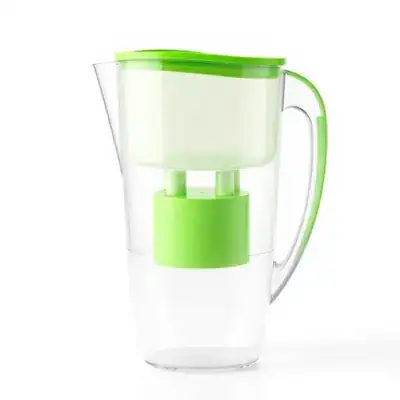
Clearly Filtered Pitcher
$80–$100
- • Keeps some minerals for a natural taste
- • 365+ contaminants removed
- • Affinity filtration technology
- • 4-month filter life
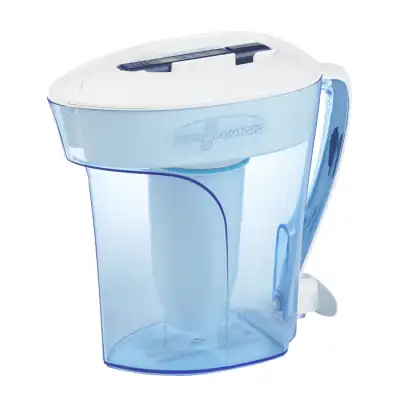
ZeroWater 10-Cup
$35–$45
- • 0 TDS reading
- • 5-stage filtration
- • Includes TDS meter
- • NSF 53 certified
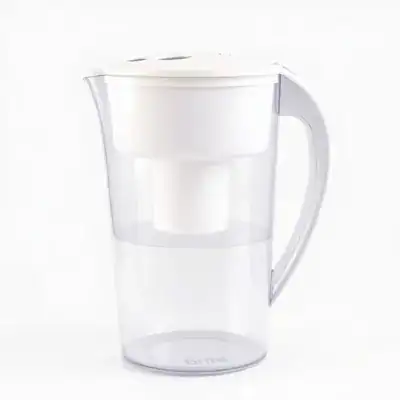
Brita Standard
$25–$35
- • Great chlorine taste removal
- • Cheapest filter cost
- • Wide filter availability
- • 2-month filter life
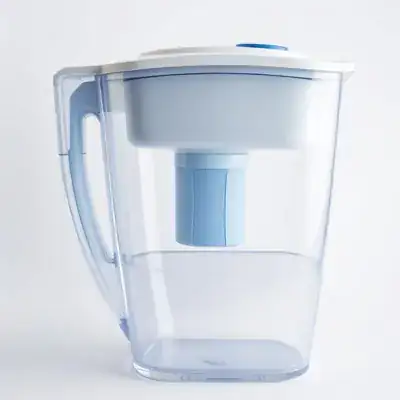
PUR Plus Pitcher
$30–$40
- • 70+ contaminants reduced
- • Lead certified (NSF 53)
- • Better than Brita for metals
- • 2-month filter life
Frequently Asked Questions
Related Articles
Water Pitcher Hub
Complete guide to choosing the best water filter pitcher
Read: Brita Complete Guide
Everything about Brita filters, models, and performance
PUR Complete Guide
PUR pitcher and faucet filter lineup review
Filter Replacement Guide
When and how to replace pitcher filter cartridges
How Carbon compares to Sediment Filters
How activated carbon removes taste and odor compounds
Read: Water Filter Cost Comparison
Pitcher vs faucet vs under-sink cost analysis